EN/
EN/ Romana
Hoya callistophylla 'Black Cat' Ø10.5cm
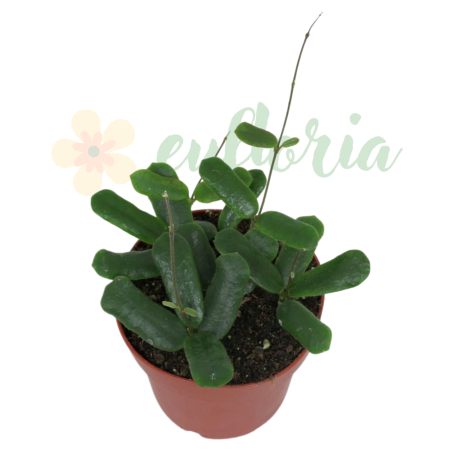
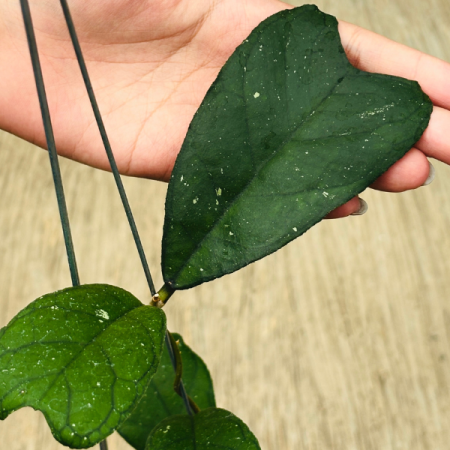
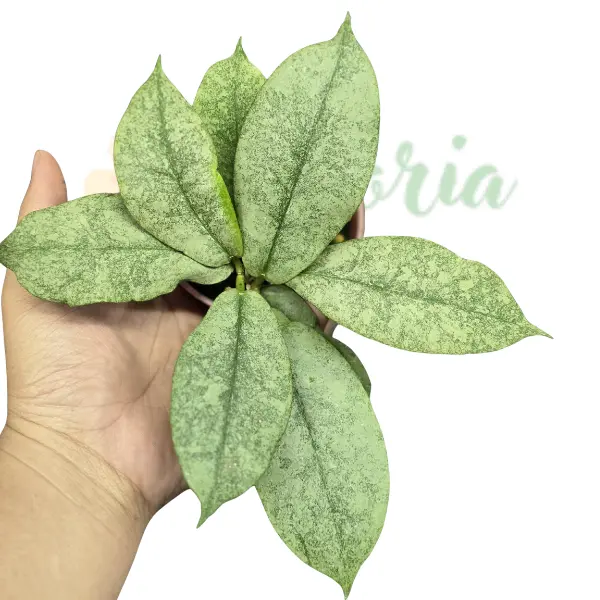
![Hoya callistophylla Black Cat — large green leaves with dramatic dark veining [0]](https://gomagcdn.ro/domains2/eufloria.ro/files/product/medium/planta-naturala-de-interior-hoya-callistophylla-black-cat-349560.png "Hoya callistophylla Black Cat — large green leaves with dramatic dark veining [0]")
![Hoya callistophylla Black Cat — large green leaves with dramatic dark veining [1]](https://gomagcdn.ro/domains2/eufloria.ro/files/product/medium/planta-naturala-de-interior-hoya-callistophylla-black-cat-249929.png "Hoya callistophylla Black Cat — large green leaves with dramatic dark veining [1]")
![Hoya callistophylla Black Cat — large green leaves with dramatic dark veining [1]](https://gomagcdn.ro/domains2/eufloria.ro/files/product/original/planta-naturala-de-interior-hoya-callistophylla-black-cat-349560.png "Hoya callistophylla Black Cat — large green leaves with dramatic dark veining [1]")
![Hoya callistophylla Black Cat — large green leaves with dramatic dark veining [2]](https://gomagcdn.ro/domains2/eufloria.ro/files/product/original/planta-naturala-de-interior-hoya-callistophylla-black-cat-249929.png "Hoya callistophylla Black Cat — large green leaves with dramatic dark veining [2]")
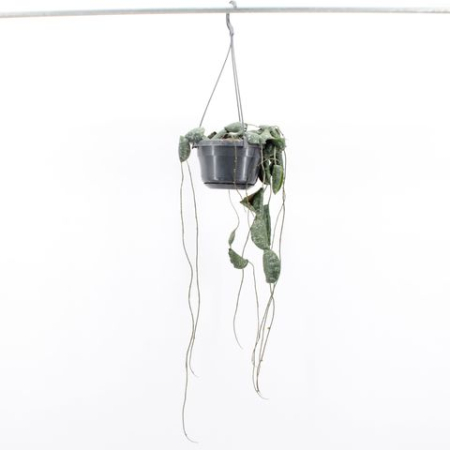
Hoya callistophylla 'Black Cat' is a rare collector species from the Apocynaceae family, native to Borneo, prized for its large, elongated olive-green leaves marked by dramatic dark veining that forms a net pattern. The "Black Cat" form accentuates the contrast, with very dark veins and margins. Trailing and striking, it is one of the most dramatic collector Hoyas. Non-toxic.
Approx height (including pot): 15 cm
Flowering state: No flowers
Country of origin: Netherlands
Pot diameter: 10.5 cm
- Description
- Characteristics
- Reviews (0)
- FAQ
🌿 Hoya callistophylla Black Cat — the Drama of Dark Veining
Hoya callistophylla 'Black Cat' is a plant that impresses through strength and character. Its large, elongated olive-green leaves are marked by dark, almost black veins that form a spectacular net pattern across the whole surface. The "Black Cat" form takes this contrast to the extreme, with intensely dark margins and veins that look drawn in ink by a meticulous artist.
It is one of the most sought-after collector Hoyas, prized precisely for its graphic, dramatic foliage, so different from the delicate flowers we usually think of when we hear of Hoya. The species name, callistophylla, means "with beautiful leaves" in Greek — a promise the plant fully keeps, being grown primarily for the spectacle of its leaves, not its flowers.
Beyond its striking appearance, it has a precious advantage: it is non-toxic, which makes it a safe choice for homes with pets, despite its exotic and sophisticated air. It belongs to the fascinating world of Hoya plants, prized for their waxy foliage and fragrant flowers, and is a centrepiece worthy of any serious collection.
🌍 Origin and Botanical History
Hoya callistophylla belongs to the Apocynaceae family and is native to Borneo, one of the most biodiverse islands in the world, where it grows epiphytically in humid tropical forests, clinging to tree bark. As an epiphytic plant, it takes its moisture from the air and the frequent rains of the jungle, an adaptation that explains why it needs a very airy substrate and high humidity to thrive.
The genus Hoya includes over 500 species spread from India to Australia, popularly called "wax plants" for their glossy, wax-like flowers. Many species from Borneo, including callistophylla, were described scientifically relatively recently, as explorers and collectors penetrated the more isolated areas of the island, and some remain rare in cultivation.
'Black Cat' is a selection of the callistophylla species with very dark pigmentation of the veins and leaf margins — a trait that intensifies the characteristic net pattern and has made it a collector favourite. Unlike classic variegation (lack of chlorophyll), the dark vein pattern is a concentration of pigment, stable and present on every leaf. Hoya is non-toxic — a quality that sets it apart from many houseplants. Discover other Hoya species in our collection too.
🌱 The Foliage
The leaves are large and elongated, 15–25 cm long, of a matte olive green, crossed by primary and secondary veins of a very dark green to black, forming an unmistakable net (reticulate) pattern across the whole surface. In the "Black Cat" form, the leaf margins are also dark, accentuating the graphic effect and giving the leaf an almost painted look. The contrast between the olive-green background and the black of the veins is what makes this plant so spectacular.
The leaves are thick, semi-succulent and slightly waxy, able to store water — an adaptation to epiphytic life that makes them surprisingly resilient. New growth may appear with a lighter or reddish hue that defines itself as the leaf matures and the veins darken. The waxy leaves can be wiped with a soft damp cloth to keep their shine and highlight the vein pattern.
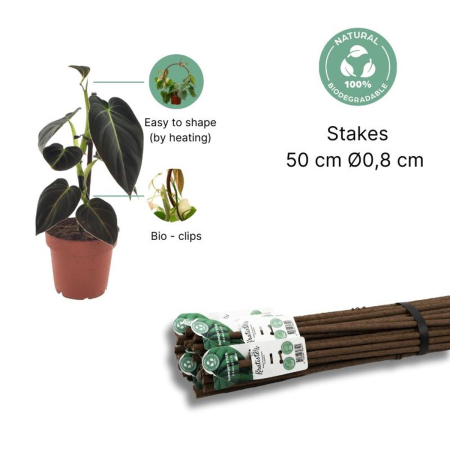
The habit is trailing, with robust stems that climb or trail. On a support, the plant develops ever larger and more impressive leaves, mimicking how it climbs trees in nature. Like other Hoya species, it looks spectacular on a high shelf or trained on a stake, where the large leaves can be admired individually.
🌸 The Flowers
Hoya callistophylla blooms in umbels of waxy flowers, in shades of cream-yellow to orange-pink, arranged in round clusters like small waxy bouquets. The flowers have a sweet fragrance and, like all Hoyas, are glossy and look moulded from fine wax. Although the plant is grown primarily for its dramatic foliage, the flowers are a precious bonus that appears on mature, well-cared-for plants.
As with all Hoyas, the flowers appear on perennial peduncles called "spurs", which must NOT be cut, as they rebloom year after year from the same spot. Flowering requires good light and a mature plant, but the reward matches the effort: a fragrant spectacle that completes the beauty of the foliage. With patience and the right conditions, callistophylla can become a plant that offers, in equal measure, spectacular leaves and fragrant flowers.
🌱 Growth, Care and Who It Is Perfect For
Hoya callistophylla 'Black Cat' grows moderately with a vigorous trailing habit. As a semi-succulent, it is surprisingly tolerant of the occasional lapse for such a spectacular species — it prefers to be watered less rather than too often. With good light and a very airy substrate, it becomes a striking specimen that visually dominates any collection. Offered at the mature Ø10.5 cm size, it is already a developed specimen, ready to impress, alongside other Hoya plants.
- Light: bright, indirect light — essential for the vein contrast and for flowering. It tolerates a little gentle morning sun, but avoid strong direct midday sun.
- Temperature: 18–28°C; avoid drops below 13°C.
- Watering: let the substrate dry almost completely between waterings; being semi-succulent, it suffers more from excess water (rot) than from lack. In summer water every 7–10 days, in winter much less often.
- Humidity: 60–70% ideal; it tolerates apartment air but appreciates high humidity, especially for large, healthy leaves.
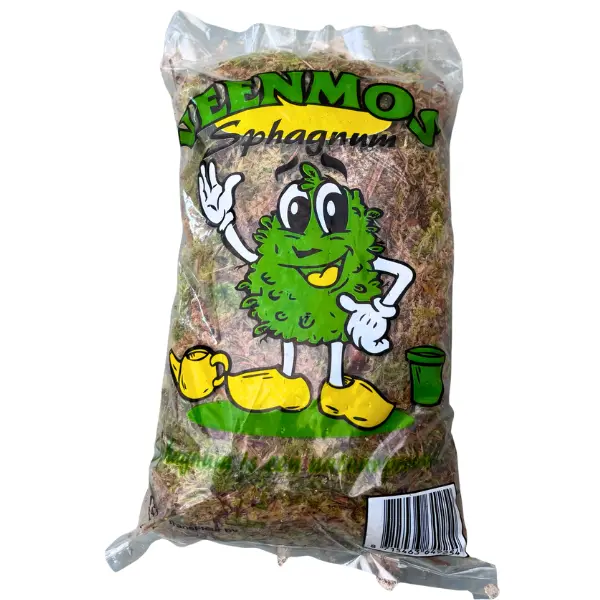
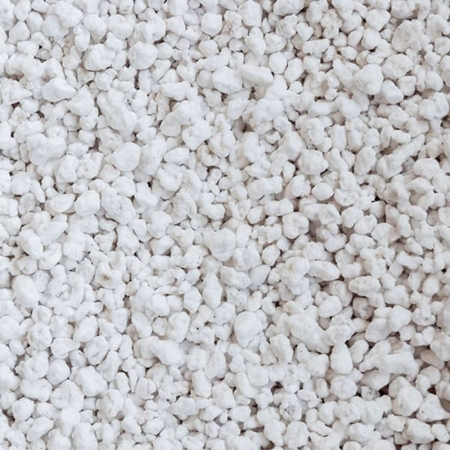
- Substrate: very airy and well-drained — a Hoya mix with pine bark, perlite and sphagnum. Excellent drainage is vital for the epiphytic roots.
- Fertilising: diluted fertiliser for flowering plants, every 3–4 weeks during the growing season.
- Propagation: stem cuttings with 1–2 nodes, rooted in sphagnum or perlite.
Common problems: soft, wrinkled leaves usually indicate root rot from excess water — check the roots and reduce watering. Soft yellow leaves: overwatering. Less contrasting veins on new leaves: insufficient light — move the plant closer to a good light source. Dry tips: air that is too dry — raise the humidity. Lack of flowering: a still-young plant or insufficient light; never cut the flower spurs. Hoya is rarely attacked by pests but can attract mealybugs in dry air.
In conclusion, Hoya callistophylla 'Black Cat' is the ideal choice for the collector who wants a truly striking piece, with dramatic foliage and strong character, but which remains pet-safe. Non-toxic and surprisingly forgiving for such a spectacular species, it becomes the star of any collection. Place it alongside other Hoya plants and you will have a collection of wax plants worth admiring, year after year.
Lungime: 15 cm
Greutate (kg): 0.5 Kg
Denumire: Hoya
Diametru: 10.5 cm
Cerințe lumină: Partial umbra
Tip plantă: Decorative
Utilizare: Interior
Tip suport: Ghiveci
Material Suport: Plastic
Difference from standard callistophylla?
Humidity?
Light?
Toxic?
Propagation?
Recommendations

Ai nevoie și de un ghiveci decorativ?