EN/
EN/ Romana
Hoya sp. Buntok
![Hoya sp. Buntok - rare plant from Central Kalimantan [1]](https://gomagcdn.ro/themes/fashion/gfx/no-image.png "Hoya sp. Buntok - rare plant from Central Kalimantan [1]")
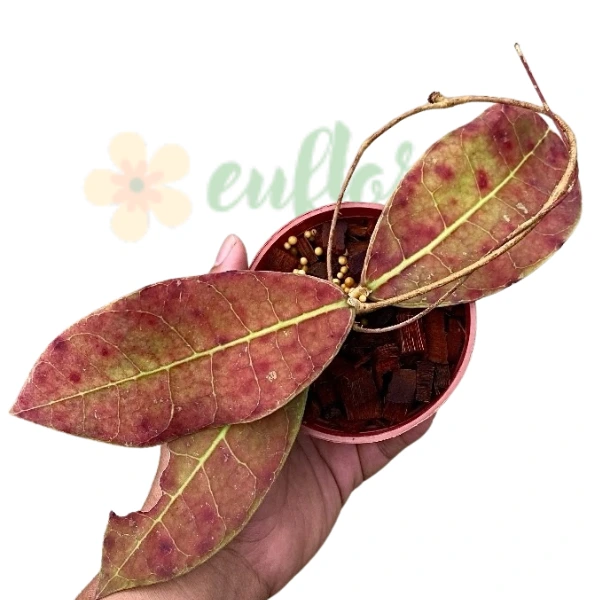
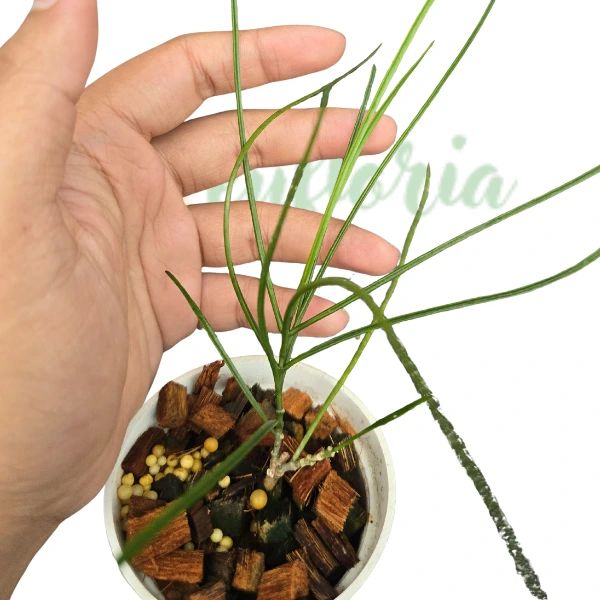
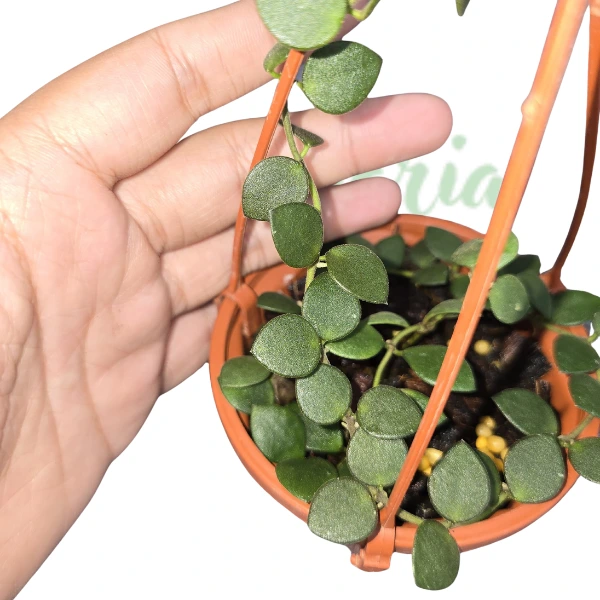
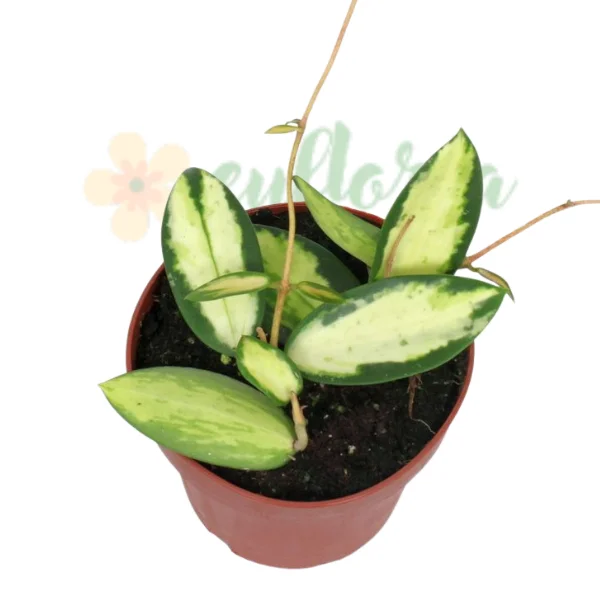
Hoya sp. Buntok is a rare species from Central Kalimantan, Indonesia. Its unique leaves and fragrant flowers make it an outstanding collector's piece for exotic plant enthusiasts.
Pot diameter: (no pot)
- Description
- Reviews (0)
- FAQ
🌿 Hoya sp. Buntok — An Undescribed Hoya from the Heart of Borneo
Hoya sp. Buntok is a Hoya not yet scientifically described, initially collected from the area of the town Buntok, located in the Central Kalimantan province of the island of Borneo, Indonesia. The designation "sp." (species) indicates that botanists have not yet officially classified this species — which makes it an extremely rare plant, still in the process of discovery and research. For collectors, owning a "sp." Hoya represents a rare experience: you have in your collection a plant about which science has not yet said its last word.
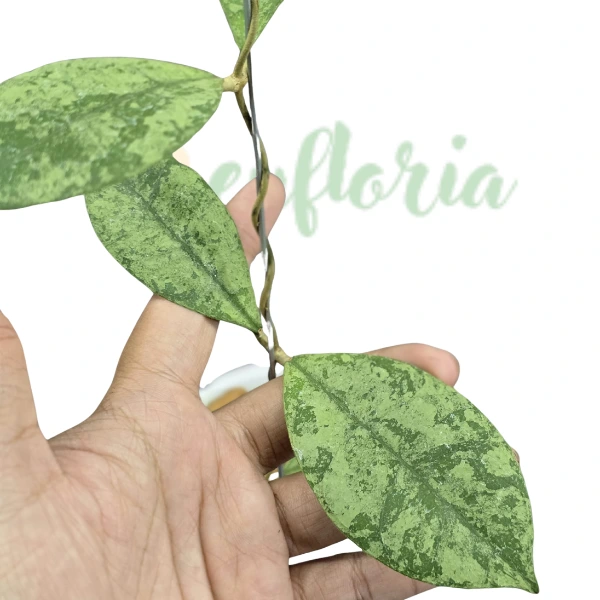
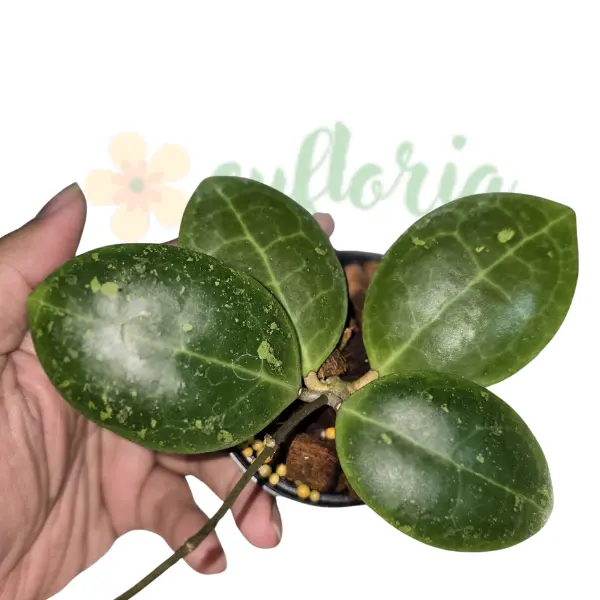
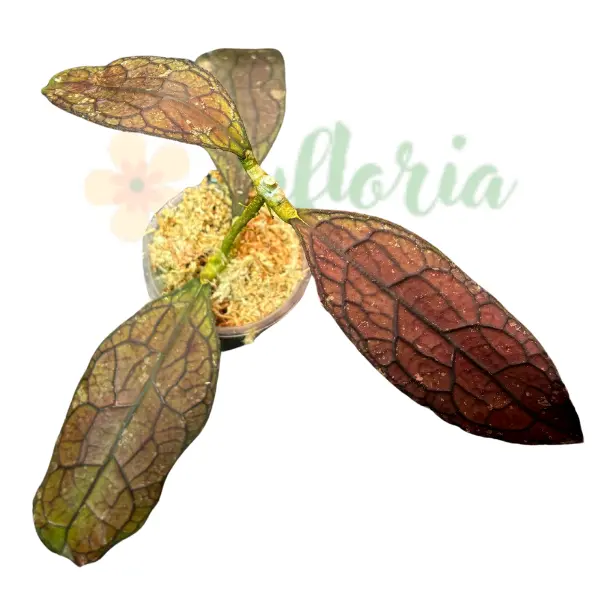
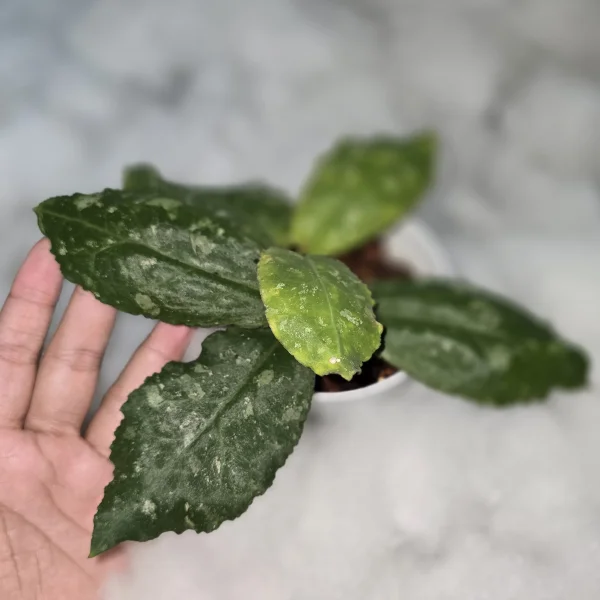
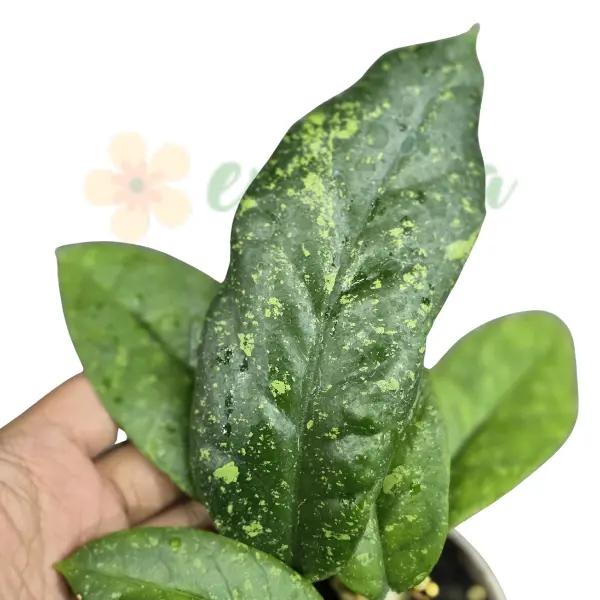
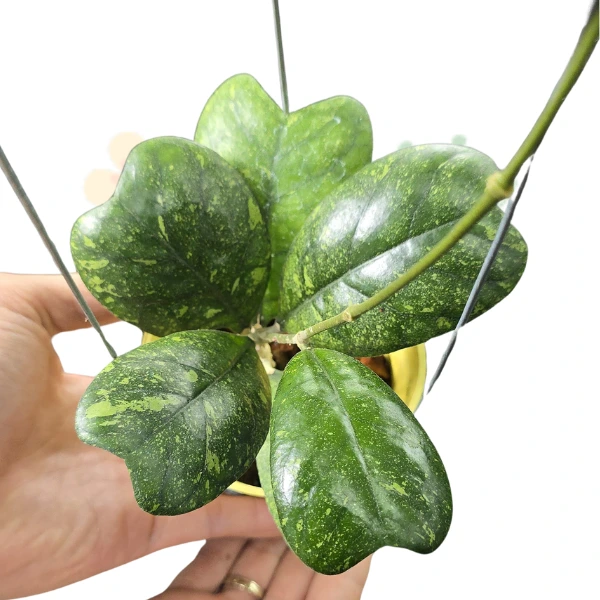
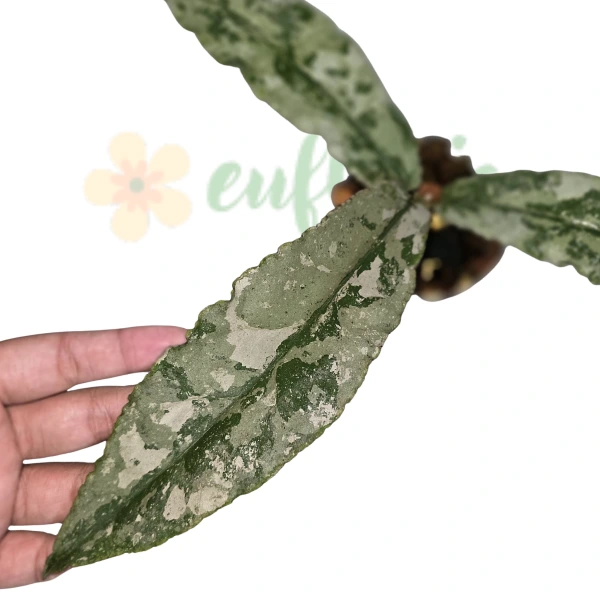
The leaves are of medium size, with firm, waxy texture, and an intense green hue characteristic of Borneo Hoyas. The species behaves as a climbing epiphyte, with moderate growth and a compact root system.
🌍 Origin in Borneo — A Biodiversity Hotspot
Borneo, the third-largest island in the world, is recognized as one of the richest centers of botanical biodiversity on the globe. For the genus Hoya alone, experts estimate that Borneo hosts over 50 species, of which at least 20 are still undescribed formally. Buntok, the town after which this species was named, is located in the Central Kalimantan province, in an area with primary humid tropical forests that host an extraordinarily diverse flora and fauna.
The legal collection and propagation of Borneo Hoyas is done through specialized nurseries working with Indonesian authorities. Commercially available plants come exclusively from vegetative propagation of legally collected materials, not from recent wild harvests — this is an important distinction for habitat protection.
In its habitat, Hoya sp. Buntok grows at medium altitudes (300-800 m), in forests with relative humidity over 80%, on trunks of large trees. The average annual temperature oscillates between 22°C and 30°C, without pronounced cold seasons.
🌱 Visual Features
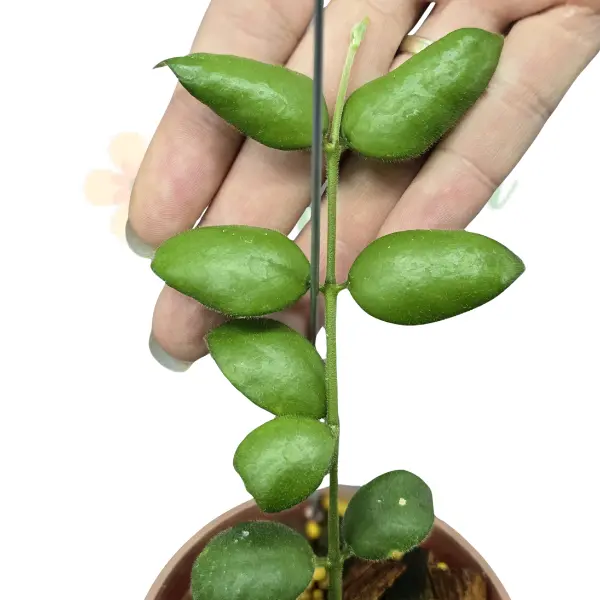
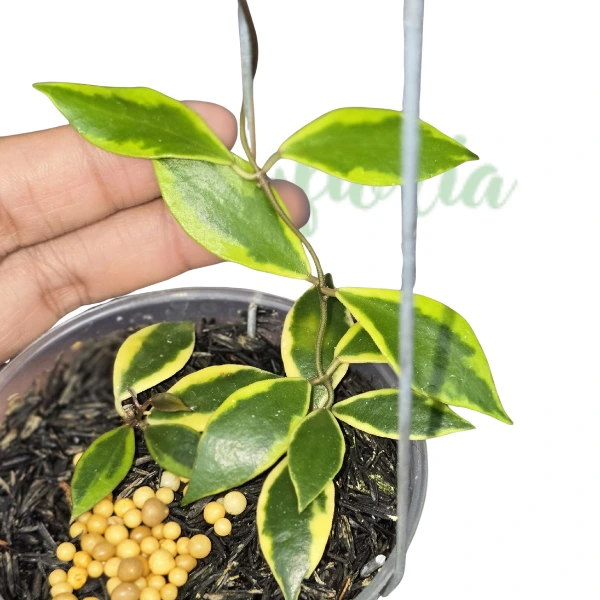
- Medium, oval-elongated leaves — 6-10 cm long, 3-5 cm wide. Classic Hoya shape.
- Intense glossy green — waxy texture typical of the genus, with slightly bronzed reflections in strong light.
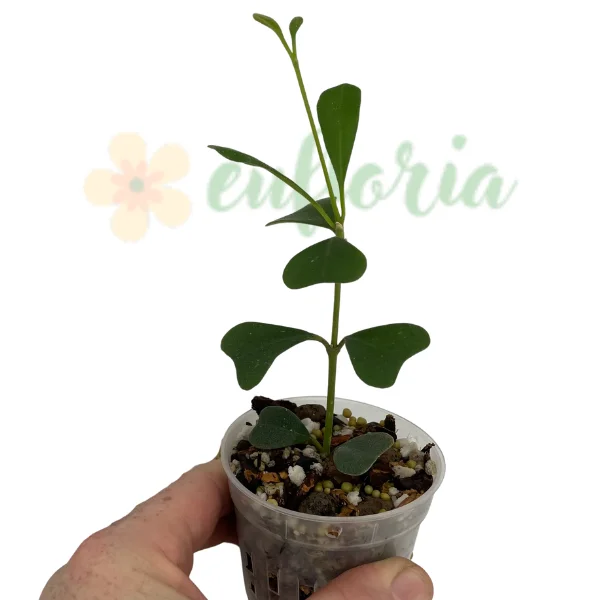
- Flexible climbing stems — easily trained on support or can trail freely in a hanging basket.
- Moderate internodes — 3-6 cm between leaves, giving the plant a balanced appearance.
- Moderate growth — faster than variegated Hoyas, slower than common species.
- Compact roots — the root system occupies little volume, prefers small pots.
- Flowering potential publicly unknown — being an undescribed sp., flower color and shape vary between collectors; some report white flowers with pink centers, others cream with red.
🌸 Flowering
Since Hoya sp. Buntok has not yet been formally described, flowering descriptions come from the experience of private collectors who have managed to bring it into bloom in cultivation. Reports indicate umbels of 10-20 small, star-shaped, waxy flowers, in cream-white tones with a darker center (pink or red). The scent is sweet, perceptible in the evening, typical for Hoya.
Beware of peduncles: as with all Hoyas, flower peduncles (short stalks supporting umbels) must be kept intact. From them, blooming will repeat every season. Cutting them means postponing flowering by 1-2 years.
For flowering stimulation: strong indirect light, cyclic dry-wet, slight nitrogen reduction in spring, day-night temperature difference in autumn.
🌱 Care Requirements
- Light: bright indirect. East/west window ideal. Avoid direct noon sun.
- Watering: substrate almost completely dry between waterings. Every 7-10 days in summer, 14-18 in winter.
- Humidity: 55-70% ideal. Tolerates 45% but grows slower.
- Temperature: 18-28°C. Minimum 15°C in winter.
- Substrate: airy — orchid bark + perlite + coco in equal proportions.
- Fertilization: diluted liquid 1/2, every 3-4 weeks during active season.
- Pot: small, root-bound — stimulates flowering.
- Repotting: every 2-3 years, only 2 cm larger.
🤚 A Genuine Rarity
Hoya sp. Buntok is a true rarity on the European market. Being still undescribed scientifically, it is not produced in large quantities by commercial nurseries — and its propagation depends on specialized collectors who maintain quality genetic material. For enthusiasts who wish to have something truly unique in their collection, this plant represents an extremely valuable opportunity.
All plants offered on Eufloria.ro come from verified Dutch sources, with complete phytosanitary documentation for import into the European Union. Each plant is inspected and prepared for transport in optimal conditions.
💡 Tips for Collectors
Since Hoya sp. Buntok is still in the process of scientific description, I encourage collectors to document the plant's evolution — photos of new leaves, of flowering, of inflorescences. These observations contribute to knowledge of the species. Keep the plant in a constant location, without sudden changes in temperature or light, for at least the first 3 months after acquisition.
How do I care for Hoya sp. Buntok?
Where does Hoya sp. Buntok come from?
Is it toxic to pets?
What substrate do you recommend?
How do I encourage blooming?

Ai nevoie și de un ghiveci decorativ?