EN/
EN/ Romana
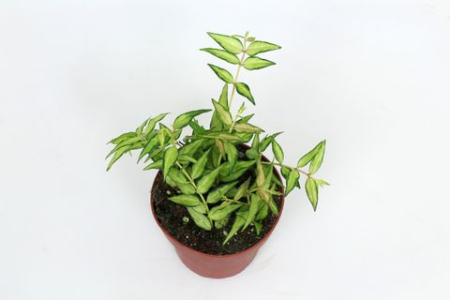
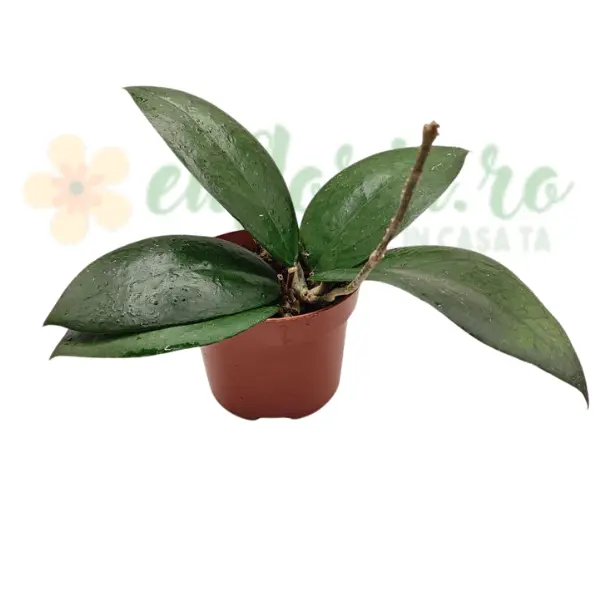
Hoya acuta (verticillata) 'Inner Variegata' Ø7cm
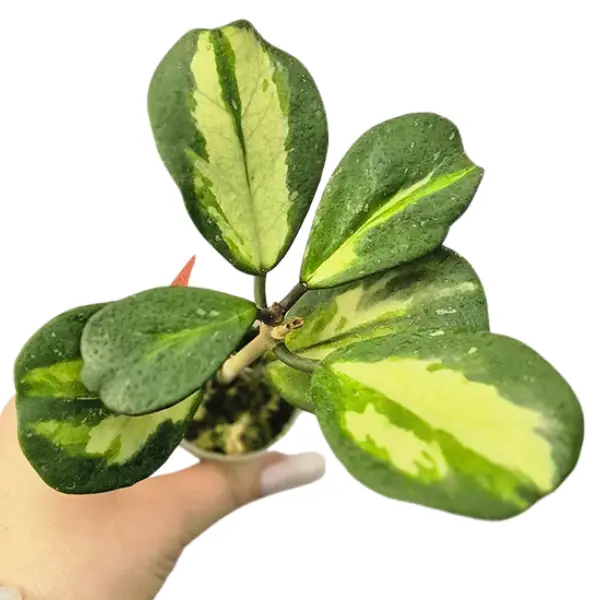
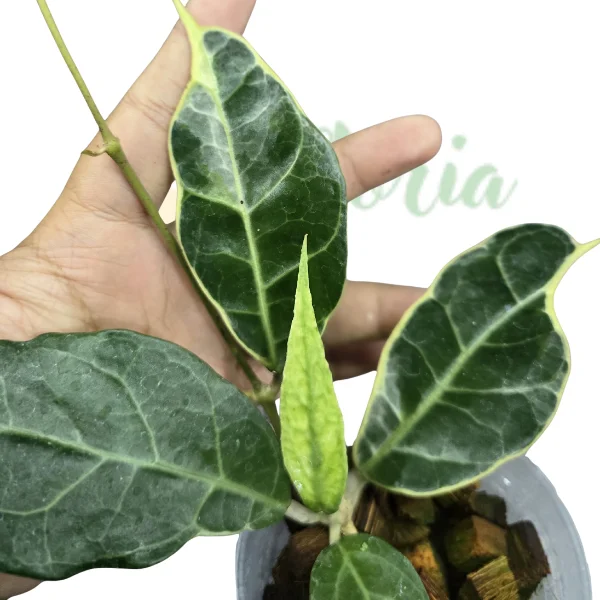
![Hoya verticillata 'Inner Variegata' [1]](https://gomagcdn.ro/domains2/eufloria.ro/files/product/original/hoya-acuta-verticillata-inner-variegata-635558.webp "Hoya verticillata 'Inner Variegata' [1]")
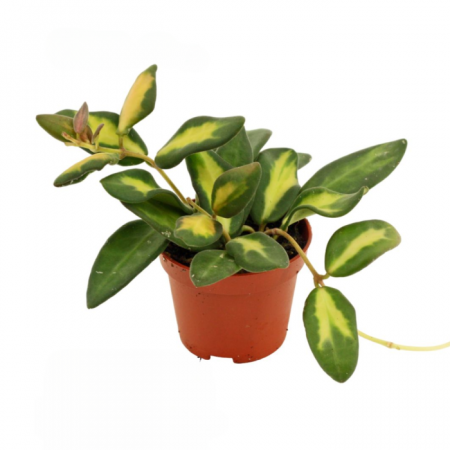
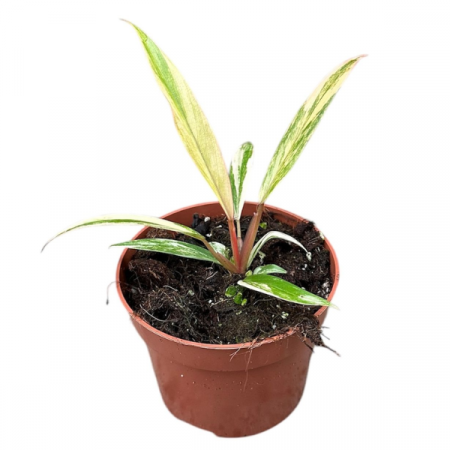
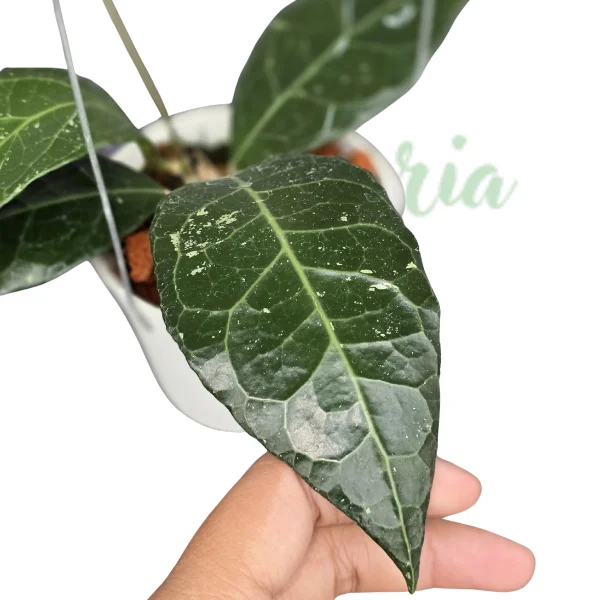
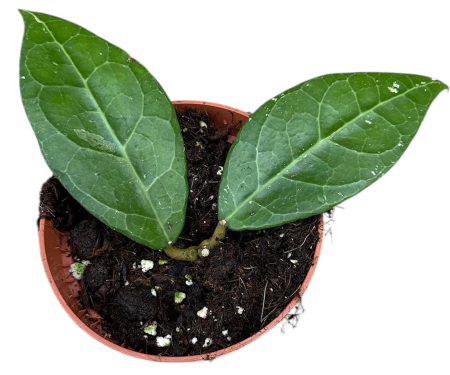
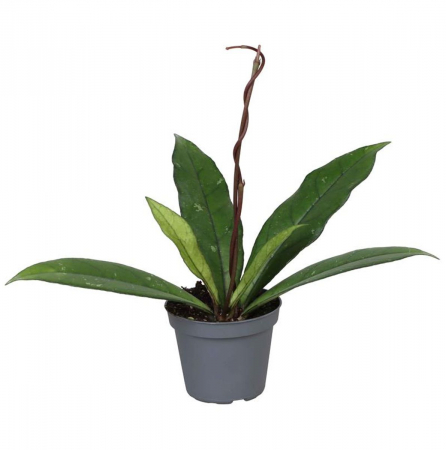
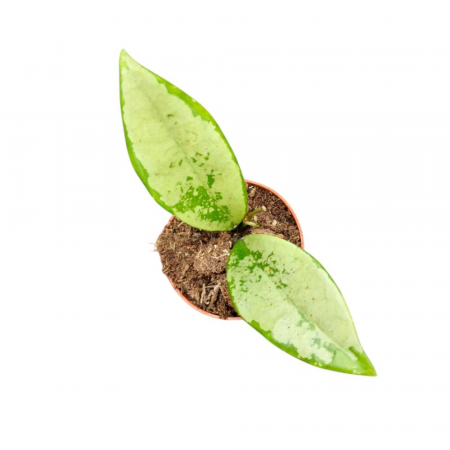
Hoya acuta 'Inner Variegata' – distinctive variety with yellow-cream central variegation on deep green leaves. Fragrant white-pink star-shaped flowers. Climbing plant, ideal for hanging pots. Prefers bright indirect light and well-drained substrate. Non-toxic plant.
Approx height (including pot): 15 cm
Flowering state: No flowers
Country of origin: Netherlands
- Description
- Characteristics
- Reviews (0)
- FAQ
🌿 Hoya acuta 'Inner Variegata' – Elegant Central Variegation and Fragrant Flowers
Hoya acuta 'Inner Variegata' (synonym: Hoya verticillata 'Inner Variegata') is a distinctive variety of the Hoya genus, valued for its central variegation – the leaf centers display shades of yellow, cream, or light green, framed by deep green margins. This epiphytic plant from the Apocynaceae family adds a bright and refined accent to any tropical plant collection.
🌍 Origins and Botanical History
Hoya acuta is native to Southeast Asia, growing naturally in tropical forests across Thailand, Malaysia, Indonesia, and the Philippines. Its taxonomic classification has sometimes placed it under Hoya verticillata, reflecting the complexity of the Hoya genus. The 'Inner Variegata' variety was selected for its distinctive central variegation pattern, which sets it apart from other variegated forms.
🌿 Leaves – Luminous Central Variegation
The leaves are oval, slightly elongated, medium-sized, with a semi-succulent texture typical of Hoya. The distinctive feature is the central variegation – the leaf center has shades of yellow, cream, or light green, while the margins remain deep green. This combination creates a remarkable visual effect, especially in bright indirect light, which enhances the contrast between colors.
🌸 Flowers – Fragrant Stars in Delicate Hues
The flowers are grouped in round umbels, composed of small star-shaped blooms in white-pink or cream with a darker center. They emit a sweet, pleasant fragrance, more intense in the evening. Floral peduncles should not be removed after flowering, as the plant produces new flowers from the same growth points.
🌱 Growth Habit and Care
Hoya acuta 'Inner Variegata' is a climbing plant with moderate growth that benefits from a climbing support or can be grown in hanging pots. It prefers bright indirect light, an airy and well-drained substrate based on bark and perlite, and moderate watering – the substrate should partially dry between waterings. Medium to high humidity promotes optimal development. Ideal temperatures: 18-28°C (64-82°F).
Lungime: 20 cm
Greutate (kg): 0.25 Kg
Denumire: Hoya
Diametru: 7 cm
Cerințe lumină: Partial umbra
Tip plantă: Decorative
Utilizare: Interior
Tip suport: Ghiveci
Material Suport: Plastic
Are Hoya acuta and Hoya verticillata the same plant?
What does 'Inner Variegata' mean?
Is the variegation stable?
Does it need more light than the green form?
Is it a fast-growing Hoya?
Are the flowers fragrant?
Is it suitable for hanging pots?
Is it a difficult plant?
Does it require high humidity?
How do I care for a Hoya plant?
When does Hoya bloom?
How often should I water my Hoya?
Is Hoya toxic to pets?
How do I propagate Hoya?
Recommendations
Ai nevoie și de un ghiveci decorativ?