EN/
EN/ Romana
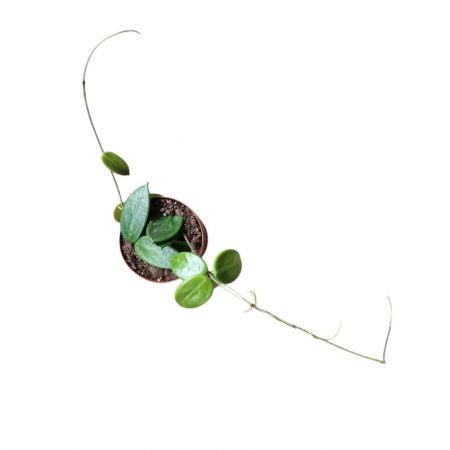
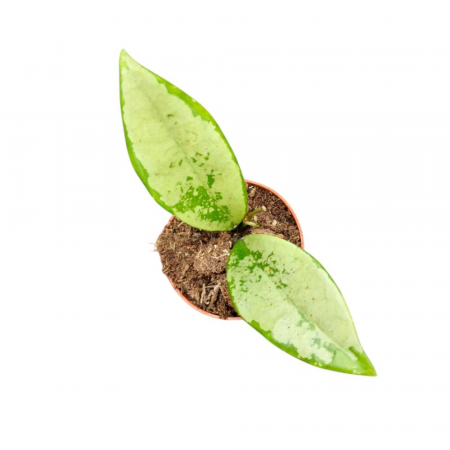
Hoya verticillata 'Lampung' Ø10.5cm
![Hoya verticillata 'Lampung' – exotic houseplant with textured heart-shaped leaves and purple flowers [0]](https://gomagcdn.ro/domains2/eufloria.ro/files/product/medium/hoya-verticillata-lampung-d10-5cm-123906.jpg "Hoya verticillata 'Lampung' – exotic houseplant with textured heart-shaped leaves and purple flowers [0]")
![Hoya verticillata 'Lampung' – exotic houseplant with textured heart-shaped leaves and purple flowers [1]](https://gomagcdn.ro/domains2/eufloria.ro/files/product/medium/hoya-verticillata-lampung-d10-5cm-229994.png "Hoya verticillata 'Lampung' – exotic houseplant with textured heart-shaped leaves and purple flowers [1]")
![Hoya verticillata 'Lampung' – exotic houseplant with textured heart-shaped leaves and purple flowers [2]](https://gomagcdn.ro/domains2/eufloria.ro/files/product/medium/hoya-verticillata-lampung-d10-5cm-752867.png "Hoya verticillata 'Lampung' – exotic houseplant with textured heart-shaped leaves and purple flowers [2]")
![Hoya verticillata 'Lampung' – exotic houseplant with textured heart-shaped leaves and purple flowers [1]](https://gomagcdn.ro/domains2/eufloria.ro/files/product/original/hoya-verticillata-lampung-d10-5cm-123906.jpg "Hoya verticillata 'Lampung' – exotic houseplant with textured heart-shaped leaves and purple flowers [1]")
![Hoya verticillata 'Lampung' – exotic houseplant with textured heart-shaped leaves and purple flowers [2]](https://gomagcdn.ro/domains2/eufloria.ro/files/product/original/hoya-verticillata-lampung-d10-5cm-229994.png "Hoya verticillata 'Lampung' – exotic houseplant with textured heart-shaped leaves and purple flowers [2]")
![Hoya verticillata 'Lampung' – exotic houseplant with textured heart-shaped leaves and purple flowers [3]](https://gomagcdn.ro/domains2/eufloria.ro/files/product/original/hoya-verticillata-lampung-d10-5cm-752867.png "Hoya verticillata 'Lampung' – exotic houseplant with textured heart-shaped leaves and purple flowers [3]")
Approx height (including pot): 15 cm
Flowering state: No flowers
Country of origin: Netherlands
Pot diameter: 10.5 cm
- Description
- Characteristics
- Reviews (0)
- FAQ
🌿 Hoya verticillata ‘Lampung’ — The Epiphytic Treasure from the Heart of Sumatra
In the world of rare tropical plant enthusiasts, firmly rooted in their fascination with the biodiversity of equatorial forests, certain species earn their place in collections not through visual flamboyance but through quiet subtlety — through textures and forms that reveal themselves gradually to the attentive eye. Hoya verticillata ‘Lampung’ is precisely such a specimen — a plant that does not shout but whispers, and its message is one of rare, almost aristocratic elegance. Named after Lampung Province in southern Sumatra, this variety carries in its DNA the spirit of the dense, humid tropical forests that cloak the volcanic mountains of the region.
What makes this Hoya an exceptional collector’s piece is the unique combination of textured leaves — with an almost “sculpted” surface that appears modelled by an artisan’s hand — and intense purple, fragrant flowers that appear in compact umbels, creating a memorable contrast with the deep green foliage. The heart shape of the leaves adds a romantic element that does not go unnoticed — each leaf is like a small declaration of nature’s love for perfection of form.
As an epiphytic plant, Hoya verticillata ‘Lampung’ has evolved to live anchored to the branches of giant Dipterocarp trees, in an environment where filtered light, saturated humidity, and regular rainfall cycles create a perfect microclimate for epiphytic growth. This origin dictates its care requirements in cultivation — diffused light, an aerated substrate, and consistent humidity without excess water at the roots.
🌍 Origin and Botanical History
Hoya verticillata was scientifically described by the Scottish botanist George Don in 1837, in volume IV of “A General History of the Dichlamydeous Plants.” The species belongs to the family Apocynaceae, subfamily Asclepiadoideae, a taxonomic group encompassing over 500 Hoya species distributed across the tropical regions of Asia, Australia, and the Pacific. The specific epithet “verticillata” derives from the Latin “verticillus” (“whorl”), describing how the leaves are often arranged in whorls — groups of three or more at the same stem node — a distinctive botanical trait that separates this species from most other Hoyas.
The ‘Lampung’ variety owes its name to Lampung Province, located at the southern tip of Sumatra, Indonesia. This region, dominated by the Bukit Barisan volcanic mountains and cloaked in humid tropical forests receiving over 2,500 mm of annual rainfall, represents an extraordinary biodiversity hotspot. The elevation at which this variety grows naturally ranges from 100 to 600 metres, in zones with average temperatures of 25–29°C and constant relative humidity of 80–95%.
The broader distribution of Hoya verticillata extends from the Malay Peninsula through Indonesia (Sumatra, Java, Kalimantan, Sulawesi) to the Philippines and southern Thailand. Each regional population has developed distinct morphological traits — hence the local varieties such as ‘Lampung’ are so prized by collectors: they represent unique expressions of adaptation to local microclimates. According to the World Checklist of Selected Plant Families at Kew Gardens, the taxonomy of Hoya verticillata remains an active area of study, with regional forms that may eventually be reclassified as distinct subspecies.
🌱 The Foliage
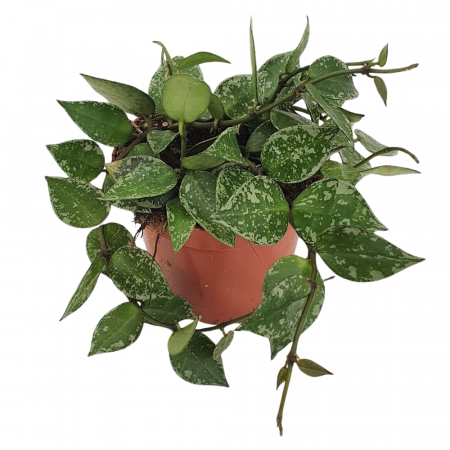
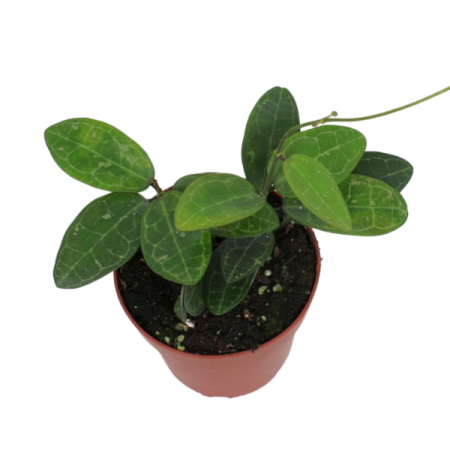
The leaves of Hoya verticillata ‘Lampung’ are, without exaggeration, a masterpiece of nature. Cordate (heart-shaped), they measure between 5 and 10 cm in length and 4–7 cm in width, with a remarkable texture that immediately distinguishes them from other varieties of the species. The leaf surface presents a prominent network of veins creating a “sculpted,” almost three-dimensional effect — each leaf appears carefully modelled by an artist seeking to capture the topography of a miniature mountain landscape.
The foliage colour is a rich, saturated deep green, with nuances that vary subtly depending on light conditions. Under bright indirect light, the leaves acquire a delicate sheen and the venation becomes even more visible, accentuating the three-dimensional texture. The waxy layer characteristic of the Hoya genus covers the leaf surface, lending a semi-glossy appearance and remarkable resistance to dehydration. To the touch, the leaves are surprisingly thick and fleshy — evidence of the succulent water-storage capacity essential for survival during dry periods in the tropical canopy.
As the plant matures, new leaves emerge in a lighter, almost lime shade, gradually darkening as they develop. This chromatic contrast between young and mature leaves creates a dynamic visual effect, like a painting in continuous transformation. The verticillate arrangement of leaves — disposed in groups of 3–4 at each node — is particularly pronounced in this variety, creating a regular and harmonious visual rhythm along the stems.
🌸 The Flowers
The flowers of Hoya verticillata ‘Lampung’ are a fascinating surprise for those who understand that a plant’s beauty extends far beyond its foliage. Grouped in compact, spherical umbels of 15–25 individual flowers, they display an intense purple colour, unusual in the Hoya genus where white, pink, and cream tones predominate. Each corolla bears the classic five-pointed star shape, coated in the translucent waxy layer that gives Hoya flowers their unmistakable appearance of miniature jewels.
The fragrance is sweet and complex, with dominant notes of chocolate and honey that intensify dramatically after dusk and persist throughout the night. This nocturnal olfactory strategy is an adaptation to natural pollinators — moths of the family Sphingidae, active during the hours of darkness. In a room, the scent from a single umbel can embrace the entire space, creating a memorable sensory atmosphere.
The nectar produced by the flowers is abundant and visible to the naked eye — fine, transparent droplets that collect in the centre of each corolla and glisten in light like tiny gemstones. The peduncles are persistent and produce flowers repeatedly, year after year, becoming more productive with each cycle. In indoor cultivation, the first flowering typically occurs 3–4 years after rooting, requiring bright indirect light, a slightly snug pot, and a winter rest period at 15–18°C with reduced watering.
🌱 Growth Habit and Care
Hoya verticillata ‘Lampung’ has a twining habit, with slender yet flexible stems that can extend up to 2–3 metres under optimal conditions. The growth rate is moderate, typical of Hoya species — approximately 15–20 cm per year in the early years, accelerating significantly once the plant develops a robust root system. Internodes are relatively short, giving the plant a dense, full appearance superior to many other Hoya species that tend to become leggy and sparse over time.
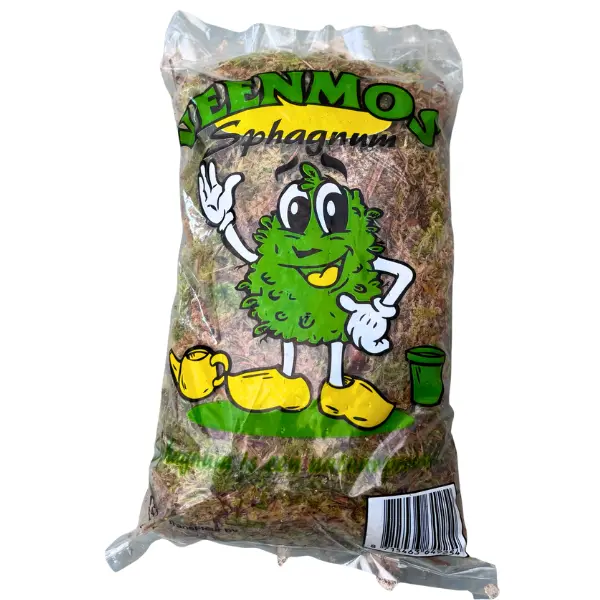
Aerial roots develop abundantly along the stems, an epiphytic trait allowing the plant to anchor to surfaces and absorb moisture from the ambient air. In cultivation, this characteristic can be exploited by training stems on supports covered with sphagnum moss, which keeps the aerial roots hydrated and stimulates vigorous growth. Alternatively, the plant excels in hanging baskets, where the cascade of textured heart-shaped leaves creates a remarkable visual display.
Care requirements reflect its tropical epiphytic origins:
Like all Hoya plants, verticillata 'Lampung' has a trailing habit, ideal for hanging pots, and is easy-care.
- Light: Bright to moderate indirect light, ideally near an east or west window. Early morning direct sun is tolerated for 1–2 hours, but avoid intense afternoon exposure which can cause leaf burn.
- Temperature: 18–28°C optimally, with temporary tolerance down to 15°C. Below 12°C, the plant suffers cellular damage. A rest period at 15–18°C from November to February stimulates flowering the following season.
- Watering: Allow the substrate to dry 70–80% between waterings. Summer: every 7–10 days; winter: every 2–3 weeks. Use room-temperature water, preferably filtered or left to dechlorinate for 24 hours.
- Humidity: Optimal 60–80%, but adapts to 40–50%. Grouping with other tropical plants increases local humidity by 10–15%.
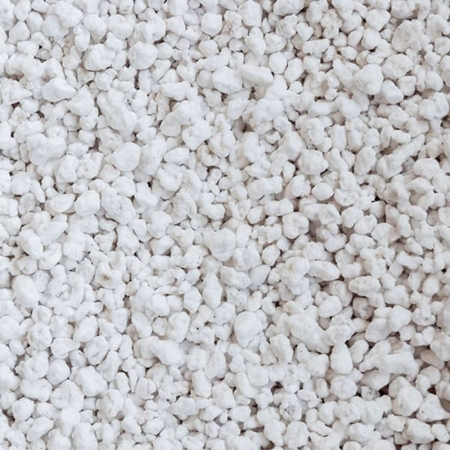
- Substrate: Highly aerated mix: 40% pine bark (medium grade), 30% perlite, 20% coco coir, 10% activated charcoal. Optimal pH: 5.5–6.5.
- Fertilising: Balanced liquid fertiliser (NPK 10-10-10) diluted to half strength, once monthly from April to September. Additionally, a higher-phosphorus fertiliser (NPK 10-30-20) in July–August stimulates flowering.
- Propagation: By stem cuttings with 2–3 nodes, in water or moist perlite, at 22–26°C. Optimal period: May–July. Rooting takes 4–8 weeks.
Lungime: 10.5 cm
Greutate (kg): 0.5 Kg
Denumire: Hoya
Diametru: 10.5 cm
Cerințe lumină: Strong, indirect light
Tip plantă: Decorative
Utilizare: Interior
Tip suport: Ghiveci
Material Suport: Plastic
Where does Hoya verticillata 'Lampung' come from?
How do you water Hoya verticillata 'Lampung'?
Is Hoya verticillata 'Lampung' toxic to pets?
How does Hoya verticillata 'Lampung' flower?
How is Hoya verticillata 'Lampung' propagated?
Recommendations

Ai nevoie și de un ghiveci decorativ?