EN/
EN/ Romana
Hoya sigillatis Ø6cm
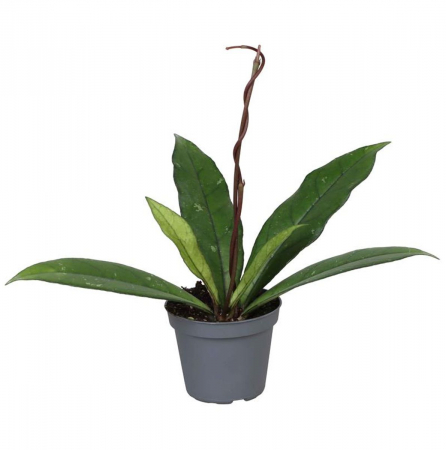
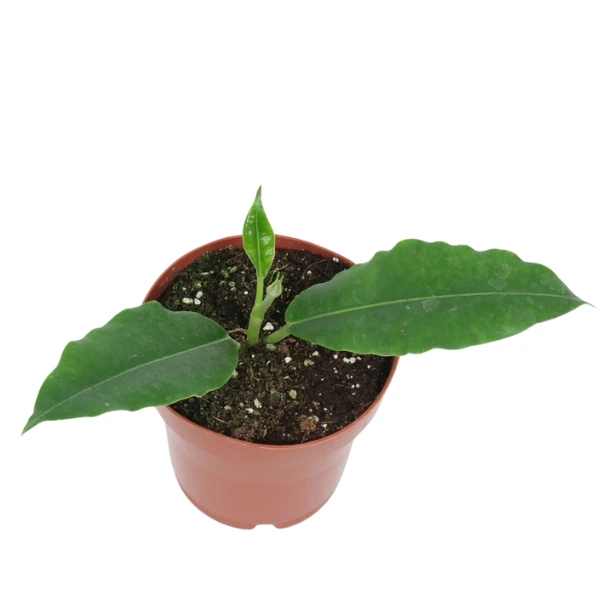
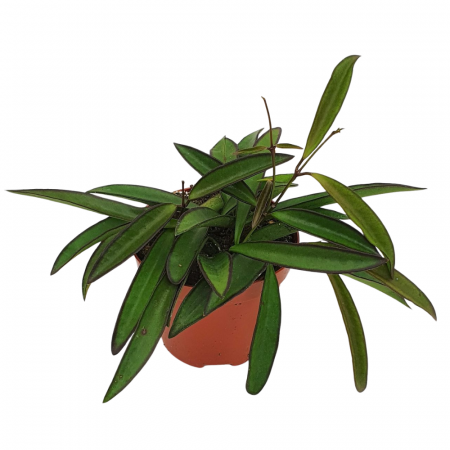
![Hoya sigillatis with elongated green and reddish-brown leaves featuring silver splash spots, rare Borneo Hoya species [0]](https://gomagcdn.ro/domains2/eufloria.ro/files/product/medium/hoya-sigillatis-162106.png "Hoya sigillatis with elongated green and reddish-brown leaves featuring silver splash spots, rare Borneo Hoya species [0]")
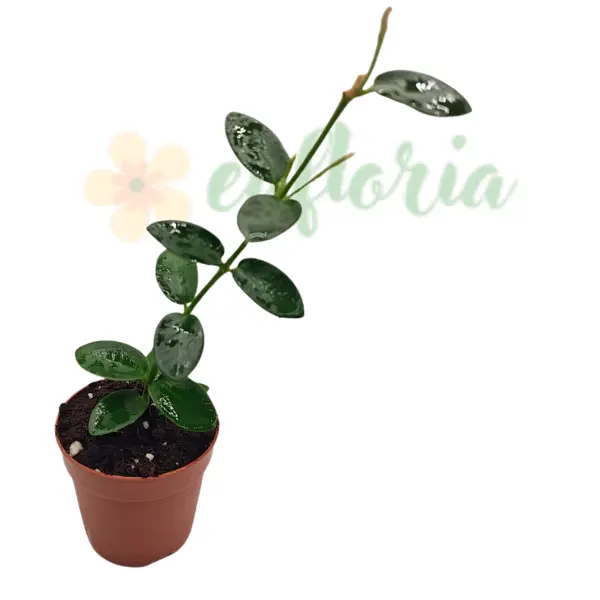
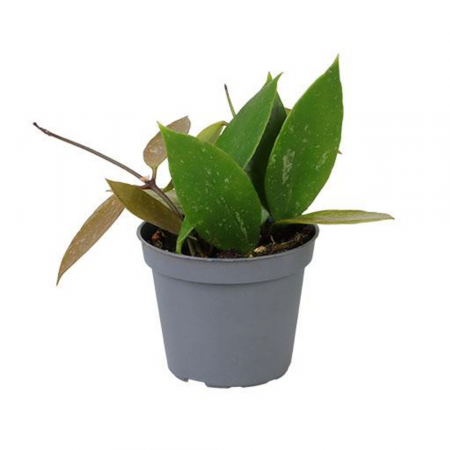
![Hoya sigillatis with elongated green and reddish-brown leaves featuring silver splash spots, rare Borneo Hoya species [1]](https://gomagcdn.ro/domains2/eufloria.ro/files/product/medium/hoya-sigillatis-d6-882120.png "Hoya sigillatis with elongated green and reddish-brown leaves featuring silver splash spots, rare Borneo Hoya species [1]")
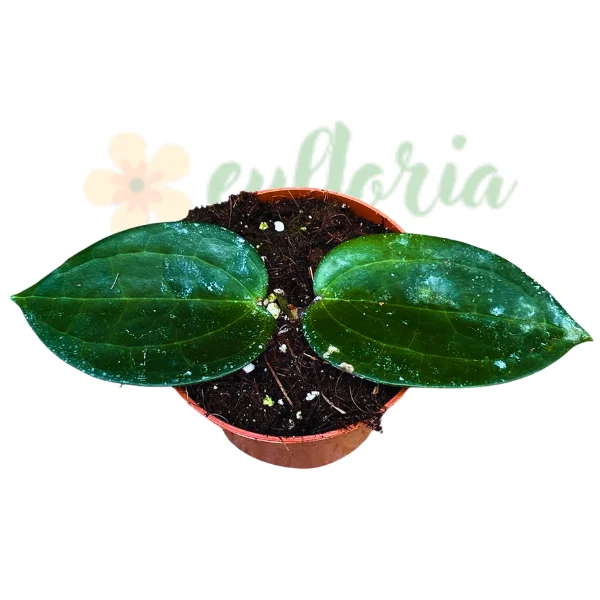
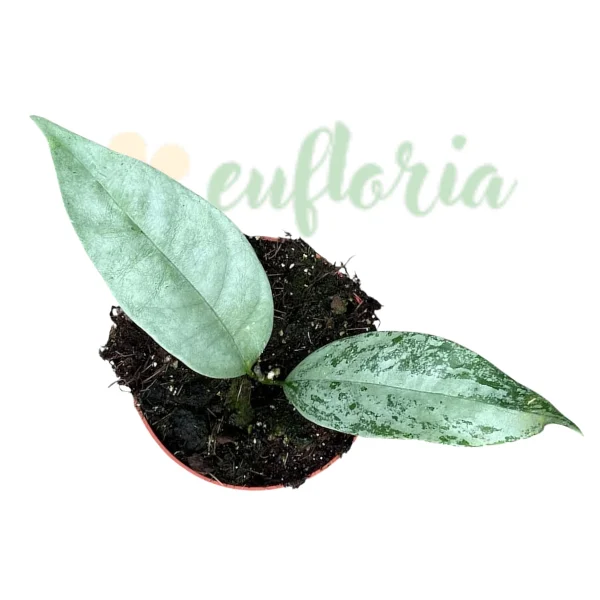
![Hoya sigillatis with elongated green and reddish-brown leaves featuring silver splash spots, rare Borneo Hoya species [2]](https://gomagcdn.ro/domains2/eufloria.ro/files/product/medium/hoya-sigillatis-d6-838405.png "Hoya sigillatis with elongated green and reddish-brown leaves featuring silver splash spots, rare Borneo Hoya species [2]")
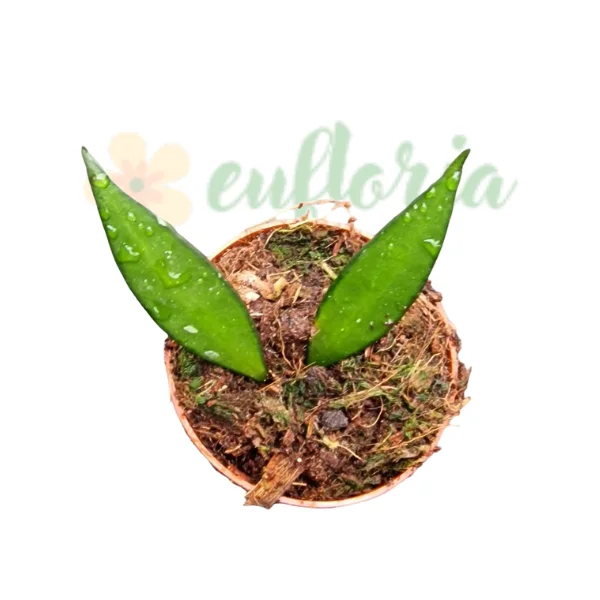
![Hoya sigillatis with elongated green and reddish-brown leaves featuring silver splash spots, rare Borneo Hoya species [3]](https://gomagcdn.ro/domains2/eufloria.ro/files/product/medium/hoya-sigillatis-d6-674027.webp "Hoya sigillatis with elongated green and reddish-brown leaves featuring silver splash spots, rare Borneo Hoya species [3]")
![Hoya sigillatis with elongated green and reddish-brown leaves featuring silver splash spots, rare Borneo Hoya species [1]](https://gomagcdn.ro/domains2/eufloria.ro/files/product/original/hoya-sigillatis-162106.png "Hoya sigillatis with elongated green and reddish-brown leaves featuring silver splash spots, rare Borneo Hoya species [1]")
![Hoya sigillatis with elongated green and reddish-brown leaves featuring silver splash spots, rare Borneo Hoya species [2]](https://gomagcdn.ro/domains2/eufloria.ro/files/product/original/hoya-sigillatis-d6-882120.png "Hoya sigillatis with elongated green and reddish-brown leaves featuring silver splash spots, rare Borneo Hoya species [2]")
![Hoya sigillatis with elongated green and reddish-brown leaves featuring silver splash spots, rare Borneo Hoya species [3]](https://gomagcdn.ro/domains2/eufloria.ro/files/product/original/hoya-sigillatis-d6-838405.png "Hoya sigillatis with elongated green and reddish-brown leaves featuring silver splash spots, rare Borneo Hoya species [3]")
![Hoya sigillatis with elongated green and reddish-brown leaves featuring silver splash spots, rare Borneo Hoya species [4]](https://gomagcdn.ro/domains2/eufloria.ro/files/product/original/hoya-sigillatis-d6-674027.webp "Hoya sigillatis with elongated green and reddish-brown leaves featuring silver splash spots, rare Borneo Hoya species [4]")
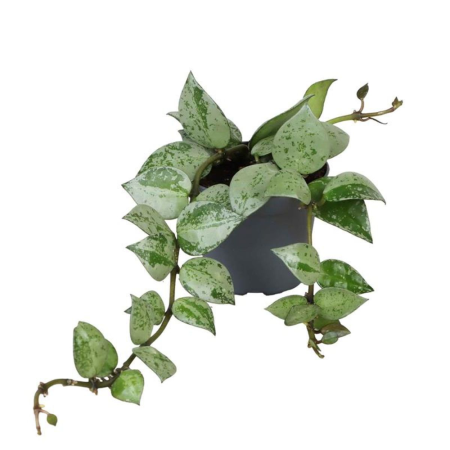
Hoya sigillatis is one of the rarest Hoya species from Borneo, with elongated narrow leaves decorated with spectacular silver splash spots and reddish-brown hues under strong light. Pet-safe trailing epiphytic plant, ideal for collectors.
Approx height (including pot): 10 cm
Flowering state: No flowers
- Description
- Characteristics
- Reviews (0)
- FAQ
🌿 Hoya sigillatis — Wax Plant with Silver Splash and Reddish-Brown Variegated Leaves
Hoya sigillatis is one of the rarest and most sought-after species of Hoya, captivating collectors worldwide with its elongated, narrow leaves and unique variegation pattern. Unlike most Hoya species with rounded or oval leaves, sigillatis develops long, lance-shaped leaves that appear covered with a fine layer of silver dew — a feature known as "splash variegation". Each leaf looks like a miniature painting, with scattered silver petals on a deep green to reddish-brown background, depending on the intensity of light received.
This species was discovered relatively recently and belongs to the group of small Hoyas native to Borneo. It is an epiphytic plant, growing naturally on tree trunks in tropical rainforests, where light filters through the canopy and humidity remains consistently high. In cultivation, Hoya sigillatis develops trailing semi-woody stems that can grow impressively under appropriate conditions, making it ideal for hanging baskets or for support on moss poles. Its cascading appearance makes it a distinctive decorative accent for any collection.
The leaves have a characteristic elongated shape with a pointed tip, measuring between 6 and 12 centimetres in length and approximately 1.5–2.5 centimetres in width. The leaf surface is slightly waxy, typical of the Hoya genus, and displays small silver-white spots or "splashes" that disperse irregularly across the entire blade. Under strong light conditions, leaves develop an intense reddish-brown or chocolate-brown hue, contrasting spectacularly with the silver spots and creating an unforgettable visual effect.
When mature, Hoya sigillatis can produce spherical umbels of small flowers, around 15–25 flowers per inflorescence. The flowers are whitish-yellow or cream in colour, with pink-red inner coronas, and emit a delicate sweet fragrance, especially in the evening. Although flowering requires a mature plant and excellent conditions, the experience of seeing Hoya sigillatis in bloom is one of the most treasured moments for collectors.
🌍 Origin and Botanical History
The species Hoya sigillatis is native to Borneo, more specifically to the tropical rainforests of the states of Sabah and Sarawak in East Malaysia, as well as neighbouring areas of Brunei and Kalimantan (Indonesia). Borneo is one of the most biodiverse islands in the world and hosts dozens of Hoya species, many of which have been discovered and scientifically described only in recent decades. Hoya sigillatis grows in humid habitats, on tree trunks, at medium altitudes, where it enjoys high relative humidity and indirect light filtered through the canopy.
The species was scientifically described by British botanist Paul Forster in 1995, in his work dedicated to new Hoya species from Southeast Asia. The name "sigillatis" comes from the Latin "sigillum" meaning "seal" or "small seal", referring to the characteristic whitish spots that appear on the leaves and give the impression of small seals imprinted on the foliage. This name reflects the most distinctive and appreciated feature of the plant.
The genus Hoya was named in honour of the English botanist Thomas Hoy (1750–1822), gardener to the Duke of Northumberland, who cultivated numerous tropical plants imported to Europe at the end of the 18th century. The genus today contains over 500 described species and many more still under research, being one of the genera with the fastest rate of new species discovery in all of modern botany.
Hoya sigillatis entered specialised cultivation only in the 2000s–2010s, through the efforts of collectors and specialised botanical gardens that brought specimens from Borneo and propagated them vegetatively. The species is currently considered one of the "jewels" of Hoya collections due to its rarity, spectacular appearance, and relative difficulty of propagation. It belongs to the Apocynaceae family, the same that includes oleander, periwinkle, and other ornamental plants.
🌱 Foliage and Unique Appearance
What makes Hoya sigillatis truly special is the combination of its unusual leaf shape and its "splash" variegation pattern. The leaves have an elongated-lanceolate shape, similar to miniature snake tongues, with a slightly waxy and succulent texture. Leaf dimensions vary between 6 and 12 centimetres in length, with a width of only 1.5–2.5 centimetres, making the leaves appear almost linear, very different from the classic round leaves of Hoya carnosa.
Leaf colour is extremely dynamic and varies significantly depending on the intensity of light received. Under moderate light conditions, leaves remain deep green, and the silver spots are clearly visible against the green background. Under strong indirect light conditions, leaves gradually develop a spectacular reddish-brown or chocolate colouration, which contrasts intensely with the silver spots. This phenomenon, called "sun stress", is completely benign for the plant and is actively sought by collectors for its aesthetic effect.
The silver spots, which are the most distinctive feature of the species, are not really pigment spots but small air cavities between the layers of the leaf epidermis that reflect light and give the impression of silver seals. This type of variegation is genetically stable and is preserved throughout the life of the leaf. The distribution of the spots is random, meaning that each leaf has a unique pattern — no two leaves are identical on the same plant.
The stems are semi-woody, thin but sturdy, and grow trailing with nodes at regular intervals. From each node, leaves and occasionally aerial roots develop that help the plant fix itself to supports. Under optimal conditions, Hoya sigillatis can develop stems 50–100 centimetres long, which elegantly cascade from a hanging basket or climb a moss pole. Growth is relatively slow compared to other Hoya species, but this slowness means the plant remains compact and decorative for many years.
✨ Care and Growing Requirements
Hoya sigillatis is a relatively demanding species compared to Hoya carnosa, but not impossible for attentive growers. It is recommended for collectors with some previous experience with Hoya species, but can also be successfully cultivated by enthusiastic beginners who are willing to respect its specific requirements. The key to success is to provide it with strong indirect light, high humidity, and to avoid overwatering which can lead to root rot.
Light is the most important factor for preserving the spectacular leaf colouration. Hoya sigillatis requires strong indirect light, ideally 5–7 hours daily. An east or west-facing window is perfect, and in a south-facing window, protection from direct midday sun must be provided. Without sufficient light, leaves remain green without developing the reddish-brown hues, and the silver spots may lose intensity. With adequate light, colours become vibrant and spectacular.
- Light: Strong indirect, 5–7 hours daily. East/west ideal, south with filter. Never prolonged direct midday sun. May benefit from supplemental grow light in winter.
- Watering: Moderate. Let the top 2–3 cm of substrate dry completely between waterings. Every 5–7 days in summer, 10–14 days in winter. Never leave water in the saucer — roots rot quickly.
- Temperature: 20–28°C during the growing season, minimum 16°C in winter. Does not tolerate cold drafts or temperatures below 12°C. Ideally, constant temperatures throughout the year.
- Humidity: High (55–75%). Appreciates frequent leaf misting or placement near a humidifier. In dry apartments in winter, humidity may need artificial assistance.
- Substrate: Very well-draining, airy. Epiphytic orchid mix combined with perlite, fine pine bark, and a bit of charcoal. Avoid classic houseplant substrate that retains too much water.
- Fertilising: Monthly during the growing season (April–September) with liquid fertiliser for flowering plants diluted to half or quarter strength. Do not fertilise in winter.
- Propagation: Through stem cuttings with 2–3 nodes. Roots appear in 4–8 weeks in moist sphagnum moss or in a mini-greenhouse with high humidity.
Repotting is done rarely, every 2–3 years, in a pot only slightly larger. Hoya sigillatis prefers to be slightly crowded in its pot and does not tolerate frequent root disturbance. When repotting, be gentle with the root system and make sure the new substrate is very well-draining. Ceramic pots with generous drainage holes or orchid baskets are excellent choices for this species.
⭐ Why Choose Hoya sigillatis
Hoya sigillatis is the ideal choice for rare plant collectors looking for something truly unique and spectacular. The combination of unusual leaf shape, spectacular silver variegation pattern, and the ability to change colour depending on light makes this species one of the most sought-after in the modern world of Hoya collectors. It is a plant that immediately draws attention with its unique appearance and quickly becomes the centrepiece of any collection.
An important advantage over many other houseplants is that all Hoya species, including sigillatis, are considered non-toxic to pets according to the ASPCA database. This makes it a safe choice for homes with cats, dogs, or curious small children. You can place it anywhere without worrying that it will be dangerous to your four-legged family members.
Its cascading appearance and trailing stems make it ideal for hanging baskets, high shelves, or for arranging a "living wall" of houseplants. It fits perfectly with modern, boho, or workspace interiors looking for a distinctive natural accent. Its relatively slow growth means it will not quickly become too large, making it perfect for apartments and offices where space is limited.
From Eufloria you receive a healthy, well-rooted specimen, carefully selected for its decorative qualities and well-expressed variegation. Each plant is inspected before delivery and packaged with care to arrive in perfect condition. With a little attention and adequate conditions, Hoya sigillatis will reward your effort with years of unique beauty and, eventually, with the delicate spectacle of its fragrant flowers.
Lungime: 10 cm
Greutate (kg): 0.25 Kg
Denumire: Hoya
Diametru: 6 cm
Cerințe lumină: Partial umbra
Tip plantă: Decorative
Utilizare: Interior
Tip suport: Ghiveci
Material Suport: Plastic
Why do the leaves have a brown-reddish colour?
Is Hoya sigillatis toxic to pets?
How rare is Hoya sigillatis?
How do you propagate Hoya sigillatis?
What light does Hoya sigillatis need?
Ai nevoie și de un ghiveci decorativ?