EN/
EN/ Romana
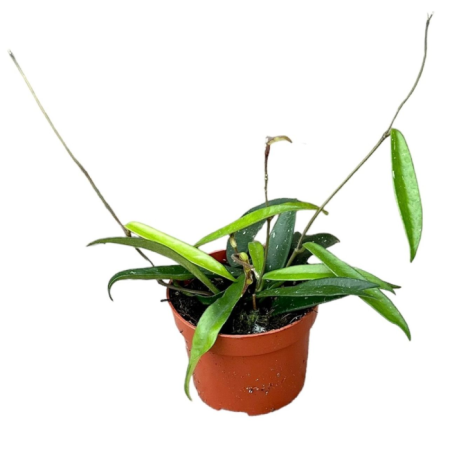
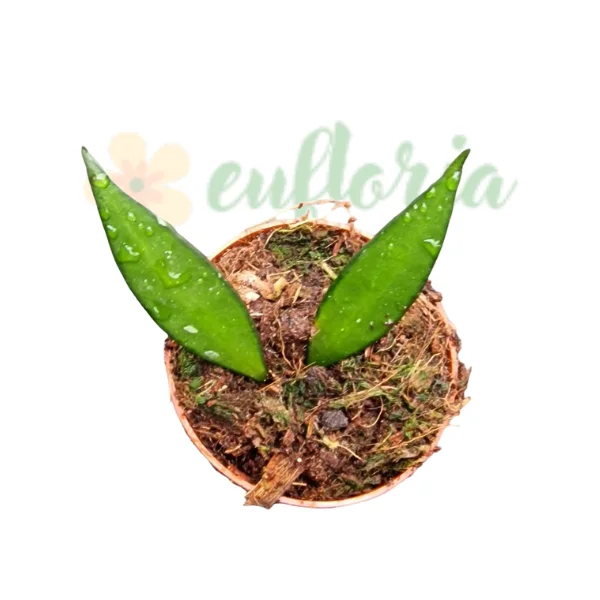
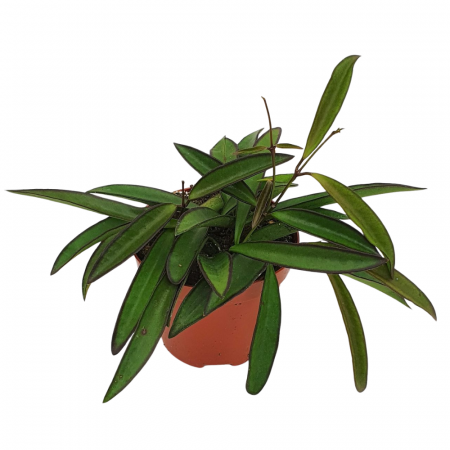
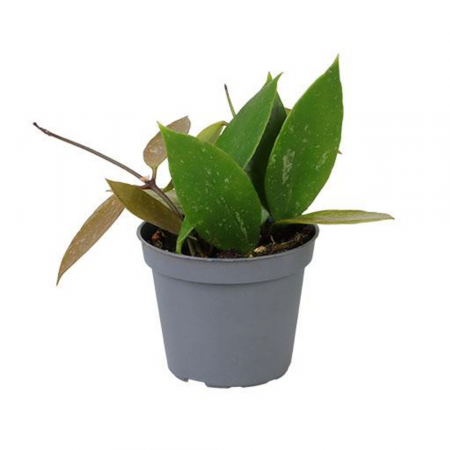
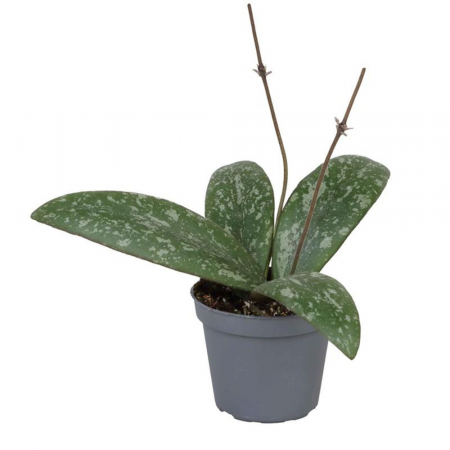
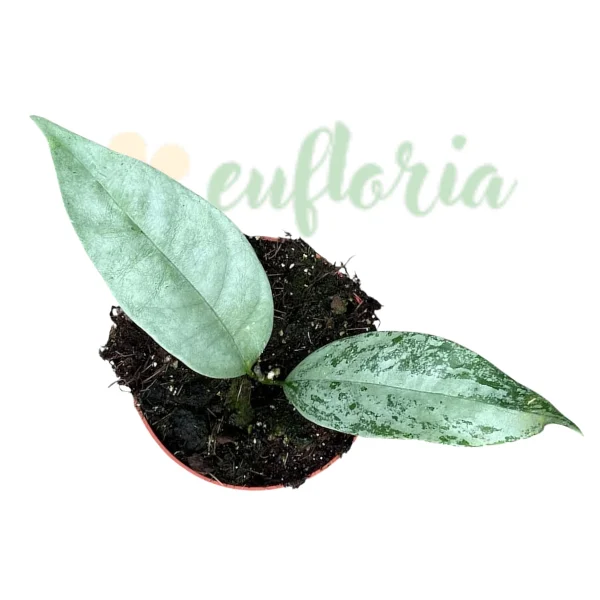
Hoya polyneura 'Broget' (mutation RC) Ø12cm
![Hoya polyneura 'Broget' [0]](https://gomagcdn.ro/domains2/eufloria.ro/files/product/medium/hoya-polyneura-broget-mutation-rc-d7-995857.webp "Hoya polyneura 'Broget' [0]")
![Hoya polyneura 'Broget' [1]](https://gomagcdn.ro/domains2/eufloria.ro/files/product/medium/hoya-polyneura-broget-d7-612122.webp "Hoya polyneura 'Broget' [1]")
![Hoya polyneura 'Broget' [2]](https://gomagcdn.ro/domains2/eufloria.ro/files/product/medium/hoya-polyneura-broget-d7-463100.webp "Hoya polyneura 'Broget' [2]")
![Hoya polyneura 'Broget' [1]](https://gomagcdn.ro/domains2/eufloria.ro/files/product/original/hoya-polyneura-broget-mutation-rc-d7-995857.webp "Hoya polyneura 'Broget' [1]")
![Hoya polyneura 'Broget' [2]](https://gomagcdn.ro/domains2/eufloria.ro/files/product/original/hoya-polyneura-broget-d7-612122.webp "Hoya polyneura 'Broget' [2]")
![Hoya polyneura 'Broget' [3]](https://gomagcdn.ro/domains2/eufloria.ro/files/product/original/hoya-polyneura-broget-d7-463100.webp "Hoya polyneura 'Broget' [3]")
Note: Product images are for guidance only. Due to different batches of imported products, there may be differences between the images on the website and the actual appearance of the products.
Approx height (including pot): 8 cm
Flowering state: No flowers
Country of origin: Netherlands
- Description
- Characteristics
- Reviews (0)
- FAQ
🌿 Hoya polyneura ‘Broget’ (mutation RC) — the variegated fishtail Hoya
Hoya polyneura ‘Broget’ is one of the most fascinating mutations to emerge in the world of collector Hoyas. Starting from the polyneura species — already celebrated for its thin, elongated leaves with prominent veins resembling a fish skeleton — the ‘Broget’ form adds an extra dimension through green-silver variegation that transforms each leaf into a work of natural art. It is the kind of plant that stops the gaze and invites contemplation — a specimen collectors seek with patience and treasure like a botanical jewel.
This RC (Root Cutting) mutation was vegetatively propagated to maintain variegation stability. Each unfurled leaf is unique, with an unpredictable pattern of green, cream and silver that changes with every new leaf. Offered in 12 cm pots, the plant already has a well-developed root system and stems with several nodes, ready to extend and reveal its full ornamental potential.
🌍 Origin and Botanical History
Hoya polyneura was first described by botanist Henry Nicholas Ridley in 1908, based on specimens collected from the Himalayas and montane regions of Southeast Asia. The specific name “polyneura” derives from Greek “poly” (many) and “neuron” (nerve), referring to the multiple parallel veins traversing each leaf — an unusual anatomical detail in the Hoya genus.
The species grows naturally as an epiphyte in tropical montane forests of India (Sikkim, Assam), Nepal, Bhutan, Myanmar, Thailand and Vietnam, at altitudes of 500-2,000 metres. Unlike most Hoyas that prefer tropical warmth, polyneura is adapted to a more temperate climate, tolerating lower nighttime temperatures — a trait that makes it easier to cultivate in European homes.
The ‘Broget’ form appeared as a spontaneous mutation in culture, displaying unstable variegation that creates unique patterns on each leaf. The name “Broget” comes from Danish, meaning “mottled” or “variegated”, likely indicating the Scandinavian origin of the first selection.
🌱 The Foliage
The leaves of Hoya polyneura ‘Broget’ are the most distinctive element. Their shape is lanceolate, elongated, 5-10 cm long and 1.5-3 cm wide, with an elegantly pointed tip. What makes them unique in the Hoya genus are the multiple parallel veins traversing the leaf from base to tip, creating a pattern reminiscent of a fish skeleton — hence the popular name “fishtail Hoya”.
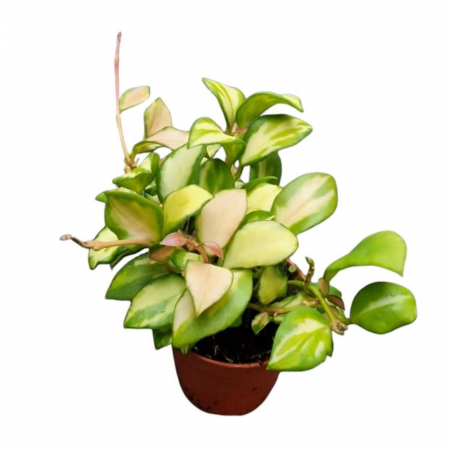
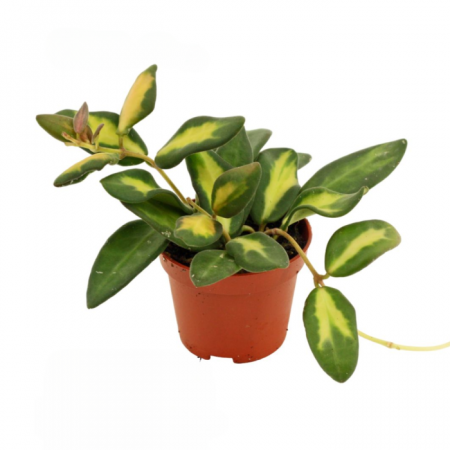
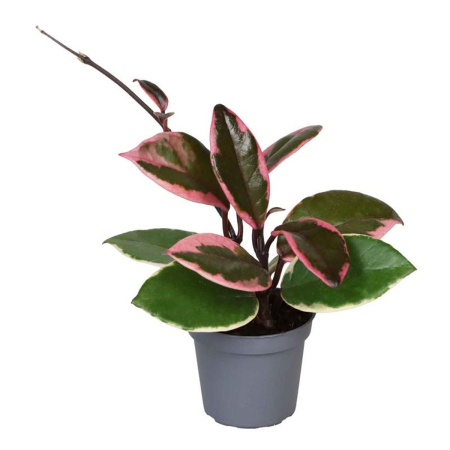
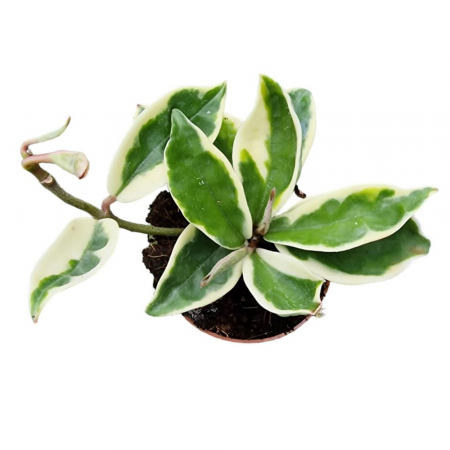
In the ‘Broget’ form, variegation is added to this pattern: zones of dark green alternate with sectors of cream-silver and yellow-green, in an unpredictable mosaic that varies from leaf to leaf. Some leaves may be almost entirely silver, others predominantly green with just a few variegated stripes. The texture is thinner than most Hoyas, slightly translucent, allowing light to pass through and highlight the veins like a vegetal stained-glass window.
New leaves unfurl with a pink-bronze tint that gradually transforms into the definitive green and silver. To the touch, the leaves have a firm but flexible consistency with a smooth, slightly glossy surface.
🌸 The Flowers
The flowers of Hoya polyneura are delicate and elegant, harmonising perfectly with the refined foliage. Umbels contain 10-15 small flowers, approximately 1 cm in diameter, white with a pink-mauve centre. The petal texture is slightly fuzzy, with slightly reflexed margins, giving them a miniature star appearance.
The fragrance is subtle but pleasant, with delicate floral notes that intensify slightly in the evening. Peduncles are permanent and should never be cut. The flowering period is spring to summer, and a winter cooling period (15-18°C) stimulates flower bud formation. Flowering can occur on relatively young plants compared to other Hoya species.
🌱 Growth Habit and Development
Hoya polyneura ‘Broget’ has a semi-trailing habit, with thin, flexible stems that extend elegantly. Growth rate is moderate, slightly slower than the green form due to variegation reducing photosynthetic efficiency. The plant develops best on a light support or in a hanging basket where stems can cascade gracefully.
Unlike many other Hoyas, polyneura prefers more moderate temperatures and does not tolerate excessive heat. It is one of the few Hoyas that thrives in cooler rooms.
Care requirements:
- Light: Bright, indirect light. Avoid direct sun which can burn variegated leaves. East or north-east window is ideal.
- Temperature: Optimal 16-25°C. Tolerates minimum 10°C. Avoid temperatures above 30°C — polyneura prefers coolness compared to other Hoyas.
- Watering: Moderate — allow substrate to dry slightly between waterings. The thin leaves retain less water than other Hoyas, so do not let it dry out completely.
- Humidity: 50-70%. Appreciates higher humidity more than other Hoyas. A humidifier is recommended.
- Substrate: Very airy mix: pine bark, perlite, sphagnum moss in equal proportions. Excellent drainage is crucial.
- Fertilisation: Liquid fertiliser diluted to half strength, every 2-3 weeks during the growing season.
- Propagation: By stem cuttings. Variegation is transmitted vegetatively, but intensity may vary between clones.
Lungime: 10 cm
Greutate (kg): 0.25 Kg
Denumire: Hoya
Diametru: 7 cm
Cerințe lumină: Partial umbra
Tip plantă: Decorative
Utilizare: Interior
Tip suport: Ghiveci
Material Suport: Plastic
Why is Hoya polyneura called the 'fishtail Hoya'?
Hoya polyneura is nicknamed the “fishtail Hoya” due to the multiple parallel veins traversing each leaf, creating a pattern that looks exactly like a fish skeleton. This anatomical feature is unique in the Hoya genus and makes the plant instantly recognisable.
What does 'Broget' mean and what is the RC mutation?
“Broget” is a Danish word meaning “mottled” or “variegated”, indicating the Scandinavian origin of this selection. “RC” stands for “Root Cutting” — meaning the plant was vegetatively propagated from rooted cuttings, thus maintaining variegation stability.
Is Hoya polyneura 'Broget' toxic to pets?
No, Hoya polyneura ‘Broget’ is non-toxic to cats, dogs and humans. The Hoya genus is considered safe.
What temperature does Hoya polyneura prefer?
Hoya polyneura prefers moderate temperatures of 16-25°C, lower than most tropical Hoyas. It does not tolerate heat above 30°C well. Winter cooling to 15-18°C stimulates flowering. Ideal for cooler rooms.
Recommendations
Ai nevoie și de un ghiveci decorativ?