EN/
EN/ Romana
Hoya 'Lai Chau' Ø8cm
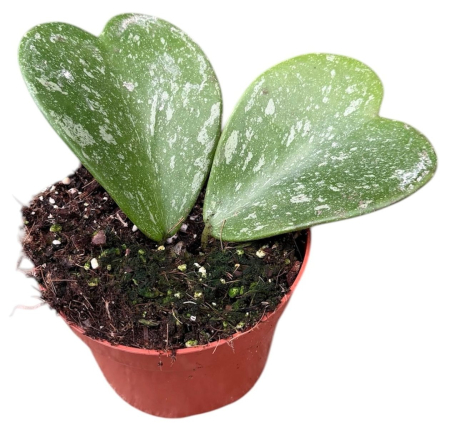
![Hoya Lai Chau - rare Vietnamese species with thick waxy deep green leaves [0]](https://gomagcdn.ro/domains2/eufloria.ro/files/product/medium/hoya-lai-chau-d8cm-782636.png "Hoya Lai Chau - rare Vietnamese species with thick waxy deep green leaves [0]")
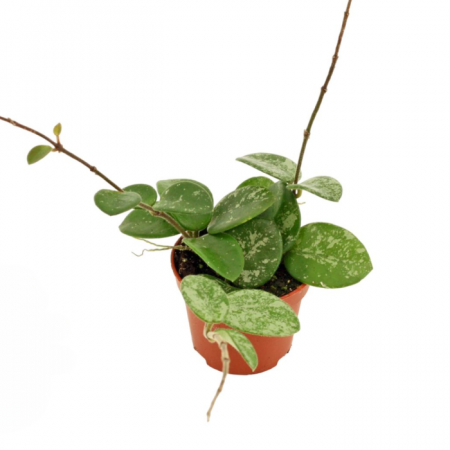
![Hoya Lai Chau - rare Vietnamese species with thick waxy deep green leaves [1]](https://gomagcdn.ro/domains2/eufloria.ro/files/product/medium/hoya-lai-chau-d8cm-126219.png "Hoya Lai Chau - rare Vietnamese species with thick waxy deep green leaves [1]")
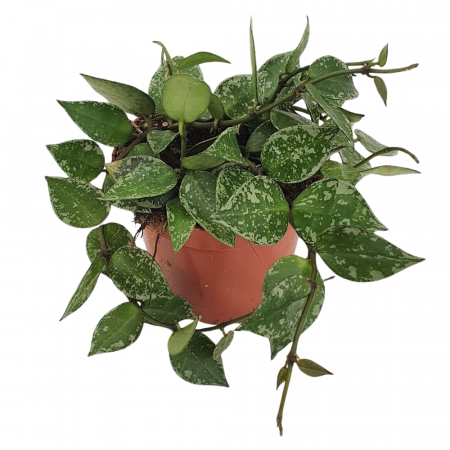
![Hoya Lai Chau - rare Vietnamese species with thick waxy deep green leaves [2]](https://gomagcdn.ro/domains2/eufloria.ro/files/product/medium/hoya-lai-chau-d8cm-920863.png "Hoya Lai Chau - rare Vietnamese species with thick waxy deep green leaves [2]")
![Hoya Lai Chau - rare Vietnamese species with thick waxy deep green leaves [1]](https://gomagcdn.ro/domains2/eufloria.ro/files/product/original/hoya-lai-chau-d8cm-782636.png "Hoya Lai Chau - rare Vietnamese species with thick waxy deep green leaves [1]")
![Hoya Lai Chau - rare Vietnamese species with thick waxy deep green leaves [2]](https://gomagcdn.ro/domains2/eufloria.ro/files/product/original/hoya-lai-chau-d8cm-126219.png "Hoya Lai Chau - rare Vietnamese species with thick waxy deep green leaves [2]")
![Hoya Lai Chau - rare Vietnamese species with thick waxy deep green leaves [3]](https://gomagcdn.ro/domains2/eufloria.ro/files/product/original/hoya-lai-chau-d8cm-920863.png "Hoya Lai Chau - rare Vietnamese species with thick waxy deep green leaves [3]")
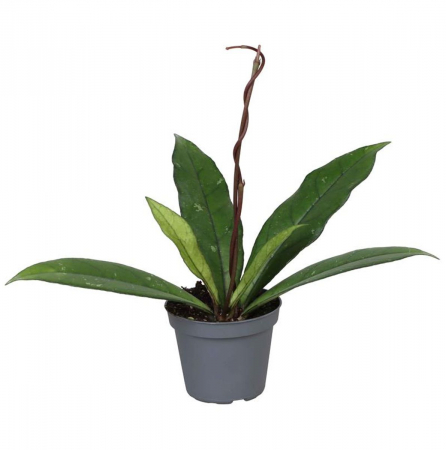
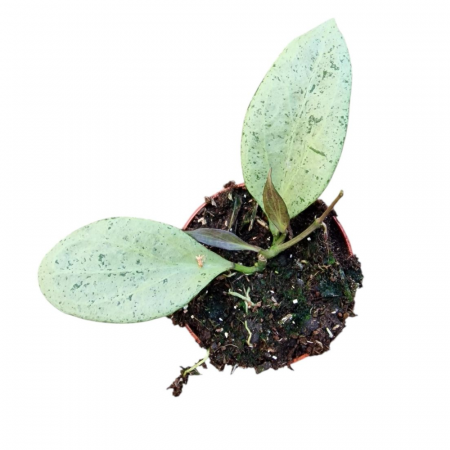
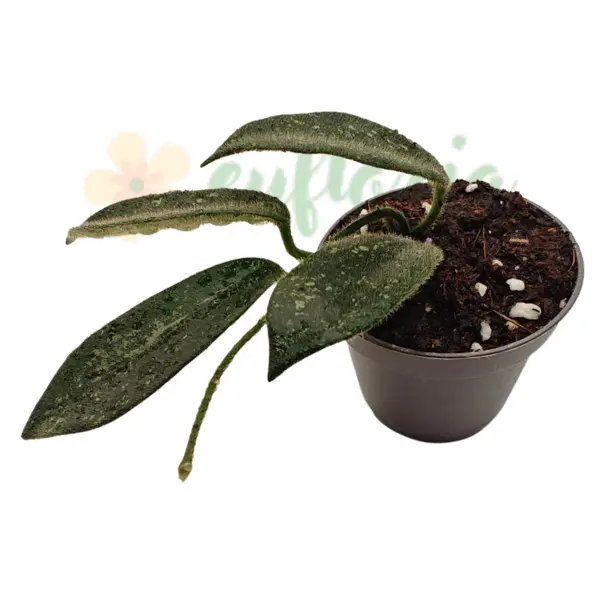
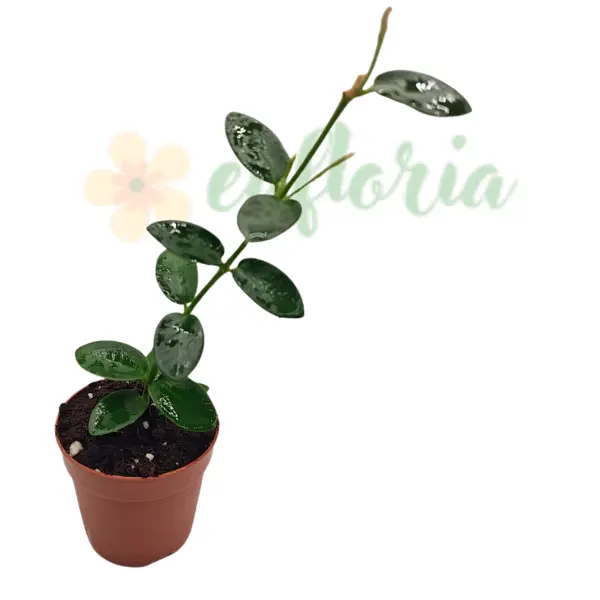
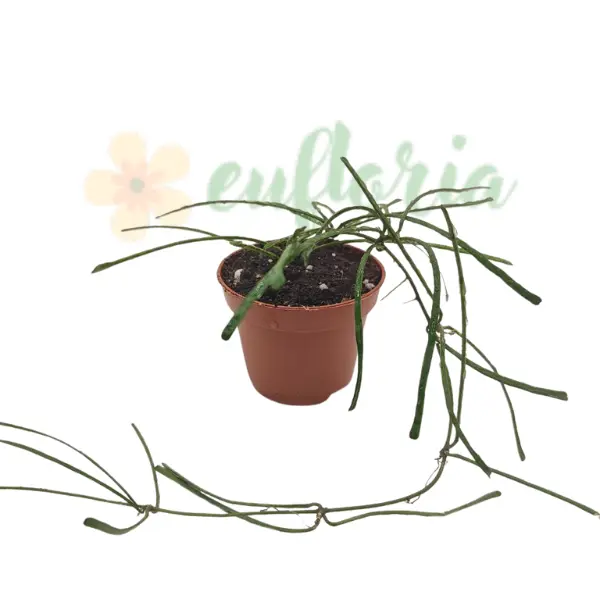
Hoya 'Lai Chau' is a rare Hoya species from the Apocynaceae family, discovered in Lai Châu province, northwestern Vietnam. Distinguished by thick, waxy, elegantly deep green leaves. Resilient and adaptable, tolerating lower temperatures due to its montane origin. Ideal for collectors.
Approx height (including pot): 15 cm
Flowering state: No flowers
Pot diameter: 8 cm
- Description
- Characteristics
- Reviews (0)
- FAQ
🌿 The Green Treasure from Vietnam's Mountains
Hoya 'Lai Chau' is a fascinating species from the Hoya genus, discovered in the Lai Châu province of northwestern Vietnam, a mountainous region of extraordinary biodiversity and spectacular landscapes. This epiphytic plant from the Apocynaceae family carries in its name the story of its place of origin — an area where tropical montane forests still conceal countless species undescribed by science.
What makes Hoya 'Lai Chau' particularly attractive to collectors is the combination of its decorative foliage — thick, waxy leaves with an elegant shape and a pleasant texture — and its exotic origin from a botanically underexplored region. Each specimen is a window into the Vietnamese montane forests, a living reminder of the incredible diversity that nature holds in these remote corners of the world.
As a houseplant, Hoya 'Lai Chau' offers a rare balance between exotic beauty and resilience in cultivation. Its surprising adaptability to apartment conditions, combined with the spectacular appearance of its foliage, makes it an excellent choice for both experienced collectors and those beginning their journey into the world of rare plants.
🌍 Origin and Botanical History
Hoya 'Lai Chau' originates from Lai Châu province, situated in the extreme northwest of Vietnam, bordering China and Laos. This region is dominated by the Hoang Lien Son mountains, with peaks exceeding 3,000 metres altitude, and shelters tropical montane forests of exceptional biodiversity. The climate is subtropical montane, with cool winters and warm, humid summers.
The genus Hoya was established by Robert Brown in 1810, in honour of Thomas Hoy (1750–1822), gardener at Syon House. With over 500 described species and many others still unidentified, Hoya is one of the most diverse genera of tropical epiphytic plants. Vietnam, especially the northern mountain regions, is a biodiversity hotspot for the Hoya genus, with new species discovered regularly in recent decades.
In its natural habitat, Hoya 'Lai Chau' grows as an epiphyte on tree trunks and branches in montane forests, at altitudes ranging from 500 to 1,500 metres. This montane origin confers better tolerance to lower temperatures compared to Hoya species from tropical lowland areas.
🌱 The Foliage
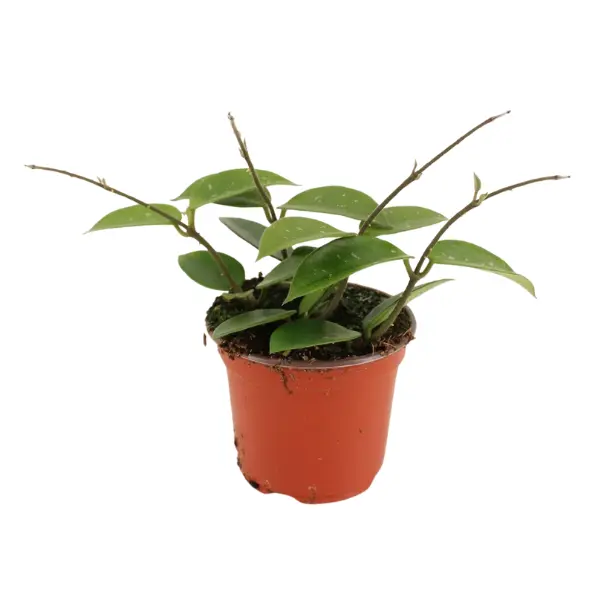
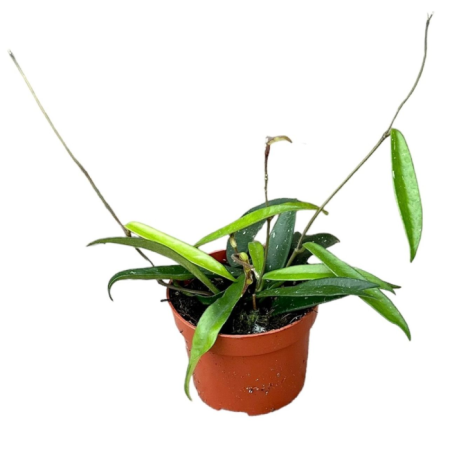
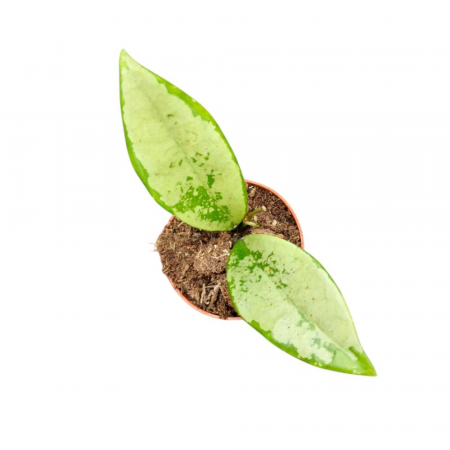
The leaves of Hoya 'Lai Chau' possess a discreet yet captivating beauty. Each leaf has an oval-elliptical shape, measuring approximately 5-9 cm in length and 3-5 cm in width. The texture is thick, fleshy, with a waxy surface imparting a natural, elegant sheen. The dominant colour is rich, deep green, with slightly lighter veins visible on both leaf surfaces.
In some specimens, leaves may display a subtle silvering or faint lighter spots that add visual depth. Margins are entire and slightly undulate, and the leaf tip is pointed, lending each leaf an elegant silhouette. New leaves emerge in lighter green shades, sometimes with a slightly bronzed tint, becoming darker as they mature.
The succulent texture is an adaptation to epiphytic growing conditions, allowing the plant to store water for drier periods. This characteristic makes the plant resistant to short periods of watering neglect, an advantage appreciated by growers with busy schedules.
🌸 The Flowers
Hoya 'Lai Chau' produces the typical Hoya inflorescences — spherical umbels of small, waxy, porcelain-like flowers. The flowers are arranged in compact groups on slender peduncles, each flower forming a five-pointed star with thick, glossy petals. Colours range from creamy white to pale pink, with a deeper centre creating a delicate contrast.
The fragrance is sweet and pleasant, with floral notes intensifying in the evening when the plant attracts nocturnal pollinators. Nectar is visible as glossy droplets on the petal surface. As with all Hoya species, flower peduncles are permanent and should not be cut — the plant will reflower on the same peduncles in subsequent seasons.
Flowering in cultivation requires sufficient maturity (2-3 years from rooting), strong indirect light, and a watering regime allowing partial substrate drying between waterings.
🌱 Growth Habit and Development
Hoya 'Lai Chau' has a climbing-twining growth habit with flexible branches that can be trained on support or left to cascade. Growth is moderate, with new leaves appearing regularly during the warm season. Its montane origin confers particular robustness and better tolerance to lower temperatures compared to purely tropical Hoya species.
- Light: Bright, indirect light. East or west-facing window ideal. Tolerates a few hours of morning sun. Insufficient light slows growth and reduces flowering potential.
- Temperature: 16-28°C optimal, minimum 10°C. Due to montane origin, tolerates lower temperatures than most Hoya species. Ideal winter range 15-18°C.
- Watering: Allow substrate to partially dry between waterings. Fleshy leaves store water efficiently. Avoid overwatering which causes root rot.
- Humidity: 50-70% ideal. More tolerant of lower humidity than many Hoya due to montane origin, but benefits from higher humidity.
- Substrate: Well-draining mix: 40% perlite, 30% pine bark, 20% coconut coir, 10% activated charcoal.
- Fertilisation: Balanced liquid fertiliser diluted to half strength, once monthly during growth season (April-September).
- Propagation: Through stem cuttings with 2-3 nodes, in water or perlite-sphagnum. Optimal period: spring-summer. Rooting takes 3-6 weeks.
Lungime: 8 cm
Greutate (kg): 0.25 Kg
Denumire: Hoya
Diametru: 8 cm
Cerințe lumină: Strong, indirect light
Tip plantă: Decorative
Utilizare: Interior
Tip suport: Ghiveci
Material Suport: Plastic
Where does Hoya 'Lai Chau' come from and why is it so rare?
What light does Hoya 'Lai Chau' prefer?
How do you water Hoya 'Lai Chau' correctly?
Is Hoya 'Lai Chau' safe for pets?
What humidity does Hoya 'Lai Chau' need?
How do you care for Hoya?
Does Hoya bloom indoors?
How do you propagate Hoya?
What type of plant is Hoya Lai Chau?
What light conditions does Hoya Lai Chau prefer?
How should I water Hoya Lai Chau?
Is Hoya Lai Chau toxic to pets?
How does Hoya Lai Chau bloom?
Ai nevoie și de un ghiveci decorativ?