EN/
EN/ Romana
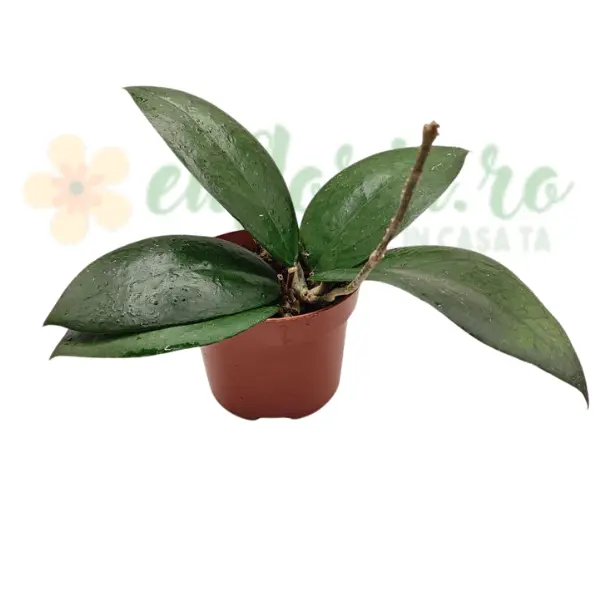
Hoya lacunosa variegata Ø7cm
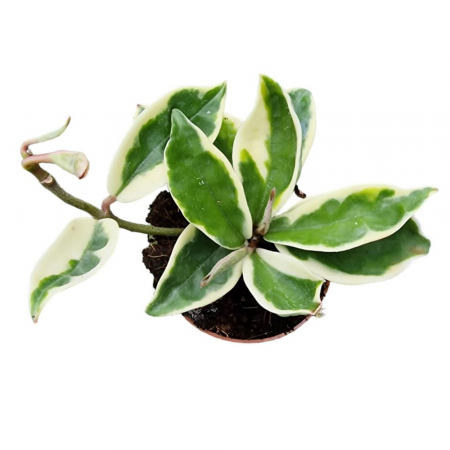
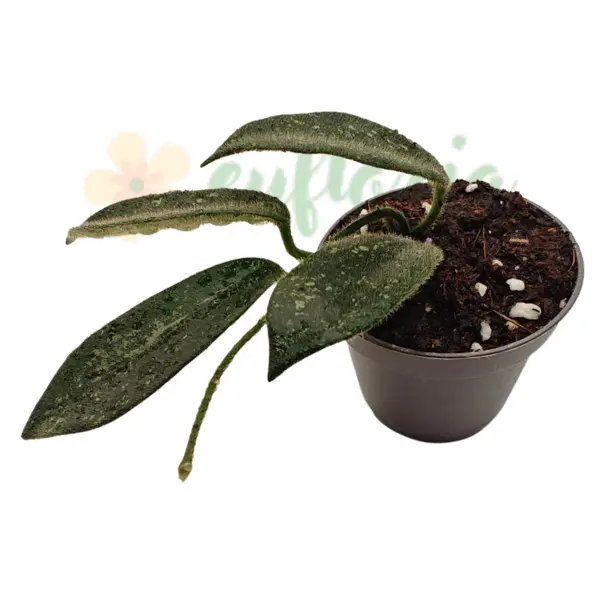
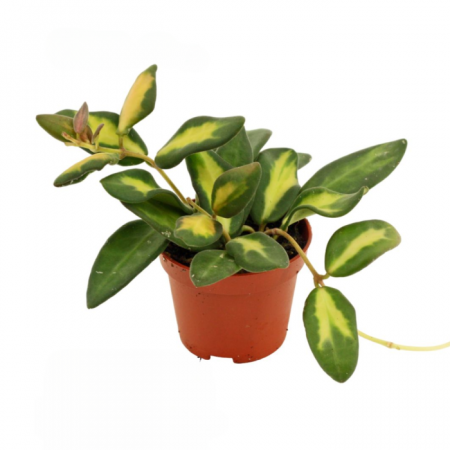
![Hoya lacunosa variegata plant with variegated green cream and pink leaves in pot [0]](https://gomagcdn.ro/domains2/eufloria.ro/files/product/medium/hoya-lacunosa-leopard-skin-d7-626641.webp "Hoya lacunosa variegata plant with variegated green cream and pink leaves in pot [0]")
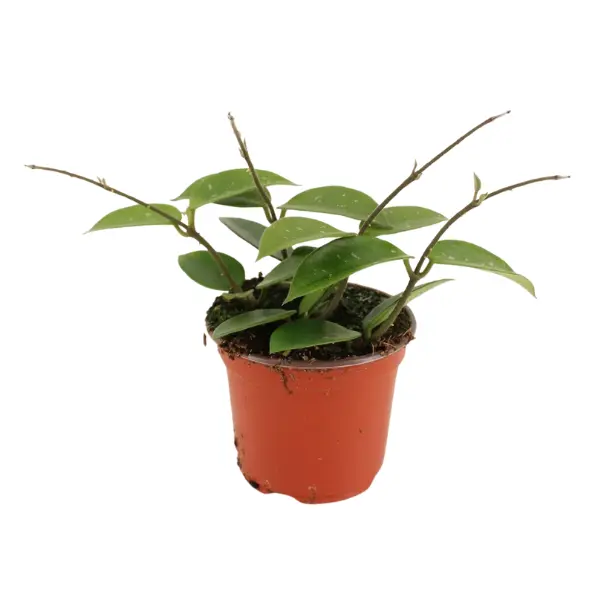
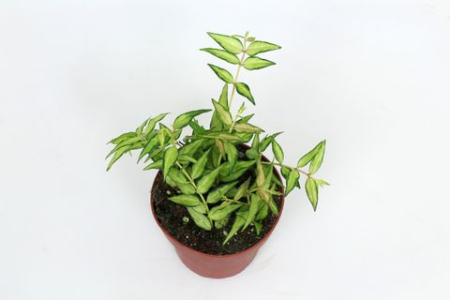
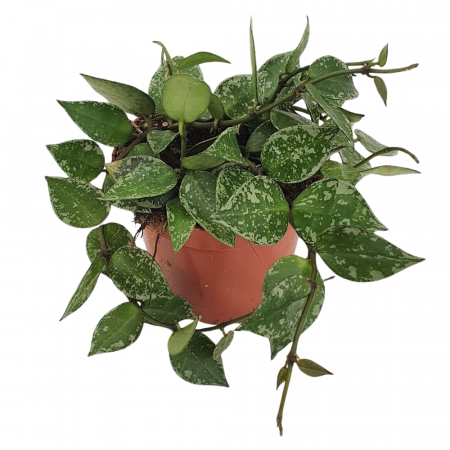
![Hoya lacunosa variegata plant with variegated green cream and pink leaves in pot [1]](https://gomagcdn.ro/domains2/eufloria.ro/files/product/medium/hoya-lacunosa-leopard-skin-d7-038888.webp "Hoya lacunosa variegata plant with variegated green cream and pink leaves in pot [1]")
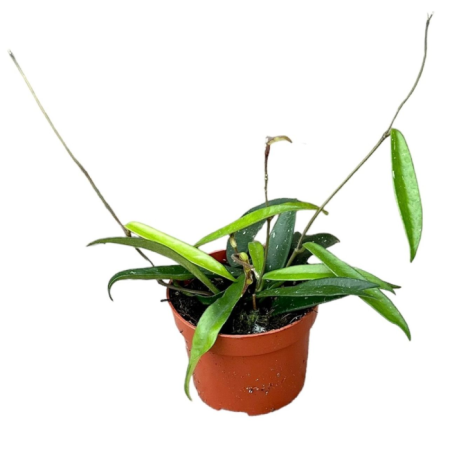
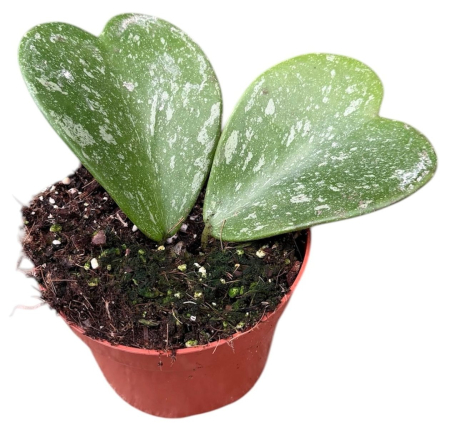
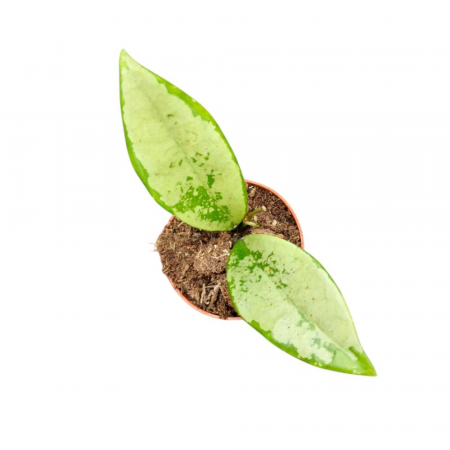
![Hoya lacunosa variegata plant with variegated green cream and pink leaves in pot [2]](https://gomagcdn.ro/domains2/eufloria.ro/files/product/medium/hoya-lacunosa-leopard-skin-d7-291599.webp "Hoya lacunosa variegata plant with variegated green cream and pink leaves in pot [2]")
![Hoya lacunosa variegata plant with variegated green cream and pink leaves in pot [1]](https://gomagcdn.ro/domains2/eufloria.ro/files/product/original/hoya-lacunosa-leopard-skin-d7-626641.webp "Hoya lacunosa variegata plant with variegated green cream and pink leaves in pot [1]")
![Hoya lacunosa variegata plant with variegated green cream and pink leaves in pot [2]](https://gomagcdn.ro/domains2/eufloria.ro/files/product/original/hoya-lacunosa-leopard-skin-d7-038888.webp "Hoya lacunosa variegata plant with variegated green cream and pink leaves in pot [2]")
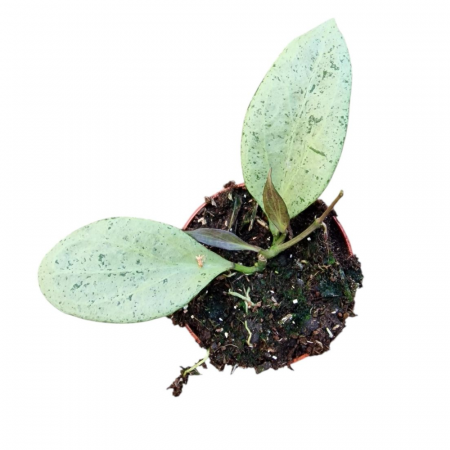
![Hoya lacunosa variegata plant with variegated green cream and pink leaves in pot [3]](https://gomagcdn.ro/domains2/eufloria.ro/files/product/original/hoya-lacunosa-leopard-skin-d7-291599.webp "Hoya lacunosa variegata plant with variegated green cream and pink leaves in pot [3]")
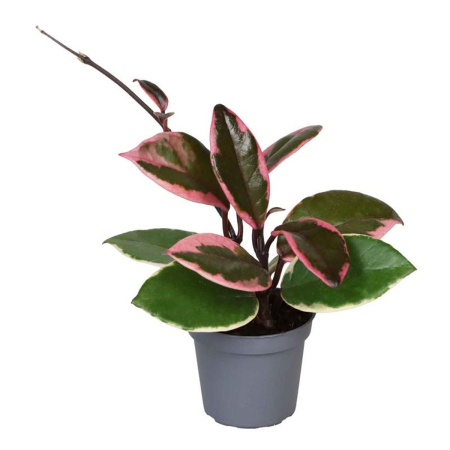
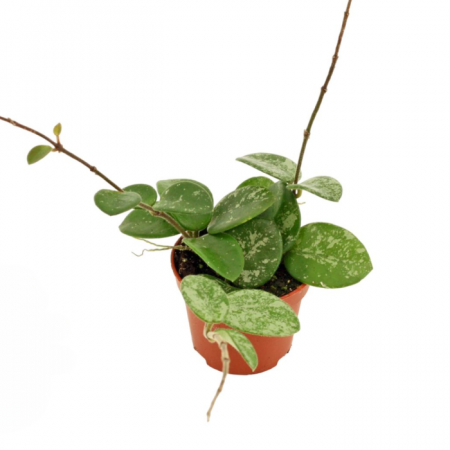
Hoya lacunosa variegata is a tropical plant featuring striking variegated leaves in green, cream, and pink, prized for its white flowers with an intense nocturnal fragrance. Perfect for hanging pots and rare plant collections.
Approx height (including pot): 15 cm
Flowering state: No flowers
Pot diameter: 7 cm
- Description
- Characteristics
- Reviews (0)
- FAQ
🌿 Hoya lacunosa variegata — Variegated leaves and fragrant white flowers
Hoya lacunosa variegata is a particularly prized variant of the Hoya lacunosa species, recognized for its variegated leaves in shades of green, cream, and pale pink that create a unique chromatic display in the world of indoor plants. Native to the tropical forests of Southeast Asia, this epiphytic plant combines ornamental beauty with the enchanting fragrance of its white flowers, which perfume the air especially during summer evenings.
The variegation of this plant is truly mesmerizing. Each leaf is a small natural painting, with areas of dark green that interweave harmoniously with sectors of golden cream and occasionally delicate pink. No two leaves are perfectly alike, offering collectors a plant that is always surprising, visually transforming as it grows and develops new leaves with unique variegation patterns.
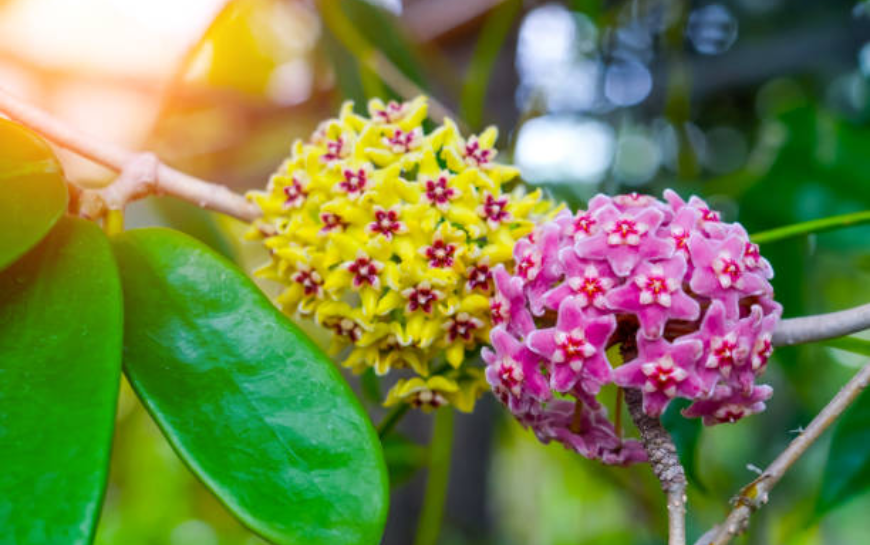
The flowers of Hoya lacunosa variegata are another highlight that distinguishes it from many other houseplants. Grouped in compact spherical inflorescences, the waxy white flowers emit a sweet, intense fragrance, predominantly nocturnal, reminiscent of jasmine or milk chocolate. This olfactory trait makes the plant not just a remarkable visual presence, but also a complex sensory experience that delights the senses and transforms any room into a relaxing and aromatic space.
The trailing habit of the plant is extremely graceful. The thin, flexible stems extend progressively, creating a cascade of colorful leaves that looks spectacular in a hanging pot or on a tall shelf from which they can trail freely. Growth is moderate but constant, and with patience and proper care, the plant develops an impressive vegetative mass that becomes the focal point in any interior arrangement.
🌟 Complete care guide
Light plays a crucial role in maintaining leaf variegation. Hoya lacunosa variegata requires bright indirect light to preserve its vivid chromatic contrasts. Insufficient light exposure will cause the plant to produce predominantly green leaves, gradually losing the variegation that makes it so special. Position the plant near an east or west-facing window, where it will receive a few hours of morning or afternoon sun without being exposed to intense direct rays that could burn the delicate leaves.
Watering should be done with care, allowing the substrate to partially dry between waterings. Check the first 2–3 centimeters of soil — if dry, it is time to water. During the warm season, frequency is usually once a week, while in winter it reduces to once every 10–14 days. Excess water is the greatest danger, potentially causing root rot. Use room-temperature water, preferably filtered or settled, to avoid chlorine and lime buildup in the substrate.
Temperature optimally ranges between 18°C and 27°C. Hoya lacunosa variegata cannot tolerate temperatures below 10°C and must be protected from cold drafts. A difference of 3–5 degrees between day and night can stimulate flowering. Ideal ambient humidity ranges between 50% and 70%, though the plant adapts surprisingly well to lower humidity levels typical of modern homes. For best results, mist the leaves two to three times a week or use an air humidifier.
Substrate should be very well-draining, aerated, and slightly acidic. An equal-parts mix of fine pine bark, perlite, sphagnum, and activated charcoal creates the ideal medium for epiphytic roots. The pot must have generous drainage holes, and a pot slightly smaller than you might think necessary is actually preferred — cramped roots stimulate flowering. Repotting is done in spring, every 2–3 years.
🌺 Propagation and multiplication
Hoya lacunosa variegata is most easily propagated through stem cuttings. Select a healthy stem portion with at least 2–3 nodes and several variegated leaves, then place it in a moist mix of perlite and sphagnum or in clean water. New roots appear within 2–4 weeks at a constant temperature above 20°C. It is important to choose cuttings with pronounced variegation, as completely green portions will produce plants without variegation.
Propagation through air layering is an alternative with a high success rate. Wrap a node with moist sphagnum moss covered in transparent film, maintaining constant humidity. Roots form within 3–5 weeks, after which the section can be separated and planted individually. This method is particularly effective for specimens with strong variegation that you do not want to stress through direct cutting.
Fertilization is carried out during the active growth period, from April to September, with a balanced liquid fertilizer (NPK 10-10-10) at half the concentration indicated on the package, every two weeks. To stimulate flowering, alternate with a phosphorus-rich fertilizer once a month. In winter, suspend fertilization entirely, allowing the plant to rest and prepare for a new season of vigorous growth.
Pruning is rarely necessary, but you may intervene to remove dried or damaged stems. It is essential to never cut the flower peduncles after flowering, as they will produce new flowers in subsequent seasons. Each peduncle is a long-term investment that brings olfactory and visual rewards year after year.
🌍 Origin and botanical characteristics
Hoya lacunosa is a species native to Southeast Asia, widespread across Malaysia, Indonesia, Thailand, and the Philippines. The variegated form is a natural mutation that has been selected and propagated by specialist growers for its exceptional chromatic patterns. The name "lacunosa" comes from Latin and refers to small depressions or lacunae visible on the leaf surface, a distinctive morphological characteristic of the species.
Taxonomically, it belongs to the family Apocynaceae, subfamily Asclepiadoideae. In its natural habitat, it grows as an epiphyte in the canopy of humid tropical forests, at altitudes up to 2000 meters. This adaptation to life atop trees explains the plant's preference for an aerated, lightweight, and well-draining substrate that mimics the accumulation of natural matter in tree hollows and branch forks.
Variegated leaves have a fascinating structure at the cellular level. The cream and white areas lack chlorophyll, meaning they cannot photosynthesize. Therefore, the green zones must compensate energy production for the entire leaf, which is why variegated plants grow more slowly than fully green forms and require more light to thrive. This biological peculiarity makes each variegated specimen a small miracle of nature.
✨ Why choose Hoya lacunosa variegata
Hoya lacunosa variegata combines everything you could wish for in a houseplant: spectacular colorful leaves, fragrant flowers, and accessible care. It is one of the few plants that simultaneously offers visual attraction through variegation and an olfactory experience through its incredibly fragrant flowers. Compared to many other variegated plants, Hoya lacunosa variegata is surprisingly robust and tolerant.
Its compact dimensions and trailing habit make it versatile in any type of arrangement. It looks wonderful in a hanging pot, on a plant shelf, on a window ledge, or guided along a vertical support. Its moderate growth means it will not quickly outgrow its allocated space, remaining compact and elegant for years.
This plant also makes an exceptional gift for plant lovers. Its unique appearance, combined with the fragrance of its flowers and ease of care, make it a memorable present that will bring joy for years. Each specimen is unique due to its unpredictable variegation patterns, which gives it a special sentimental value.
By ordering from Eufloria, you receive a healthy, well-rooted plant with pronounced variegation, acclimated to indoor conditions. Each specimen is carefully inspected and professionally packaged to arrive in perfect condition, ready to beautify your home with its colorful leaves and fragrant flowers.
📚 Related blog articles
Lungime: 15 cm
Greutate (kg): 0.25 Kg
Denumire: Hoya
Diametru: 7 cm
Cerințe lumină: Partial umbra
Tip plantă: Decorative
Utilizare: Interior
Tip suport: Ghiveci
Material Suport: Plastic
What does Hoya lacunosa variegata smell like when blooming?
How quickly does Hoya lacunosa variegata bloom?
Does the variegation stay over time?
Is Hoya lacunosa variegata suitable for beginners?
Can I keep Hoya lacunosa variegata as a hanging plant?
Ai nevoie și de un ghiveci decorativ?