EN/
EN/ Romana
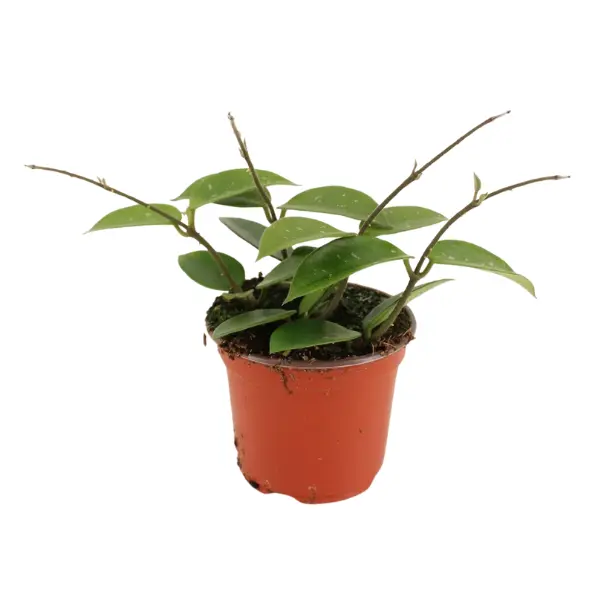
Hoya thomsonii Ø6cm
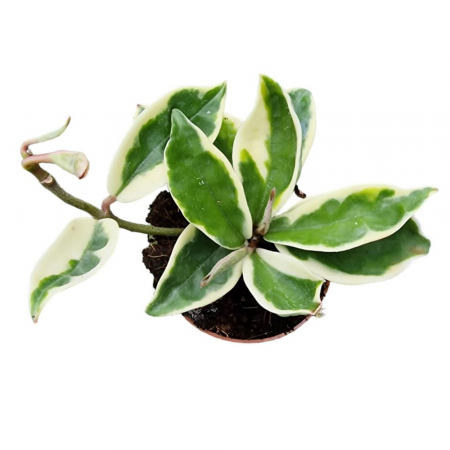
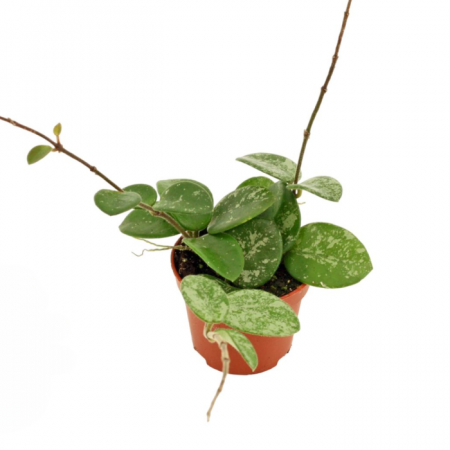
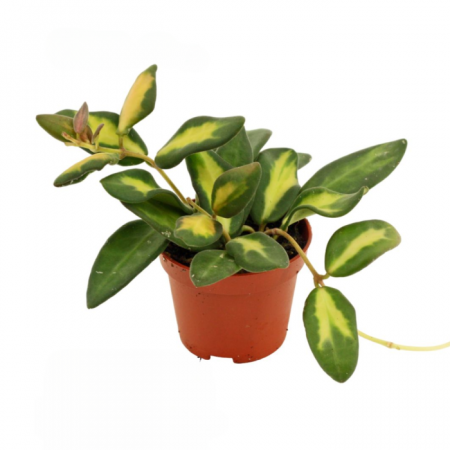
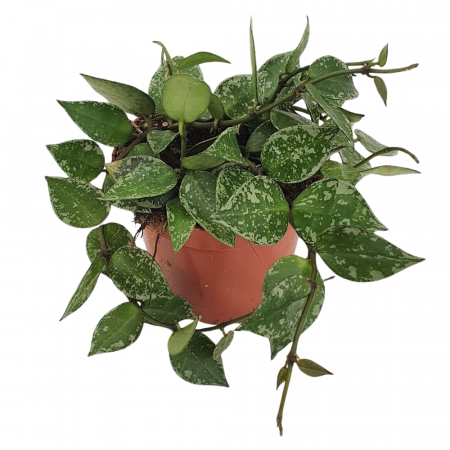
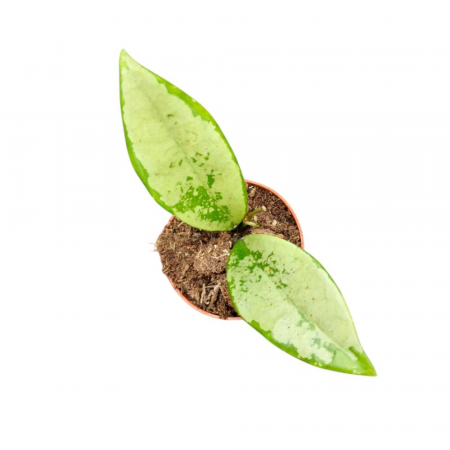
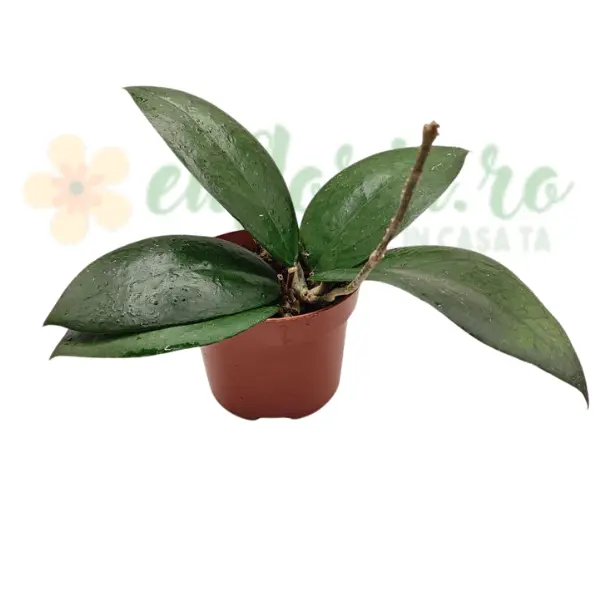
![Hoya thomsonii with thick velvety green leaves covered in fine hairs, rare Himalayan Hoya species [0]](https://gomagcdn.ro/domains2/eufloria.ro/files/product/medium/hoya-thomsonii-d6-d12-555912.webp "Hoya thomsonii with thick velvety green leaves covered in fine hairs, rare Himalayan Hoya species [0]")
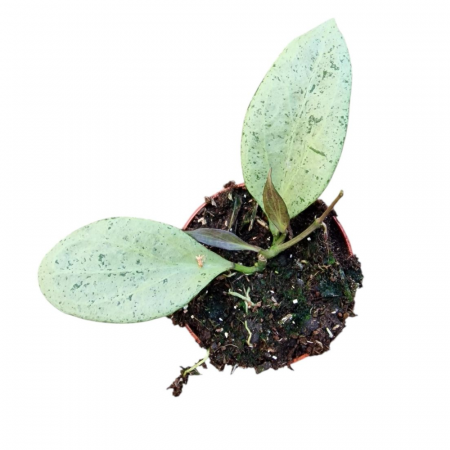
![Hoya thomsonii with thick velvety green leaves covered in fine hairs, rare Himalayan Hoya species [1]](https://gomagcdn.ro/domains2/eufloria.ro/files/product/medium/hoya-thomsonii-d6-d12-049257.webp "Hoya thomsonii with thick velvety green leaves covered in fine hairs, rare Himalayan Hoya species [1]")
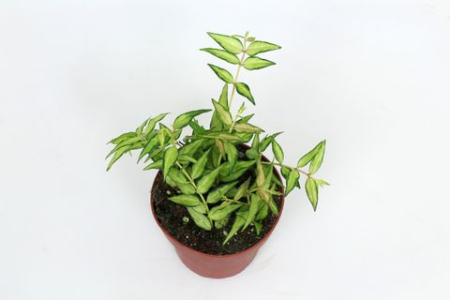
![Hoya thomsonii with thick velvety green leaves covered in fine hairs, rare Himalayan Hoya species [2]](https://gomagcdn.ro/domains2/eufloria.ro/files/product/medium/hoya-thomsonii-d6-d12-994046.webp "Hoya thomsonii with thick velvety green leaves covered in fine hairs, rare Himalayan Hoya species [2]")
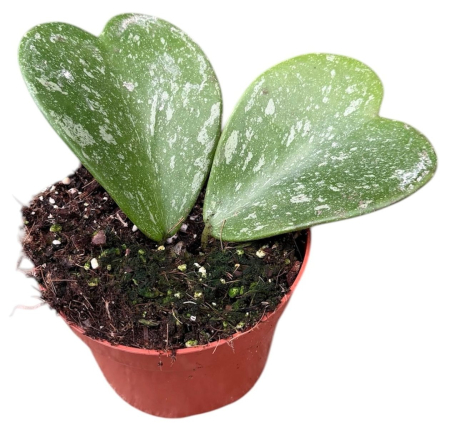
![Hoya thomsonii with thick velvety green leaves covered in fine hairs, rare Himalayan Hoya species [3]](https://gomagcdn.ro/domains2/eufloria.ro/files/product/medium/hoya-thomsonii-d12-085544.png "Hoya thomsonii with thick velvety green leaves covered in fine hairs, rare Himalayan Hoya species [3]")
![Hoya thomsonii with thick velvety green leaves covered in fine hairs, rare Himalayan Hoya species [1]](https://gomagcdn.ro/domains2/eufloria.ro/files/product/original/hoya-thomsonii-d6-d12-555912.webp "Hoya thomsonii with thick velvety green leaves covered in fine hairs, rare Himalayan Hoya species [1]")
![Hoya thomsonii with thick velvety green leaves covered in fine hairs, rare Himalayan Hoya species [2]](https://gomagcdn.ro/domains2/eufloria.ro/files/product/original/hoya-thomsonii-d6-d12-049257.webp "Hoya thomsonii with thick velvety green leaves covered in fine hairs, rare Himalayan Hoya species [2]")
![Hoya thomsonii with thick velvety green leaves covered in fine hairs, rare Himalayan Hoya species [3]](https://gomagcdn.ro/domains2/eufloria.ro/files/product/original/hoya-thomsonii-d6-d12-994046.webp "Hoya thomsonii with thick velvety green leaves covered in fine hairs, rare Himalayan Hoya species [3]")
![Hoya thomsonii with thick velvety green leaves covered in fine hairs, rare Himalayan Hoya species [4]](https://gomagcdn.ro/domains2/eufloria.ro/files/product/original/hoya-thomsonii-d12-085544.png "Hoya thomsonii with thick velvety green leaves covered in fine hairs, rare Himalayan Hoya species [4]")
Hoya thomsonii is a rare Hoya species native to the Himalayas, with thick leaves covered in fine velvety hairs and fragrant white flowers. Pet-safe, ideal for collectors looking for something distinctive.
Approx height (including pot): 10 cm
Flowering state: No flowers
- Description
- Characteristics
- Reviews (0)
- FAQ
🌿 Hoya thomsonii — Wax Plant with Velvety Leaves and Fragrant White Flowers
Hoya thomsonii is one of the most distinctive and appreciated Hoya species, remarkable for its thick leaves covered with fine hairs that give them a unique velvety appearance, completely different from the waxy leaves characteristic of other species in the genus. This rare species immediately captures the eye with its soft, velvet-like texture, and with its snow-white flowers that emit a sweet and intense fragrance reminiscent of lemon blossoms or jasmine. It is a plant that combines visual elegance with an unmistakable olfactory presence.
Unlike most Hoya species native to tropical jungles, Hoya thomsonii has an unusual geographic origin — it grows naturally in the Himalayas, at medium and high altitudes, in northern India, Bhutan, Nepal, and southwestern China. This Himalayan origin gives it certain peculiarities: it tolerates cooler temperatures than most tropical Hoyas and prefers distinct seasons with temperature variations that stimulate flowering. It is one of the few Hoya species that can be successfully cultivated even in regions with colder winters.
The leaves have an ovate to elliptical shape, with a slightly pointed tip, measuring between 4 and 8 centimetres in length and 2–4 centimetres in width. The leaf surface is covered with a dense layer of short, whitish hairs that reflect light and give the leaf a silvery-green shimmer at certain angles. To the touch, the leaves are soft and velvety, just like peach skin. The background colour is a deep medium green, maintained constantly throughout the leaf's life. The unique leaf texture is the result of evolutionary adaptation to mountain conditions — the hairs help retain moisture and protect the leaves from intense ultraviolet radiation at altitude.
Flowering in Hoya thomsonii is a true spectacle. The flowers form in spherical umbels of 15–30 flowers, each flower measuring approximately 1–1.5 centimetres in diameter. The petals are immaculate white, with very pale pink or cream-white inner coronas, and emit a sweet, intense, and persistent fragrance, especially in the evening and at night. The fragrance has been compared to that of orange blossoms, with light vanilla notes. A mature plant can produce several umbels simultaneously, filling the room with a delicate scent that does not overwhelm.
🌍 Origin and Botanical History
The species Hoya thomsonii is native to the mountain regions of the Himalayas, an unusual habitat for the Hoya genus. Its natural range includes northern India (Assam, Meghalaya, Arunachal Pradesh), Bhutan, eastern Nepal, northern Myanmar, and the southwestern provinces of China, particularly Yunnan and Tibet. It grows naturally in humid mountain forests, at altitudes between 1000 and 2500 metres, where temperatures are significantly cooler than in the tropical jungles where most other Hoya species live.
The species was first scientifically described by British botanist Joseph Dalton Hooker in 1883, in his monumental work "The Flora of British India". Hooker named the species in honour of Thomas Thomson, a Scottish botanist who collected numerous plants from the Himalayas in the 19th century and who was a close friend and collaborator of Hooker. This naming is a tribute to Thomson's pioneering work in exploring Himalayan botany.
The genus Hoya was named in honour of English botanist Thomas Hoy (1750–1822), gardener to the Duke of Northumberland, who cultivated numerous tropical plants imported to Europe at the end of the 18th century. The genus today contains over 500 described species, of which Hoya thomsonii is one of the most distinctive in terms of leaf texture and geographic origin. It belongs to the Apocynaceae family, the same that includes oleander and frangipani.
In European cultivation, Hoya thomsonii was introduced at the end of the 19th century, but for a long time remained a rare plant, available only in specialised botanical gardens. Only in recent decades, due to the increased interest of collectors in rare Hoya species, has this plant become more accessible through specialised vegetative propagation. Its rarity and the unique texture of its leaves make it today one of the most desired species in modern collections.
🌱 Foliage and Unique Appearance
What makes Hoya thomsonii truly special is the unusual texture of its leaves. The leaves are covered with a dense layer of short, fine, whitish hairs that give them a velvety appearance and a velvet-like feel to the touch. This characteristic, botanically called "pubescence", is extremely rare in the Hoya genus, where most species have leaves completely devoid of hairs. The hairs are not just decorative — they have a biological role, helping the plant retain moisture and protect itself against the intense UV radiation at the altitudes where it grows naturally.
The leaf shape is ovate to elliptical, with a slightly rounded base and a tapered tip. Dimensions vary between 4 and 8 centimetres in length and 2–4 centimetres in width, with considerable thickness giving them a succulent appearance, retaining water for dry periods. Leaf veins are slightly visible, creating a subtle pattern on the green background. The leaves are arranged oppositely on the stem, at regular intervals, giving the plant an orderly and symmetrical appearance.
The dominant leaf colour is a medium to deep green, uniform across the entire surface. Under certain lighting conditions, the layer of hairs makes the leaves appear slightly silvery or grey-green, adding subtle charm. When light falls directly on the leaves, the shimmer of the hairs creates an almost magical effect. Unlike many variegated Hoyas, thomsonii does not develop spots or variegations — its beauty lies in the texture and uniformity of the leaves.
The stems are semi-woody, thin but sturdy, and grow trailing or climbing depending on the support. Stem length can reach 50–100 centimetres in cultivation, with nodes appearing at regular intervals, each producing a pair of opposite leaves. Growth is relatively slow compared to Hoya carnosa, which means the plant remains compact and decorative for many years without needing frequent pruning.
✨ Care and Growing Requirements
Hoya thomsonii is a relatively easy species to care for if you provide it with the right conditions. Due to its Himalayan origin, it has different preferences compared to other tropical Hoya species: it tolerates cooler temperatures, requires distinct seasons to bloom well, and appreciates moderate to high humidity. The key to success is to offer the plant bright indirect light, a very well-draining substrate, and to avoid overwatering which can lead to root rot.
Light is essential for flowering and for maintaining the plant's vigorous appearance. Hoya thomsonii requires bright indirect light, ideally 5–7 hours daily. An east or west-facing window is perfect, and in a south-facing window, protection from direct midday sun must be provided as it can stress the leaves. Under insufficient light conditions, the plant grows elongated and weak, and flowering becomes rare or absent. With adequate light, it develops compact stems and can bloom even several times a year.
- Light: Bright indirect, 5–7 hours daily. East/west ideal, south with filter. Never prolonged direct midday sun.
- Watering: Moderate. Let the top 2–3 cm of substrate dry between waterings. Every 5–7 days in summer, 10–14 days in winter. Do not leave water in the saucer.
- Temperature: 18–25°C during the growing season, minimum 12°C in winter. Tolerates cooler conditions better than other Hoya species, which stimulates flowering.
- Humidity: Medium to high (50–70%). Appreciates occasional leaf misting, but avoid excessive misting which can affect the hairs on the leaves.
- Substrate: Very well-draining, airy. Epiphytic orchid mix combined with perlite and fine bark. Avoid compact substrate that retains too much water.
- Fertilising: Monthly during the growing season (April–September) with liquid fertiliser for flowering plants diluted to half strength. Do not fertilise in winter.
- Propagation: Through stem cuttings with 2–3 nodes. Roots appear in 4–8 weeks in moist sphagnum moss or in a mini-greenhouse with high humidity.
To stimulate flowering, provide the plant with a cool period during winter, with temperatures of 12–15°C and reduced watering. This rest period mimics the natural temperature variations in the Himalayan habitat and triggers the formation of flower buds in spring. Never cut the flower peduncles (the stalks on which flowers form) after flowering — the plant will bloom again from the same points in subsequent years.
⭐ Why Choose Hoya thomsonii
Hoya thomsonii is the ideal choice for rare plant lovers looking for something truly distinct and unusual. The combination of velvety leaf texture, resistance to cooler temperatures, and fragrant flowers makes this species one of the most appreciated in modern collections. It is a plant that arouses curiosity in anyone who sees it — the inevitable invitation to touch it and feel its velvety texture is part of its unique charm.
An important advantage over many other houseplants is that all Hoya species, including thomsonii, are considered non-toxic to pets according to the ASPCA database. This makes it a safe choice for homes with cats, dogs, or curious small children. You can place it anywhere without worrying that it will be dangerous to your four-legged family members.
Its resistance to cooler temperatures also makes it suitable for apartments and homes that are not very heated in winter. It does not require excessively high humidity like other tropical species, which simplifies care. Its compact size and relatively slow growth make it ideal for apartments and offices where space is limited. It fits perfectly with modern, minimalist, or boho interiors looking for plants with distinct character.
From Eufloria you receive a healthy, well-rooted specimen, carefully selected for its decorative qualities and for the well-developed leaf texture. Each plant is inspected before delivery and packaged with care to arrive in perfect condition. With a little attention and adequate conditions, Hoya thomsonii will reward your effort with years of unique beauty and with the delicate spectacle of its fragrant flowers.
Lungime: 10 cm
Greutate (kg): 1 Kg
Denumire: Hoya
Diametru: 6 cm
Cerințe lumină: Partial umbra
Tip plantă: Decorative
Utilizare: Interior
Tip suport: Ghiveci
Material Suport: Plastic
How do I care for a Hoya plant?
When does Hoya bloom?
How often should I water my Hoya?
Is Hoya toxic to pets?
How do I propagate Hoya?
What is Hoya thomsonii and where does it come from?
How do I care for Hoya thomsonii?
Does Hoya thomsonii bloom indoors?
Is Hoya thomsonii cold-resistant?
Is Hoya thomsonii a rare plant?
Ai nevoie și de un ghiveci decorativ?