EN/
EN/ Romana
Hoya piestolepis
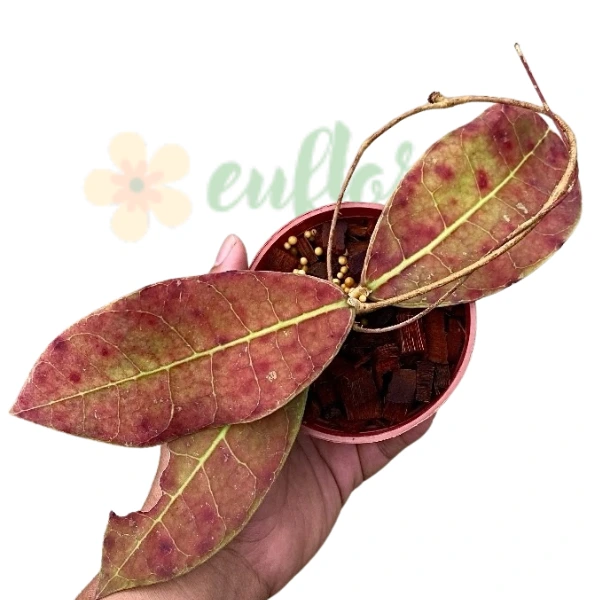
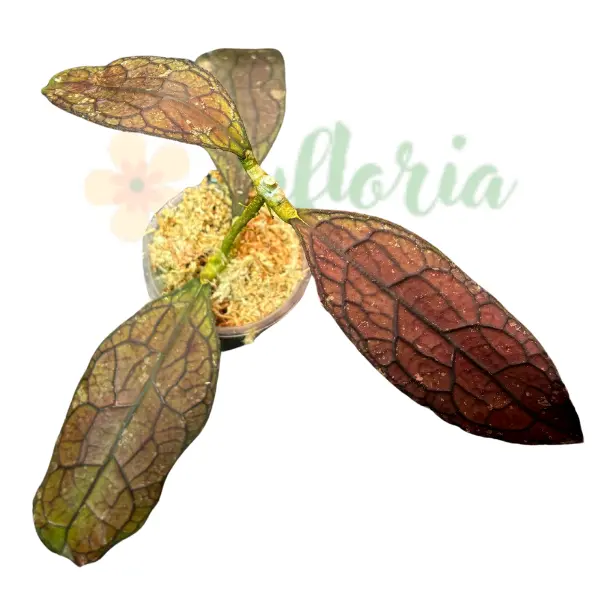
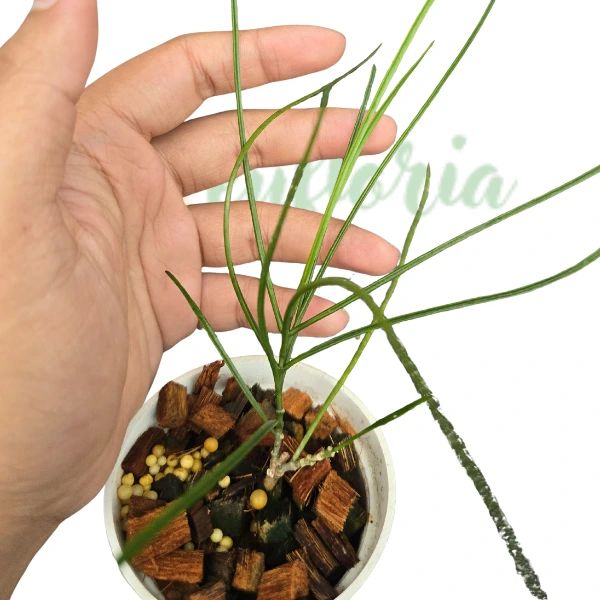
![Hoya piestolepis with glossy lanceolate leaves [1]](https://gomagcdn.ro/domains2/eufloria.ro/files/product/original/hoya-piestolepis-006753.png "Hoya piestolepis with glossy lanceolate leaves [1]")
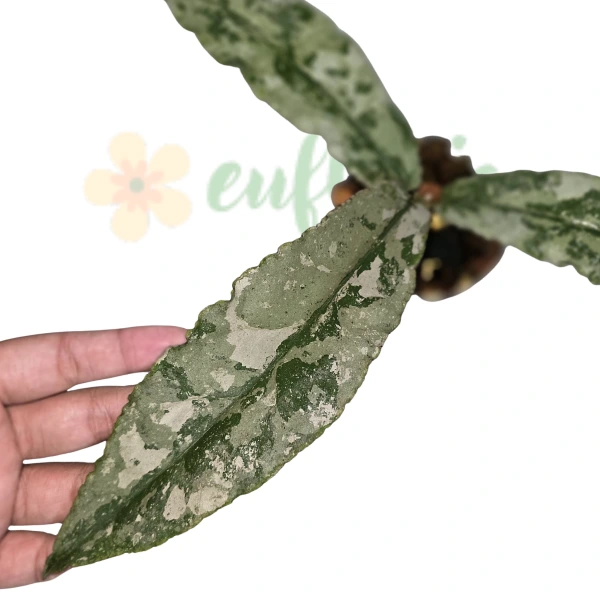
Hoya piestolepis — rare Philippine hoya with glossy lanceolate leaves and light pink star flowers with burgundy corona.
Pot diameter: (no pot)
- Description
- Reviews (0)
- FAQ
🌿 Plant Characteristics
Hoya piestolepis is a rare indoor plant species from the Apocynaceae family, native to the humid tropical forests of the Philippines, especially the islands of Palawan and Mindanao. It is a climbing epiphyte, prized by collectors for its thick, waxy leaves and fragrant, wax-like flower umbels.
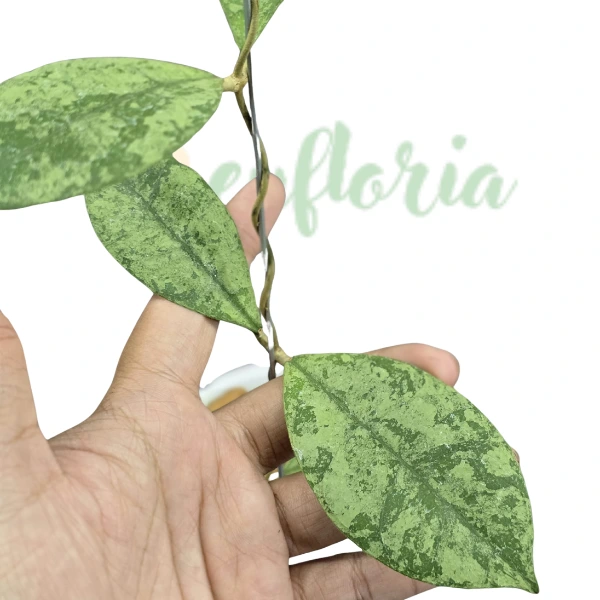
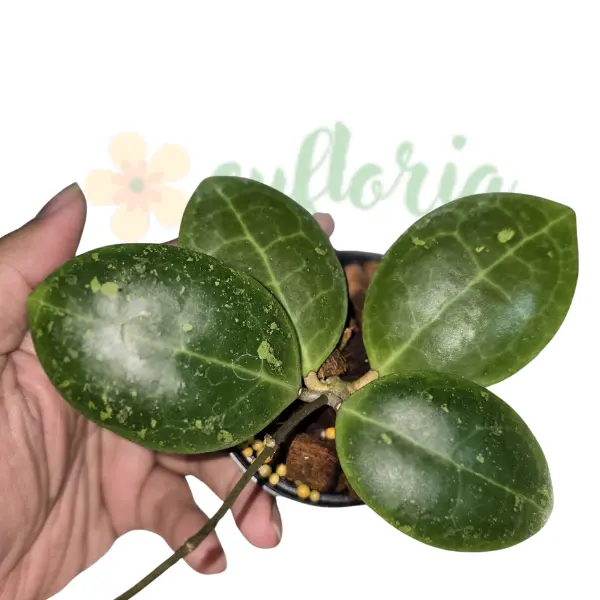
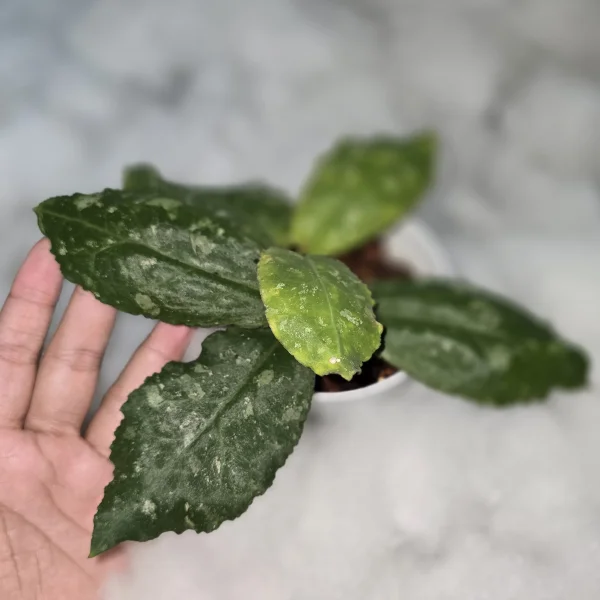
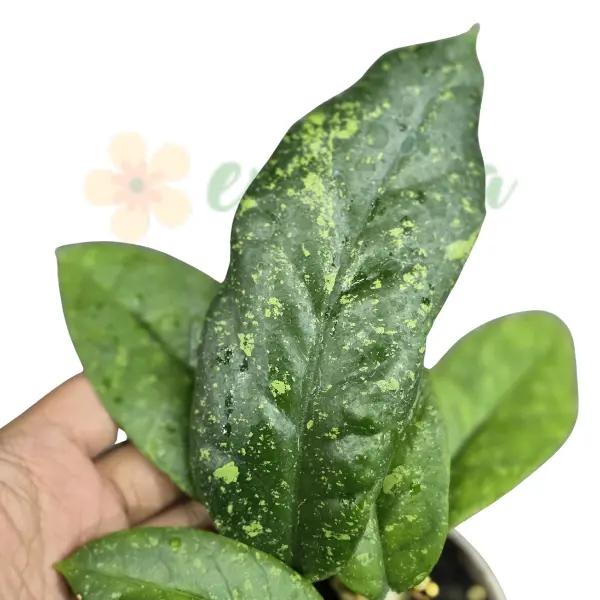
The leaves are oval to lanceolate, slightly elongated, reaching 8–12 cm long and 4–6 cm wide at maturity. Their surface is glossy and slightly waxy, ranging from medium to deep green; in good light, they may develop fine silvery highlights. The central vein is slightly sunken, giving the leaf a gently convex, elegant and symmetrical profile.
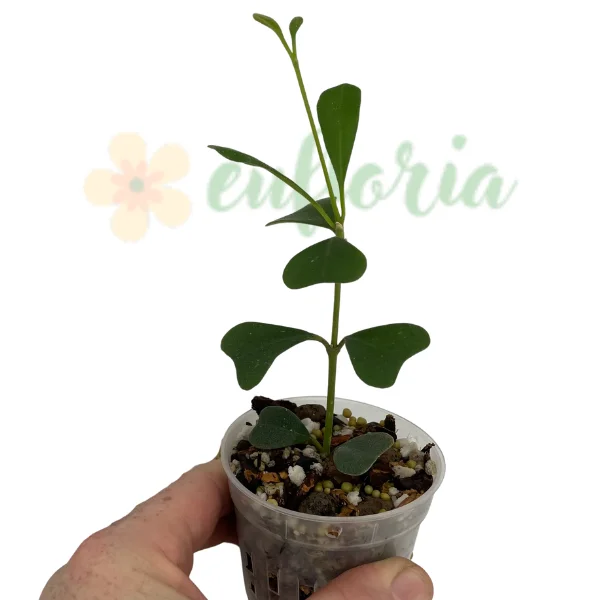
The stems are twining, slender and flexible, with internodes of 4–7 cm. In optimal conditions, they quickly produce aerial roots at the nodes, allowing the plant to anchor to supports such as sphagnum moss poles, cork bark, or wooden trellises. Growth is moderate in spring and summer and markedly slower during the cool months.
The flowers are grouped in spherical umbels of 15–25 small blooms, creamy-white with a rosy-purple central corona. The fragrance is sweet, lightly reminiscent of caramel and vanilla, and stronger in the evening. Each umbel lasts 5–7 days, and a mature plant can bloom several times per year, usually between May and September. The peduncles are perennial and should not be removed after flowering, since new umbels emerge from the same spurs in subsequent seasons.
The plant tends toward an elegant vine habit, with stems that can be guided onto a moss pole, trellis, or hanging basket. Indoors, with consistent care, it can reach 1.2–2 meters in time while retaining its ornamental character year-round.
☀️ Light Requirements
Hoya piestolepis prefers bright, indirect light, similar to the filtered light beneath the canopy of its native tropical forests. Indoors, it thrives near east or northeast facing windows, where it receives a few hours of gentle morning sun followed by bright diffused light for the rest of the day.
Strong southern light, especially at midday, can scorch the leaves and bleach the central tissue. If a south or southwest window is the only option, use a sheer curtain to filter direct rays between 11 a.m. and 4 p.m. Flowering is directly tied to light intensity and duration: a plant receiving 10–12 hours of bright diffused light daily will bloom more generously than one kept in dim corners.
In winter months, when natural light decreases, the plant slows its growth. To maintain a compact habit, a full-spectrum grow light (4000–6500K) placed 30–40 cm above the plant, on a 10–12 hour schedule, is very useful. This prevents stretched internodes and preserves leaf color.
Avoid frequent relocations. Hoya piestolepis needs time to adapt to new exposures, and sudden changes can cause formed flower buds to drop. Rotate the pot by a quarter turn every 1–2 weeks for uniform growth on all sides.
💧 Care and Watering
The plant is relatively resilient but sensitive to overwatering. Golden rule: water only when the top layer of substrate has dried completely, while the bottom still retains slight residual moisture. On average, in the warm season, this means watering every 7–10 days; in winter every 14–20 days, depending on temperature and humidity.
Use lukewarm water (20–24°C), preferably rested for 24 hours or filtered, to avoid chlorine and calcium. Drain excess water from the saucer thoroughly — Hoya roots do not tolerate stagnant water. A clear sign of overwatering is the yellowing of older leaves and a softening of the stem near the soil line.
Ideal ambient humidity is 55–75%. This can be achieved with a humidifier, by grouping plants together, or with a pebble tray with water beneath the pot. Frequent misting of the leaves is not recommended for this species, as it can leave calcium spots on the waxy leaves and create conditions favorable to fungal issues.
Fertilize during the growing season (April to September) with a balanced liquid fertilizer for tropical plants, diluted to half the recommended strength, every 3–4 weeks. Before flowering, a phosphorus-rich formula (NPK 10-30-20) can help encourage bud formation. In winter, stop fertilizing altogether.
If the plant has not bloomed within 2–3 years of healthy growth, try a slightly drier and cooler winter rest (16–18°C) of 6–8 weeks of controlled stress — this semi-dormant period often triggers flowering in the following season.
🌡️ Temperature and Climate
Optimal temperature range is 18–26°C, tolerating short maxima of 28–30°C if humidity is adequate. The absolute safe minimum is 13°C — below this, Hoya piestolepis will halt all growth and become vulnerable to root rot.
Avoid placement near sources of cold air: next to frequently opened doors in winter, near drafty windows, or in the direct path of air conditioning units. Likewise, avoid radiators — dry, hot air accelerates dehydration and attracts spider mites.
Mild day/night fluctuations of 4–6°C (e.g., 24°C during the day and 18–20°C at night) are beneficial and mimic habitat conditions. In spring, once outdoor temperatures stay above 15°C at night, the plant can be moved to a sheltered, semi-shaded balcony for more vigorous growth and abundant flowering. Bring it back indoors in autumn, before temperatures drop below 15°C.
During transport or in cold seasons, protect it with wrapping paper or thermal insulation for brief periods, never longer than a few hours below 15°C.
🪴 Pot and Substrate
Hoya piestolepis prefers a substrate that is airy, slightly acidic, and exceptionally well-draining. An ideal mix contains: 40% medium pine bark, 20% perlite, 20% coco fiber or sphagnum, 10% horticultural activated charcoal, and 10% quality peat. This blend retains the necessary moisture without suffocating the roots.
Choose modest pot sizes — this species flowers better when the roots are slightly constrained. For a young plant, a 10–12 cm pot is enough for 1–2 years. Repot only when roots completely fill the pot and start emerging from the drainage holes.
Pot material matters: terracotta pots allow quicker evaporation of moisture and are recommended for those prone to overwatering. Plastic pots retain more water and are suitable for gardeners who occasionally forget to water. Regardless of choice, drainage holes are essential.
A 2–3 cm layer of bark or gravel at the bottom of the pot further improves drainage. After repotting, wait 7–10 days before the first full watering, and avoid fertilizing for 4–6 weeks so the roots can recover and adapt to the new substrate.
Supports such as moss poles, bamboo trellises, or cork slabs encourage upright growth and the formation of larger leaves. Guide the stems as they grow using soft clips or cotton string for a dense, tidy appearance. With consistent care, Hoya piestolepis will remain an ornamental, floriferous houseplant for many years.
In indoor conditions, Hoya piestolepis develops over time a dense network of aerial roots that can be guided onto a moist moss pole. These improve the uptake of water and minerals, and in the natural habitat they anchor the plant to the bark of host trees. Do not cut them — they are essential for plant vigor and for its stability on supports.
A distinctive feature of the piestolepis species is the floral corona with slightly recurved edges, which gives the flower a double, star-like appearance. Pollen is grouped into compact pollinaria, typical of the Asclepiadoideae subfamily. Indoors, pollination is rare — but not impossible — especially if you have multiple plants blooming at the same time.
In spring and summer, the plant benefits from good air circulation. A small fan providing gentle airflow (never directed at the leaves) reduces the risk of powdery mildew and helps stems grow more robust. Stagnant air in tight spaces favors pests and fungal issues.
Inspect the plant every 2 weeks for mealybugs, spider mites, or aphids. Preferred locations: leaf axils, undersides of leaves, and the bases of flower umbels. At the first signs, apply diluted potassium soap solution or neem oil — avoid harsh chemical insecticides on waxy leaves.
For experienced collectors, Hoya piestolepis also adapts to cultivation in plexiglass display cabinets with high humidity (85–90%) and LED grow lights. In such setups, growth is faster and flowering can start as early as the second year of cultivation.
During transport, the plant should be kept in a stable upright position, with the substrate slightly dry to avoid root damage from shifting moisture. Upon arrival, water lightly and place it in a stable, bright location; full acclimation to a new environment typically takes 2–4 weeks, during which minor leaf adjustments and even brief growth pauses are normal.
Avoid aggressive pruning unless necessary. Hoya piestolepis blooms from old flower spurs, and each pruning cut removes potential future umbels. If shaping is required, remove only weak or damaged stems; healthy vines should be guided and trained rather than trimmed back.
When planning long-term care, record the dates of watering, fertilizing, and repotting in a simple plant journal. This helps identify seasonal patterns, anticipate flushes of growth, and refine your watering rhythm based on your specific indoor environment, which differs greatly from apartment to apartment in temperature, humidity, and light exposure.
How do I care for Hoya piestolepis?
Is it toxic?
Where does this species come from?
When does it bloom?
What substrate do you recommend?

Ai nevoie și de un ghiveci decorativ?