EN/
EN/ Romana
Hoya undulata 'Dikaya Priroda'
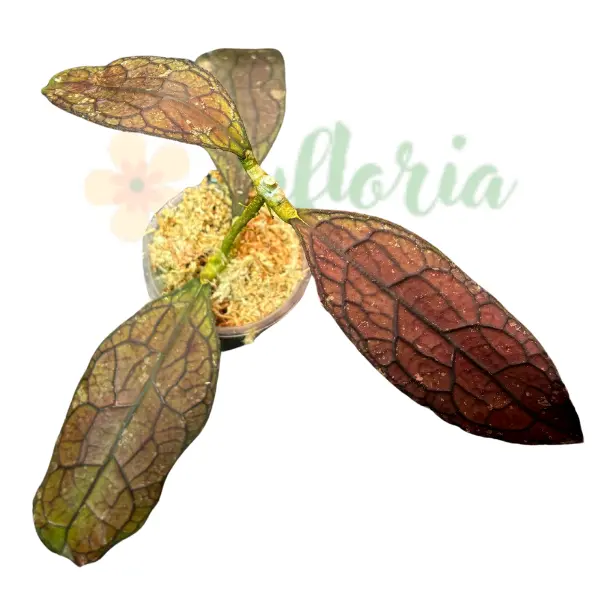
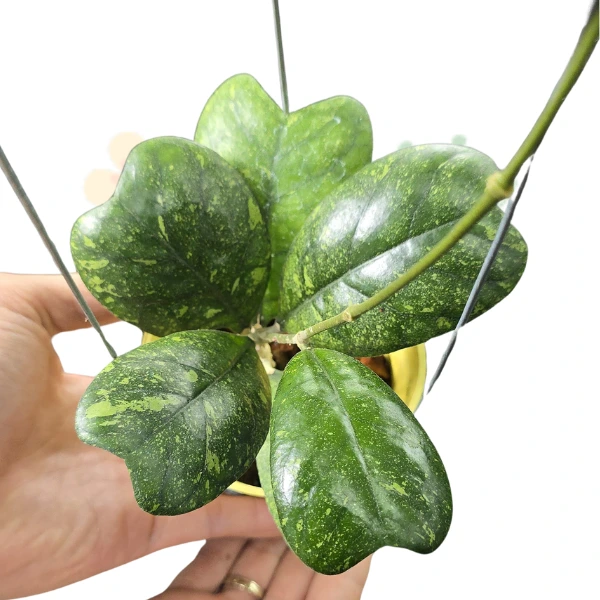
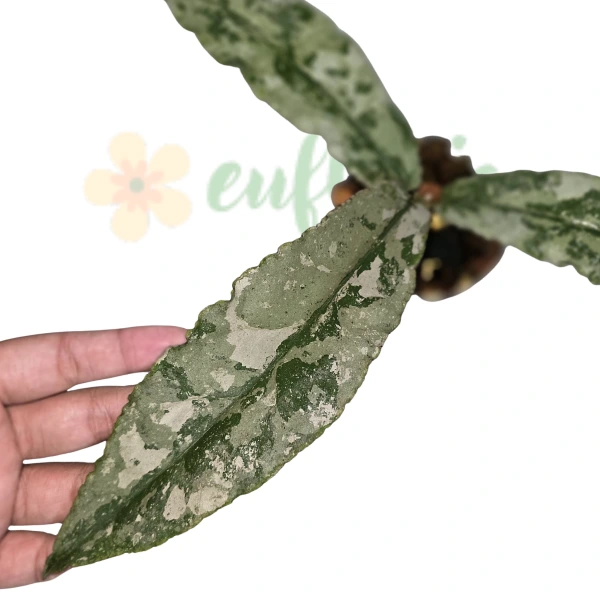
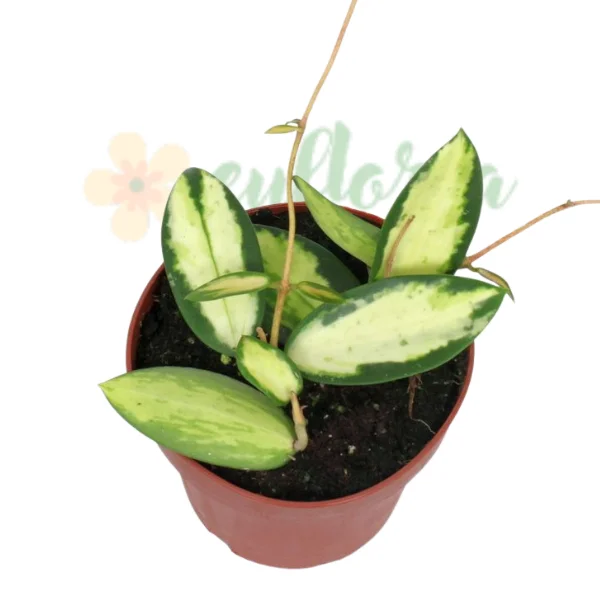
![Hoya undulata Dikaya Priroda - rare plant with spectacular wavy leaves [1]](https://gomagcdn.ro/domains2/eufloria.ro/files/product/original/hoya-undulata-dikaya-priroda-658418.png "Hoya undulata Dikaya Priroda - rare plant with spectacular wavy leaves [1]")
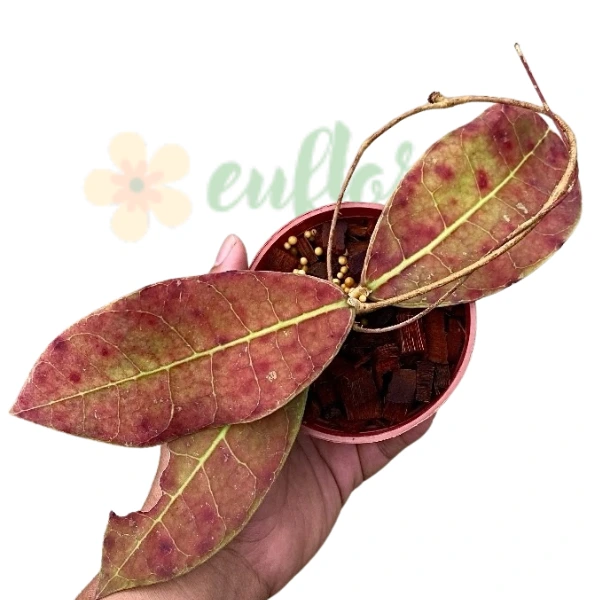
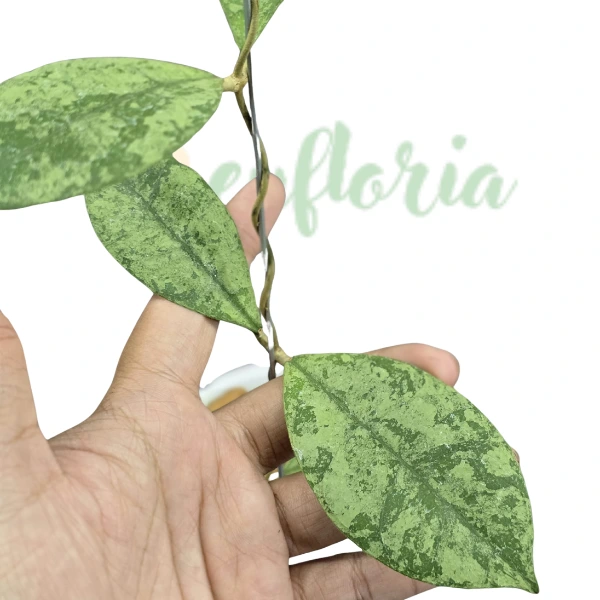
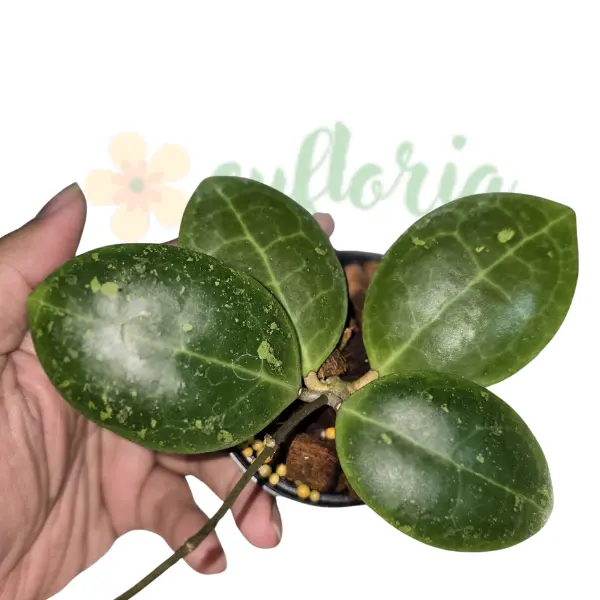
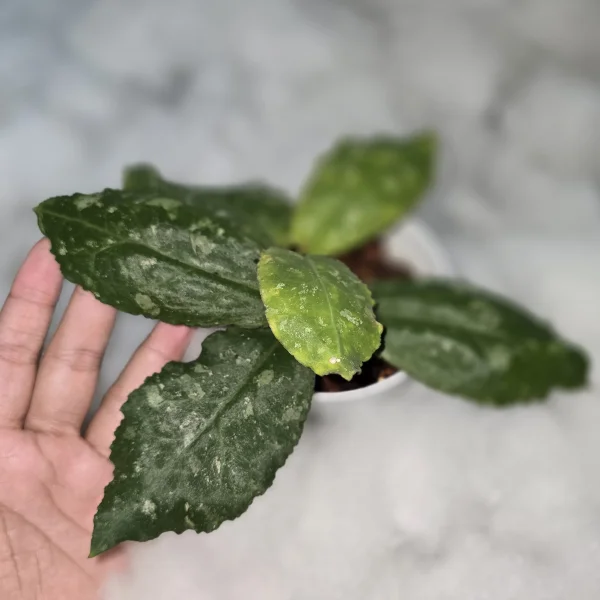
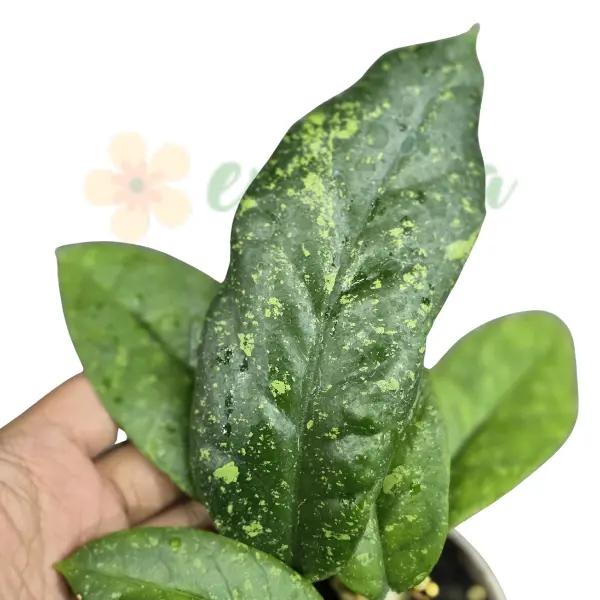
Hoya undulata 'Dikaya Priroda' is a rare cultivar with large, wavy leaves and dramatic texture. Its name, meaning "Wild Nature", perfectly reflects its imposing and natural appearance.
Pot diameter: (no pot)
- Description
- Reviews (0)
- FAQ
🌿 Hoya undulata 'Dikaya Priroda' — Rippled Leaves That Catch Light Like a Mirror
Hoya undulata 'Dikaya Priroda' is one of the most spectacular selections within the species Hoya undulata, a rare collector's plant prized for its distinctly wavy leaves with rippled edges that give the plant an almost impossible-to-ignore sculptural presence. The cultivar name 'Dikaya Priroda' comes from Russian and translates as "wild nature" — a direct reference to the irregular, almost chaotic look of the foliage, which appears shaped by wind and light. This selection belongs to the category of rare Hoyas prized by advanced collectors worldwide.
Each leaf is a small botanical painting: the undulating surface reflects light differently at every angle, and rich green tones alternate with lighter accents along the main veins. This is an ideal plant for Hoya collectors who want something different from the classic glossy forms — here, texture and three-dimensionality are what make the difference. This form with pronounced undulations remains a rarity in European collections, and its availability on Eufloria.ro represents a rare opportunity for enthusiasts in Romania and the European Union.
🌍 Origin and Botanical History
The genus Hoya comprises over 500 described species, most native to Southeast Asia, Oceania, and the Pacific islands. Hoya undulata was described botanically relatively recently — it is a species endemic to humid tropical areas of the Philippines and Borneo, where it grows as an epiphyte, clinging to tree branches in primary forests. The specific epithet "undulata" comes from Latin and means "wavy" or "rippled", referring to the characteristic leaf edges.
The 'Dikaya Priroda' cultivar was selected for emphasizing the wavy character of the leaves, much more pronounced than in the type form. The Russian name reflects the origin of this selection — the Hoya collector community in the ex-Soviet space is one of the most active in the world, and many new cultivars come from enthusiasts in Russia and Ukraine. The exchange groups for cuttings and special selections have created in recent years an entire parallel market, in which rare Hoyas circulate between advanced collectors.
In its natural habitat, Hoya undulata climbs old tree trunks, where it benefits from light filtered through the canopy and high atmospheric humidity (over 80%). Its aerial roots absorb water directly from the atmosphere and from plant debris on the bark, without needing actual soil. Average annual temperatures in the habitat range between 22°C and 30°C, without large seasonal variations — which is why, in cultivation, it does not tolerate temperatures below 15°C for long periods.
🌱 Unique Visual Features
What makes 'Dikaya Priroda' a collector's selection are the following traits:
- Strongly undulated leaves — the edges form regular waves, giving the plant the appearance of a natural sculpture. The undulations persist throughout the leaf's life, unlike other Hoyas where the character diminishes over time.
- Slightly waxy texture — typical of the Hoya genus, causing light to reflect in different tones throughout the day. In the morning the leaves appear darker, and in the afternoon they gain almost metallic reflections.
- Climbing and trailing growth — can be grown on vertical support, in a hanging basket, or allowed to trail freely. Internodes are medium in length, giving the plant a balanced look, neither too compact nor too sparse.
- Fragrant star-shaped flowers at maturity — in umbels of 10-20 small, waxy flowers in cream-pink color, with a sweet scent perceptible in the evening.
- Slow but steady growth — typical of rare Hoyas, which makes each new leaf an event awaited by the collector.
- Intense green color that adapts to light conditions — in strong light, it may develop pinkish-red tones on the edges of new leaves (a phenomenon called "sun stress"), highly prized by collectors.
🌸 Flowering
At maturity (between 2 and 4 years of proper cultivation), Hoya undulata 'Dikaya Priroda' produces umbellate inflorescences — clusters of 10-20 small star-shaped flowers (1-2 cm in diameter), with five waxy petals in cream-pink color and a darker center. Flowers open in succession and remain on the plant for 1-2 weeks, releasing in the evening a sweet floral scent similar to jasmine or vanilla.
Important: always keep the flower peduncles (the stalks that produced flowers) — from the same base, the plant will bloom repeatedly every season. Cutting them means the plant will have to build new structures before flowering again, a process that can take years. This is the most common reason why Hoyas don't bloom for beginner collectors — the peduncles are cut out of ignorance.
Flowering stimulation: increase light (indirect but bright), slightly reduce the nitrogen amount in fertilizer in spring, maintain a 4-6°C temperature difference between day and night (autumn stimulates the formation of flower buds).
🌱 Care Requirements
- Light: bright indirect light, east or west window. Avoid direct summer sun, which burns leaves. Tolerates strong filtered light through a thin curtain.
- Watering: let the substrate dry almost completely between waterings. Hoya prefers dry over waterlogged. Water every 7-10 days in summer, 14-20 days in winter. Sign of insufficient watering: leaves that lose turgor. Sign of excess: yellowish leaves and leaf drop.
- Humidity: 50-70% ideal; tolerates 50% but blooms more spectacularly at higher humidity. Spraying is not necessary if room humidity is above 45%.
- Temperature: 18-27°C optimal; never below 15°C in winter. Below 12°C, roots begin to rot.
- Substrate: very airy — orchid mix + perlite + a little coco fiber, in approximately equal proportions. Never compact universal soil, which retains too much moisture and causes root rot.
- Fertilization: liquid fertilizer diluted to 1/2 dose, every 3-4 weeks during the growing season (April-September). Do not fertilize in winter.
- Pot: prefers small, root-bound pots — blooms better when it feels "crowded". Repot only once every 2-3 years, into a pot only 2 cm larger.
- Support: give it a moss pole, a piece of bark, or a trellis — climbing stimulates the development of larger leaves and flowering.
How do I care for Hoya undulata Dikaya Priroda?
What does the name Dikaya Priroda mean?
Is it toxic to pets?
What substrate do you recommend?
What is the difference from other undulata cultivars?

Ai nevoie și de un ghiveci decorativ?