EN/
EN/ Romana
Hoya leucantha sp. Papua
![Hoya leucantha sp Papua with umbels of immaculate white flowers [1]](https://gomagcdn.ro/domains2/eufloria.ro/files/product/original/hoya-leucantha-596310.png "Hoya leucantha sp Papua with umbels of immaculate white flowers [1]")
Hoya leucantha sp. Papua — rare hoya with immaculate white flowers and pale green corona. From Papua tropical forests.
- Description
- Reviews (0)
- FAQ
🌿 Plant Characteristics
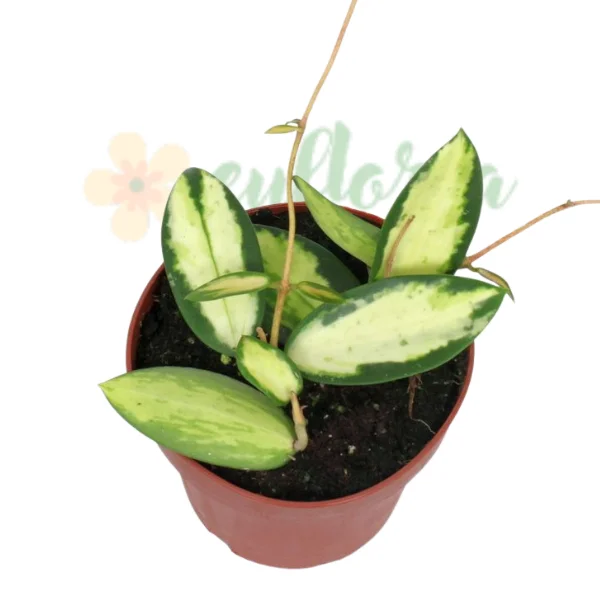
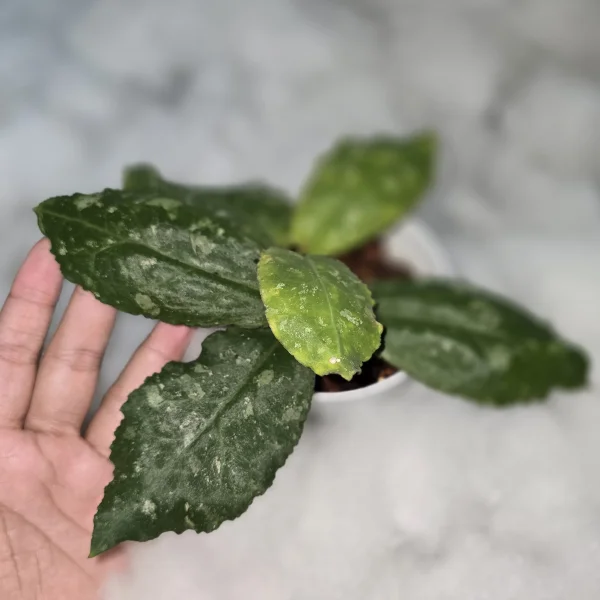
Hoya leucantha sp. Papua is a rare epiphytic plant species originating from the humid tropical forests of New Guinea island, belonging to the Apocynaceae family. This semi-succulent climbing plant stands out with its elongated, deep green leaves featuring a semi-waxy texture that beautifully reflects light. In its natural habitat, it climbs tree trunks or elegantly drapes from high branches, forming impressive green cascades.
Hoya leucantha leaves generally measure 6–12 cm in length and 2–4 cm in width, with slightly pointed tips and a prominent central vein. Flexible stems can reach 2–3 meters in optimal cultivation conditions, making it ideal for hanging baskets or vertical supports. Leaf color varies from light green in strong indirect light to dark green in partial shade, offering placement flexibility.
Flowers, when they appear, are grouped in umbels of 15–25 small, star-shaped flowers with creamy-white petals and a delicate pale pink central crown. The sweet fragrance, reminiscent of citrus blossoms, intensifies in the evening and attracts nocturnal pollinators in the natural habitat. In indoor cultivation, blooming can last 7–14 days, and buds reappear on the same peduncles (spurs) in subsequent seasons.
☀️ Light Requirements
Hoya leucantha sp. Papua prefers bright indirect light, similar to that found in the canopy of tropical forests where it grows naturally. Positioning 1–1.5 meters away from a south or east-facing window is ideal. Light filtered through light curtains or blinds in the morning provides optimal conditions for photosynthesis without the risk of leaf burn.
Avoid direct summer sun exposure between 11:00 AM and 4:00 PM, when intense UV rays can bleach leaves and cause irreversible burns. If you notice leaves with yellow-brown spots or dry areas, the plant is receiving too much direct light and should be moved to a location with filtered light. During winter months, when light intensity decreases, it can be moved closer to the window.
Artificial lighting with LED grow lights (full spectrum, 15–30W) can supplement natural light, especially in north-facing apartments or in windowless spaces. Keep artificial light on for 12–14 hours daily and position the lamp 30–50 cm above the plant for optimal effect. Insufficient light leads to abnormal stem elongation (etiolation) and sporadic flowering.
💧 Care and Watering
Hoya leucantha sp. Papua tolerates short drought periods thanks to its semi-succulent leaves that retain water, but prefers regular watering during the growing season. Water when the top 3–5 cm of substrate dry completely, usually once every 7–10 days in spring and summer. Use room-temperature water, preferably rainwater or water left standing for 24 hours to remove chlorine.
In winter, reduce watering frequency to once every 14–21 days, letting the substrate dry almost completely between waterings. This semi-dormancy period is essential for flower induction in the following spring. Overwatering in cold months is the most common cause of root rot and plant loss.
Ideal ambient humidity is between 60–75%, which you can maintain with a humidifier, pebble tray with water, or plant grouping. Occasional leaf misting with water in the morning can help, but avoid watering flowers and buds as it can cause spotting. Fertilize monthly in the growing season with balanced NPK 20-20-20 fertilizer diluted to half the recommended dose.
🌡️ Temperature and Climate
Optimal temperature for Hoya leucantha sp. Papua is between 20–28°C (68–82°F) in the growing season (spring and summer) and 16–20°C (61–68°F) in winter. This temperature difference between seasons simulates natural habitat conditions and stimulates the flowering cycle. The plant tolerates minimum temperatures of 14–15°C for short periods, but prolonged exposure below 12°C can cause irreversible cellular damage.
Avoid cold air drafts from open windows, balcony doors, or air conditioners — these can cause bud drop before opening and physiological stress. At the same time, avoid direct placement near radiators, stoves, or other dry heat sources that reduce local humidity and stress succulent leaves.
Natural daily variations between day and night (4–6°C difference) are beneficial and simulate tropical forest conditions. During summer, the plant can be placed on a balcony or terrace in a protected location (partial shade) to benefit from fresh air and natural humidity, but bring it back indoors before temperatures drop below 15°C in autumn.
🪴 Pot and Substrate
Hoya leucantha sp. Papua grows best in a pot with multiple drainage holes and slightly pot-bound — roots prefer limited space that simulates epiphytic conditions in nature, where it grows on trunks and branches. This stimulates flowering and prevents water stagnation problems. A pot 2–3 cm larger than the root system is ideal at transplant.
Optimal substrate is a well-aerated mix with excellent drainage: 40% medium pine bark, 30% perlite, 20% dry sphagnum moss, and 10% activated charcoal. This mix reproduces the natural conditions of epiphytic plants, providing good aeration and drainage while retaining sufficient moisture for roots. Avoid standard garden mixes that retain too much water.
Transplant every 2–3 years in spring, when you notice roots emerging through drainage holes or pale leaves appearing. At transplant, inspect the roots and carefully remove rotten or dry parts. Completely replace the old substrate and use a pot only 1–2 cm larger in diameter. After transplant, wait 7–10 days before the first watering to allow roots to heal.
🌿 Curiosities and Special Details
Hoya leucantha sp. Papua exhibits unique morphological characteristics that distinguish it from other species in the genus. The number of flowers per umbel can reach 25–30 in optimal conditions, each flower measuring approximately 0.8–1 cm in diameter. The petals have a slightly fuzzy texture on the upper surface, reflecting light in delicate iridescent hues. This texture is specific to the Leucantha series, distinct from the more pronounced waxy texture of Hoya carnosa varieties.
A fascinating detail is that the flowers produce sweet nectar, visible as small droplets on the petals in early morning. This nectar is part of the natural strategy for attracting pollinators — in its natural habitat, the plant is predominantly pollinated by nocturnal moths and certain bee species. In indoor cultivation, you'll sometimes notice nectar droplets on leaves situated below the umbels — these can be gently wiped with a damp cloth to prevent dust accumulation.
The plant exhibits very distinctive seasonal growth behavior: between March and September it grows actively, producing new leaves and peduncles, while between October and February it enters a semi-dormancy phase where growth slows considerably. This cyclicity is important to respect — forcing winter growth through excessive watering or fertilization depletes the plant and leads to lack of flowering in the following season.
In the Hoya collector community, Hoya leucantha sp. Papua is appreciated for its relative rarity in the European market and the ornamental character of its leaves. Unlike mass commercial varieties, this species remains predominantly in specialty collections, which has led to the existence of online communities dedicated to exchanging cuttings and care information.
For advanced collectors, Hoya leucantha can be grown on tree bark (mounting), completely simulating epiphytic conditions in nature. This method offers maximum root aeration and unique aesthetics but requires more frequent watering (every 3–5 days) and constant humidity above 70%. It is only recommended in orchid terrariums or specialized display cases.
A practical aspect to remember: peduncles (spurs) are permanent structures on the plant and should not be removed after flowering. The same peduncle will produce new umbels in subsequent seasons for many years. Accidentally cutting or breaking them will delay re-flowering by 1–2 seasons.
Propagation enthusiasts note that Hoya leucantha roots readily in water as well as in perlite or sphagnum moss. Water propagation allows visual monitoring of root development, which is educational and encouraging for beginners. However, the transition from water to substrate must be done carefully, as water-developed roots differ structurally from those developed in substrate and need an adaptation period of 2–3 weeks.
The New Guinea origin of this Hoya subspecies gives it particular resistance to temporary humidity fluctuations compared to other Asian Hoyas. This adaptive capacity is attributed to the climatic variability of its native habitat, where dry periods alternate with heavy rains typical of tropical monsoons. In cultivation, this translates to greater tolerance for human errors in watering schedule.
Modern scientific literature recognizes Hoya leucantha as a valuable species for horticultural research, particularly regarding mechanisms of CAM metabolism (Crassulacean Acid Metabolism) used by the plant to conserve water. Research conducted at botanical institutes in Singapore and Australia has demonstrated that this species can reduce transpiration by up to 70% in drought conditions, a remarkable adaptation for an epiphytic plant.
Hobbyist growers across Europe have reported successful long-term cultivation of Hoya leucantha sp. Papua, with some documented specimens reaching over 15 years of age and producing abundant blooms each year, underscoring how rewarding patient care can be for this species. The plant's adaptability to typical indoor conditions, combined with its ornamental appeal and fragrant flowers, makes it a sought-after addition to any serious Hoya collection.
What does leucantha mean?
How do I care for Hoya leucantha?
Is it toxic?
How often does it bloom?
What substrate do you recommend?


Ai nevoie și de un ghiveci decorativ?