EN/
EN/ Romana
Hoya sp. Malinau
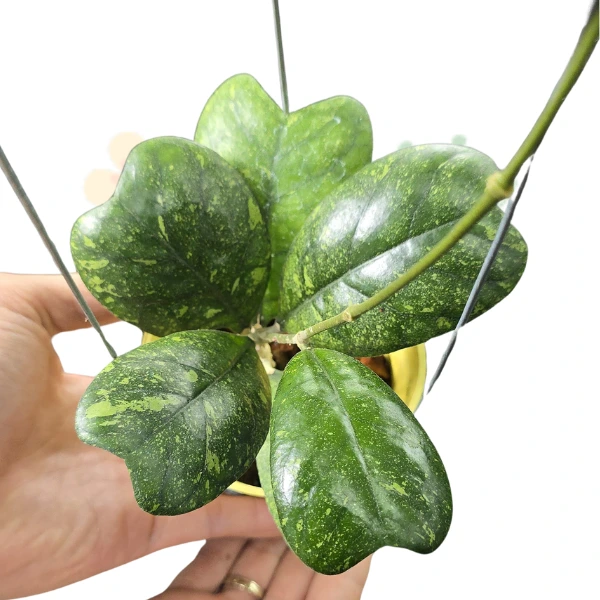
![Hoya sp Malinau with deep green elliptical leaves [1]](https://gomagcdn.ro/themes/fashion/gfx/no-image.png "Hoya sp Malinau with deep green elliptical leaves [1]")
Hoya sp. Malinau — uncataloged species from Malinau region, North Kalimantan. Rare piece for collectors.
Pot diameter: (no pot)
- Description
- Reviews (0)
- FAQ
🌿 Hoya sp. Malinau — From the Northern Heart of Kalimantan
Hoya sp. Malinau is a Hoya not yet scientifically described, initially collected from the Malinau region, located in North Kalimantan province, Borneo island, Indonesia. The Malinau area is one of the most isolated regions in Borneo, with vast areas of primary tropical forest that host extraordinary biodiversity, still partially unexplored by botanists. Each "sp." plant from here represents a window into this biodiversity almost unknown to the world.
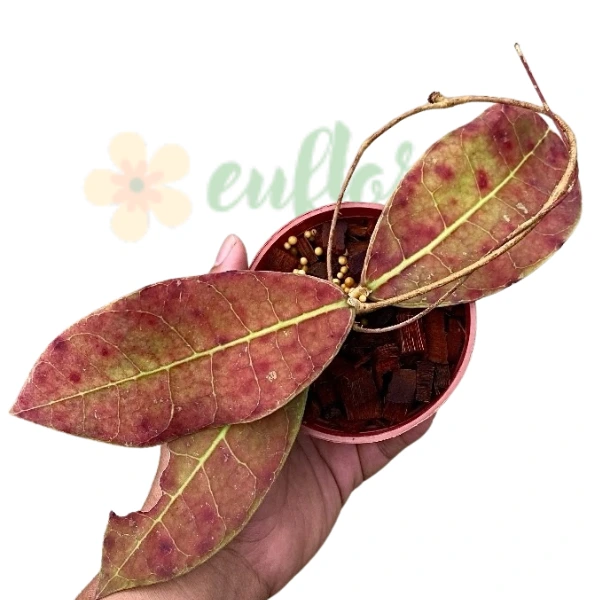
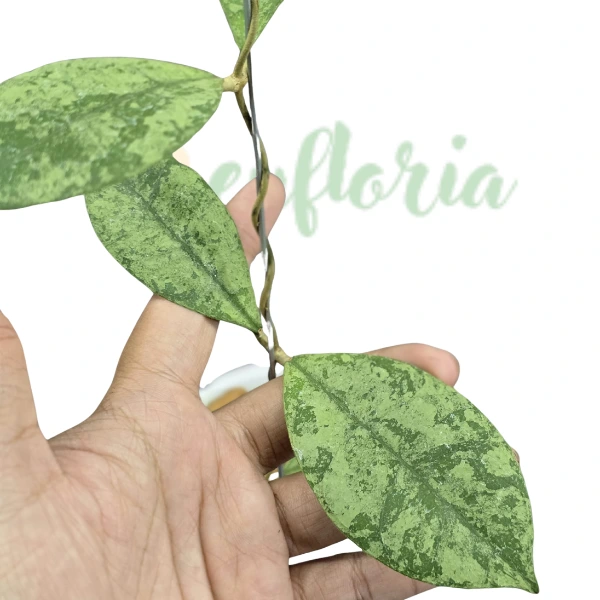
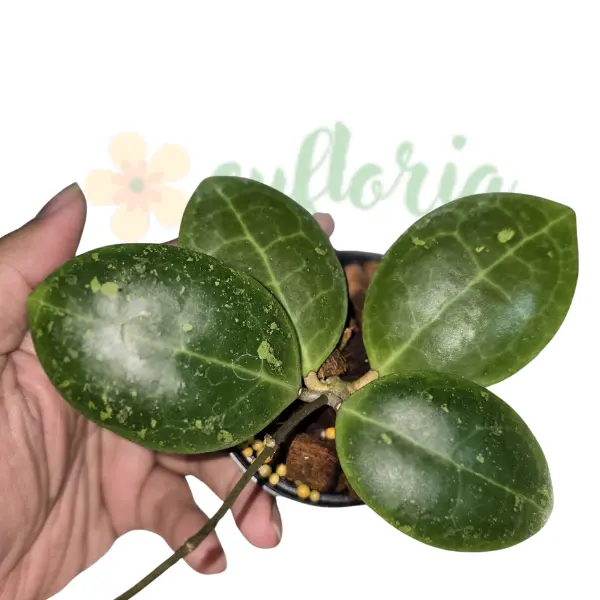
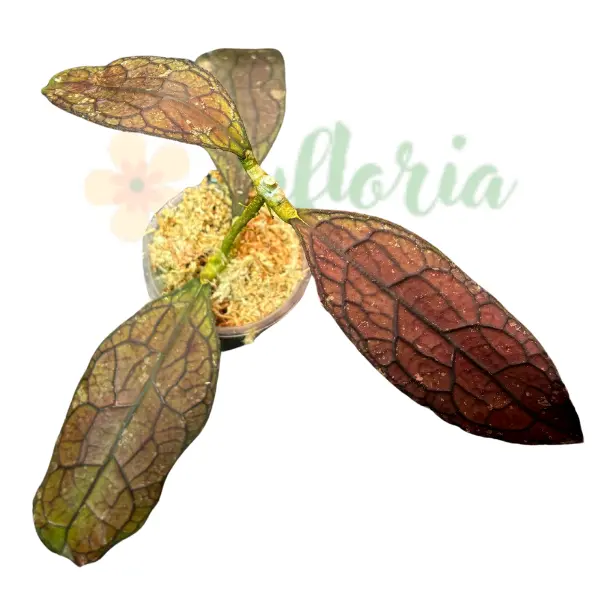
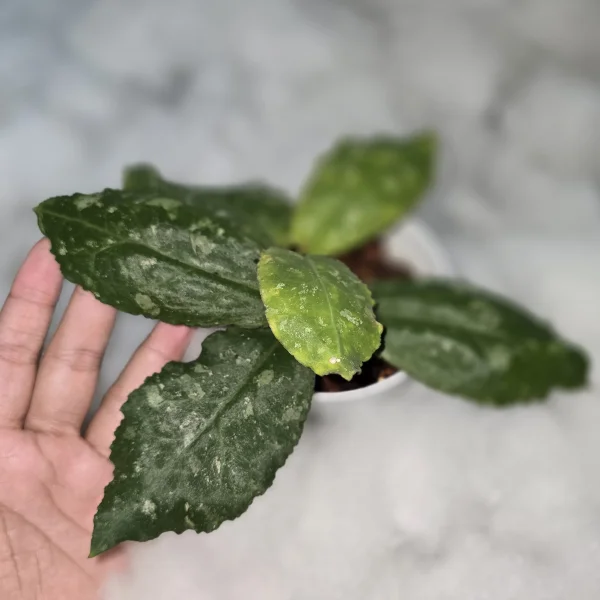
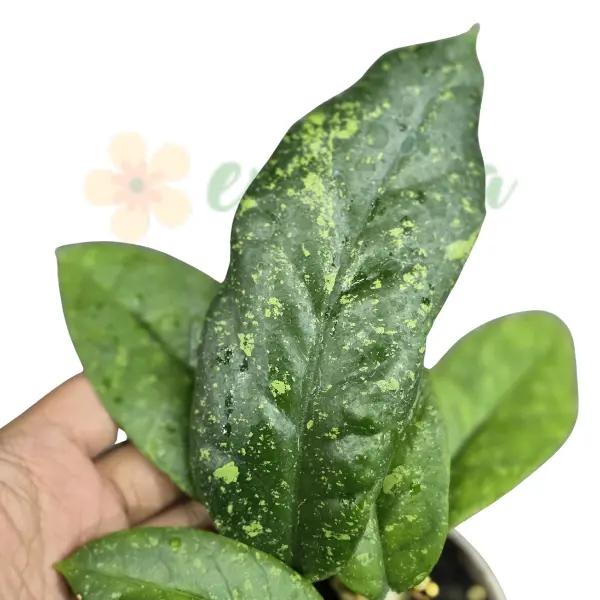
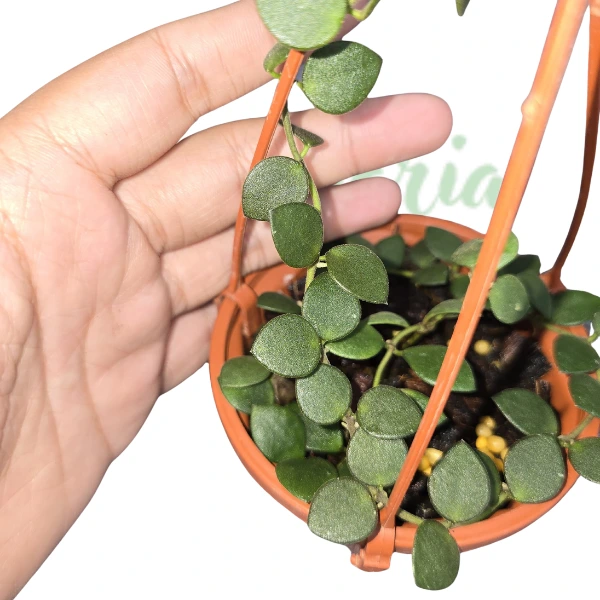
The leaves have medium dimensions, with firm, waxy texture, typical of Hoyas from Borneo's mountain forests. The dark green hue gives the plant a sophisticated, mature appearance, suitable for collectors who appreciate the restrained beauty of species less visually spectacular but genetically valuable.
🌍 Malinau — A Still Unexplored Botanical Region
Malinau, with an area of 42,000 km² (larger than Switzerland), is one of the least populated regions of Indonesia. Over 90% of the area is covered by primary forest, and the transport infrastructure is minimal — access to the interior of the region is often only by boat on the Sembakung, Sesayap rivers, or on forest paths. This isolation has meant that the local flora has remained systematically unexplored.
For the Hoya genus, North Kalimantan is still an open frontier. In the last 15 years, botanical expeditions have discovered dozens of new species here — Hoya pimenteliana, H. baishajiangensis, H. inexperta were described based on material collected from this region. Hoya sp. Malinau falls into the category of collected but still formally unclassified plants.
Climatically, Malinau is characterized by stable equatorial temperatures (22-30°C), very high relative humidity (80-95%), abundant precipitation without a dry season. Local forests have complex vertical stratification, with dense canopy at 40-50 m, where filtered light creates a shaded but luminous ambient — ideal conditions for epiphytic Hoyas.
🌱 Visual Features
- Medium oval-elongated leaves — 6-9 cm long, 3-4 cm wide.
- Intense dark green — waxy, glossy texture, with slightly bluish reflections under certain lighting conditions.
- Visible central veins — slightly lighter than the lamina.
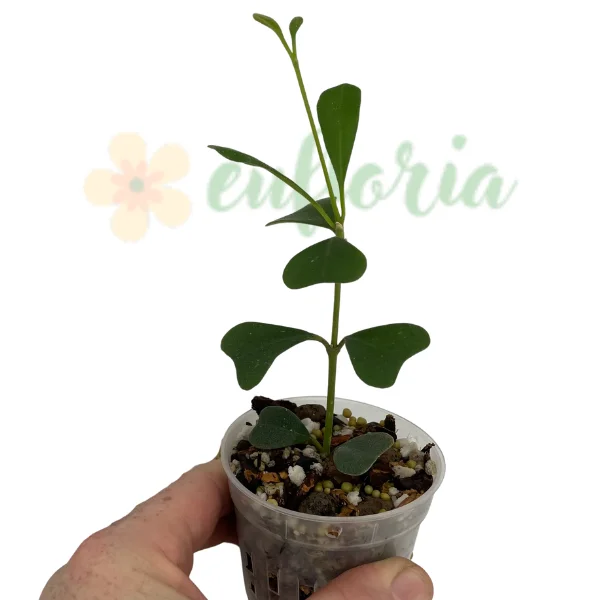
- Flexible climbing stems — ideal for vertical support or basket.
- Moderate growth — typical of mountain Hoyas.
- Medium internodes — 4-6 cm, giving the plant a proportional appearance.
- Efficient roots — prefer compact, well-drained pots.
🌸 Flowering
Information about the flowering of Hoya sp. Malinau is limited. Reports from private collections indicate umbels of 15-25 small, star-shaped, waxy flowers, in white-cream tones with a darker center. The sweet scent is perceptible in the evening and at night, typical for Hoya. The flower lasts 5-10 days on the plant, then falls, but the peduncle remains.
Important warning: flower peduncles (the short stalks supporting the umbels) must NEVER be cut. From them, Hoya will bloom repeatedly, season after season. This is the most common mistake of beginners in Hoya cultivation and the number one reason why plants no longer bloom after the first flowering.
Flowering stimulation: strong indirect light, cyclic dry-wet, nitrogen reduction in spring, day-night temperature difference in autumn.
🌱 Care Requirements
- Light: bright indirect. East/west window ideal.
- Watering: substrate almost dry between waterings. Every 7-10 days in summer, 14-18 in winter.
- Humidity: 60-80% ideal (reflects Malinau habitat). Tolerates 55%.
- Temperature: 18-28°C. Minimum 15°C in winter.
- Substrate: very airy — orchid bark + perlite + coco.
- Fertilization: diluted liquid 1/2, every 3-4 weeks during active season.
- Pot: small, root-bound.
- Repotting: every 2-3 years, only 2 cm larger.
🤚 The Importance of Conservation
North Kalimantan is an area under increasing pressure from deforestation (for palm plantations and mining). Endemic Hoyas from Malinau — including sp. Malinau — are threatened by habitat loss. For collectors, owning these plants is not just a personal passion, but also an indirect contribution to ex situ conservation.
All plants offered on Eufloria.ro come from verified Dutch sources, with complete phytosanitary documentation for import into the European Union. Propagation is vegetative, from legally collected material — with no impact on wild populations.
💡 Tips for Acclimation
Place the plant in a space with 60%+ humidity and moderate indirect light for the first 2-3 weeks after receiving. Do not water until the substrate is completely dry — transport stresses the plant, and excess water is the main cause of loss during this period. After acclimation, you can gradually transition to normal routine.
For long-term cultivation, I recommend a space with controlled humidity (open terrarium, ventilated cabinet, rare plant cabinet). Horticultural LED lighting can supplement natural light in winter, keeping the plant active and productive.
🔎 What Makes Malinau Specific
The distinctive characteristic of Malinau Hoyas is the firm foliar texture — the leaves are slightly thicker than in common Hoyas, with superior resistance to temporary dehydration. This adaptation is a response to local forests, where the thick canopy creates cyclical periods of moisture and light drying. In cultivation, this characteristic translates into a plant more tolerant to occasional watering errors than many tropical Hoyas.
How do I care for Hoya sp. Malinau?
Why is Hoya sp. Malinau so expensive?
Is Hoya sp. Malinau toxic?
What substrate is suitable?
Can Hoya sp. Malinau be propagated?

Ai nevoie și de un ghiveci decorativ?