
 EN/
EN/ Romana
Hoya clemensiorum SUMATRA Ø10.5cm
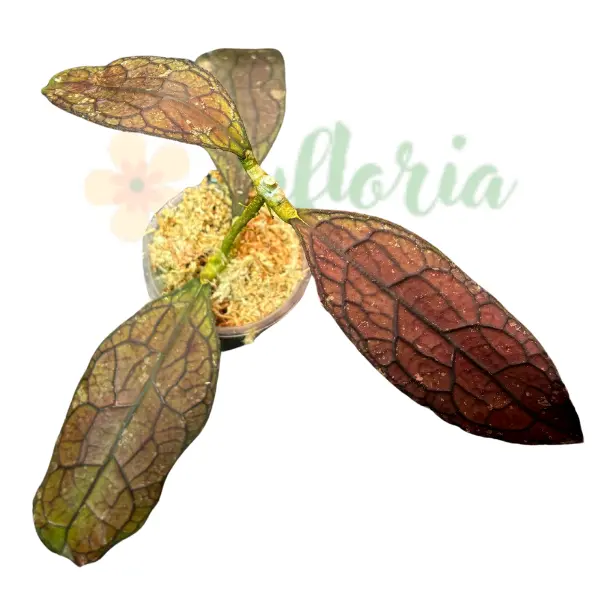
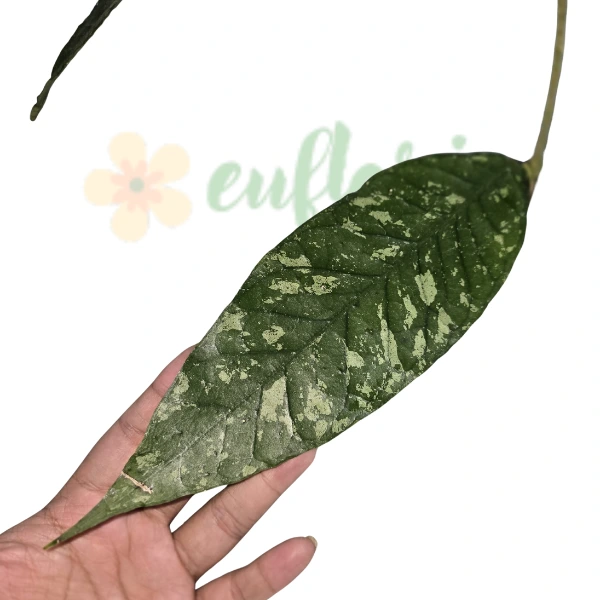
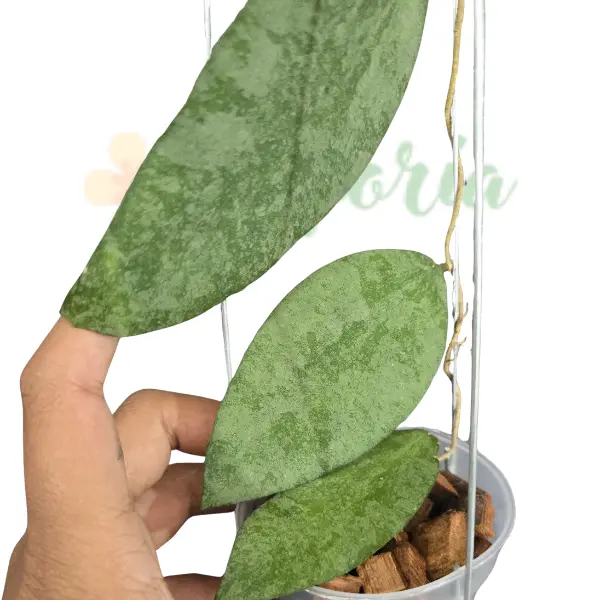
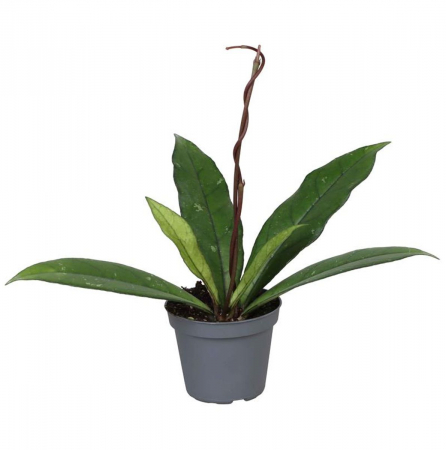
![Hoya clemensiorum Sumatra - rare collector plant with lanceolate ribbed leaves [0]](https://gomagcdn.ro/domains2/eufloria.ro/files/product/medium/hoya-clemensiorum-sumatra-d10-5cm-164158.png "Hoya clemensiorum Sumatra - rare collector plant with lanceolate ribbed leaves [0]")
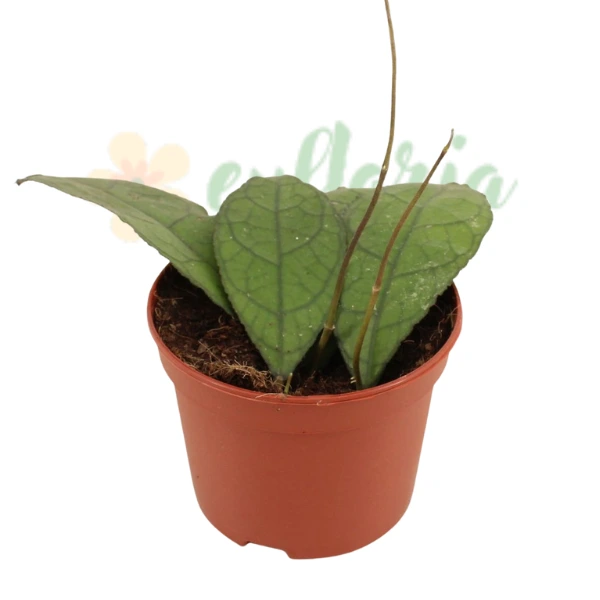
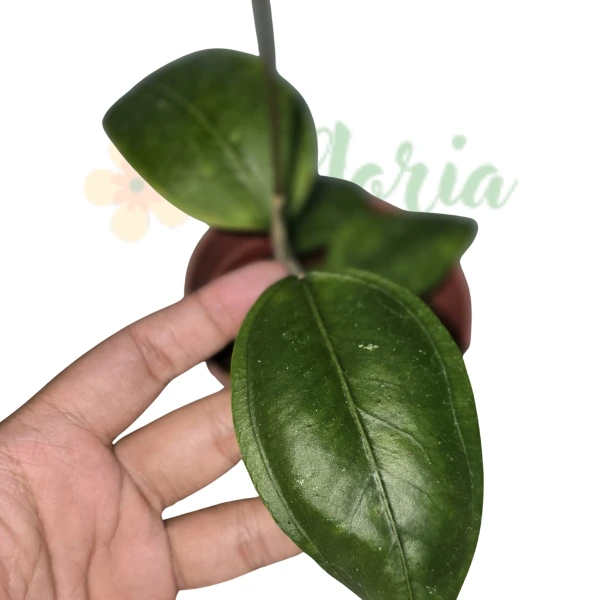
![Hoya clemensiorum Sumatra - rare collector plant with lanceolate ribbed leaves [1]](https://gomagcdn.ro/domains2/eufloria.ro/files/product/medium/hoya-clemensiorum-sumatra-d10-5cm-972603.png "Hoya clemensiorum Sumatra - rare collector plant with lanceolate ribbed leaves [1]")
![Hoya clemensiorum Sumatra - rare collector plant with lanceolate ribbed leaves [1]](https://gomagcdn.ro/domains2/eufloria.ro/files/product/original/hoya-clemensiorum-sumatra-d10-5cm-164158.png "Hoya clemensiorum Sumatra - rare collector plant with lanceolate ribbed leaves [1]")
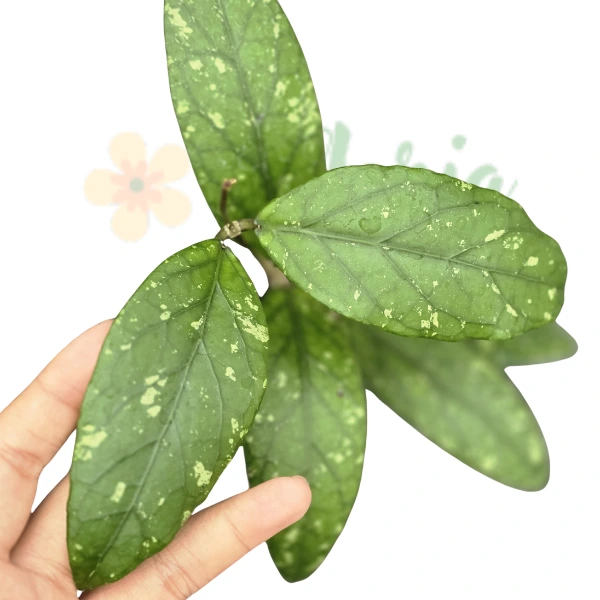
![Hoya clemensiorum Sumatra - rare collector plant with lanceolate ribbed leaves [2]](https://gomagcdn.ro/domains2/eufloria.ro/files/product/original/hoya-clemensiorum-sumatra-d10-5cm-972603.png "Hoya clemensiorum Sumatra - rare collector plant with lanceolate ribbed leaves [2]")
Approx height (including pot): 15 cm
Flowering state: No flowers
Pot diameter: 10.5 cm
- Description
- Characteristics
- Reviews (0)
- FAQ
🌿 Hoya clemensiorum — The Magnificent Giant-Leaved Hoya
Within the extraordinary diversity of the genus Hoya, few species command attention quite like Hoya clemensiorum. This remarkable epiphyte from the tropical forests of Southeast Asia produces some of the largest leaves in the entire genus — thick, fleshy, deeply green blades that can reach up to 25 cm in length, each one a masterpiece of botanical engineering designed for life in the forest canopy. The SUMATRA form offered here represents a regional population collected from the island of Sumatra, Indonesia, adding geographical provenance value to an already exceptional species.
For serious Hoya collectors, Hoya clemensiorum SUMATRA represents the intersection of rarity, beauty, and botanical significance. The species is not commonly available in cultivation, and the Sumatran form is rarer still, making each specimen a prized addition to any tropical plant collection. The imposing presence of its oversized foliage — glossy, weighty, and almost sculptural in quality — makes it a centrepiece plant that draws the eye and invites admiration.
Patience is the primary virtue required for cultivating this species. Growth is deliberate rather than rapid, but every new leaf is an event — a slow-motion unfurling of botanical perfection that rewards the attentive grower with a specimen of increasing majesty year after year.
🌍 Origin and Botanical History
Hoya clemensiorum was formally described by T. Green in 1994, based on herbarium material originally collected in Sabah, Malaysian Borneo. The species epithet honours Mary Strong Clemens (1873–1968) and her husband Joseph Clemens, two of the most prolific plant collectors in Southeast Asian botanical history, whose extensive fieldwork documented much of Borneo’s remarkable flora during the first half of the twentieth century.
The species’ natural distribution encompasses both Borneo and Sumatra, where it grows as an epiphyte in humid lowland and lower montane tropical forests. The SUMATRA form originates from populations on the island of Sumatra, the sixth-largest island in the world and a recognised biodiversity hotspot with thousands of endemic plant species. The tropical lowland and montane forests along the western coast of Sumatra, flanking the Bukit Barisan mountain range, provide ideal habitats for epiphytic Hoya species.
In its natural habitat, Hoya clemensiorum colonises tree trunks and branches in the forest mid-canopy, at elevations between 200 and 1,000 metres above sea level. The climate features consistent temperatures between 22°C and 32°C, abundant rainfall distributed throughout the year, and relative humidity consistently above 75% — conditions that inform the species’ cultivation requirements in domestic settings.
🌱 The Foliage
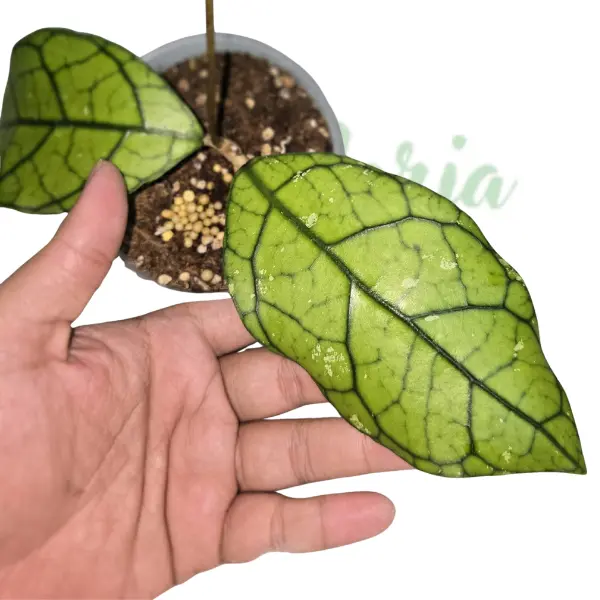
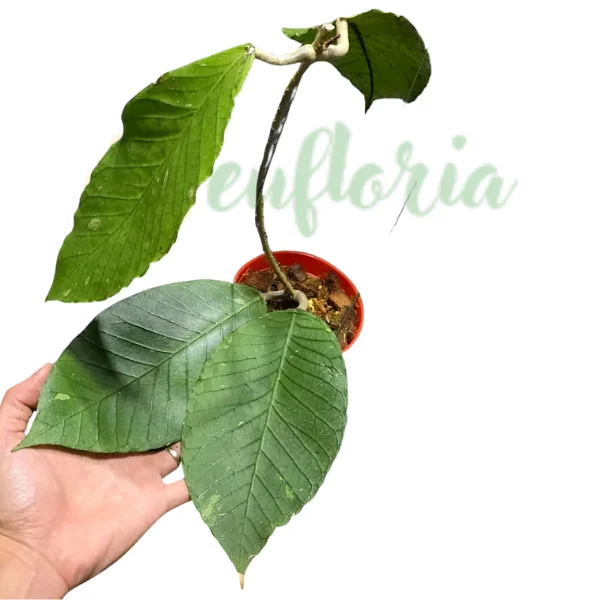
The leaves of Hoya clemensiorum are genuine masterworks of natural engineering. Elliptic to ovate in shape, they measure between 12 and 25 cm in length and 6 to 12 cm in width under optimal conditions — dimensions that place them among the very largest in the Hoya genus. The leaf thickness is remarkable: each blade is visibly succulent, with a fleshy, firm consistency that gives it a surprising weight relative to its size. This succulence is an adaptation to epiphytic life, enabling the plant to store water reserves during periods of reduced moisture availability.
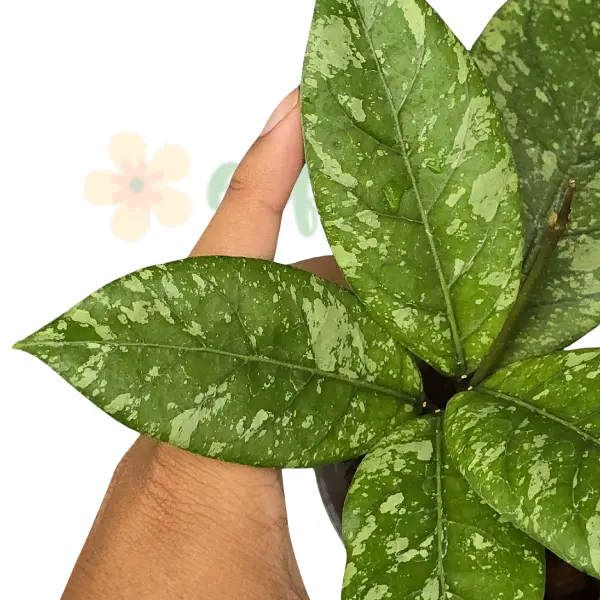
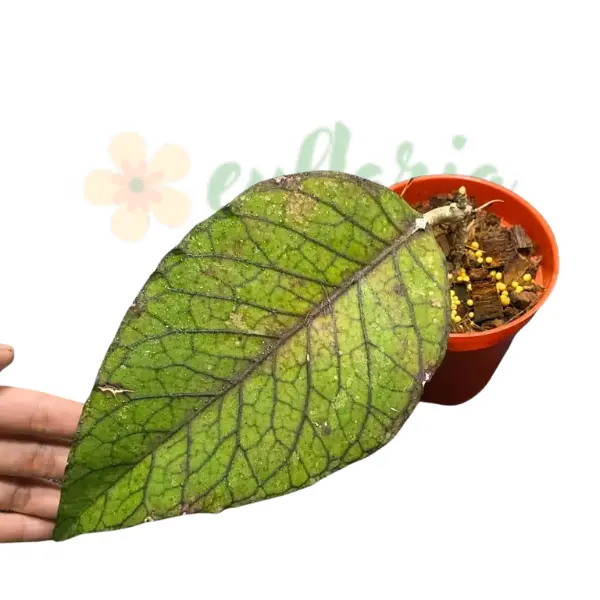
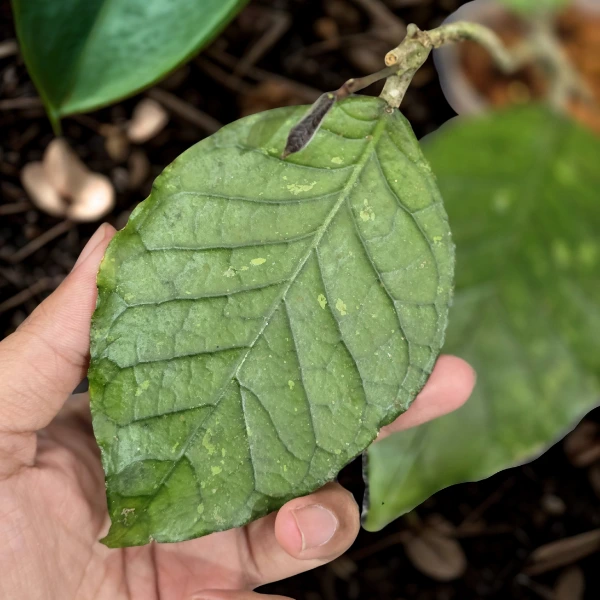
The colour is a deep, saturated green with a natural gloss that produces subtle metallic reflections under strong light. The adaxial (upper) surface is smooth, almost polished in appearance, while the abaxial (lower) surface reveals a network of prominent veins forming an elegant reticulate pattern. Leaf margins are entire and gently undulating, with the apex varying from acute to slightly rounded depending on individual leaf development.
Petioles are short and extremely robust — measuring 2 to 4 cm — necessarily sturdy to support the considerable weight of the mature leaves. New foliage emerges with a reddish tint that gradually transforms into the mature deep green as the leaf reaches full size. The combination of large size, impressive thickness, and glossy surface makes each leaf feel almost like a living artefact — a tangible piece of tropical forest biology brought into the domestic environment.
🌸 The Flowers
The flowers of Hoya clemensiorum are every bit as impressive as the foliage. Arranged in pendant umbels containing 10 to 20 individual blooms, they display rich coloration ranging from deep red to reddish-brown, with the characteristic waxy texture and contrasting staminal corona that define the genus. Each individual flower measures approximately 1.5 to 2 cm in diameter, and the overall effect of a full umbel in bloom is both elegant and dramatic.
The fragrance is sweet and intense, with pronounced notes of chocolate and caramel that become significantly stronger during the evening hours, when the plant’s nectar production peaks to attract nocturnal pollinators. A single flowering umbel can perfume an entire room, and the scent persists throughout the flowering period, which typically lasts 7 to 14 days per umbel. The persistent peduncles should never be removed after flowering, as they will produce new umbels in subsequent growing seasons.
Flowering maturity is reached after 3 to 5 years of growth, requiring patience from the cultivator. The conditions necessary to stimulate flowering include bright indirect light, a slight day-night temperature differential, and a period of reduced watering during the winter months that mimics the seasonal patterns of its native habitat.
🌱 Growth Habits and Cultivation
Hoya clemensiorum develops a vigorous climbing habit with thick, somewhat woody stems that extend in search of vertical supports. Growth rate is slow to moderate, but each new leaf is a visual event given the impressive dimensions involved. The plant can be trained on a robust moss pole or trellis, where the stems will attach using strong adventitious roots that develop along their length.
Due to the substantial size and weight of the leaves, this species requires stable support. It is not ideal for hanging baskets unless these are exceptionally sturdy. Over the years, the plant develops a woody base to its main stems, lending it an increasingly mature and imposing appearance that befits its status as one of the genus’s most impressive species.
- Light: Bright indirect light is optimal. Tolerates 2–3 hours of direct morning sun, but afternoon sun can scorch the leaves. Insufficient light reduces the size of new leaves and slows growth further. An east-facing window provides ideal conditions.
- Temperature: Optimum 20°C–30°C. Absolute minimum 15°C. This tropical species does not tolerate cold — below 15°C, growth ceases entirely and leaves may drop. Avoid cold draughts and sudden temperature changes.
- Watering: Allow the substrate to dry 50–70% between waterings. The succulent leaves store water effectively, meaning the plant tolerates drought far better than overwatering. Reduce watering significantly in winter.
- Humidity: Prefers 60–80%. Adapts to 50% but growth is visibly optimised at higher humidity levels. A room humidifier or regular misting provides beneficial additional moisture.
- Substrate: Well-draining epiphyte mix: 40% coarse pine bark, 30% perlite, 20% coco coir, 10% activated charcoal. The pot must provide excellent drainage to prevent root rot.
- Fertilising: Balanced fertiliser diluted to half strength twice monthly during the growing season (March–September). Cease feeding during winter dormancy.
- Propagation: Stem cuttings with 2–3 nodes in moist sphagnum or perlite during spring and summer. Rooting takes 4–8 weeks. Ensure cuttings include at least one leaf node for successful establishment.
Lungime: 15 cm
Greutate (kg): 0.5 Kg
Denumire: Hoya
Diametru: 10.5 cm
Cerințe lumină: Partial umbra
Tip plantă: Decorative
Utilizare: Interior
Tip suport: Ghiveci
Material Suport: Plastic
What differentiates Hoya clemensiorum SUMATRA from other forms?
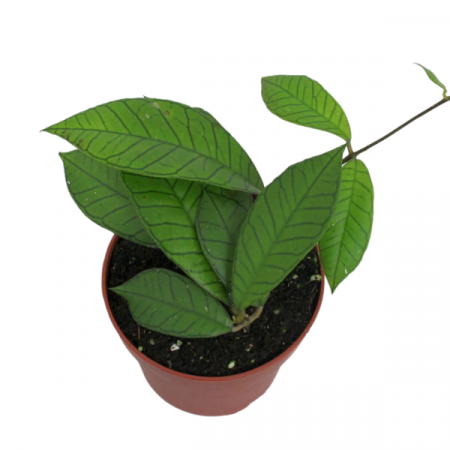
The SUMATRA form is distinguished by its long, narrow, deeply veined leaves with a very clear contrasting pattern. It is known for its leaf appearance, not for its frequent flowering.
Does it need bright light?
Yes. To maintain firm texture and leaf pattern, bright but indirect light is recommended. Avoid intense direct sunlight.
Is it an easy-to-care plant?
It is rather moderate in difficulty. It grows slowly and appreciates a stable environment, a very aerated substrate and moderate watering.
Does the SUMATRA form bloom often?
It rarely flowers indoors and only after reaching maturity. The flowers are typical of the Hoya genus, waxy, but this form is grown primarily for its foliage.
What kind of substrate does it need?
A very aerated mixture: shredded bark, perlite, a little peat and possibly coconut chips. Excess water can damage the roots.
Is it suitable for beginners?
For advanced beginners or enthusiasts who already have experience with the slower growing Hoya species.
Recommendations
Ai nevoie și de un ghiveci decorativ?







