EN/
EN/ Romana
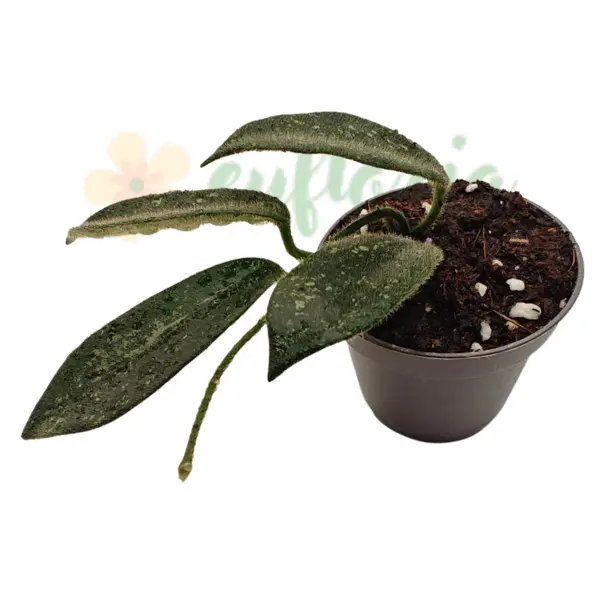
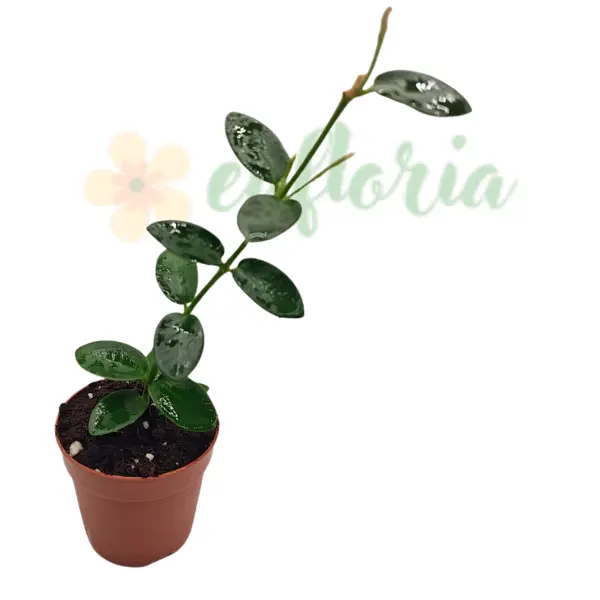
Hoya caudata 'Silver Aceh' — Cutting
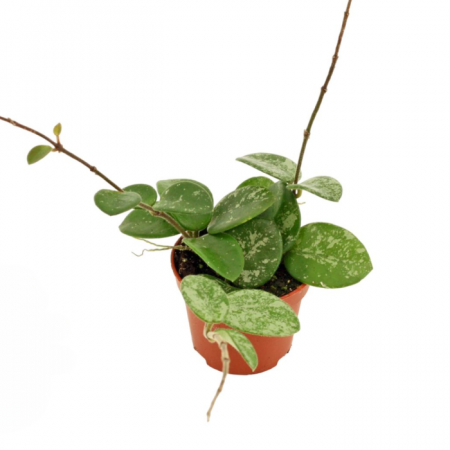
![Hoya caudata 'Silver Aceh' cutting with silver-spotted velvety leaves [0]](https://gomagcdn.ro/domains2/eufloria.ro/files/product/medium/hoya-caudata-argentea-copie-167768.webp "Hoya caudata 'Silver Aceh' cutting with silver-spotted velvety leaves [0]")
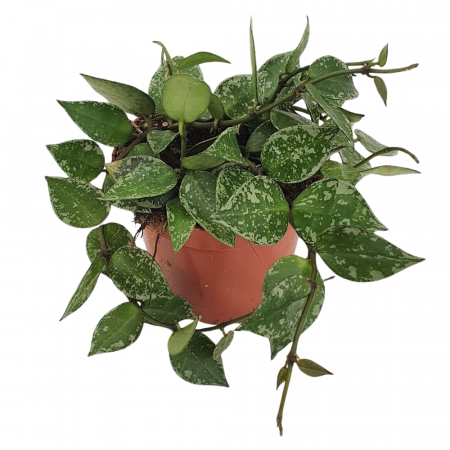
![Hoya caudata 'Silver Aceh' cutting with silver-spotted velvety leaves [1]](https://gomagcdn.ro/domains2/eufloria.ro/files/product/medium/hoya-walliniana-high-splash-copie-1785166326.webp "Hoya caudata 'Silver Aceh' cutting with silver-spotted velvety leaves [1]")
![Hoya caudata 'Silver Aceh' cutting with silver-spotted velvety leaves [1]](https://gomagcdn.ro/domains2/eufloria.ro/files/product/original/hoya-caudata-argentea-copie-167768.webp "Hoya caudata 'Silver Aceh' cutting with silver-spotted velvety leaves [1]")
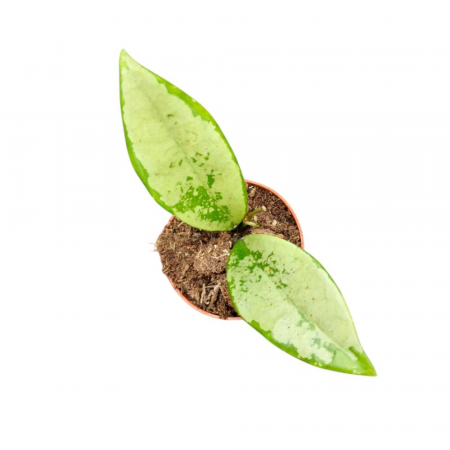
![Hoya caudata 'Silver Aceh' cutting with silver-spotted velvety leaves [2]](https://gomagcdn.ro/domains2/eufloria.ro/files/product/original/hoya-walliniana-high-splash-copie-1785166326.webp "Hoya caudata 'Silver Aceh' cutting with silver-spotted velvety leaves [2]")
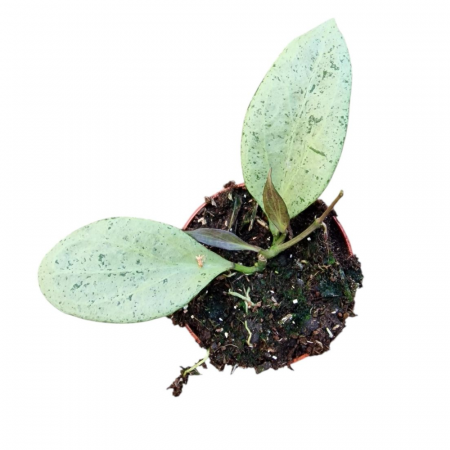
Hoya caudata 'Silver Aceh' is a rare variety native to the Aceh province in northern Sumatra, prized for its velvety dark-green leaves dotted with striking silver spots. The cutting ships with 2-3 nodes, ready for propagation in moist sphagnum moss or perlite. An ideal choice for collectors seeking a Hoya with uniquely textured, decorative foliage and the promise of fragrant umbel flowers at maturity.
Flowering state: No flowers
Country of origin: Indonesia
Pot diameter: (no pot)
Nodes: 2-3
- Description
- Characteristics
- Reviews (0)
- FAQ
🌿 Hoya caudata 'Silver Aceh' — A Tropical Jewel for Passionate Collectors
Hoya caudata 'Silver Aceh' is one of the most sought-after varieties within the Hoya genus, an epiphytic plant from the Apocynaceae family that originates in the Aceh province, located on the northern tip of Sumatra, Indonesia. This humid tropical area, rich in montane forests and unique ecosystems, has given rise to some of the most spectacular Hoya varieties, and 'Silver Aceh' is without doubt one of the most striking.
Its thick, velvety leaves, deep green in color, are decorated with lustrous silver spots that appear to reflect light like tiny natural mirrors. This rare visual combination transforms it into a highly prized collector's plant, appealing both to seasoned collectors and to enthusiasts who value exceptional plant textures. The cutting offered here is an open invitation to those who wish to begin their own journey of growing this species — a summons to patience, observation, and delight.
Receiving a cutting with 2-3 viable nodes, the grower has healthy material ready for rooting in moist sphagnum moss, fine perlite, or a specialized airy epiphyte mix. Within a few weeks, if humidity and temperature parameters are respected, the first white rootlets will appear, followed in time by new shoots bearing the distinctive silver-splashed foliage.
🌱 Origin, Natural Habitat and Botanical Discovery
The species Hoya caudata was first described in the 19th century by botanists exploring the tropical forests of Southeast Asia. The 'Silver Aceh' variety, however, is a relatively recent selection, originating from a wild population found in the Aceh province. This mountainous region, sitting at the junction of the Indian Ocean and the Malacca Strait, harbors some of the world's most biodiverse tropical ecosystems, with remarkable flora and many endemic species.
In its natural habitat, Hoya caudata grows as an epiphyte, clinging to the trunks of mature trees, where it benefits from consistently high humidity, indirect light filtered through the canopy, and excellent air circulation. Its aerial roots grip the bark and absorb moisture from the atmosphere as well as nutrients from the natural matter accumulated in natural tree hollows. Understanding these native conditions helps cultivators recreate the optimal growing environment as faithfully as possible.
The climatic particularities of the Aceh province — prolonged rainy seasons, steady temperatures around 24-28°C, and high atmospheric humidity — explain why this variety appreciates warm, humid cultivation settings so much. In the absence of these conditions, the plant can survive, but its growth will be slower and the foliage less vigorous.
✨ Distinctive Features and Decorative Appeal
What radically sets Hoya caudata 'Silver Aceh' apart from other varieties is the texture of its leaves: they are thick, succulent, with a slightly velvety surface to the touch due to the microscopic hairs that cover them. This texture traps moisture from the air and reflects light in a remarkable way, giving the plant an almost iridescent appearance at certain moments of the day.
The silver spots — the so-called splashes — are randomly distributed on each leaf, never identical. This natural variation gives each plant its own personality, a detail much appreciated by collectors. As the leaves mature, the splashes may become more pronounced or, conversely, more subtle, depending on the amount of light received. An increase in bright indirect light intensifies the contrast.
The stems are vining, capable of climbing up supports or cascading elegantly from a hanging basket. The internodal distance is moderate, and each node is capable of producing new aerial roots and, at maturity, flower peduncles. The flowers appear in compact umbels, small, waxy, in shades ranging from creamy white to rosy red at the center, and they emit a delicate fragrance, especially in the evening hours — an olfactory experience unmatched for plant lovers.
🏡 Cultivation Requirements and Care Recommendations
To achieve optimal results when growing a Hoya caudata 'Silver Aceh' from cutting, the first step is preparing an appropriate rooting medium. High-quality sphagnum moss, kept lightly moist but never soggy, offers the perfect combination of humidity and aeration. Alternatively, a mix of perlite and fine pine bark works excellently. Place the cutting with the nodes partially covered and maintain atmospheric humidity at 70-80% — a propagation bag or mini-greenhouse are practical solutions.
Ideal light is bright indirect, filtered through a sheer curtain or near an east- or northeast-facing window. Direct sun rays can scorch the delicate leaves, while insufficient light slows growth and reduces the intensity of the silver splashes. If natural light is limited, supplement with a full-spectrum LED bulb positioned 30-40 cm above the plant, running 12-14 hours per day.
Watering must be measured carefully — Hoya does not tolerate permanently wet substrate. Allow the top layer to dry completely before the next watering. During the growing season (spring-summer), water every 7-10 days, and in winter reduce to every 2-3 weeks. Soft, room-temperature water is preferred. Fertilize monthly during the active period with a balanced fertilizer for tropical plants, diluted to half the recommended dose.
Optimal temperature ranges from 20°C to 28°C. The plant tolerates temporary drops down to 16°C, but below this value it may suffer. Avoid cold drafts and sudden temperature changes, especially in winter. High atmospheric humidity (60-80%) is essential for growing healthy leaves with optimal texture and color.
💫 Why Choose a Hoya caudata 'Silver Aceh' Cutting
Choosing a cutting instead of a mature plant offers multiple advantages for plant enthusiasts. Firstly, the process of rooting and growth becomes a personal journey of observation and learning — you witness with your own eyes how a node develops its first rootlet, how new leaves unfurl and gain the characteristic silver splashes, how the plant adapts to your specific environment. This experience cannot be bought; it is cultivated.
Secondly, plants obtained through rooted cuttings are usually more robust and better adapted to the growing conditions of your home, because they formed in that environment from the very beginning. A Hoya moved from a greenhouse into an apartment may suffer adaptation shocks (leaf drop, halted growth), while a cutting rooted at home avoids this problem entirely.
'Silver Aceh' is especially appreciated for its comparative resilience in relation to other more sensitive variegated varieties. The silver splashes are not actually a fragile genetic variation (as in the case of white-cream variegates), but a natural reflective surface layer of the leaf, so the plant retains its distinctive appearance even in less-than-ideal conditions — an asset for novice collectors learning to care for Hoya.
Not least, the cost-efficiency of a rare plant is better appreciated in cutting form. A mature Hoya caudata 'Silver Aceh' plant can exceed hundreds of euros in specialized European collections, while a healthy cutting offers you the same genetic heritage at a fraction of the price, with the added satisfaction of having grown the plant from the initial fragment. Eufloria ships throughout the EU with careful packaging that protects the cutting during transit, ensuring it arrives in optimal condition for rooting.
Denumire: Hoya
Diametru: (fără ghiveci)
Cerințe lumină: Partial umbra
Tip plantă: Decorative
Utilizare: Interior
Is the Hoya caudata 'Silver Aceh' cutting hard to root?
How many leaves will appear on the cutting after rooting?
Do the silver splashes fade if the light is insufficient?
Is the plant toxic to cats or dogs?
How long before the plant flowers for the first time?
Ai nevoie și de un ghiveci decorativ?