EN/
EN/ Romana
Hoya sp. Aceh Ø12cm (exemplare dezvoltate)
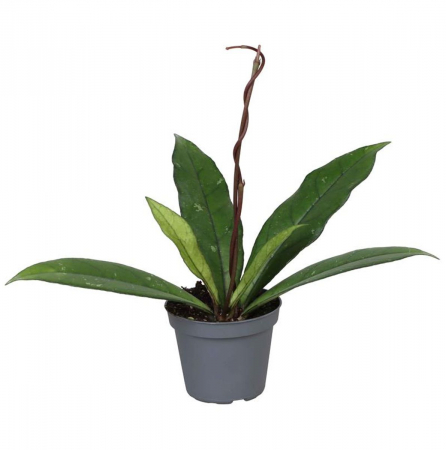
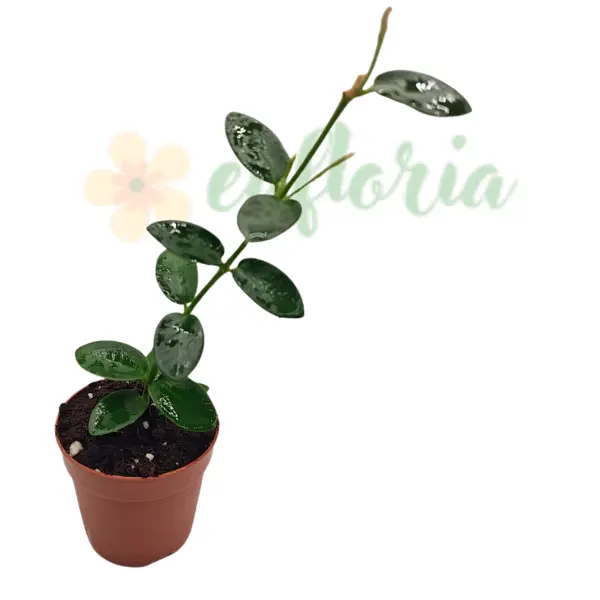
![Hoya sp. Aceh – rare epiphytic plant from Sumatra with spectacularly veined leaves [0]](https://gomagcdn.ro/domains2/eufloria.ro/files/product/medium/hoya-sp-aceh-d12-540298.jpg "Hoya sp. Aceh – rare epiphytic plant from Sumatra with spectacularly veined leaves [0]")
![Hoya sp. Aceh – rare epiphytic plant from Sumatra with spectacularly veined leaves [1]](https://gomagcdn.ro/domains2/eufloria.ro/files/product/medium/hoya-sp-aceh-d12-185868.png "Hoya sp. Aceh – rare epiphytic plant from Sumatra with spectacularly veined leaves [1]")
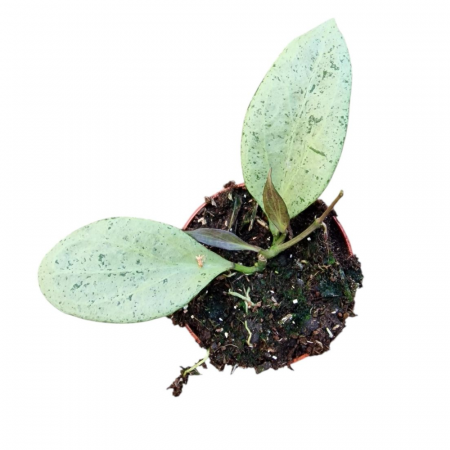
![Hoya sp. Aceh – rare epiphytic plant from Sumatra with spectacularly veined leaves [1]](https://gomagcdn.ro/domains2/eufloria.ro/files/product/original/hoya-sp-aceh-d12-540298.jpg "Hoya sp. Aceh – rare epiphytic plant from Sumatra with spectacularly veined leaves [1]")
![Hoya sp. Aceh – rare epiphytic plant from Sumatra with spectacularly veined leaves [2]](https://gomagcdn.ro/domains2/eufloria.ro/files/product/original/hoya-sp-aceh-d12-185868.png "Hoya sp. Aceh – rare epiphytic plant from Sumatra with spectacularly veined leaves [2]")
Approx height (including pot): 15 cm
Flowering state: No flowers
Country of origin: Netherlands
Pot diameter: 12 cm
- Description
- Characteristics
- Reviews (0)
🌿 Hoya sp. Aceh — The Green Enigma from Sumatra’s Virgin Forests
Among the most mysterious and sought-after plants in Hoya collections worldwide, Hoya sp. Aceh occupies a special place — a species that has not yet received a formal scientific name, but which has won collectors’ hearts through its spectacular foliage, with venation so prominent it appears engraved into every leaf. Collected from the primary tropical forests of Aceh Province, at the northern tip of Sumatra, this Hoya carries within it the spirit of one of the most biodiverse ecosystems on the planet.
Aceh Province is renowned in the botanical world for its virgin tropical forests covering the slopes of the Barisan Mountains, harbouring an epiphytic flora of incredible diversity. Hoya sp. Aceh is one of the purest expressions of this natural heritage — a plant that, through its millennial adaptation to life in the forest canopy, has developed unique morphological traits that make it unmistakable in any collection.
The specimens offered on Eufloria.ro are mature, well-developed plants with an established root system and vegetative vigour that promises generous growth and, in time, spectacular flowering. These are ideal plants for the collector seeking not just rarity but substance — specimens that can become centrepieces in a Hoya collection.
🌍 Origin and Botanical History
Hoya sp. Aceh is a formally undescribed species collected from the tropical montane forests of Aceh Province, in northern Sumatra, Indonesia. This province, which encompasses significant portions of Gunung Leuser National Park — a UNESCO World Heritage Site — is considered one of the most important biodiversity centres in Southeast Asia. The humid tropical forests extend from sea level to over 3,000 m altitude, creating an immense ecological gradient supporting extraordinary botanical diversity.
The genus Hoya belongs to the family Apocynaceae, subfamily Asclepiadoideae, and currently numbers over 500 described species according to the World Checklist of Selected Plant Families (Kew Gardens). Sumatra, with its complex topography and constant equatorial climate, is a hotspot for Hoya diversity, with estimates of 40–60 species on the island, many of which remain undescribed. Climatic conditions in the collection zone include temperatures of 23–28°C, humidity of 85–95%, and rainfall of 2,000–3,500 mm annually.
🌱 The Foliage
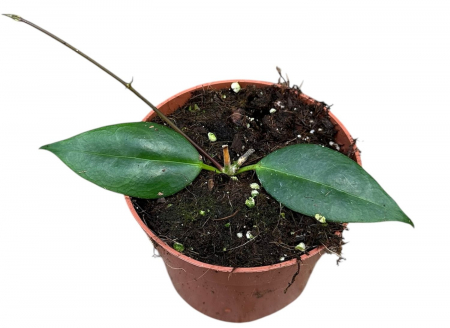
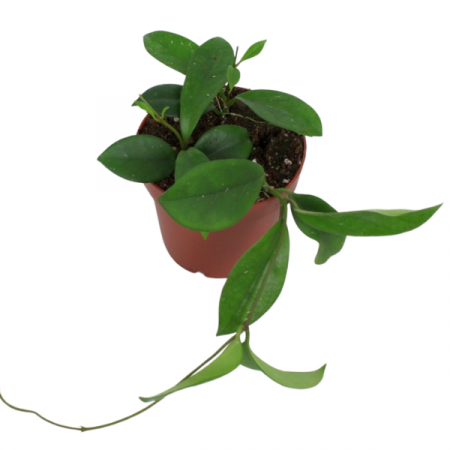
The leaves of Hoya sp. Aceh are, without exaggeration, the defining element of this species. Generously sized — 8–15 cm long and 5–8 cm wide — the leaves are oval to elliptic-lanceolate, with a slightly acuminate tip and rounded base. The texture is semi-thick, waxy, with the firm yet flexible consistency typical of succulent epiphytes.
What makes the leaves truly exceptional is the extraordinarily prominent network of veins. The midrib and lateral veins rise visibly above the leaf surface, creating a three-dimensional effect reminiscent of filigree metalwork. The venation forms a complex reticulate pattern, with secondary and tertiary veins dividing the leaf surface into small sectors, producing an almost hypnotic visual texture. Under bright indirect light, the veins take on a lighter reflex against the leaf blade, further accentuating this unique sculptural effect.
The base colour is a rich, lustrous deep green, covered by the subtle waxy layer that protects the plant from dehydration and lends the characteristic satiny appearance. Young leaves may display lighter shades, sometimes with faintly bronzed reflexes, intensifying as they mature.
🌸 The Flowers
As a formally undescribed species, details about the flowers of Hoya sp. Aceh come from collector community observations. The flowers appear in compact, spherical or hemispherical umbels containing 15–25 individual blooms. Each corolla bears the classic five-pointed star shape, coated in the waxy layer that gives Hoya flowers their unmistakable appearance of living natural jewels.
Flower colour ranges from creamy white to pale pink, with a more intensely coloured central corona. The fragrance is described as sweet and complex, with notes of honey and tropical flowers, intensifying in the evening and throughout the night — an adaptation to nocturnal natural pollinators. Abundant nectar collects in the centre of each corolla, glistening in light.
Peduncles are persistent and must not be removed after flowering. In cultivation, flowering requires maturity (3–5 years), bright indirect light, a slightly snug pot, and winter rest at 15–18°C. The specimens offered, being already well-developed, are closer to the maturity needed for flowering than young plants.
🌱 Growth Habit and Care
Hoya sp. Aceh has a twining-trailing habit, with robust stems that can extend up to 2–4 metres under optimal conditions. Being mature specimens offered in 12 cm pots, these plants have a well-established root system and superior vegetative vigour compared to young plants. Growth rate is moderate to vigorous — 20–30 cm per year at maturity — with stems that branch naturally, creating a rich, decorative volume.
Aerial roots develop abundantly along the stems, allowing the plant to anchor to supports and absorb ambient moisture. In cultivation, this adaptation can be exploited by training on sphagnum moss-covered supports. Alternatively, Hoya sp. Aceh excels in hanging baskets, where the large, spectacularly veined leaves create an impressive green cascade.
Care requirements reflect its tropical montane origin:
- Light: Bright indirect light. East or west window ideal. Avoid direct sun. Strong light accentuates the spectacular venation.
- Temperature: 18–28°C optimally. Tolerates 15°C temporarily. Winter rest at 15–18°C stimulates flowering.
- Watering: Allow substrate to dry 70–80% between waterings. Summer: every 7–10 days; winter: every 2–3 weeks. Filtered or dechlorinated water.
- Humidity: 60–80% optimal. Adapts to 40–50%. Mist leaves during the warm season.
- Substrate: 40% pine bark, 30% perlite, 20% coco coir, 10% activated charcoal. pH 5.5–6.5. Excellent drainage.
- Fertilising: NPK 10-10-10 diluted, monthly April–September. NPK 10-30-20 July–August to stimulate flowering.
- Propagation: Stem cuttings with 2–3 nodes, in water or moist perlite, 22–26°C. Rooting: 4–8 weeks.
Lungime: 12 cm
Greutate (kg): 0.5 Kg
Denumire: Hoya
Diametru: 12 cm
Cerințe lumină: Strong, indirect light
Tip plantă: Decorative
Utilizare: Interior
Tip suport: Ghiveci
Material Suport: Plastic
Ai nevoie și de un ghiveci decorativ?