EN/
EN/ Romana
Hoya carnosa 'Dee's Big One' (skinneriana) Ø12cm
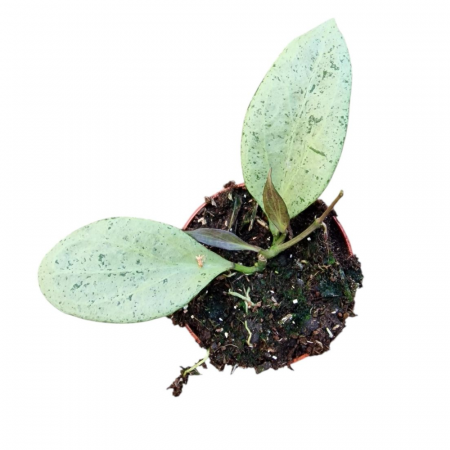
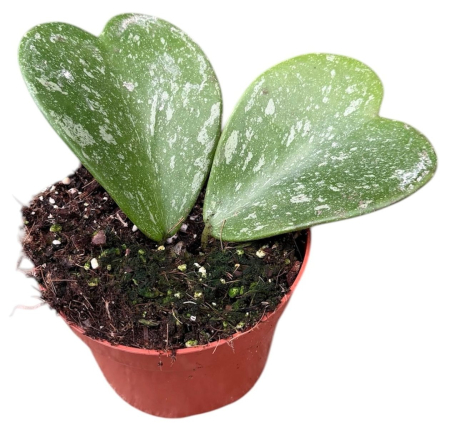
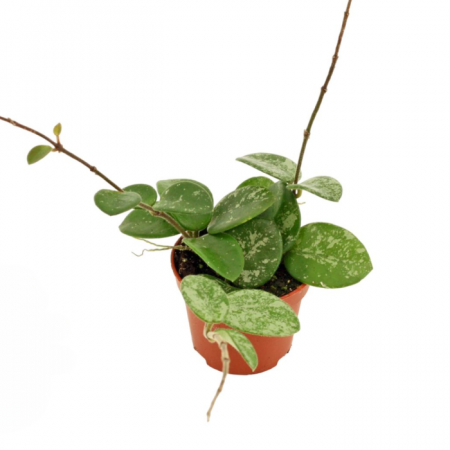
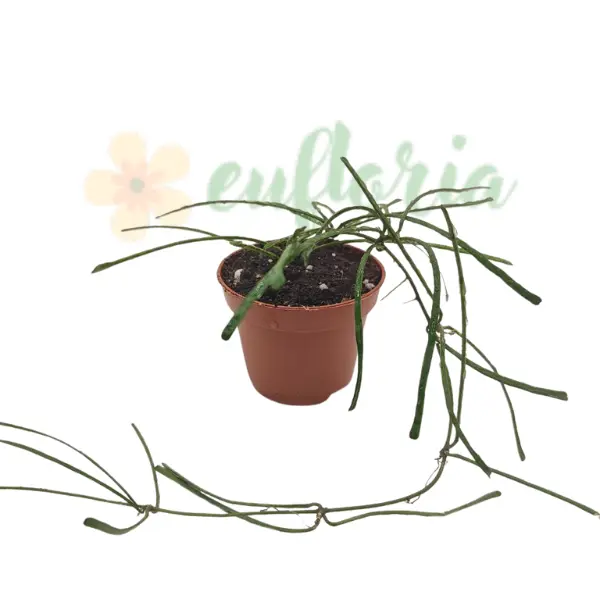
![Hoya 'Dee's Big One' (skinneriana) — Hoya with impressively large waxy dark green leaves and fragrant pink flowers [0]](https://gomagcdn.ro/domains2/eufloria.ro/files/product/medium/hoya-carnosa-dee-s-big-one-d12-455052.png "Hoya 'Dee's Big One' (skinneriana) — Hoya with impressively large waxy dark green leaves and fragrant pink flowers [0]")
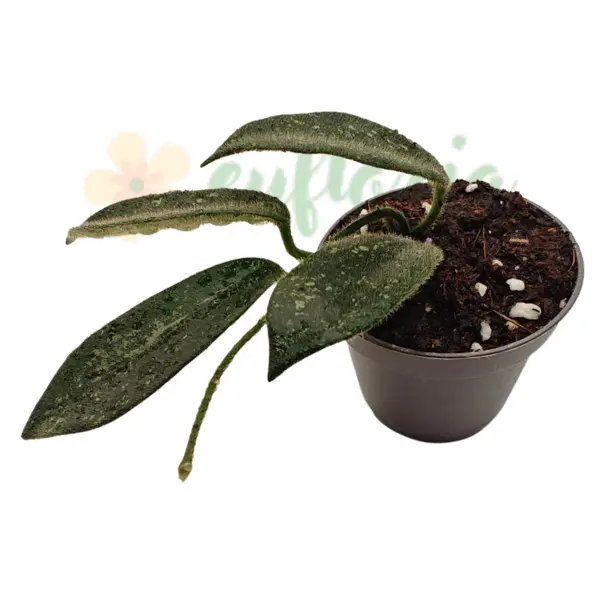
![Hoya 'Dee's Big One' (skinneriana) — Hoya with impressively large waxy dark green leaves and fragrant pink flowers [1]](https://gomagcdn.ro/domains2/eufloria.ro/files/product/medium/hoya-carnosa-dee-s-big-one-d12-492332.png "Hoya 'Dee's Big One' (skinneriana) — Hoya with impressively large waxy dark green leaves and fragrant pink flowers [1]")
![Hoya 'Dee's Big One' (skinneriana) — Hoya with impressively large waxy dark green leaves and fragrant pink flowers [1]](https://gomagcdn.ro/domains2/eufloria.ro/files/product/original/hoya-carnosa-dee-s-big-one-d12-455052.png "Hoya 'Dee's Big One' (skinneriana) — Hoya with impressively large waxy dark green leaves and fragrant pink flowers [1]")
![Hoya 'Dee's Big One' (skinneriana) — Hoya with impressively large waxy dark green leaves and fragrant pink flowers [2]](https://gomagcdn.ro/domains2/eufloria.ro/files/product/original/hoya-carnosa-dee-s-big-one-d12-492332.png "Hoya 'Dee's Big One' (skinneriana) — Hoya with impressively large waxy dark green leaves and fragrant pink flowers [2]")
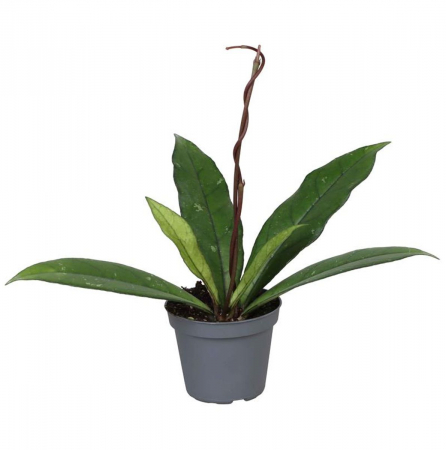
Hoya 'Dee's Big One', also known as Hoya skinneriana, is a remarkable Hoya with impressively large leaves (10–15 cm), much more imposing than those of standard Hoya carnosa. A cultivar with presence and visual impact, named in honour of Dee, friend of the famous Hoya expert Ted Green. Fragrant pink flowers in compact umbels.
- 🌸 Flowers: compact umbels 15–30 star-shaped blooms, white-pink, caramel and honey scent
- 🍃 Leaves: elongated 10–15 cm, waxy lacquered, medium-dark green
- ☀️ Light: bright indirect, 6–8h/day
- 💧 Water: moderate, well-drained substrate
- 🐾 Pet-safe for cats and dogs
Approx height (including pot): 15 cm
Flowering state: No flowers
Pot diameter: 12 cm
- Description
- Characteristics
- Reviews (0)
- FAQ
🌿 Hoya 'Dee's Big One' (skinneriana) — Hoya with Impressively Large Leaves and Fragrant Blooms
Hoya 'Dee's Big One', also known as Hoya skinneriana or Hoya carnosa 'Dee's Big One', is a remarkable specimen in the Hoya universe, distinctive for its unusually large leaves — much more imposing than those of the typical Hoya carnosa — and for its abundant flowering with umbels of fragrant pink star-shaped flowers. It is a plant for those who want a Hoya with "presence" — its thick and generous leaves transform each specimen into a decorative piece of great visual impact, impossible to overlook in any collection.
This cultivar has become famous in the international Hoya collector community thanks to the impressive size of its leaves, which can reach 10–15 centimetres in length, almost double those of standard Hoya carnosa. The elongated and slightly curved shape of the leaves, combined with their thick, waxy, and lacquered texture, gives the plant a stately and mature appearance even at a relatively young age. It is the kind of Hoya that makes you stop and look twice.
The name 'Dee's Big One' was given in honour of Dee, a friend of the renowned Hoya expert Ted Green, one of the most important specialists in the Hoya genus of the 20th century. The name captures the spirit of the plant perfectly — "Dee's big one" — and reflects the horticultural tradition of naming cultivars after people significant to their discovery or propagation. The taxonomic relationship with Hoya skinneriana remains a subject of ongoing botanical debate, with some experts considering them synonymous while others view it as a distinct cultivar of Hoya carnosa.
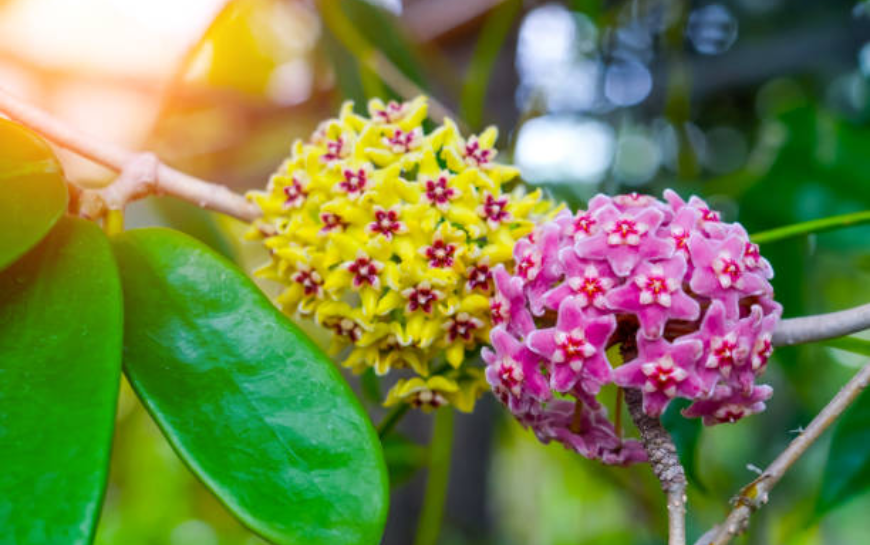
Flowering is as impressive as the leaves — round compact umbels with 15–30 small star-shaped blooms, white-pink to pink in colour, with a red or dark-pink central corona. The fragrance is sweet, strong, and characteristic of Hoya carnosa, with notes of caramel and honey, more intense in the evening and at night. Mature plants produce several umbels per season, and the permanent peduncles ("spurs") rebloom in subsequent years, making each flowering an eagerly awaited event.
🌍 Origin and Botanical History
The taxonomic status of Hoya 'Dee's Big One' is a subject of ongoing debate among experts. It is often labelled as Hoya carnosa 'Dee's Big One' or as Hoya skinneriana, with the two names being used interchangeably in international horticultural trade. Hoya skinneriana was originally described by the botanist Maxwell T. Masters in 1881, based on specimens collected by George Ure-Skinner, a Scottish botanist and collector who was active in Central America in the 19th century. The species name honours Skinner's contribution to the botanical knowledge of the region.
The geographical origin of Hoya skinneriana is considered to be Southeast Asia, especially the tropical regions of the Philippines and Indonesia, where it grows naturally as an epiphytic plant on the trunks of trees in humid tropical forests. Its natural habitat offers constantly high humidity, stable warm temperatures throughout the year, and light filtered through the dense canopy. The plant climbs with the help of aerial roots that develop from nodes, clinging to the bark of host trees without parasitising them — it is strictly epiphytic, not parasitic.
Ted Green, famous for his extensive Hoya collection and his contributions to the taxonomy of the genus, identified and named 'Dee's Big One' as a remarkable cultivar with distinct characters. Ted Green was one of the most important Hoya experts of the 20th century, describing numerous new species and propagating valuable cultivars through his nurseries in Hawaii. His influence on the international Hoya collector community is immense, and many of the most popular cultivars that collectors work with today bear the mark of his expertise.
The genus Hoya was named in honour of the English botanist Thomas Hoy (1750–1822), gardener to the Duke of Northumberland, who cultivated numerous tropical plants imported to Europe at the end of the 18th century. The Apocynaceae family, which includes the Hoya genus, also contains other famous plants such as oleander, frangipani, and plumeria. The genus today contains over 500 described species and continues to grow as new species are discovered in the tropical forests of Southeast Asia, the main habitat of Hoya diversity.
🌱 Foliage and Visual Characteristics
What makes Hoya 'Dee's Big One' absolutely memorable are its impressively large leaves. While standard Hoya carnosa has leaves of 5–8 cm in length, this cultivar can produce leaves of 10–15 cm in length or even more under optimal growing conditions, being one of the largest leaves in the Hoya carnosa family. The shape is elongated, ovate-elliptical, with a slightly pointed tip and gradually narrowed base, while the edges are smooth and slightly wavy in some specimens, giving them an elegant appearance.
The texture of the leaves is remarkable — thick, fleshy, waxy, with a smooth and shiny surface that reflects light almost like mother-of-pearl skin. The colour is medium to dark green, uniform, without variegation, and the central vein is visible but not prominent. Under bright light, the leaves may develop slight reddish tints on the edges, complementing the colour palette with subtle accents that intensify depending on the intensity of light received.
The stems are moderately thick, more robust than those of standard Hoya carnosa to support the weight of the larger leaves, with internodes of 6–10 cm between nodes. The habit is climbing/trailing — the plant can be guided on moss poles, trellises, or hanging pots for spectacular cascading effects. In cultivation, mature plants develop stems 150–300 cm long, with moderate branching, creating imposing vegetal presences.
In mature nodes, permanent flower peduncles ("spurs") appear — short but essential structures that produce flowers repeatedly in each season. These peduncles should never be cut after flowering, as the plant will reuse the same points for future flowerings, year after year, a distinctive characteristic of the entire Hoya genus. The more the plant ages and develops more permanent peduncles, the more floriferous and rewarding it becomes for the owner, and the spectacle of flowerings increases in visual and olfactory intensity.
✨ Care and Growing Requirements
Hoya 'Dee's Big One' inherits the resilience and adaptability of the Hoya carnosa species, being a relatively easy plant to care for even for beginners. Its basic requirements include bright indirect light, moderate watering, stable warm temperatures, and a very well-draining substrate. Due to the larger size of the leaves, the plant may be slightly more demanding of light than standard Hoya carnosa — it requires good constant light to maintain the size and thickness of the large leaves that make it special.
Light is the critical factor for its development. 'Dee's Big One' requires bright indirect light, ideally 6–8 hours daily, to support vigorous growth and to stimulate flowering. East-facing windows are ideal, offering gentle direct morning light without the stress of afternoon rays. West-facing and south-facing windows are acceptable but require filtering through a sheer curtain to avoid leaf burn, especially in summer when the sun is intense.
- Light: Bright indirect, 6–8 hours daily. East ideal, west/south with filtering. Strong light stimulates large leaf growth and abundant flowering.
- Watering: Moderate. Let the top 2–3 cm of substrate dry between waterings. Every 5–7 days in summer, 10–14 days in winter. Do not leave standing water in the saucer.
- Temperature: 20–28°C during the growing season, minimum 15°C in winter. Does not tolerate cold below 13°C or cold winter drafts.
- Humidity: Moderate to high (55–75%). Appreciates occasional humidification, especially in heating months when the air becomes dry.
- Substrate: Very well-draining and airy. Epiphytic orchid mix combined with perlite, pine bark, and coconut fibres. Avoid compact substrates.
- Fertilising: Monthly during the growing season (April–September) with liquid fertiliser for flowering plants diluted to half strength. Do not fertilise in winter.
- Propagation: Through stem cuttings with 2–3 nodes. Roots appear in 4–8 weeks in moist sphagnum moss or water. The cultivar is easy to propagate.
To stimulate flowering, provide the plant with sufficient bright light and do not change its location frequently — Hoya prefers stability and can delay flowering if moved often. The large leaves need more water to remain turgid, but the plant is succulent and tolerates underwatering better than overwatering — when in doubt, let the substrate dry more before watering. In the cold season, reduce watering but maintain air humidity as constant as possible. A short cooling period in winter (15–18°C) can encourage more abundant flowering in spring.
⭐ Why Choose Hoya 'Dee's Big One' (skinneriana)
Hoya 'Dee's Big One' is the perfect choice for collectors who want a Hoya with presence, visual impact, and something out of the everyday. Its impressively large leaves instantly differentiate it from other Hoyas and transform it into a centrepiece of any collection. The combination of remarkable leaf size, waxy lacquered texture, robust climbing habit, and spectacular fragrant flowering makes this cultivar a valuable choice for both beginners attracted to its unique appearance and experienced collectors.
An important advantage is that all Hoya species, including Hoya 'Dee's Big One', are considered non-toxic to pets according to the ASPCA database. This makes it a safe choice for homes with cats, dogs, or curious small children. Safety is an essential criterion for many families who want to combine their love for plants with care for their pets, and Hoya solves this dilemma by offering tropical beauty without worry.
The climbing habit makes it versatile for different display styles — guided on a moss pole for an impressive vertical effect, suspended in a hanging pot for vegetal cascade, or directed on a decorative trellis. Its large leaves remain permanently attractive, offering constant decorative value even during periods without flowers — the plant is practically spectacular all year round. Being larger than standard Hoya carnosa, it also has a stronger visual impact, deserving the special place it occupies.
From Eufloria, you receive a healthy, carefully selected and well-rooted specimen, ready to continue its growth in its new home. Each plant is inspected before delivery and carefully packaged for safe transport. With a little attention and adequate conditions, Hoya 'Dee's Big One' will reward your effort with years of imposing ornamental beauty, increasingly large leaves as the plant matures, and the recurring spectacle of its fragrant flowers that transform every room into a special tropical corner with personality.
📚 Related blog articles

Lungime: 15 cm
Greutate (kg): 0.5 Kg
Denumire: Hoya
Diametru: 12 cm
Cerințe lumină: Partial umbra
Tip plantă: Decorative
Utilizare: Interior
Tip suport: Ghiveci
Material Suport: Plastic
How do I care for Hoya carnosa Dee’s Big One?
What makes Hoya carnosa Dee’s Big One special?
When does Hoya carnosa Dee’s Big One bloom?
Is Hoya carnosa Dee’s Big One toxic to pets?
How can I propagate Hoya carnosa Dee’s Big One?
Ai nevoie și de un ghiveci decorativ?