EN/
EN/ Romana
Hoya Rangsan
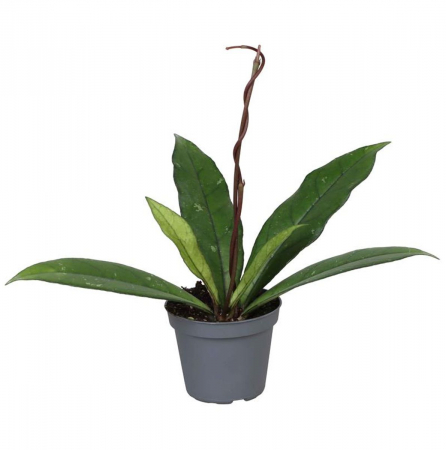
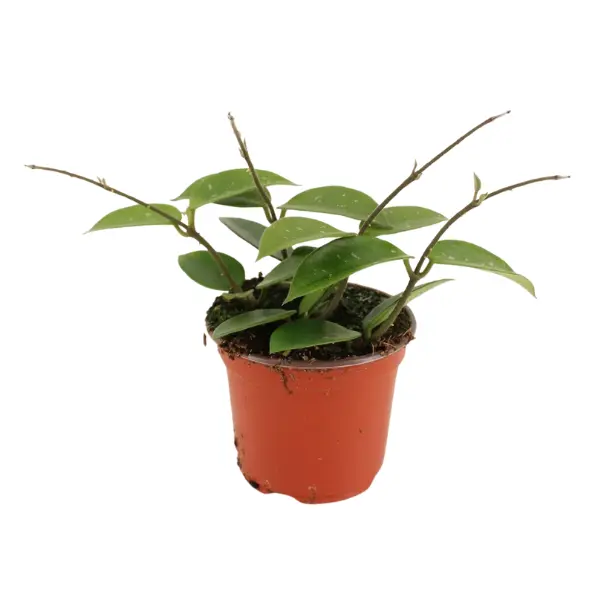
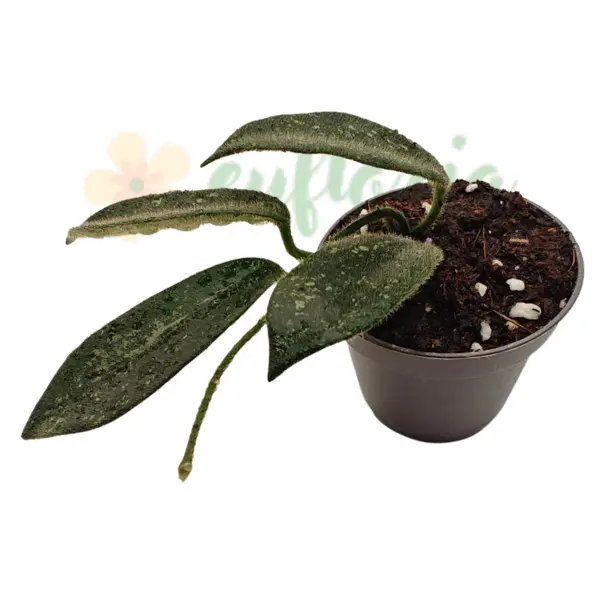
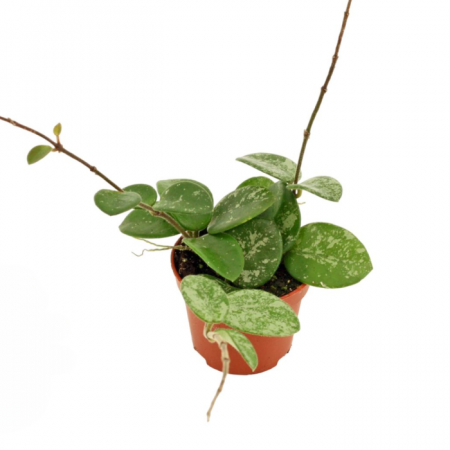
![Hoya Rangsan — fleshy green leaves with waxy texture, Eufloria [0]](https://gomagcdn.ro/domains2/eufloria.ro/files/product/medium/hoya-rangsan-242998.png "Hoya Rangsan — fleshy green leaves with waxy texture, Eufloria [0]")
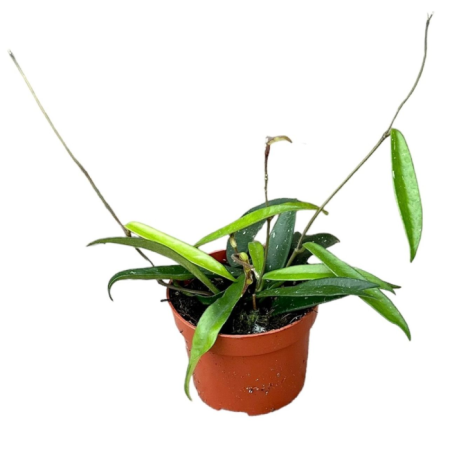
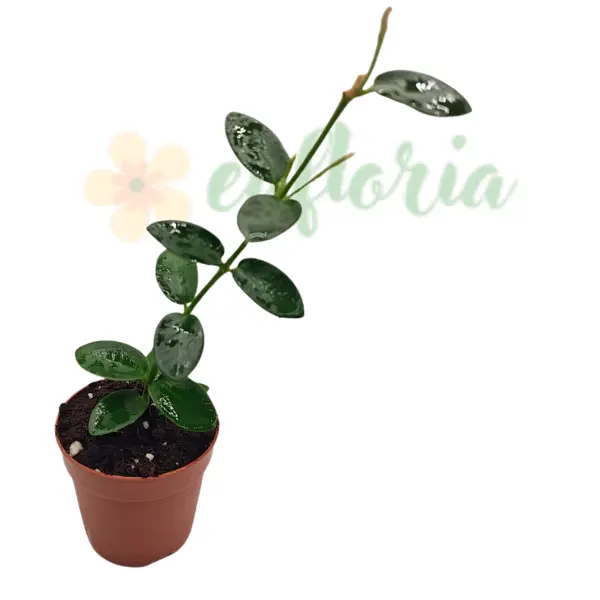
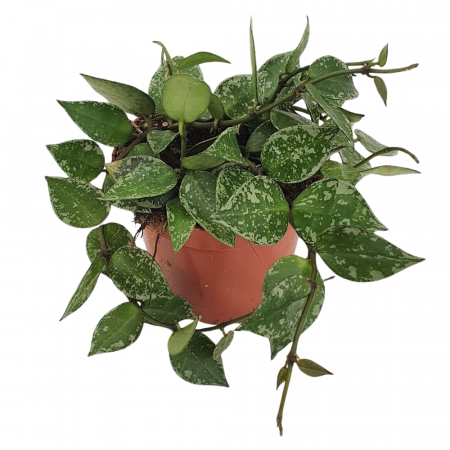
![Hoya Rangsan — fleshy green leaves with waxy texture, Eufloria [1]](https://gomagcdn.ro/domains2/eufloria.ro/files/product/medium/hoya-rangsan-662831.png "Hoya Rangsan — fleshy green leaves with waxy texture, Eufloria [1]")
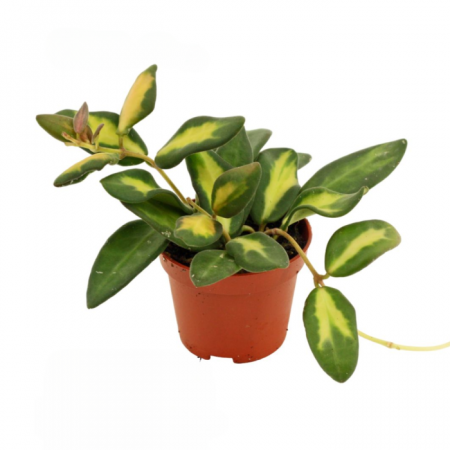
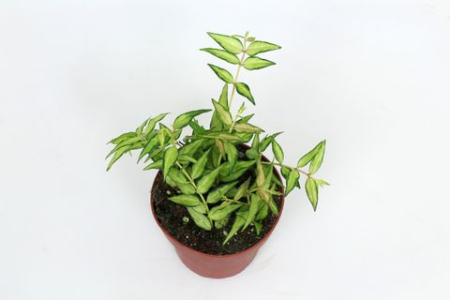
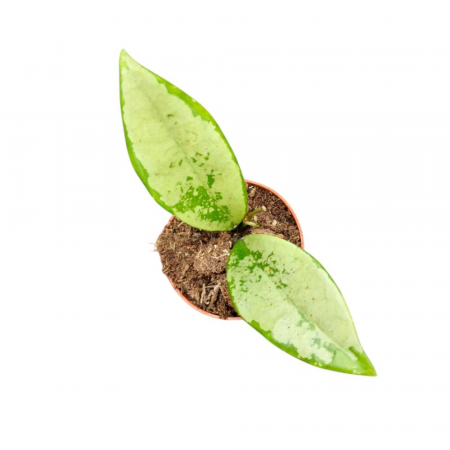
![Hoya Rangsan — fleshy green leaves with waxy texture, Eufloria [2]](https://gomagcdn.ro/domains2/eufloria.ro/files/product/medium/hoya-rangsan-exemplare-dezvoltate-896101.webp "Hoya Rangsan — fleshy green leaves with waxy texture, Eufloria [2]")
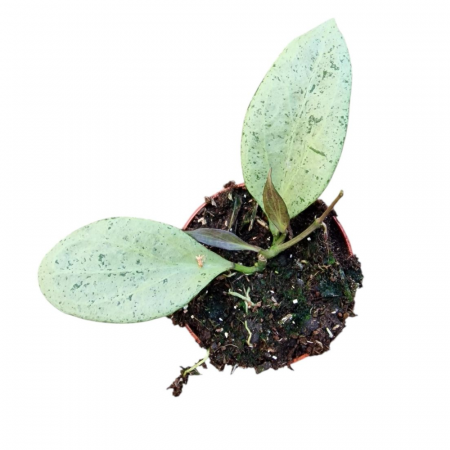
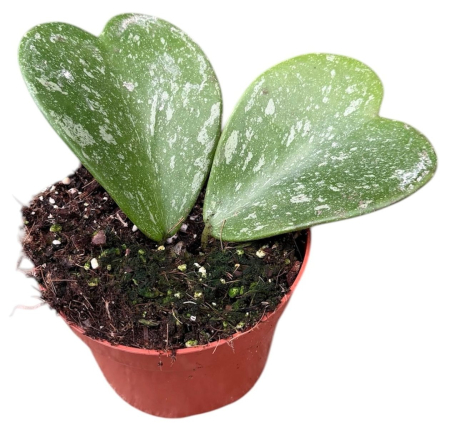
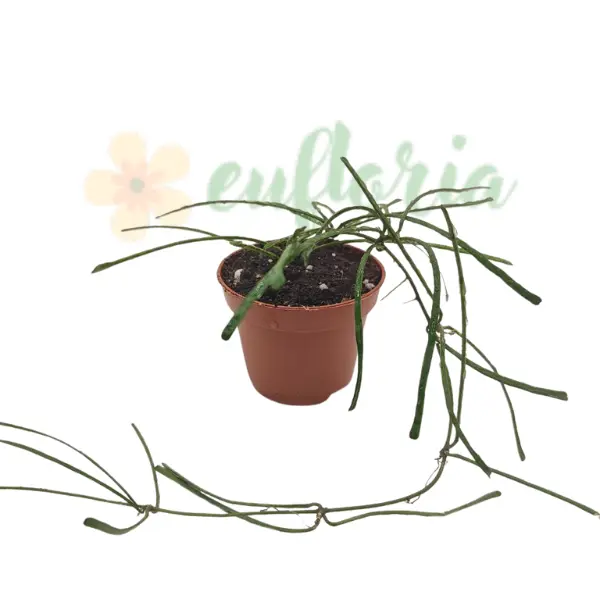
![Hoya Rangsan — fleshy green leaves with waxy texture, Eufloria [3]](https://gomagcdn.ro/domains2/eufloria.ro/files/product/medium/hoya-rangsan-exemplare-dezvoltate-352486.webp "Hoya Rangsan — fleshy green leaves with waxy texture, Eufloria [3]")
![Hoya Rangsan — fleshy green leaves with waxy texture, Eufloria [1]](https://gomagcdn.ro/domains2/eufloria.ro/files/product/original/hoya-rangsan-242998.png "Hoya Rangsan — fleshy green leaves with waxy texture, Eufloria [1]")
![Hoya Rangsan — fleshy green leaves with waxy texture, Eufloria [2]](https://gomagcdn.ro/domains2/eufloria.ro/files/product/original/hoya-rangsan-662831.png "Hoya Rangsan — fleshy green leaves with waxy texture, Eufloria [2]")
![Hoya Rangsan — fleshy green leaves with waxy texture, Eufloria [3]](https://gomagcdn.ro/domains2/eufloria.ro/files/product/original/hoya-rangsan-exemplare-dezvoltate-896101.webp "Hoya Rangsan — fleshy green leaves with waxy texture, Eufloria [3]")
![Hoya Rangsan — fleshy green leaves with waxy texture, Eufloria [4]](https://gomagcdn.ro/domains2/eufloria.ro/files/product/original/hoya-rangsan-exemplare-dezvoltate-352486.webp "Hoya Rangsan — fleshy green leaves with waxy texture, Eufloria [4]")
Hoya Rangsan — rare Thai hoya with fleshy deep green leaves, elegant waxy texture. Vining cascade stems for hanging pots. Fragrant cream star-shaped flowers with pink-purple centers. Humidity 50-70%, bright indirect light, 18-28°C. Refined plant for collectors.
Approx height (including pot): 20 cm
Flowering state: Flowers in development
- Description
- Characteristics
- Reviews (0)
- FAQ
🌿 Hoya Rangsan — the rare treasure of hoya collectors
Hoya Rangsan is a rare and appreciated hybrid in the Hoya genus, known for its fleshy, elongated leaves of deep green with waxy reflections that shine like satin under warm light. This elegant species, less common in collections than popular varieties of Hoya carnosa or Hoya kerrii, brings a note of refinement and exclusivity to any botanical collection.
Its leaves show a dense and leathery, semi-waxy texture specific to epiphytic hoyas of Southeast Asia. The average leaf length varies between 5-9 centimeters, with an elongated oval shape, and light filtered through the window splendidly catches their glossy surface. The vining stems naturally wrap around supports or flow in cascades over the edge of the hanging pot, creating living and dynamic botanical compositions.
When it blooms, Hoya Rangsan reveals one of the most spectacular floral appearances in the genus — compact umbels of star-shaped flowers in shades of pale cream with a pink-purple center, emitting a sweet and velvety fragrance with notes of honey and vanilla, more intense in the evening and at night. This combination of foliar refinement and fragrant flowering makes Hoya Rangsan a must-have for passionate collectors.
🌍 Botanical origin and history
Hoya Rangsan is a hoya native to the tropical forests of Thailand, where it grows epiphytically on tree trunks in low tropical areas. The name "Rangsan" comes from a locality or region in Thailand where the species was first collected. It is considered a relatively rare species in ornamental cultivation, particularly appreciated by collectors specialized in rare hoyas.
The Apocynaceae family (formerly Asclepiadaceae), to which the Hoya genus belongs, comprises over 200 species of hoyas distributed from India and the Himalayas to the Malay archipelago, Australia and the Pacific islands. The Hoya genus was established in 1810 by Scottish botanist Robert Brown, honoring the memory of his friend Thomas Hoy, head gardener of the Duke of Northumberland.
In its natural Thai habitat, Hoya Rangsan grows in humid forests with atmospheric humidity above 75% and constant temperatures between 22-30°C. The plant develops aerial roots that anchor to bark and absorb moisture from the air, and the fleshy leaves store water for short drought periods — a characteristic adaptation of all epiphytic hoyas.
🌱 The refined foliage
The leaves of Hoya Rangsan are elongated, oval, 5-9 centimeters long, with a dense and semi-waxy texture that reflects light in an elegant way. The base color is a deep green, with subtle olive shades in diffuse light, and the leaf surface has a waxy shine that may recall polished jade. Under strong light, reddish or burgundy accents may appear at the leaf margins.
The central vein is slightly raised but delicate, and the lateral veins are almost invisible, giving the leaf a minimalist and clean appearance. The leaves grow in opposite pairs along the vining, brownish-green stems that naturally wrap around supports or flow over the edge of the pot in long cascades of 1-2 meters in mature culture.
The stems develop nodes at regular intervals, and from these nodes new branches, aerial roots or flower peduncles can appear. Under optimal conditions, the plant develops constantly, with new leaves appearing at the tips of the stems, in groups of 2-4 at a time.
🌸 The fragrant flowers
Hoya Rangsan produces compact umbels of 10-20 small flowers, each 8-12 millimeters in diameter, in the shape of a five-pointed star. The outer petals are pale cream or yellowish-white with a velvety texture, and the central corona — the sculptural structure that defines hoya flowers — is an intense pink-purple or burgundy, creating a refined contrast.
The fragrance of the flowers is sweet, floral and waxy, with clear notes of honey, vanilla and a slight hint of citrus. The fragrance is more intense in the evening and at night, when the plant releases nectar to attract nocturnal pollinators. A blooming umbel can deliciously perfume an entire room.
The flowering period is late spring and summer, and the flower peduncles are perennial — they should NOT be cut after the flowers fall, as the plant will produce new umbels on the same peduncles in the following season. Mature plants can develop several umbels simultaneously, offering a memorable visual and olfactory spectacle.
🌱 Growth habit and care
Hoya Rangsan is a moderately resistant plant that rewards proper care with vigorous growth and abundant flowering. Growth is moderate, with new leaves monthly during the growing season. In indoor culture, a mature plant can reach stems of 1-2 meters in a few years, ideal for hanging pots or trellis.
For healthy development and flowering:
- Light: bright indirect light — essential for flowering. East or south-facing windowsill. Avoid direct midday sun. Under insufficient light, the plant grows but does not bloom.
- Temperature: 18-28°C optimal; does not tolerate below 12°C.
- Watering: moderate — allow almost complete drying between waterings. Every 7-10 days in summer, every 2-3 weeks in winter. Better dry than prolonged moist.
- Humidity: 50-70% ideal — also tolerates lower. Occasional misting is beneficial.
- Substrate: very well-drained — orchid substrate (bark + perlite + moss) or hoya-specific mix.
- Fertilization: every 3-4 weeks during growing season with phosphorus-rich fertilizer (for flowering) diluted by half.
- Propagation: by stem cuttings with 2-3 nodes, rooted in water or moist substrate. Spring-summer ideal.
🌿 Why choose Hoya Rangsan
It is a refined choice for collectors who appreciate rare and distinctive hoyas. The waxy deep green foliage is elegant and calm, ideal for modern or tropical-minimalist arrangements. The fragrant flowering transforms the plant into a complete sensory experience. Perfect for enthusiasts who want to expand their collection with a less common but easy-to-care species.
Lungime: 20 cm
Greutate (kg): 0.25 Kg
Denumire: Hoya
Cerințe lumină: Partial umbra
Tip plantă: Decorative
Utilizare: Interior
Tip suport: Ghiveci
Material Suport: Plastic
How do I care for Hoya Rangsan?
Is Hoya Rangsan toxic to pets?
When does Hoya Rangsan bloom?
What substrate is suitable for Hoya Rangsan?
Why should I not cut the peduncles on Hoya Rangsan?
Where does Hoya Rangsan come from?
How to make Hoya Rangsan bloom?
How to water Hoya Rangsan correctly?
Is Hoya Rangsan toxic to pets?
How is Hoya Rangsan propagated?
Ai nevoie și de un ghiveci decorativ?