EN/
EN/ Romana
Hoya burmanica 'Long Leaves' Ø6cm
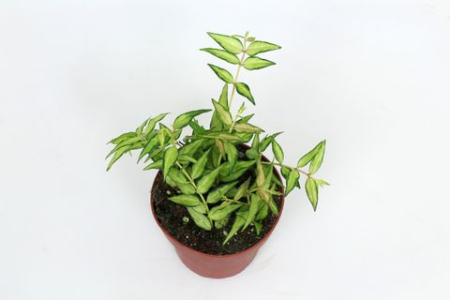
![Hoya burmanica Long Leaves elongated linear-lanceolate glossy green leaves [0]](https://gomagcdn.ro/domains2/eufloria.ro/files/product/medium/hoya-burmanica-long-leaves-d6cm-796220.jpg "Hoya burmanica Long Leaves elongated linear-lanceolate glossy green leaves [0]")
![Hoya burmanica Long Leaves elongated linear-lanceolate glossy green leaves [1]](https://gomagcdn.ro/domains2/eufloria.ro/files/product/medium/hoya-burmanica-long-leaves-d6cm-127411.png "Hoya burmanica Long Leaves elongated linear-lanceolate glossy green leaves [1]")
![Hoya burmanica Long Leaves elongated linear-lanceolate glossy green leaves [1]](https://gomagcdn.ro/domains2/eufloria.ro/files/product/original/hoya-burmanica-long-leaves-d6cm-796220.jpg "Hoya burmanica Long Leaves elongated linear-lanceolate glossy green leaves [1]")
![Hoya burmanica Long Leaves elongated linear-lanceolate glossy green leaves [2]](https://gomagcdn.ro/domains2/eufloria.ro/files/product/original/hoya-burmanica-long-leaves-d6cm-127411.png "Hoya burmanica Long Leaves elongated linear-lanceolate glossy green leaves [2]")
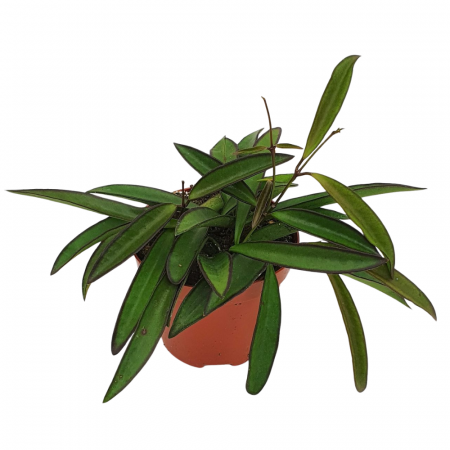
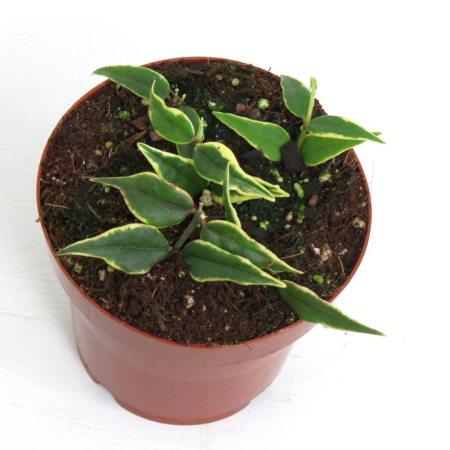
Hoya burmanica 'Long Leaves' is a rare variety with elongated linear-lanceolate leaves up to 14 cm, glossy green, and umbels of fragrant cream-white flowers. Native to Myanmar, it is appreciated by serious collectors for its graceful appearance.
Note: Product images are for guidance only. Due to different batches of imported products, there may be differences between the images on the website and the actual appearance of the products.
Approx height (including pot): 15 cm
Flowering state: No flowers
- Description
- Characteristics
- Reviews (0)
- FAQ
🌿 Plant Characteristics
Hoya burmanica 'Long Leaves' is a rare variety of epiphytic plant from the Apocynaceae family, native to the humid tropical forests of Myanmar (Burma). It is characterized by elongated, lanceolate leaves that can reach 15–25 cm in length and only 2–3 cm in width — an unusual ratio for the Hoya genus, where most species have rounder leaves. The stems are flexible and climbing, capable of reaching 2–3 meters in optimal conditions.
The leaves have a semi-succulent, slightly waxy texture, with a prominent central vein and smooth edges. Color varies from dark green in partial shade to light green with silver reflections in bright indirect light. Under light stress, the leaves can develop bronze or reddish tones, a phenomenon appreciated by collectors as an indicator of optimal light levels for flowering.
Flowers appear in dense umbels of 15–25 small, star-shaped blooms with waxy cream-white petals and a delicate pale pink central crown. The sweet fragrance, reminiscent of honeysuckle and vanilla flowers, intensifies in the evening and at night, attracting nocturnal pollinators in the natural habitat. Flowering lasts 7–10 days, and persistent peduncles (spurs) will produce new umbels in subsequent seasons.
☀️ Light Requirements
Hoya burmanica 'Long Leaves' prefers bright indirect light, equivalent to that found in tropical forest canopies. Place the plant 1–1.5 meters from an east or south-facing window, with light filtered through light curtains or blinds. This positioning ensures optimal photosynthesis without the risk of leaf burn.
Avoid direct exposure to strong summer sun between 11 AM and 4 PM — intense UV rays can bleach the leaves and cause irreversible burns (yellow-brown spots with dry edges). On the other hand, insufficient light leads to abnormal stem elongation (etiolation), large distances between nodes, and sporadic flowering.
In apartments with limited natural light, supplement with LED grow lamps (full spectrum, 20–30W), positioned 30–50 cm above the plant and on for 12–14 hours daily. In winter, when day length decreases, move the plant closer to the window or extend the artificial lighting period. A useful test: if you can see your hand's shadow on the plant without a very sharp edge, the light is appropriate.
💧 Care and Watering
Hoya burmanica 'Long Leaves' tolerates short drought periods thanks to its semi-succulent leaves that retain water. In the growing season (spring-summer), water every 7–10 days, letting the top 3–5 cm of substrate dry completely between waterings. In winter, reduce frequency to 14–21 days, allowing the substrate to dry almost completely. This simulates seasonal conditions from the natural habitat.
Use room-temperature water, preferably rainwater or water left standing for 24 hours to remove chlorine. Watering with cold water can shock the roots and cause bud drop before opening. Water adequately (until water exits through drainage holes) and remove excess from the saucer after 15–20 minutes to prevent root rot — the most common cause of plant loss.
Optimal ambient humidity is 60–75%. In apartments with dry air (winter, when heating runs), use a humidifier or pebble tray with water under the pot. Occasional morning foliar misting helps, but avoid watering flowers and buds. Fertilize monthly in spring-summer with balanced NPK 20-20-20 at half dose; to stimulate flowering, use a high-potassium fertilizer (10-30-20) in early spring.
🌡️ Temperature and Climate
Optimal temperature for Hoya burmanica 'Long Leaves' is 20–28°C (68–82°F) in the growing season and 16–20°C (61–68°F) in winter. This seasonal difference is essential for flowering induction — without the cold rest period, the plant could miss its annual flowering cycle. Minimum tolerated temperature is 14–15°C for short periods; prolonged exposure below 12°C causes irreversible cellular damage.
Avoid cold air drafts — windows open in winter, balcony doors, air conditioners. These cause bud drop and physiological stress visible through leaf yellowing and growth slowdown. Also avoid direct placement near radiators or stoves — dry heat dehydrates leaves and local air.
Natural daily variations (4–6°C difference between day and night) are beneficial and simulate tropical conditions. In summer, the plant can be placed on a balcony or terrace in partial shade to benefit from fresh air and natural humidity. Bring it back indoors when night temperatures drop below 15°C in autumn. Avoid sudden location changes — the transition should be gradual, over 7–10 days.
🪴 Pot and Substrate
Hoya burmanica 'Long Leaves' grows optimally in a slightly pot-bound pot with multiple drainage holes. Roots prefer limited space that simulates epiphytic conditions in nature, where the plant grows on trunks and branches. A pot 2–3 cm larger than the root ball is ideal at transplant. Unglazed ceramic or terracotta pots allow evaporation, reducing the risk of overwatering.
Optimal substrate: 40% medium pine bark, 30% perlite, 20% dry sphagnum moss, 10% activated charcoal. This mix reproduces the natural conditions of epiphytic plants, providing excellent aeration (essential for roots that in natural habitat are not in soil), rapid drainage, and adequate moisture retention. Standard garden mixes retain too much water and suffocate roots — do not use them for Hoya.
Transplant every 2–3 years in spring, when you notice roots emerging through drainage holes or growth has slowed. Completely replace old substrate, inspect roots, and carefully remove rotten or dry parts. After transplant, wait 7–10 days before the first watering to allow root wounds to heal and prevent fungal infections.
🌿 Curiosities and Special Details
The cultivar name 'Long Leaves' describes the distinctive characteristic of this variety — its elongated leaves that clearly differentiate it from the typical form of standard Hoya burmanica. This trait is the result of prolonged horticultural selection favoring specimens with a higher length-to-width ratio. In the international Hoya collector community, this variety is considered moderately rare and is particularly appreciated for the elegant appearance of its foliage.
A fascinating aspect: peduncles (spurs) are permanent structures on the plant and should NOT be removed after flowering — the same peduncle will produce new umbels in subsequent seasons for many years. Accidentally cutting them will delay re-flowering by 1–2 seasons. Additionally, flowers produce sweet nectar visible as small droplets on petals in the morning — part of the strategy to attract nocturnal pollinators from the natural habitat.
Propagation is easily done through stem cuttings with 2–3 pairs of leaves, rooted in moist perlite or sphagnum moss at 22–24°C. Success rate is 80–90% after 4–6 weeks. IBA rooting hormones accelerate the process by 20–30%. After rooting, transplant into specific Hoya substrate and maintain high humidity for the first 2–3 weeks for acclimatization.
In indoor cultivation, Hoya burmanica 'Long Leaves' can live 20–30 years with proper care, becoming a family plant passed between generations of collectors. There are documented specimens over 35 years old in private collections, some blooming annually without interruption for decades. This longevity makes Hoya one of the most satisfying indoor plants for long-term collectors.
The Myanmar origin of this species gives it particular resistance to temporary humidity fluctuations compared to other Southeast Asian Hoyas. This adaptive capacity is attributed to the climatic variability of its native habitat, where seasonal monsoons alternate with drier periods typical of tropical Asia. In cultivation, this translates to greater tolerance for human errors in watering schedule, making it more forgiving for moderately experienced growers.
For advanced collectors, Hoya burmanica 'Long Leaves' can be grown on cork bark mounts, completely simulating epiphytic conditions in nature. This method offers maximum root aeration and unique aesthetics but requires more frequent watering (every 3–5 days) and constant humidity above 70%. It is only recommended in orchid terrariums or specialized display cases with precise humidity control.
Experienced Hoya growers often recommend keeping a care journal with watering dates, fertilization schedules, and flowering observations — this helps identify patterns specific to your growing environment and allows refinement of care practices over time. Many documented specimens of Hoya burmanica have thrived in collectors' hands for over 30 years, producing annual blooms once established.
One particularly interesting aspect of this cultivar is its ability to adapt to slightly variable humidity conditions compared to other Southeast Asian Hoyas. Scientific research conducted at botanical institutes in Thailand and Singapore has documented that Hoya burmanica utilizes a modified form of CAM metabolism (Crassulacean Acid Metabolism) during drought periods, reducing transpiration by up to 70% compared to normal daytime levels. This remarkable physiological adaptation makes it more forgiving of care mistakes than many other rare tropical plants.
Research from the Royal Botanic Gardens has documented that Hoya burmanica populations in the wild are found predominantly on host trees of the Dipterocarpaceae family, which provide ideal bark texture for root attachment and partial shade during the dry season. Understanding these natural relationships helps cultivators replicate optimal conditions in indoor environments — particularly regarding substrate choice and the importance of bark-based mediums over standard peat mixes.
For those interested in maximizing bloom production, research indicates that Hoya burmanica 'Long Leaves' responds particularly well to phosphorus-potassium fertilizers (10-30-20 NPK ratio) applied 2–3 times in early spring. This supplementation can increase flower umbel production by up to 40% compared to standard balanced fertilization. Additionally, applying a light cold treatment (bringing the plant to 15–16°C for 4–6 weeks in winter) stimulates floral bud differentiation for the following spring.
Lungime: 6 cm
Greutate (kg): 0.15 Kg
Denumire: Hoya
Diametru: 6 cm
Cerințe lumină: Strong, indirect light
Tip plantă: Decorative
Utilizare: Interior
Tip suport: Ghiveci
Material Suport: Plastic
What makes Hoya burmanica Long Leaves different from the standard variety?
Hoya burmanica Long Leaves is a selected cultivar of the Hoya burmanica species, characterized by significantly more elongated leaves than the standard form — mature foliage can reach 10–15 cm in length with a width of only 1.5–2 cm, giving a more linear and elegant appearance. The leaves are waxy, dark green with a visible central vein. The species originates from Myanmar (Burma), hence the name.
How much light does Hoya burmanica Long Leaves need?
Hoya burmanica Long Leaves prefers bright indirect light, between 10,000–25,000 lux. An east- or west-facing window is ideal. It tolerates 1–2 hours of direct morning sun, but intense midday light can cause leaf burn. Stronger light stimulates faster growth and enhances the pink-bronze blush on new leaves (sun-stress).
How often should it be watered and what substrate is recommended?
Water when 50–70% of the substrate has dried, approximately every 7–10 days in summer and 14–21 days in winter. The ideal substrate is airy and well-drained: 40% pine bark (5–15 mm), 30% perlite, 20% sphagnum moss, 10% horticultural charcoal. Optimal pH is 5.5–6.5. Pots with drainage holes and transparent material (for root photosynthesis) are preferred.
Is Hoya burmanica toxic to pets?
According to ASPCA (American Society for the Prevention of Cruelty to Animals), the Hoya genus is not listed as toxic to dogs, cats, or horses. Hoya burmanica Long Leaves is considered non-toxic and safe for homes with pets. However, ingestion in large quantities may cause mild gastric discomfort, so placement in a location inaccessible to curious animals is recommended.
How is Hoya burmanica Long Leaves propagated?
The most efficient propagation method uses vine cuttings of 10–15 cm with at least 2–3 nodes and a pair of leaves. Plant cuttings in moist perlite and sphagnum mix (1:1) or in filtered water. At temperatures of 22–26°C and humidity of 70–80%, roots appear in 3–5 weeks. A propagation dome (transparent covered container) accelerates rooting and ensures operation success.
Ai nevoie și de un ghiveci decorativ?