
 EN/
EN/ Romana
Hoya 'Nova Ghost' Ø7cm
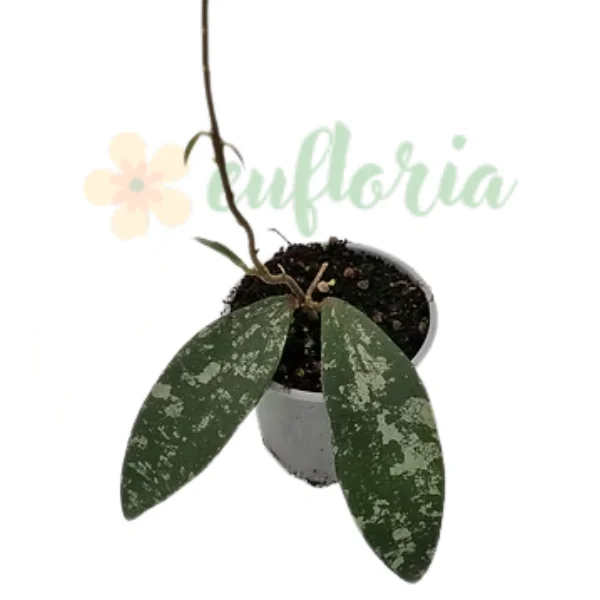
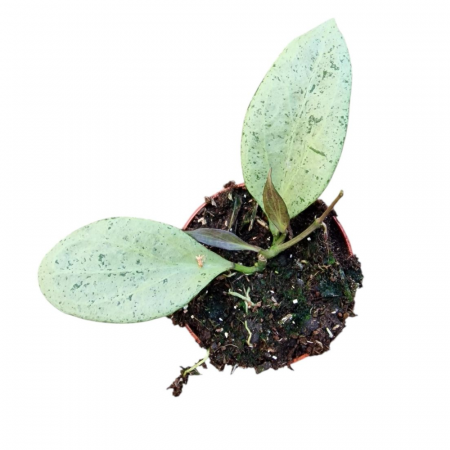
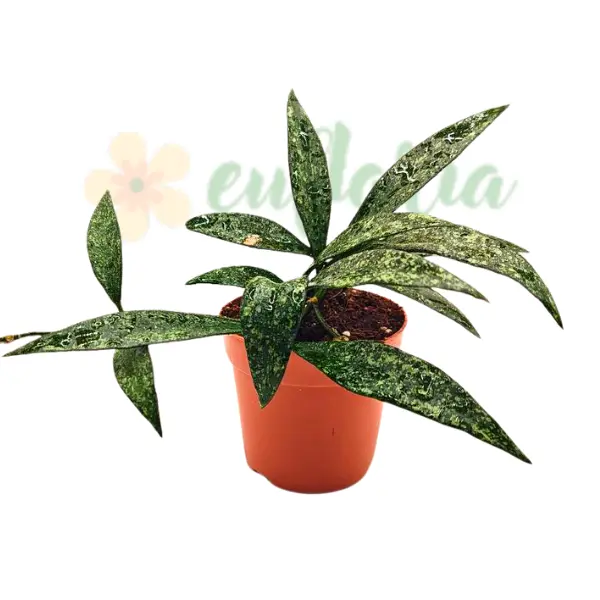
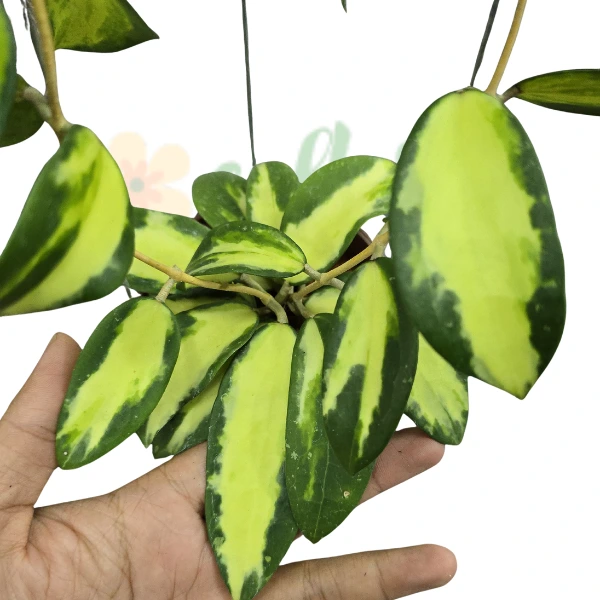
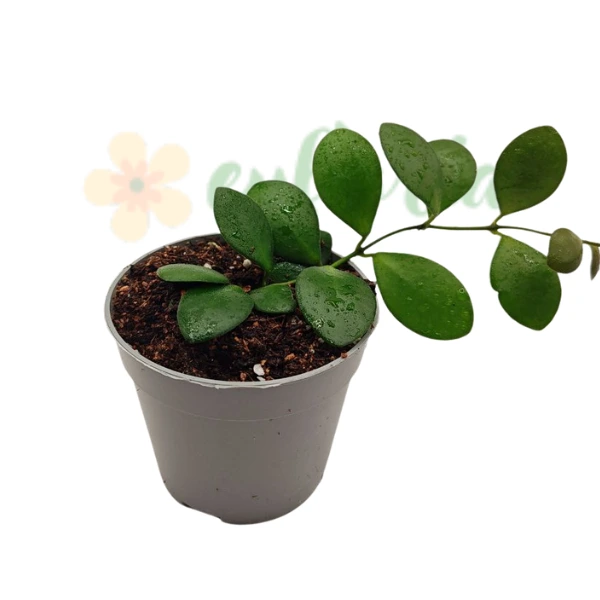
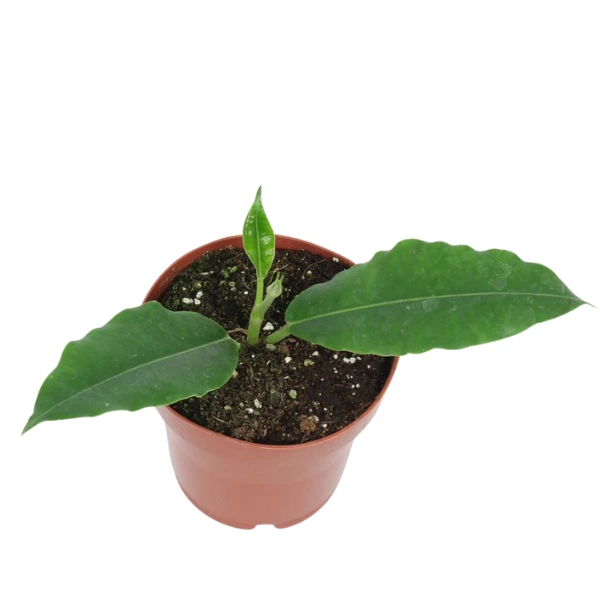
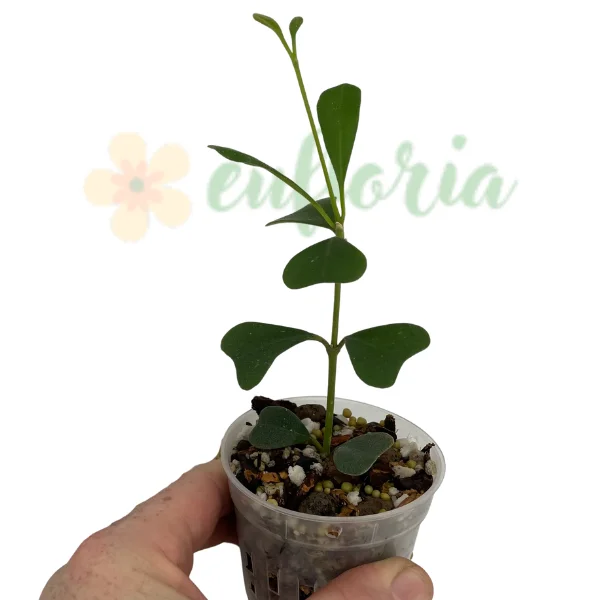
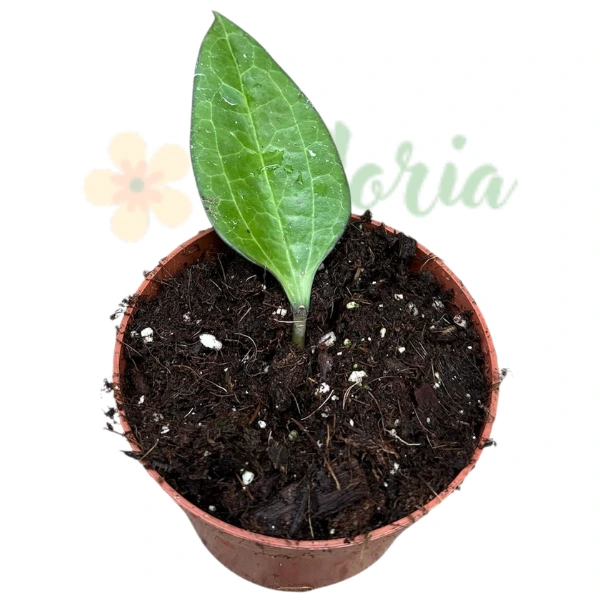
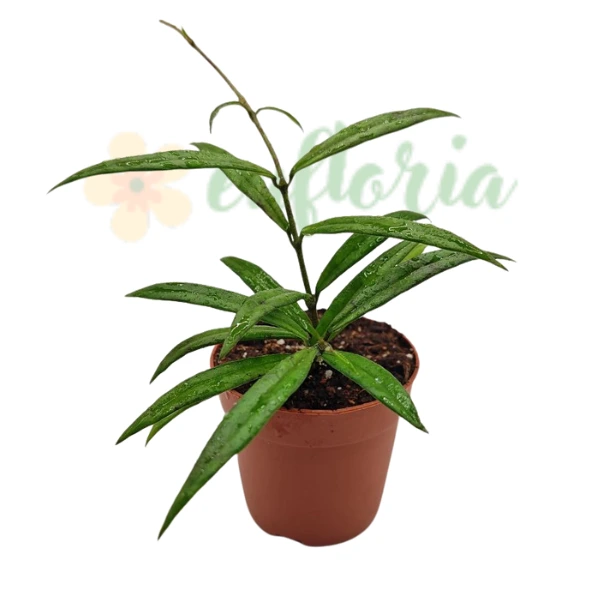
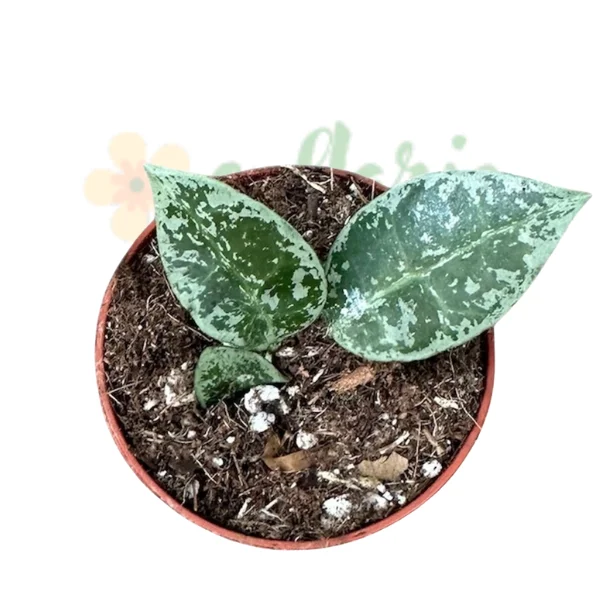
![Hoya Nova Ghost with silver-white ghostly leaves [1]](https://gomagcdn.ro/domains2/eufloria.ro/files/product/original/hoya-nova-ghost-d7cm-502983.jpg "Hoya Nova Ghost with silver-white ghostly leaves [1]")
Hoya 'Nova Ghost' — rare cultivar with silver-white ghostly leaves nearly devoid of chlorophyll. A collector's piece for advanced enthusiasts. Ø7cm.
Note: Product images are for guidance only. Due to different batches of imported products, there may be differences between the images on the website and the actual appearance of the products.
Approx height (including pot): 10 cm
Flowering state: No flowers
Pot diameter: 7 cm
- Description
- Characteristics
- Reviews (0)
- FAQ
🌿 Hoya 'Nova Ghost' — ghostly leaves
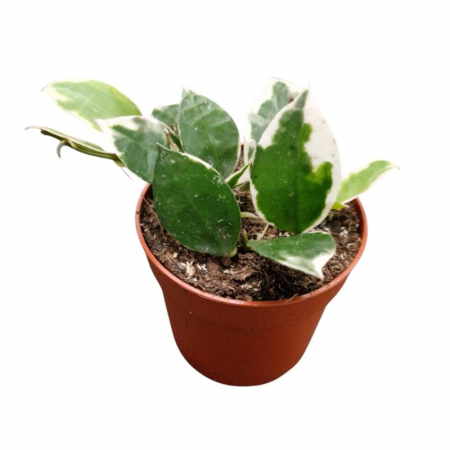
Hoya 'Nova Ghost' is an exceptional cultivar, remarkable for its silver-white leaves with a ghostly appearance, nearly devoid of chlorophyll. It descends from advanced selections of Hoya pubicalyx or related species and is extremely rare in collections. Leaves display shades of cream-white with irregular green patches — each leaf is unique.
Due to low chlorophyll content, it grows slower than other hoyas. It needs bright indirect light to maintain variegation and avoid burning the delicate leaves. A collector's piece for advanced hoya enthusiasts.
🌍 Cultivar origin
Horticultural variegated selection descended from Hoya pubicalyx or Asian tropical species, cultivated in specialized labs for stable variegation.
🌱 How to care for it
Bright indirect light (2500-5000 lux) — but no direct sun. Humidity 60-80%, temperatures 20-28°C. Water cautiously — white leaves are more sensitive to rot. Very airy substrate: orchid bark + perlite + sphagnum.
🌸 Flowering
Flowers after 2-4 years, producing dark pink to burgundy star-shaped flowers in umbels of 15-25 blooms. Sweet-spicy fragrance in the evening.
🌿 Safety
Not toxic to cats, dogs or children. The Apocynaceae family is safe. The milky sap may irritate the skin.
Lungime: 7 cm
Greutate (kg): 0.25 Kg
Denumire: Hoya
Diametru: 7 cm
Cerințe lumină: Strong, indirect light
Tip plantă: Decorative
Utilizare: Interior
Tip suport: Ghiveci
Material Suport: Plastic
How often should I water Hoya Nova Ghost?
Hoya Nova Ghost prefers to be slightly dry between waterings. Allow the substrate to dry almost completely before watering again. During the warm season, this typically means once every 7-10 days, and in winter every 14-21 days. Overwatering is the main cause of problems with Hoya — the roots are sensitive to rot.
Is Hoya Nova Ghost toxic to pets?
No, Hoya Nova Ghost is considered a non-toxic plant for both humans and pets. The Hoya genus does not contain dangerous substances, and the mild latex produced by the stems poses no risks. However, it is recommended to place the plant where curious pets cannot damage the delicate foliage.
What substrate should I use for Hoya Nova Ghost?
Hoya Nova Ghost prefers a very well-draining and aerated substrate. An ideal mix contains pine bark, perlite, coco coir, and activated charcoal in equal proportions. The substrate should allow roots to breathe and not retain excess water, as Hoyas are epiphytic plants that naturally grow on tree trunks.
Why are the young leaves nearly transparent on Hoya Nova Ghost?
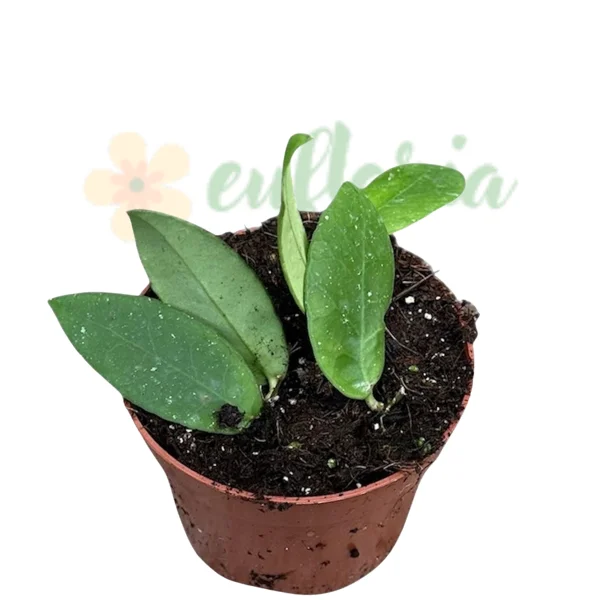
The young leaves of Hoya Nova Ghost initially appear in a yellowish-green, almost translucent shade, giving them a ghostly appearance — hence the name “Nova Ghost.” As the leaves mature, chlorophyll develops and they turn deep green. This phenomenon is completely natural and represents one of the most fascinating traits of this hybrid.
When does Hoya Nova Ghost bloom?
Hoya Nova Ghost can bloom under optimal growing conditions, typically during the spring-summer period. The flowers are small, star-shaped, clustered in fragrant umbels. To encourage blooming, provide bright indirect light, a winter rest period with reduced watering, and a well-draining substrate. Young plants may need several years before their first flowering.
Why are Hoya 'Nova Ghost' leaves white?
Extreme variegation blocks chlorophyll production in white areas. The plant photosynthesizes only in the green patches, which is why it grows much slower than standard hoyas.
Is it easy to care for?
Not for beginners. It's demanding regarding light (bright indirect), watering (controlled) and humidity (60-80%). White leaves are more sensitive to rot and burns.
How do I maintain variegation?
Bright indirect light is crucial. Low light stimulates chlorophyll production in new leaves, reducing white areas. Cut pure green reverts to preserve variegation.
Is it toxic to cats?
No, Hoya 'Nova Ghost' is not toxic to cats, dogs or children. The Apocynaceae family contains no dangerous compounds, but the milky sap may irritate skin.
How to propagate?
Stem cuttings with nodes containing green areas (for photosynthesis). Fully white cuttings won't survive. Place in moist sphagnum with high humidity at 22-26°C.
Ai nevoie și de un ghiveci decorativ?







