EN/
EN/ Romana
Hoya gracilis
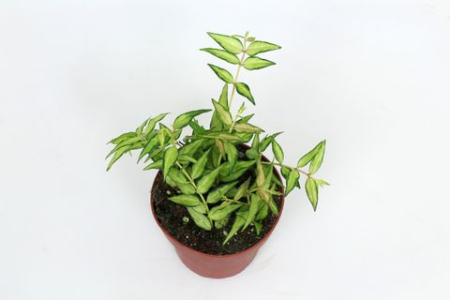
![Hoya gracilis — small elliptical green leaves with copper-pink accents, Eufloria [0]](https://gomagcdn.ro/domains2/eufloria.ro/files/product/medium/hoya-gracilis-681963.png "Hoya gracilis — small elliptical green leaves with copper-pink accents, Eufloria [0]")
![Hoya gracilis — small elliptical green leaves with copper-pink accents, Eufloria [1]](https://gomagcdn.ro/domains2/eufloria.ro/files/product/medium/planta-naturala-de-interior-hoya-gracilis-memoria-640388.png "Hoya gracilis — small elliptical green leaves with copper-pink accents, Eufloria [1]")
![Hoya gracilis — small elliptical green leaves with copper-pink accents, Eufloria [2]](https://gomagcdn.ro/domains2/eufloria.ro/files/product/medium/hoya-gracilis-memoria-d6cm-143007.png "Hoya gracilis — small elliptical green leaves with copper-pink accents, Eufloria [2]")
![Hoya gracilis — small elliptical green leaves with copper-pink accents, Eufloria [1]](https://gomagcdn.ro/domains2/eufloria.ro/files/product/original/hoya-gracilis-681963.png "Hoya gracilis — small elliptical green leaves with copper-pink accents, Eufloria [1]")
![Hoya gracilis — small elliptical green leaves with copper-pink accents, Eufloria [2]](https://gomagcdn.ro/domains2/eufloria.ro/files/product/original/planta-naturala-de-interior-hoya-gracilis-memoria-640388.png "Hoya gracilis — small elliptical green leaves with copper-pink accents, Eufloria [2]")
![Hoya gracilis — small elliptical green leaves with copper-pink accents, Eufloria [3]](https://gomagcdn.ro/domains2/eufloria.ro/files/product/original/hoya-gracilis-memoria-d6cm-143007.png "Hoya gracilis — small elliptical green leaves with copper-pink accents, Eufloria [3]")
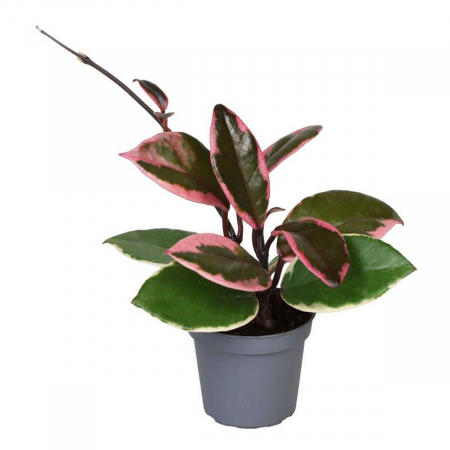
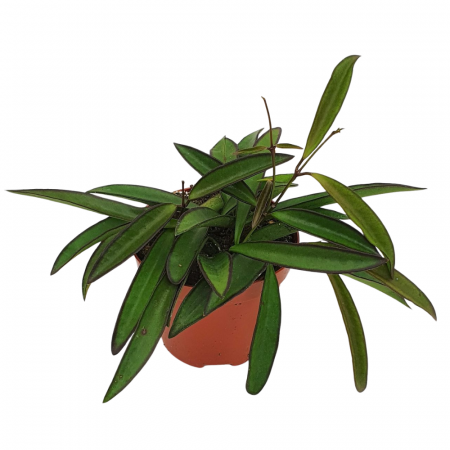
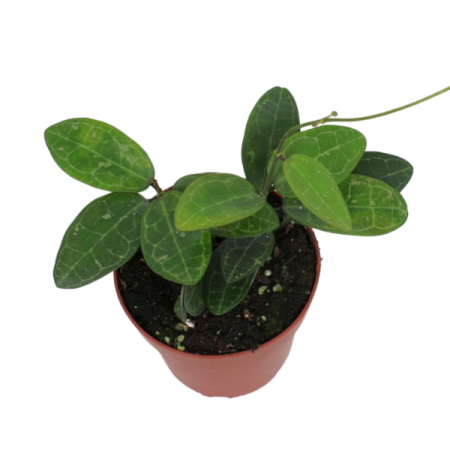
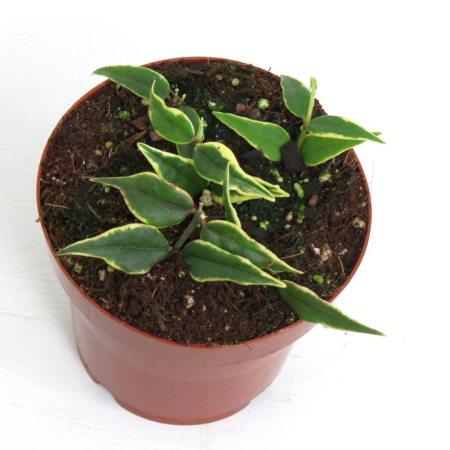
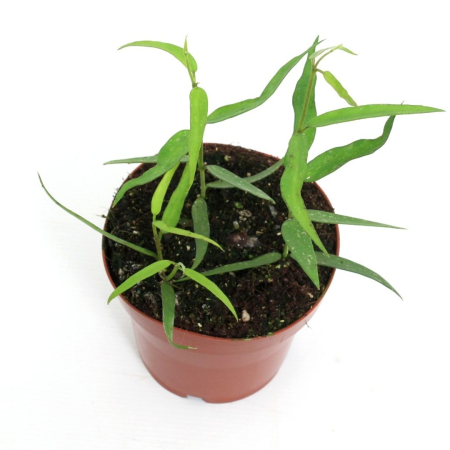
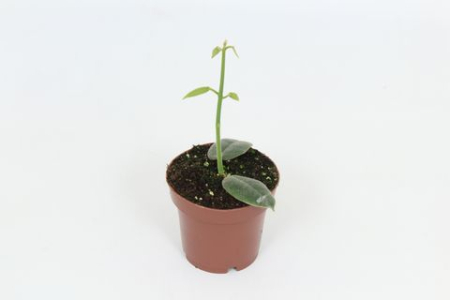
Hoya gracilis (syn. memoria) — elegant Philippine hoya with small elliptical green leaves with copper-pink accents. Delicate cascade for hanging pots. Fragrant cream-pink flowers. Humidity 50-70%, bright indirect light, 18-28°C.
Approx height (including pot): 10 cm
Flowering state: No flowers
- Description
- Characteristics
- Reviews (0)
- FAQ
🌿 Hoya gracilis (memoria) — graceful elegance of Philippine jungles
Hoya gracilis, also known by the synonym Hoya memoria, is an elegant and graceful hoya species native to the Philippines. The name "gracilis" comes from Latin and means "slender" or "graceful", referring to its delicate silhouette, with thin stems and small elliptical leaves in medium green with lighter veins that draw a subtle pattern.
The leaves can show sporadic accents of copper-pink under good light, adding personality to a plant that is already seductive through its simplicity. Growth is moderate, with thin vining stems flowing gracefully over the edges of hanging pots, creating delicate cascades with dense foliage.
Like all Hoyas, gracilis is an epiphytic plant in its natural habitat, growing on tree trunks in humid tropical forests. In apartment culture, it prefers good indirect light and moderate watering, being relatively easy to care for a Hoya. Produces fragrant star-shaped flower umbels in spring-summer, adding a sensory element to its elegant plant.
🌍 Botanical origin and history
Hoya gracilis is native to the tropical forests of the Philippines, where it grows as an epiphytic vine on tree trunks. It was scientifically described by British botanist Paul Isaac Forster. The synonym Hoya memoria was used in older horticultural literature and still appears in some collections, although the officially accepted name is H. gracilis.
The Apocynaceae family (formerly Asclepiadaceae), to which the Hoya genus belongs, comprises over 200 hoya species. The Hoya genus was established in 1810 by Robert Brown, honoring Thomas Hoy, head gardener of the Duke of Northumberland.
🌱 The graceful foliage
Leaves are small (3-6 cm), elliptical, bright medium green with lighter veins. Texture is semi-waxy, characteristic of Hoyas, and under good light copper-pink accents may appear at leaf edges. Stems are thin and vining, creating delicate cascades 60-120 cm.
🌸 The fragrant flowers
Produces compact umbels of small, cream-pink star-shaped flowers with pink-purple center, sweetly fragrant with honey notes. Flowering in spring-summer on mature plants.
🌱 Growth habit and care
- Light: bright indirect. East or south-east windowsill.
- Temperature: 18-28°C optimal; does not tolerate below 12°C.
- Watering: moderate — allow drying between waterings.
- Humidity: 50-70% ideal.
- Substrate: well-drained for orchids/hoyas.
- Fertilization: every 3-4 weeks during growing season.
- Propagation: stem cuttings with 2-3 nodes.
🌿 Why choose Hoya gracilis
Elegant and easy-care Hoya, ideal for beginners in the Hoya world. Delicate cascade for hanging pots. Fragrant flowers. Non-toxic.
Lungime: 10 cm
Greutate (kg): 0.1 Kg
Denumire: Hoya
Cerințe lumină: Partial umbra
Tip plantă: Decorative
Utilizare: Interior
Tip suport: Ghiveci
Material Suport: Plastic
What substrate is suitable for Hoya gracilis?
As an epiphytic plant, Hoya gracilis requires very well-draining substrate: pine bark (40%), perlite (30%), coco peat (20%), and horticultural charcoal (10%). The pot must have excellent drainage. Avoid heavy soils or those that retain excessive moisture.
What are the silver spots on Hoya gracilis leaves?
The silver spots on Hoya gracilis leaves are a natural genetic trait called "splash." These are reflective pigment deposits randomly distributed on the leaf surface. They are not signs of disease or pests. Bright indirect light can enhance the visibility of silver flecks.
Are Hoya gracilis and Hoya memoria the same plant?
Yes, both names refer to the same species. Hoya gracilis is the officially accepted taxonomic name, and Hoya memoria is the synonym used in older horticultural literature and still appears in some collections and catalogs.
Why is it called 'gracilis'?
The name 'gracilis' comes from Latin and means 'slender' or 'graceful', referring to the delicate silhouette of the plant — thin stems, small leaves and elegant vining form.
How to water correctly?
Moderate. Allow substrate to dry almost completely between waterings. Every 7-10 days in summer, every 2-3 weeks in winter. Hoyas tolerate drought better than overwatering.
Is Hoya gracilis toxic?
Hoyas are considered non-toxic or only mildly irritating. The milky sap may cause mild skin irritation. They are not on the ASPCA list of toxic plants for pets.
How to make a cutting?
Cut a stem portion with 2-3 nodes, remove lower leaves and root in water or moist hoya substrate (bark + perlite + sphagnum). Roots appear in 3-6 weeks. Spring-summer are the ideal periods.
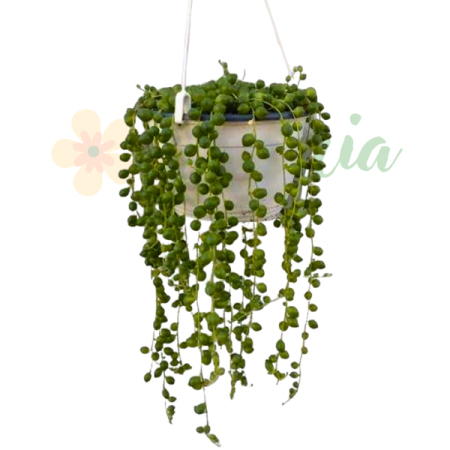

Ai nevoie și de un ghiveci decorativ?