EN/
EN/ Romana
Hoya clemensiorum SUMATRA Ø10.5cm
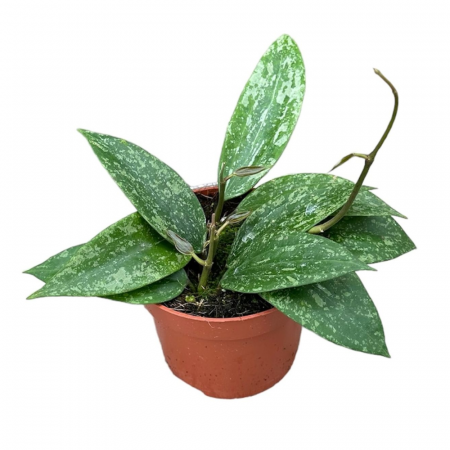
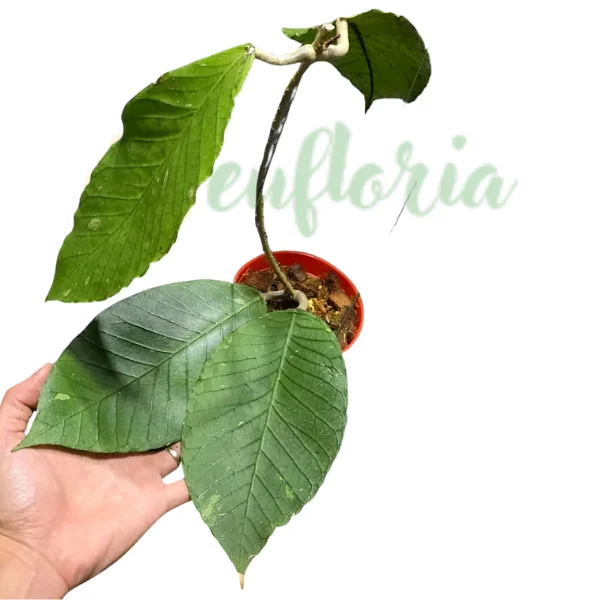
![Hoya clemensiorum 'Sumatra' — long dagger-shaped leaves with deeply impressed veins, Ø10.5cm pot | Eufloria [0]](https://gomagcdn.ro/domains2/eufloria.ro/files/product/medium/hoya-clemensiorum-sumatra-d10-5cm-164158.png "Hoya clemensiorum 'Sumatra' — long dagger-shaped leaves with deeply impressed veins, Ø10.5cm pot | Eufloria [0]")
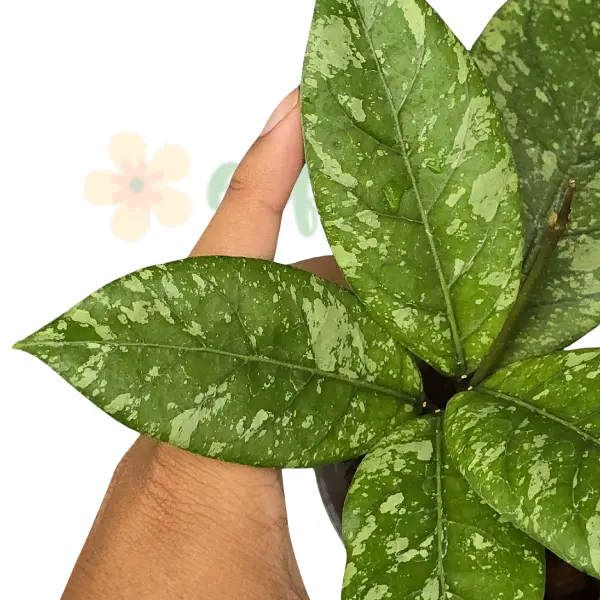
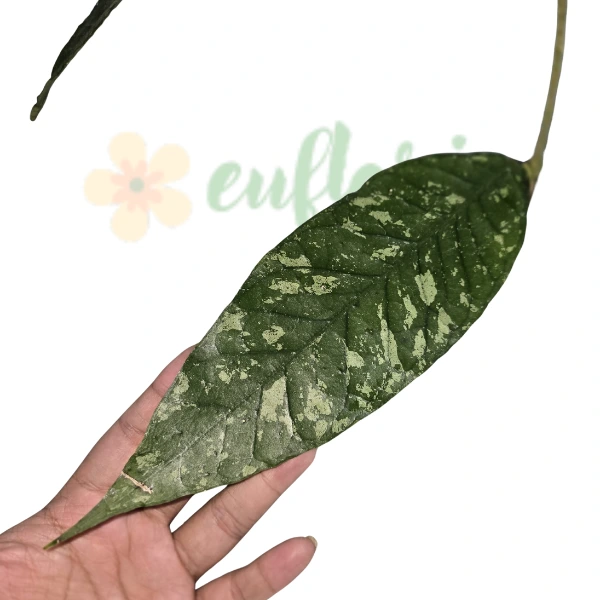
![Hoya clemensiorum 'Sumatra' — long dagger-shaped leaves with deeply impressed veins, Ø10.5cm pot | Eufloria [1]](https://gomagcdn.ro/domains2/eufloria.ro/files/product/medium/hoya-clemensiorum-sumatra-d10-5cm-972603.png "Hoya clemensiorum 'Sumatra' — long dagger-shaped leaves with deeply impressed veins, Ø10.5cm pot | Eufloria [1]")
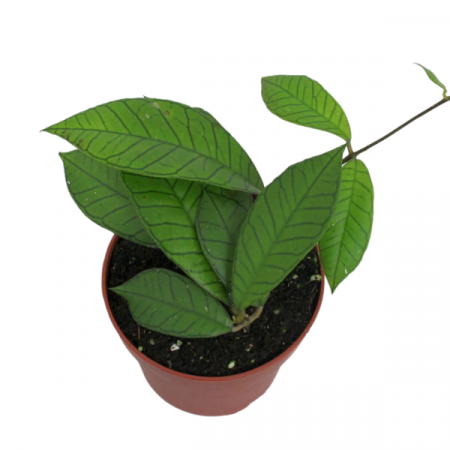
![Hoya clemensiorum 'Sumatra' — long dagger-shaped leaves with deeply impressed veins, Ø10.5cm pot | Eufloria [1]](https://gomagcdn.ro/domains2/eufloria.ro/files/product/original/hoya-clemensiorum-sumatra-d10-5cm-164158.png "Hoya clemensiorum 'Sumatra' — long dagger-shaped leaves with deeply impressed veins, Ø10.5cm pot | Eufloria [1]")
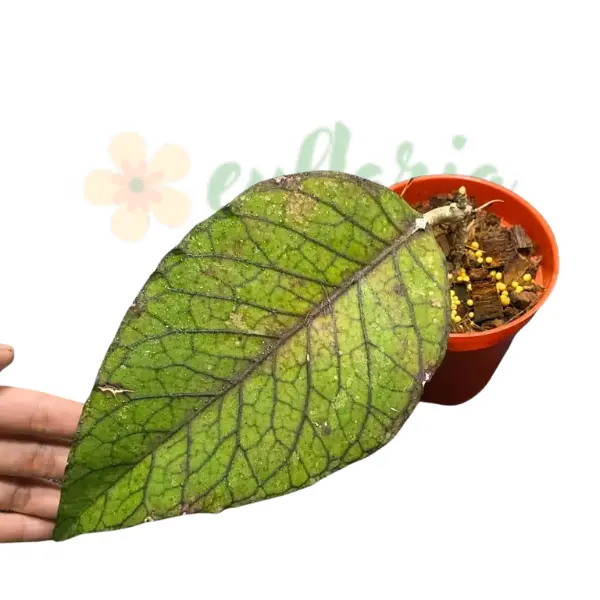
![Hoya clemensiorum 'Sumatra' — long dagger-shaped leaves with deeply impressed veins, Ø10.5cm pot | Eufloria [2]](https://gomagcdn.ro/domains2/eufloria.ro/files/product/original/hoya-clemensiorum-sumatra-d10-5cm-972603.png "Hoya clemensiorum 'Sumatra' — long dagger-shaped leaves with deeply impressed veins, Ø10.5cm pot | Eufloria [2]")
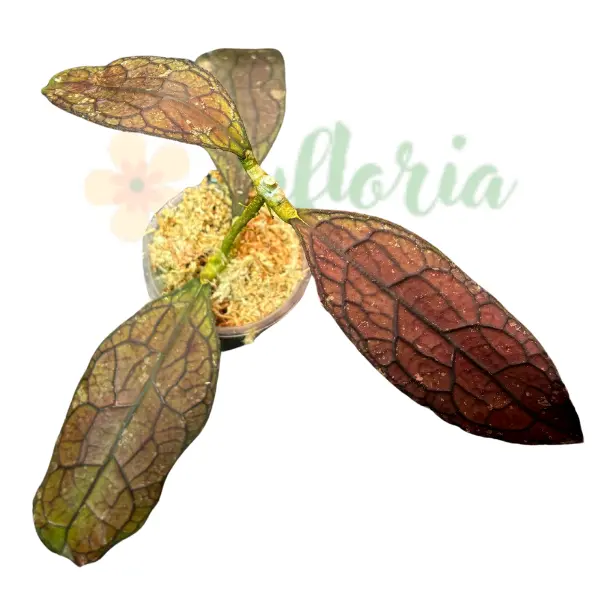
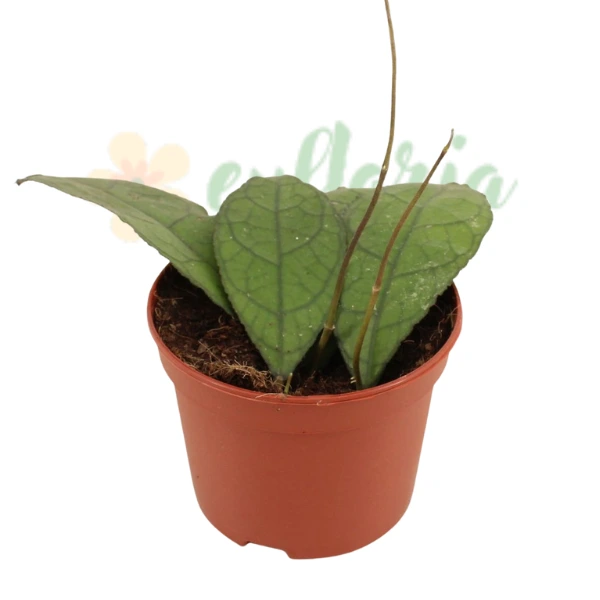
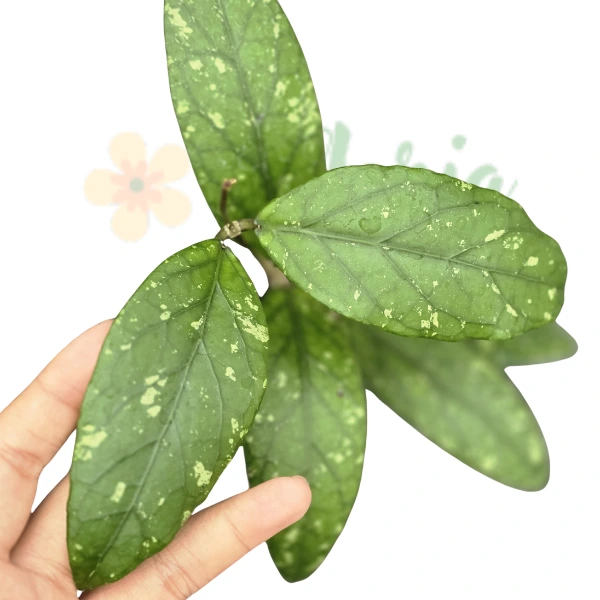
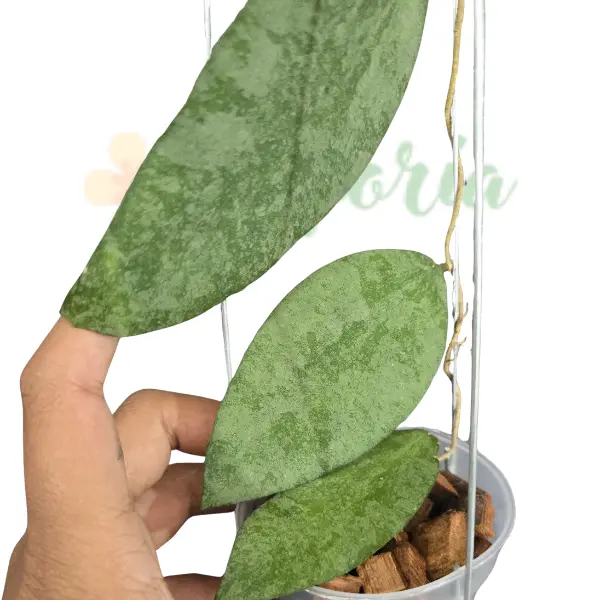
Hoya clemensiorum 'Sumatra' — epiphytic vine from Borneo with dagger-shaped leaves up to 40 cm, carved-stone impressed veins. "Sumatra" is a commercial name (the species is native to Borneo). Cream-plum flowers, musky-citrus scent. Ø10.5cm pot.
Approx height (including pot): 15 cm
Flowering state: No flowers
Pot diameter: 10.5 cm
- Description
- Characteristics
- Reviews (0)
- FAQ
🌿 Hoya clemensiorum 'Sumatra' — green daggers with carved-stone venation
Hoya clemensiorum T.Green is an epiphytic vine of the Apocynaceae family, officially described in 2001 in Fraterna, the bulletin of the International Hoya Association. The specific epithet clemensiorum (Latin genitive plural) honours collectors Joseph and Mary Strong Clemens, botanists active in Sabah state (Borneo) in the 1930s. The "Sumatra" form we offer is a commercial/horticultural name — the species is native to Borneo (Sabah), and the "Sumatra" variant represents a selected clone or material propagated from a Sumatran commercial source. It is part of our Hoya collection.
Our specimen comes in a Ø10.5cm nursery pot, perfect to be moved into a decorative ceramic pot of the same size.
🌍 Taxonomic origin and "Sumatra" clarification
Hoya clemensiorum is endemic to the tropical forests of Borneo (Sabah, East Malaysia), according to Plants of the World Online (POWO) administered by Kew Gardens. The accepted taxonomic authority is the monograph A Guide to Hoyas of Borneo published by Lamb & Rodda in 2016. The species was first described in 2001 by Ted Green; there are no accepted taxonomic synonyms.
The circulating names "Aceh", "Red Aceh" or "Dark Red" are frequently misattributed to H. clemensiorum but actually belong to a distinct, scientifically unpublished entity, Hoya sp. Aceh, from northern Sumatra. Unlike Hoya carnosa 'Krimson Queen' with small uniformly coloured leaves, clemensiorum impresses through long leaves and the pattern of deeply impressed veins — almost like those of a stone sculpture.
🌱 Foliage — daggers with carved-stone venation
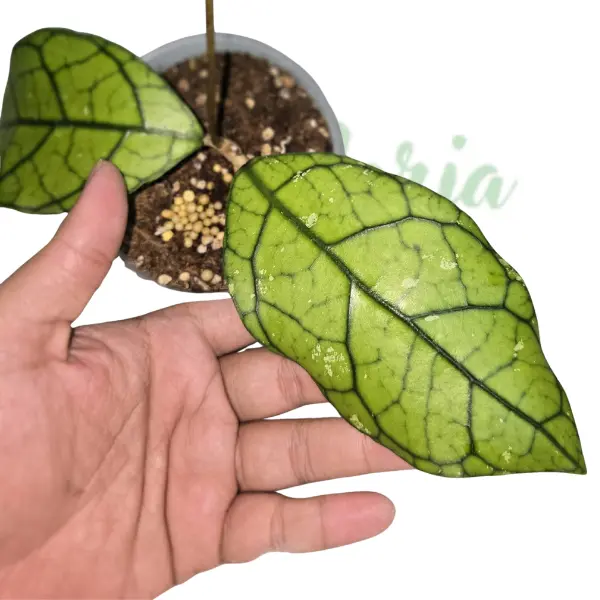
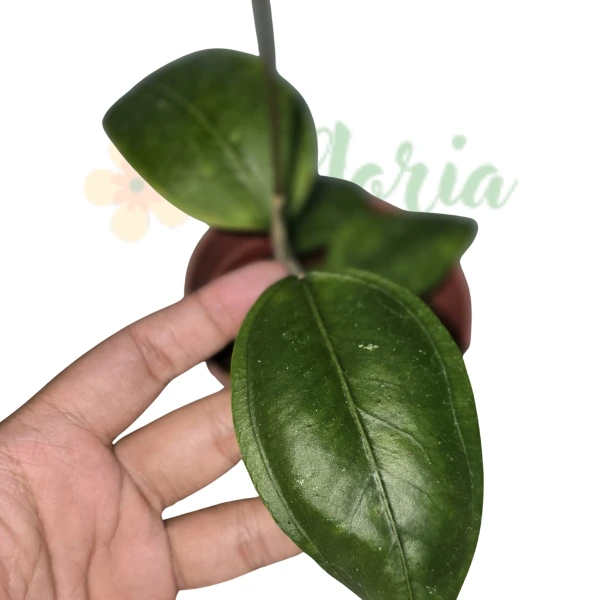
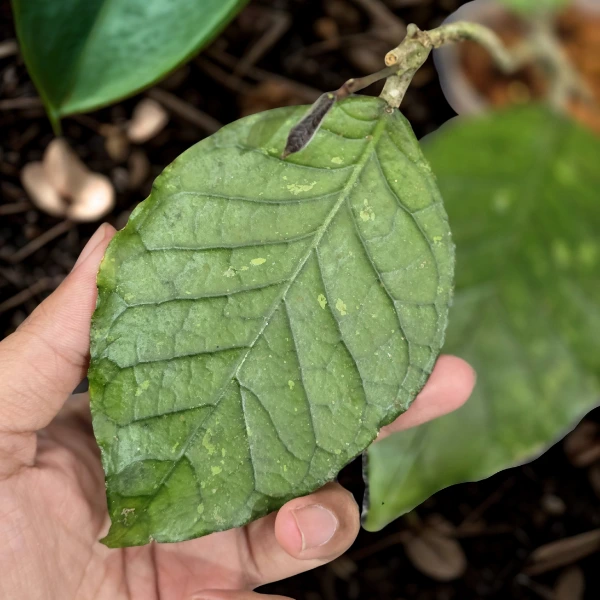
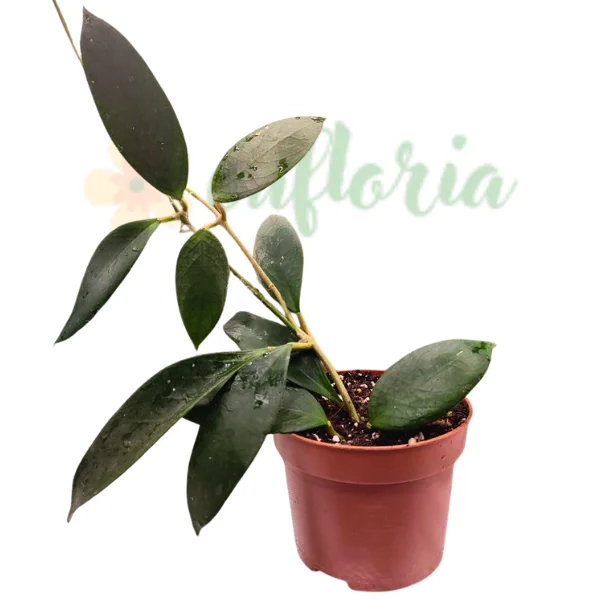
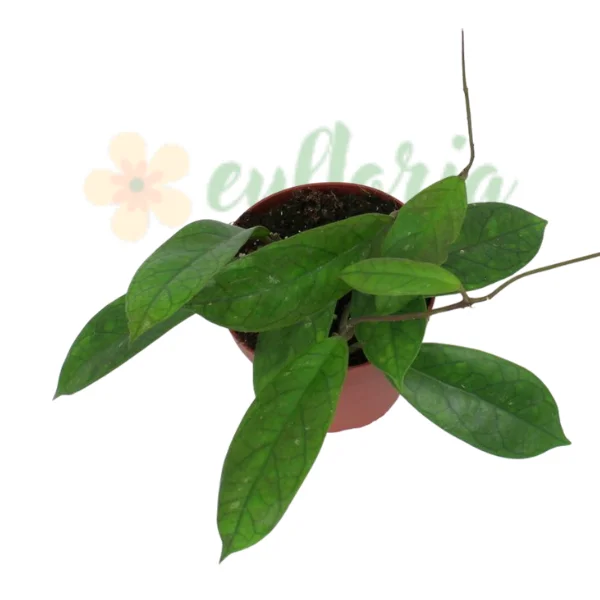
The leaves of Hoya clemensiorum are elongated dagger-shaped, with an attenuated apex, reaching at maturity up to ~40 cm in length — among the most impressive in the Hoya genus. The texture is thick, leathery, fibrous. The base colour is deep green dominant, and the main diagnostic feature are the impressed and raised veins, dark green to almost black, forming a pattern frequently described as "carved stonework" or "crocodile-like". On the underside, the leaves often show subtle purple tones.
The stems are voluble, with adventitious roots that allow it to climb trunks in the canopy. In cultivation it is a climbing epiphytic vine with slow growth — it prefers support (moss pole or trellis) to display its foliage. New shoots may take on red-purple tints under strong light ("sun-stress").
🌸 Inflorescences — cream corolla with plum margins, musky-citrus scent
The flowers are grouped in pendulous umbels with 10-20 flowers per umbel, arranged on perennial peduncles that rebloom year after year. The corolla has reflexed lobes, cream in the centre with brown-red to plum margins, and the central corona is cream-white. The scent is present, described as musky-citrus and stronger in the evening — a remarkable trait for a Hoya species.
Flowering under indoor conditions is rare and slow; the plant needs maturity, stable light, and a clear seasonal cycle to initiate flowers. Do not break off dried inflorescences — they will rebloom on the same peduncles. See more flowering indoor plants.
🌞 Care Requirements — Complete Guide
- Light: bright indirect (~10,000-20,000 lux), filtered. 1-1.5 m from an east/west window or behind a curtain on a south-facing window. Stronger light can intensify the red-purple tints of new shoots.
- Temperature: optimal 16-24°C. Avoid exposure below 10°C — tropical species sensitive to cold.
- Watering: moderate, let the substrate dry 60-80% between waterings. Summer every 7-10 days, winter every 14-20 days. Thick leaves retain water — the plant is sensitive to over-watering.
- Humidity: 60-80%+ ideal for robust growth.
- Substrate: airy, epiphytic, chunky — a mix of medium pine bark (50%), natural sphagnum (20%), perlite (20%), and a drainage layer of Vulkaponic at the pot base (10%).
- Support: moss pole or trellis — the climbing habit requires support.
- Fertilising: monthly spring-summer with a mild formula for flowering plants (NPK 6-10-8).
- Propagation: stem cuttings with 1-2 nodes in moist sphagnum; roots in 6-8 weeks (slower than other Hoyas).
🐾 Toxicity and Home Safety
The Hoya genus is considered non-toxic according to the ASPCA database, being safe for dogs, cats, and children. The milky sap, common in the Apocynaceae family, may cause minor skin irritation in very sensitive individuals — a pair of gloves is enough at repotting. Hoya clemensiorum is thus featured among our child- and pet-friendly plants.
🎓 Why Choose Hoya clemensiorum 'Sumatra'
It is a top species for serious collectors — commercially described as a "cult favorite among serious Hoya collectors". The combination of long dagger-shaped foliage, carved-stone impressed veins and the cream-plum corolla inflorescence makes it a botanical statement with overwhelming presence. Unlike generic species, clemensiorum offers added value through rarity, through the unique leaf pattern, and through the botanical history linked to the Clemens collectors. It integrates beautifully into the rare Hoya collection and is an impressive option for statement office plants.
📚 Read also
Lungime: 15 cm
Greutate (kg): 0.5 Kg
Denumire: Hoya
Diametru: 10.5 cm
Cerințe lumină: Partial umbra
Tip plantă: Decorative
Utilizare: Interior
Tip suport: Ghiveci
Material Suport: Plastic
Does the "Sumatra" form mean the plant comes from Sumatra?
What do the leaves of Hoya clemensiorum look like?
Who were the Clemens collectors?
Why is my Hoya clemensiorum not flowering?
Is Hoya clemensiorum safe for cats and dogs?
Recommendations


Ai nevoie și de un ghiveci decorativ?