EN/
EN/ Romana
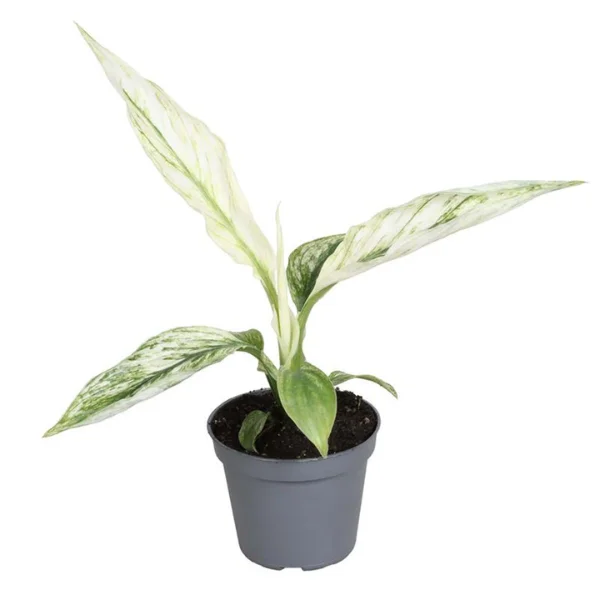
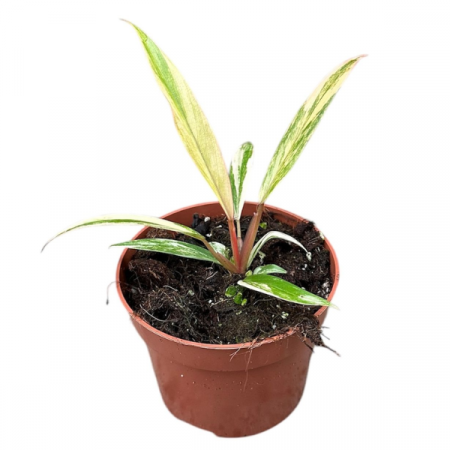
Spathiphyllum 'Diamond' Ø10.5cm
![Spathiphyllum 'Diamond' – Air-Purifying Variegated Peace Lily [0]](https://gomagcdn.ro/domains2/eufloria.ro/files/product/medium/spathiphyllum-diamond-d10-5-646524.webp "Spathiphyllum 'Diamond' – Air-Purifying Variegated Peace Lily [0]")
![Spathiphyllum 'Diamond' – Air-Purifying Variegated Peace Lily [1]](https://gomagcdn.ro/domains2/eufloria.ro/files/product/medium/spathiphyllum-diamond-d10-5-513614.webp "Spathiphyllum 'Diamond' – Air-Purifying Variegated Peace Lily [1]")
![Spathiphyllum 'Diamond' – Air-Purifying Variegated Peace Lily [1]](https://gomagcdn.ro/domains2/eufloria.ro/files/product/original/spathiphyllum-diamond-d10-5-646524.webp "Spathiphyllum 'Diamond' – Air-Purifying Variegated Peace Lily [1]")
![Spathiphyllum 'Diamond' – Air-Purifying Variegated Peace Lily [2]](https://gomagcdn.ro/domains2/eufloria.ro/files/product/original/spathiphyllum-diamond-d10-5-513614.webp "Spathiphyllum 'Diamond' – Air-Purifying Variegated Peace Lily [2]")
Approx height (including pot): 20 cm
Flowering state: No flowers
Pot diameter: 10.5 cm
- Description
- Characteristics
- Reviews (0)
- FAQ
💎 The Variegated Peace Lily – Where Elegance Meets Air-Purifying Power
Spathiphyllum 'Diamond' is a stunning variegated cultivar of the beloved Peace Lily, combining the classic elegance of this iconic houseplant with eye-catching silver-white streaks that dance across each glossy green leaf. Where standard Peace Lilies have long been prized for their graceful white spathes and forgiving nature, the Diamond variety adds a dimension of visual drama that makes every leaf a unique work of art. No two leaves are marked quite the same way – some bear bold white splashes, others show delicate silver streaking, creating a shimmering effect that catches the light and draws the eye. And then there are the flowers: those signature white spathes rising elegantly above the foliage, lasting for weeks and symbolising peace, purity, and new beginnings. Add to this the plant's proven air-purifying abilities – famously tested in NASA's Clean Air Study – and you have a houseplant that is as functional as it is beautiful.
🌍 Origins & Botanical History
The genus Spathiphyllum was formally described by Austrian botanist Heinrich Wilhelm Schott in 1832 in his work Meletemata Botanica. The name derives from the Greek words spathe (meaning "spoon" or "spathe") and phyllum (meaning "leaf"), referring to the distinctive leaf-like spathe that surrounds the flower structure. The genus encompasses approximately 47-60 species native to tropical regions of the Americas – primarily Colombia, Venezuela, Ecuador, Peru, and throughout Central America – with a smaller group of species found in Southeast Asia, particularly the Philippines and Indonesia. In their native habitat, Peace Lilies grow on the forest floor of humid tropical rainforests, thriving in the dappled shade beneath the canopy where light filters gently through the leaves above. They are often found growing in colonies along streams and riverbanks, in areas with consistently moist soil. The most commonly cultivated species, Spathiphyllum wallisii, was discovered in Colombia in the late 19th century and named after German plant collector Gustav Wallis. The 'Diamond' cultivar is a selected form prized for its striking silver-white variegation, which appears more dramatically than in standard green forms.
🍃 Foliage – Silver-Streaked & Sculptural
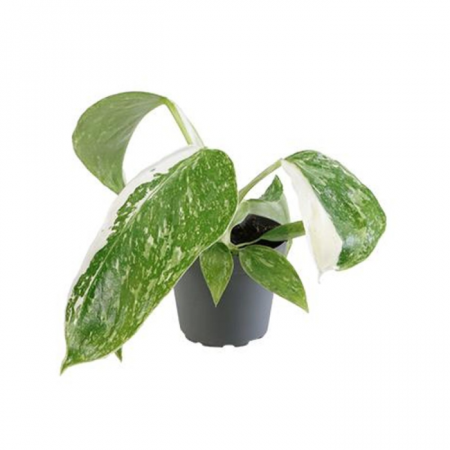
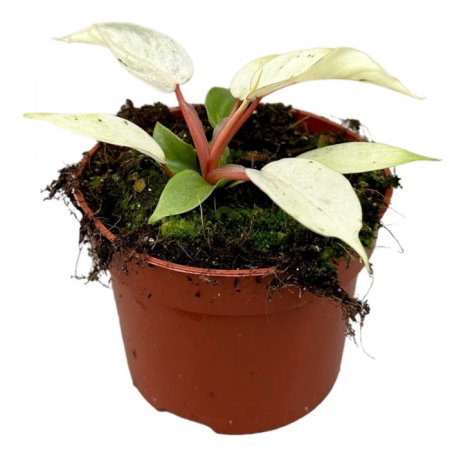
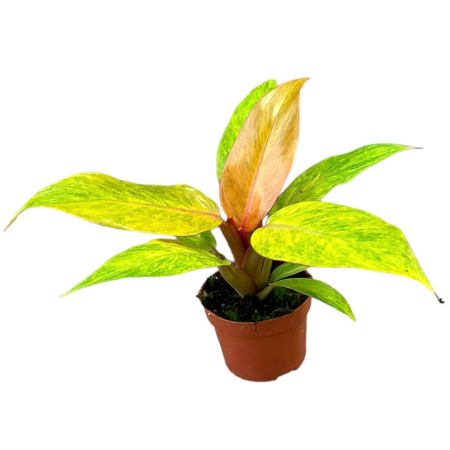
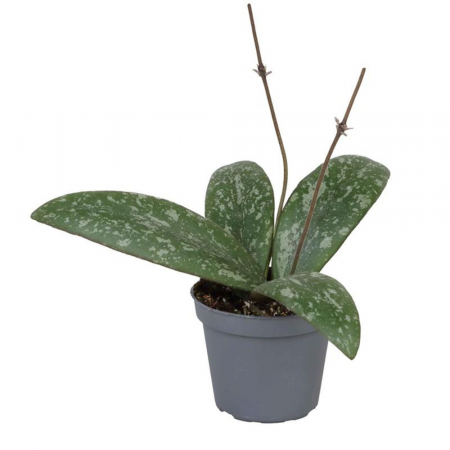
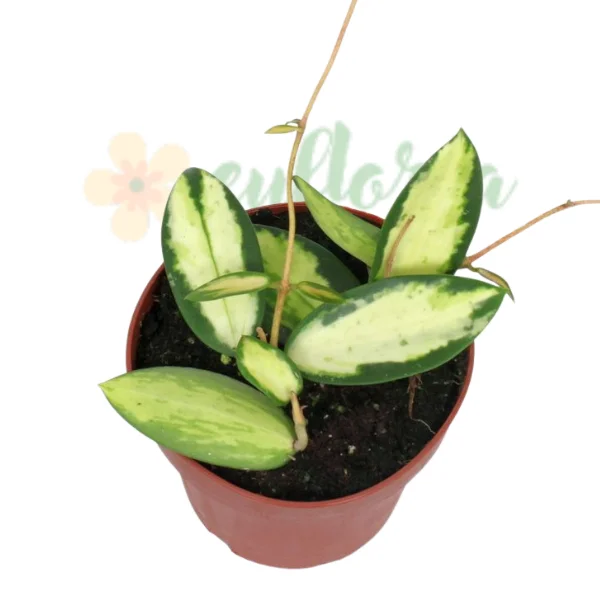
The leaves of Spathiphyllum 'Diamond' are the cultivar's standout feature. They are large, lance-shaped, and elegantly arching – measuring approximately 15-30 cm in length depending on maturity – with a glossy, almost polished surface that reflects light beautifully. The base colour is a rich, deep green, but what distinguishes the Diamond variety is its generous silver-white variegation: irregular streaks, splashes, and patches of cream to white that run along the length of each leaf, following the veins in some places and breaking into random patterns in others. The variegation varies from leaf to leaf – some emerge predominantly green with subtle silver flecking, while others display bold white sections that can cover nearly half the leaf surface. New leaves unfurl from the centre of the plant in a tightly rolled spiral, gradually opening to reveal their unique pattern. The foliage grows in a dense, upright rosette that spreads gracefully outward, creating a lush, full appearance. Individual leaves can be somewhat delicate due to their size – minor tears or nicks can occur, which is normal for this species.
🌸 Flowers – The Iconic White Spathes
Peace Lilies are named for their elegant white "flowers" – though botanically speaking, what we see is not a true flower but a modified leaf called a spathe, surrounding a central spadix where the tiny true flowers are clustered. In Spathiphyllum 'Diamond', the spathes are creamy white, sometimes with subtle green tinting near the base, and rise gracefully on slender stems above the variegated foliage. Each spathe measures approximately 10-15 cm in length and has a gently curved, hood-like shape that has been compared to a white flag of peace – hence the common name. The central spadix is initially cream or ivory-coloured but gradually turns green as the flower matures. Individual blooms can last 4-6 weeks or longer under good conditions, eventually fading to green before naturally dying back. Peace Lilies typically flower most prolifically in spring and summer when given adequate light, though well-cared-for specimens can bloom sporadically throughout the year. The flowers are lightly fragrant – a subtle, pleasant scent that is not overpowering. Note: Variegated cultivars like 'Diamond' may flower somewhat less prolifically than all-green varieties, as the reduced chlorophyll in the leaves means the plant has less energy available for bloom production.
🌿 Growth Habit & Development
Spathiphyllum 'Diamond' is a mid-sized Peace Lily with a moderate to moderately fast growth rate under good conditions. It forms a dense, upright clump of arching leaves that gradually expands outward as the plant matures. Typical indoor specimens reach approximately 45-60 cm in height and spread, though this can vary with growing conditions. The plant grows from a rhizomatous root system that slowly produces new growth points, allowing the plant to become fuller and bushier over time. Peace Lilies prefer to be slightly root-bound – a snug pot actually encourages flowering – so repotting is only necessary every 2-3 years or when the plant shows signs of stress from being excessively cramped. Growth is most active in spring and summer; in winter, the plant may slow down or enter a semi-dormant period. One of the Peace Lily's most endearing traits is its dramatic response to thirst: when it needs water, the entire plant will droop noticeably, giving a clear visual signal. After watering, it typically recovers within hours.
Care Requirements:
- Light: Medium to bright indirect light is ideal – the variegated foliage of 'Diamond' requires more light than all-green Peace Lilies to maintain its striking pattern and support healthy growth. In low light, the variegation may fade and become less pronounced as the plant produces more chlorophyll to compensate; new leaves may emerge predominantly green. Avoid direct sunlight, which can scorch the leaves – the white variegated sections are particularly vulnerable to sunburn. A position near an east or north-facing window, or a few metres back from a south or west-facing window, is usually perfect. Artificial light (such as grow lights) also works well.
- Water: Keep the soil evenly moist but not waterlogged. Peace Lilies are thirstier than many houseplants and do not like to dry out completely between waterings – consistently dry soil causes brown leaf tips and edges. Water when the top 2-3 cm of soil feels dry. The plant will droop dramatically when thirsty, which is a helpful visual cue, but try to water before this stage to avoid stressing the plant. Reduce watering in winter when growth slows. Always use room-temperature water; cold water can shock the roots. Ensure the pot has drainage holes – sitting in water causes root rot.
- Soil: A well-draining, nutrient-rich potting mix is ideal. Standard houseplant compost mixed with perlite or orchid bark for improved drainage works well. The soil should retain some moisture while allowing excess water to drain freely. Avoid heavy, compacted soils that stay soggy. Peace Lilies can also be grown in water (hydroponically) but require careful management of nutrients.
- Temperature: 18-24°C is the ideal range for Spathiphyllum 'Diamond'. It tolerates temperatures down to approximately 12°C but growth will slow significantly. Avoid cold drafts from windows, doors, or air conditioning vents, and keep the plant away from radiators or heat sources that create dry air. Consistent warmth supports steady growth and flowering.
- Humidity: Peace Lilies appreciate humidity levels of 50% or higher, reflecting their tropical rainforest origins. Average household humidity is usually acceptable, but brown leaf tips can indicate overly dry air. Increase humidity by misting regularly (use soft water to avoid mineral spots), placing the plant on a pebble tray with water, grouping it with other plants, or using a humidifier. Bathrooms and kitchens often provide naturally higher humidity. Good air circulation helps prevent fungal issues.
- Feeding: Apply a balanced liquid fertilizer at half strength once or twice a month during the growing season (spring through summer). You can also use a fertilizer formulated for flowering plants to encourage blooms. Do not overfeed – excessive fertilizer causes salt buildup and can burn the roots. Stop or reduce fertilizing in autumn and winter when growth slows. Fresh potting mix contains adequate nutrients for the first few months after repotting.
Botanical Info: Family: Araceae | Genus: Spathiphyllum | Cultivar: 'Diamond' (silver-white variegated foliage selection) | Common Names: Variegated Peace Lily, Diamond Peace Lily, Silver Peace Lily | Type: Evergreen Herbaceous Perennial | Native Range: Tropical Americas (Colombia, Venezuela, Central America); cultivated hybrid/selection | Zone: USDA 10-12 (indoor cultivation in temperate climates) | Flowering: White spathes with cream/green spadix, 10-15 cm, lightly fragrant, spring-summer (year-round possible), lasting 4-6 weeks | Growth Rate: Moderate | Mature Size: 45-60 cm height and spread (indoors)
Lungime: 15 cm
Greutate (kg): 1 Kg
Denumire: Spathiphyllum
Diametru: 10.5 cm
Cerințe lumină: Partial umbra
Tip plantă: Decorative
Utilizare: Interior
Tip suport: Ghiveci
Material Suport: Plastic
Is Spathiphyllum 'Diamond' toxic to cats and dogs?
Yes, Spathiphyllum 'Diamond' (like all Peace Lilies) is considered mildly toxic to cats, dogs, and horses according to the ASPCA. The plant contains insoluble calcium oxalate crystals that cause immediate oral irritation, burning, drooling, and vomiting if chewed or ingested. However, it is important to note that Peace Lilies are NOT true lilies – true lilies (Lilium species) are far more dangerous and can cause fatal kidney failure in cats. Peace Lily toxicity, while unpleasant and painful, is rarely life-threatening because the immediate burning sensation typically stops animals from eating much of the plant. Most symptoms resolve within 24-48 hours. That said, if you have curious pets, it is best to place this plant out of their reach or choose a non-toxic alternative.
Why is my Spathiphyllum 'Diamond' losing its variegation?
The most common reason for variegation fading in Spathiphyllum 'Diamond' is insufficient light. Variegated plants have less chlorophyll (the green pigment that captures light for photosynthesis) than all-green varieties, so they need brighter light to thrive. In low light conditions, the plant may produce more chlorophyll to compensate, causing new leaves to emerge greener and less variegated. To maintain strong variegation, place your Diamond Peace Lily in medium to bright indirect light – more than you would give a standard Peace Lily. Avoid direct sunlight, which can burn the white sections of the leaves. If your plant has already produced green leaves, moving it to brighter light should encourage more variegated growth going forward, though existing leaves will not change.
Why are the tips of my Peace Lily leaves turning brown?
Brown leaf tips on Peace Lilies are almost always caused by one of three factors: inconsistent watering (particularly underwatering or allowing the soil to dry out too much), low humidity, or mineral buildup from tap water. Peace Lilies prefer consistently moist soil and appreciate humidity levels of 50% or higher. To address brown tips: water more consistently, never letting the soil dry out completely; increase humidity by misting, using a pebble tray, or running a humidifier; and consider using filtered or rainwater instead of tap water, which can contain chlorine and fluoride that Peace Lilies are sensitive to. Once leaf tips turn brown, they cannot be restored – you can trim off the brown portions with clean scissors if desired. Focus on preventing further browning through improved care.
How do I get my Spathiphyllum 'Diamond' to flower?
Peace Lilies flower most readily when given adequate light, appropriate care, and a bit of maturity. To encourage blooming: ensure your plant receives medium to bright indirect light – insufficient light is the most common reason for failure to flower. Keep the plant slightly root-bound, as Peace Lilies tend to bloom more when their roots are somewhat constrained. Maintain consistent watering and humidity. Feed with a balanced fertilizer or one formulated for flowering plants during the growing season. Be patient – plants need to reach a certain maturity before blooming, and variegated cultivars like 'Diamond' may flower less prolifically than all-green varieties because the variegated leaves produce less energy. Commercially sold Peace Lilies are often treated with gibberellic acid to induce flowering at point of sale; your plant may take a year or more to bloom again naturally.
Is Spathiphyllum 'Diamond' really an air-purifying plant?
Peace Lilies were included in NASA's 1989 Clean Air Study, which tested the ability of various houseplants to remove volatile organic compounds (VOCs) like formaldehyde, benzene, and trichloroethylene from sealed chambers. The study found that Peace Lilies were among the most effective plants tested. However, subsequent research has shown that the practical impact of houseplants on air quality in real-world home environments is quite modest – you would need an impractical number of plants (perhaps hundreds in a typical room) to significantly affect air quality compared to normal ventilation or mechanical air purifiers. That said, houseplants including Peace Lilies do provide other benefits: they add humidity, create a calming atmosphere, and studies suggest they can reduce stress and improve mood. Think of Spathiphyllum 'Diamond' as a beautiful addition to your home with modest air-quality benefits rather than a substitute for proper ventilation or air purification.
Why does my Peace Lily droop even when the soil is moist?
If your Peace Lily is drooping despite moist soil, the most likely cause is root rot from overwatering or poor drainage. When roots are damaged by sitting in waterlogged soil, they cannot absorb water effectively, causing the plant to wilt even though moisture is present. Check the roots by gently removing the plant from its pot – healthy roots are white or tan; rotted roots are brown, black, or mushy. If rot is present, trim away all affected roots with clean scissors, allow the remaining roots to dry slightly, and repot in fresh, well-draining soil in a pot with adequate drainage holes. Water less frequently going forward, allowing the top few centimetres of soil to dry before watering again. Other causes of drooping in moist soil include temperature stress (cold drafts or sudden temperature changes), recent repotting shock, or pest damage to the root system.
How often to water Spathiphyllum 'Diamond'?
Water when top layer dries. Plant droops when needing water. Summer 2-3x/week, winter less.
Does Spathiphyllum 'Diamond' purify air?
Yes, Spathiphyllum is an excellent purifier, removing formaldehyde, benzene and ammonia.
What light for Spathiphyllum 'Diamond'?
Prefers moderate indirect light. Tolerates low light but blooms less. Variegation needs good light.
Why brown leaf tips?
Brown tips from low humidity or chlorinated water. Use filtered water and mist leaves.
Why won't it bloom?
Insufficient light. Move to bright indirect light and fertilize.
Brown tips?
Low humidity or chlorinated water. Filtered water + misting.
Recommendations