
 EN/
EN/ Romana
Sansevieria cylindrica Ø12cm
![Sansevieria cylindrica – African Spear [1]](https://gomagcdn.ro/domains2/eufloria.ro/files/product/original/sansevieria-cylindrica-d12-816997.webp "Sansevieria cylindrica – African Spear [1]")
Approx height (including pot): 30 cm
Pot diameter: 12 cm
Decorative pot: Ceramic
- Description
- Characteristics
- Reviews (0)
- FAQ
🌿 Architectural Elegance Meets Indestructible Resilience
Sansevieria cylindrica, commonly known as the African Spear or Cylindrical Snake Plant, is a striking sculptural succulent that looks like it was designed by a modernist architect rather than evolved in the African savanna. Its smooth, cylindrical leaves rise from the soil like green spears reaching for the sky – rigid, elegant, and utterly unlike anything else in your plant collection. Where most houseplants offer soft, flowing foliage, the African Spear delivers bold vertical lines and a minimalist aesthetic that has made it a favourite of interior designers worldwide. And beneath that sleek, contemporary appearance lies one of the most forgiving plants you'll ever own – a survivor that thrives on neglect and rewards even the most absent-minded plant parent with years of sculptural beauty.
🌍 Origins & Botanical History
Sansevieria cylindrica is native to Angola in southern tropical Africa, where it grows in dry, rocky habitats and spreads through creeping underground rhizomes. The species was first described in 1837 by Wenceslas Bojer, a Czech naturalist and botanical illustrator, in his work Hortus Mauritianus. It was later formally published in Curtis's Botanical Magazine in 1859. The name "cylindrica" refers to the distinctive cylindrical shape of the leaves – a remarkable adaptation that reduces surface area and allows the plant to survive in arid conditions where water is scarce. In 2018, molecular studies led to the reclassification of the entire Sansevieria genus into Dracaena, making the current accepted name Dracaena angolensis. However, the name Sansevieria cylindrica remains overwhelmingly popular in horticulture and trade. The species received its common name "African Spear" from a competition in a Dutch national newspaper – a fitting tribute to the plant's dramatic, weapon-like appearance.
🍃 Foliage – Living Sculpture
The leaves of Sansevieria cylindrica are what make this plant instantly recognizable. They are smooth, rigid, subcylindrical (nearly round in cross-section), and grow to impressive heights – typically 60-90 cm indoors, but capable of reaching up to 2 metres under optimal conditions. Each leaf is approximately 3 cm in diameter, with a pointed tip protected by a tough, sharp point that gives the plant its "spear" nickname. The colouration is a sophisticated grey-green to dark green, often decorated with subtle horizontal banding or striping in lighter green – though this banding tends to fade as leaves mature. The leaves grow in a distinctive fan-shaped arrangement from a basal rosette, emerging from creeping rhizomes that spread beneath the soil. This growth pattern creates an architectural quality that makes each plant look like a carefully arranged art installation. Commercially, the leaves are often sold braided together – a decorative technique that adds visual interest while the plant is young.
🌸 Flowers – A Rare & Fragrant Surprise
While most people grow Sansevieria cylindrica purely for its foliage, mature plants can produce flowers – though this is relatively rare indoors and typically occurs only when the plant is somewhat stressed or extremely well-established. When flowering does occur, an erect spike emerges from the base of the leaves, bearing clusters of small, tubular flowers approximately 3 cm long. The blooms are greenish-white, often tinged with pink, and while not particularly showy, they offer a delightful surprise: a sweet, pleasant fragrance that perfumes the air, particularly in the evening. After flowering, plants may produce small, spherical orange-red berries about 1 cm in diameter. Sansevieria cylindrica is known to bloom more readily from a young age than many other snake plant varieties – though "readily" is relative, and most indoor plants never flower at all. When they do, it's typically in late winter or early spring.
🌱 Growth Habit & Development
Sansevieria cylindrica is a slow-growing evergreen perennial that forms dense stands over time, spreading via underground rhizomes. Under typical indoor conditions, expect the plant to add just a few new leaves per year – but those leaves will persist for years, gradually building into an impressive sculptural display. The growth habit is upright and fan-shaped, with new leaves emerging from the central rosette. Plants are exceptionally long-lived when properly cared for, easily surviving for decades. The slow growth rate means the plant rarely needs repotting – every 2-5 years is typically sufficient, and only when the roots begin to visibly crowd the container. In fact, Sansevieria cylindrica prefers to be somewhat root-bound, and plants that are slightly cramped often perform better than those given too much space.
Care Requirements:
- Light: Bright, indirect light is ideal for optimal growth and the most vibrant leaf colouration. However, Sansevieria cylindrica is remarkably adaptable and tolerates a wide range of light conditions – from bright direct sun (which it handles well) to low light corners where other plants would struggle. In low light, growth will be slower and colours may become somewhat muted, but the plant will survive. For the best results, position near a bright window with filtered light. Can tolerate direct morning sun; protect from harsh afternoon sun which may cause leaf scorching over time.
- Water: This is where Sansevieria cylindrica truly shines as a low-maintenance champion. Water thoroughly when the soil is completely dry – typically every 2-3 weeks during the growing season, and once a month or less during winter. The cylindrical leaves store water efficiently, making this plant exceptionally drought-tolerant. Overwatering is the primary cause of problems; consistently soggy soil leads to root rot. When in doubt, wait longer before watering. Water the soil, not the leaves, and never allow the plant to sit in standing water.
- Soil: Fast-draining soil is essential. Use a cactus or succulent potting mix, or create your own by combining regular potting soil with generous additions of perlite, coarse sand, or pumice (a 1:1 ratio works well). The roots need excellent aeration and quick drainage – these are plants that evolved in rocky, sandy African soils, not moisture-retentive tropical forest floors. Always use a pot with drainage holes.
- Temperature: Prefers warm conditions between 18-29°C, with optimal growth around 21-27°C. Tolerates brief temperature fluctuations but is not cold-hardy – avoid temperatures below 10-13°C, which can cause leaf damage. Keep away from cold drafts, air conditioning vents, and frosty windows in winter. In USDA zones 10-11, can be grown outdoors year-round.
- Humidity: Thrives in average household humidity (around 40%) and tolerates dry air exceptionally well – no misting required. In fact, excessive humidity can be problematic, potentially encouraging fungal issues. This makes Sansevieria cylindrica perfect for heated homes in winter and air-conditioned spaces in summer where other tropical plants struggle.
- Feeding: Light feeder. Apply a balanced liquid fertilizer at half-strength once a month during spring and summer. Avoid fertilizing in autumn and winter when growth naturally slows. Over-fertilizing can cause leaf damage and salt buildup – with this plant, less is definitely more.
Botanical Info: Family: Asparagaceae | Genus: Sansevieria / Dracaena | Species: Sansevieria cylindrica Bojer ex Hook.f. (1859) / Dracaena angolensis (Welw. ex Carrière) Byng & Christenh. (2018) | Synonyms: Acyntha cylindrica, Sansevieria angolensis | Common Names: African Spear, Cylindrical Snake Plant, Spear Sansevieria, Elephant's Toothpick, Saint Bárbara Sword (Brazil) | Type: Evergreen Succulent Perennial | Native Range: Angola, Zambia, Zimbabwe | Zone: USDA 10-11 (indoor cultivation in temperate climates) | Flowering: Greenish-white tubular flowers tinged with pink, fragrant, on erect spike, rare indoors, late winter-spring | Growth Rate: Slow
Lungime: 15 cm
Greutate (kg): 2 Kg
Denumire: Sansevieria
Diametru: 12 cm
Cerințe lumină: Partial umbra
Tip plantă: Suculente
Utilizare: Interior
Tip suport: Ghiveci
Material Suport: Plastic
Is Sansevieria cylindrica toxic to cats and dogs?
Yes, Sansevieria cylindrica is mildly toxic to cats, dogs, and other household pets. All snake plants contain saponins – natural compounds that can cause gastrointestinal upset if ingested, including nausea, vomiting, diarrhea, and drooling. The ASPCA and Pet Poison Helpline confirm that snake plants are toxic to cats and dogs. However, the toxicity is considered mild to moderate, and the plant's bitter taste typically prevents animals from eating enough to cause serious harm. Most pets recover within 1-2 days with supportive care. To keep pets safe, position your African Spear plant out of reach – on high shelves, in hanging planters, or in rooms pets cannot access. If you suspect your pet has ingested any part of the plant, contact your veterinarian immediately.
How often should I water my Sansevieria cylindrica?
Water your Sansevieria cylindrica only when the soil is completely dry – typically every 2-3 weeks during spring and summer, and once a month or less during autumn and winter. This plant is extremely drought-tolerant; its cylindrical leaves store water efficiently, allowing it to survive extended periods without moisture. Overwatering is the most common cause of problems – soggy soil leads to root rot, which can kill the plant. When you do water, water thoroughly, allowing excess to drain completely. Never let the plant sit in standing water. If you're unsure whether to water, wait a few more days. Yellow or mushy leaves at the base are signs of overwatering; act immediately by allowing the soil to dry and checking for root rot.
Can Sansevieria cylindrica survive in low light?
Yes, Sansevieria cylindrica is one of the most low-light tolerant houseplants available. It evolved in the African savanna where it often grows in the shade of larger vegetation, and this adaptability transfers well to indoor conditions. The plant will survive in dark corners, windowless offices, and spaces where other plants would struggle. However, "survive" and "thrive" are different things: in low light, growth will be very slow, and the leaf colouration may become somewhat muted. For optimal growth and the most attractive appearance, bright indirect light is ideal. The plant can also handle some direct sun, particularly morning light – just avoid harsh afternoon sun which may cause leaf scorching over time.
Why are the leaves of my Sansevieria cylindrica braided?
Braided Sansevieria cylindrica plants are a popular decorative form created by nurseries. When the leaves are young and still relatively flexible, growers carefully braid them together and sometimes tie the tops with string or decorative bands. This is purely an aesthetic choice – it does not harm the plant, but neither is it natural. The braided form creates an interesting visual effect, resembling lucky bamboo arrangements. As the plant grows, new leaves will emerge unbraided from the centre. If you prefer the natural fan-shaped growth pattern, you can gently unbraid younger plants, though older braids may be permanently set. Both braided and natural forms require identical care.
Does Sansevieria cylindrica purify indoor air?
Sansevieria species, including cylindrica, were included in NASA's 1989 Clean Air Study, which found that snake plants can remove indoor air pollutants such as formaldehyde, benzene, xylene, toluene, and trichloroethylene. Additionally, snake plants perform a type of photosynthesis called CAM (Crassulacean Acid Metabolism), which allows them to absorb carbon dioxide and release oxygen at night – making them suitable bedroom plants. However, it's important to have realistic expectations: subsequent research has shown that in typical home settings with normal air exchange, you would need an impractically large number of plants to achieve significant air purification. The air-cleaning benefits are real but modest; enjoy your Sansevieria primarily for its beauty and easy care rather than as a replacement for proper ventilation.
What is the difference between Sansevieria cylindrica and Dracaena angolensis?
They are the same plant. In 2018, molecular phylogenetic studies revealed that the genus Sansevieria was nested within the genus Dracaena, meaning the two groups share a common ancestor and should be classified together. As a result, all Sansevieria species were reclassified into Dracaena, and Sansevieria cylindrica became Dracaena angolensis. The change reflects improved scientific understanding of plant relationships based on DNA analysis. However, the horticultural world has been slow to adopt the new name – most nurseries, retailers, and plant enthusiasts still use "Sansevieria cylindrica" because it's more familiar. Both names refer to exactly the same species: the beautiful African Spear plant with cylindrical grey-green leaves native to Angola. When shopping or researching, you may encounter either name.
What soil does it prefer?
Well-draining substrate - cactus/succulent mix with perlite. Excellent drainage essential.
Does it tolerate low light?
Yes, one of the most low-light tolerant plants. Grows even in offices without natural light.
Recommendations
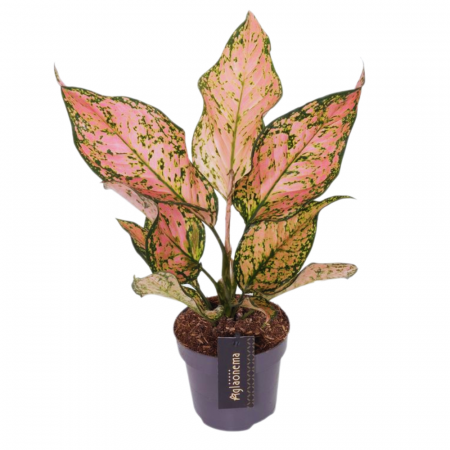
Ai nevoie și de un ghiveci decorativ?







