EN/
EN/ Romana
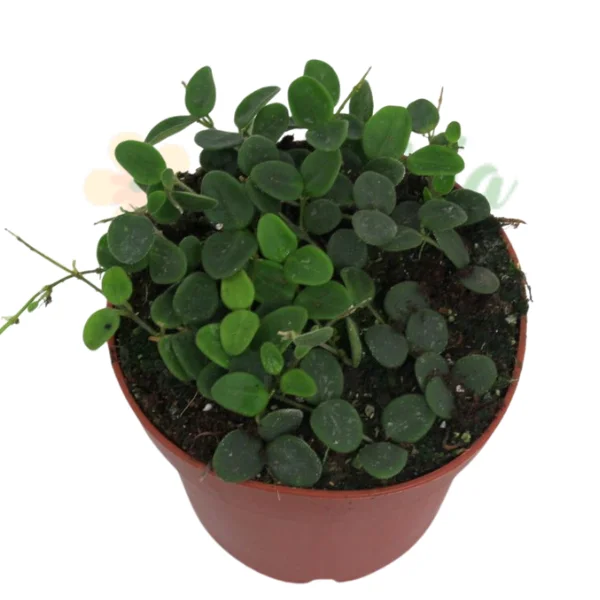
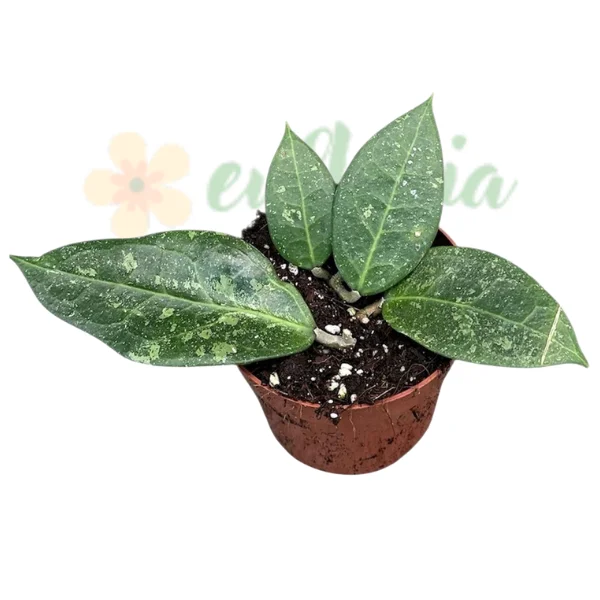
Hoya sp. PNG SV-432 pot Ø7cm
![Hoya sp. PNG SV‑432 [0]](https://gomagcdn.ro/domains2/eufloria.ro/files/product/medium/hoya-serpens-copie-5207516135.webp "Hoya sp. PNG SV‑432 [0]")
![Hoya sp. PNG SV‑432 [1]](https://gomagcdn.ro/domains2/eufloria.ro/files/product/medium/hoya-sp-png-sv-432-9998041079.webp "Hoya sp. PNG SV‑432 [1]")
![Hoya sp. PNG SV‑432 [2]](https://gomagcdn.ro/domains2/eufloria.ro/files/product/medium/hoya-sp-png-sv-432-3173019611.webp "Hoya sp. PNG SV‑432 [2]")
![Hoya sp. PNG SV‑432 [1]](https://gomagcdn.ro/domains2/eufloria.ro/files/product/original/hoya-serpens-copie-5207516135.webp "Hoya sp. PNG SV‑432 [1]")
![Hoya sp. PNG SV‑432 [2]](https://gomagcdn.ro/domains2/eufloria.ro/files/product/original/hoya-sp-png-sv-432-9998041079.webp "Hoya sp. PNG SV‑432 [2]")
![Hoya sp. PNG SV‑432 [3]](https://gomagcdn.ro/domains2/eufloria.ro/files/product/original/hoya-sp-png-sv-432-3173019611.webp "Hoya sp. PNG SV‑432 [3]")
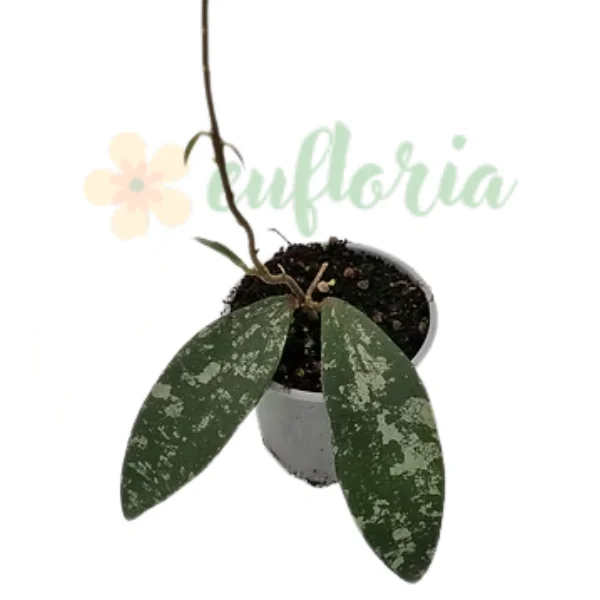
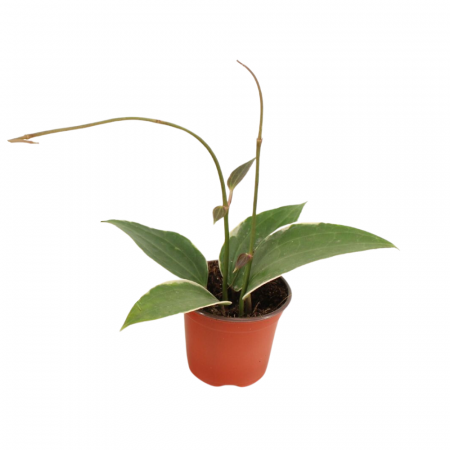
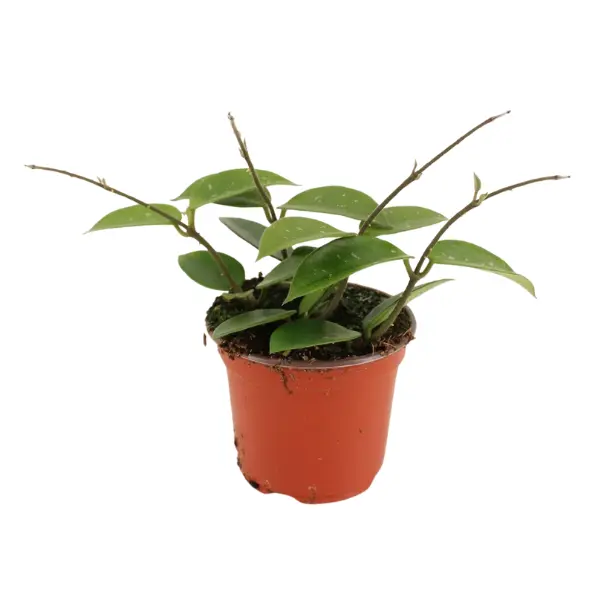
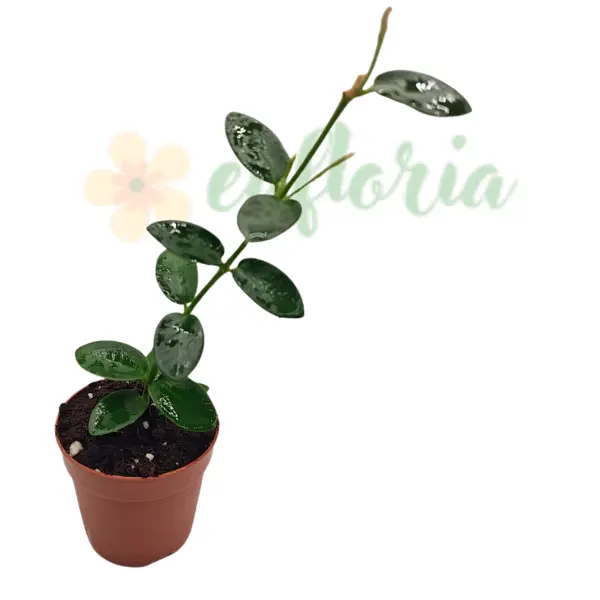
Hoya sp. PNG SV-432 – rare, unidentified species collected from Papua New Guinea. Fleshy, glossy leaves with tropical character. Climbing epiphyte. Prefers high humidity, indirect light, and well-drained substrate. Non-toxic plant, ideal for collectors.
Approx height (including pot): 15 cm
Flowering state: No flowers
Country of origin: Indonesia
- Description
- Characteristics
- Reviews (0)
- FAQ
🌿 Hoya sp. PNG SV-432 – An Unidentified Species from Papua New Guinea
Hoya sp. PNG SV-432 is a Hoya species not yet identified at species level, collected from Papua New Guinea and catalogued under the code SV-432. This epiphytic plant from the Apocynaceae family is highly sought after by rare plant collectors, thanks to its exotic origin and unique characteristics that differentiate it from already described species.
🌍 Origins and Botanical History
This Hoya originates from the tropical forests of Papua New Guinea, one of the most biodiverse regions on the planet. Papua New Guinea hosts an impressive number of Hoya species, many of which are still scientifically undescribed. The SV-432 code is a collection identifier that allows tracking the provenance and authenticity of the plant until its formal species description.
🌿 Leaves – Exotic Character and Tropical Textures
The leaves display characteristics typical of the Hoya genus – they are fleshy, with a glossy or semi-matte surface, in shades of green. Shape and size vary but reflect adaptation to the humid tropical conditions of Papua New Guinea. The texture is semi-succulent, allowing the plant to retain water efficiently in its natural epiphytic habitat.
🌸 Flowers – Floral Surprises to Discover
Like all Hoya species, Hoya sp. PNG SV-432 is expected to produce flowers grouped in umbels, with small fragrant star-shaped blooms. The exact coloring and size of the flowers will be a pleasant discovery as the plant reaches maturity, adding the element of surprise specific to unidentified plants.
🌱 Growth Habit and Care
Hoya sp. PNG SV-432 is an epiphytic climbing plant that benefits from a climbing support or can be grown in hanging pots. It prefers medium to bright indirect light, a very well-drained substrate based on bark, perlite, and sphagnum, and moderate watering – the substrate should partially dry between waterings. High humidity (above 60%) is recommended, reflecting conditions in its natural habitat. Ideal temperatures: 20-30°C (68-86°F).
Lungime: 10 cm
Greutate (kg): 0.25 Kg
Denumire: Hoya
Diametru: (fără ghiveci)
Cerințe lumină: Partial umbra
Tip plantă: Decorative
Utilizare: Interior
Tip suport: Ghiveci
Material Suport: Plastic
What condition is the plant shipped in?
Hoya sp. PNG SV-432 is sold in two versions:
- rooted cuttings in sphagnum moss in a 7cm diameter pot for plants in stock,
- rooted cuttings of 10+ nodes without pot and without soil for the pre-order version from Indonesia. The nodes will be carefully packaged to maintain their health during transit and the long import process from Indonesia. As this is a pre-order item, delivery may take up to 1-2 months while we import the plant. Photos shown are real specimens from our Indonesian supplier.
What should I do if the plant arrives damaged?
It is very rare for couriers to mishandle parcels, even though we label them as "FRAGILE".
In the unfortunate event that the plant or package arrives damaged, please contact us and we will solve the situation together.
We assure you of our full cooperation.
Can I choose the exact plant I order?
You can contact us via WhatsApp or by phone to receive photos of the available specimens before shipping. Please note that as this is a pre-order item, specific selection may be limited to available stock from our Indonesian supplier.
Does it have flowers?
Hoya sp. PNG SV-432 is shipped as 10+ node cuttings without flowers. Because it's an unidentified species, flower information is not yet well documented, but like all hoyas, it's expected to produce flowers once mature.
Check the "Flowering stage" for each product to see whether the plant is:
- Without flowers (typical for cuttings)
- With formed peduncles
- With flowers
Like all Hoya species, this plant will eventually flower once it reaches maturity, likely producing characteristic waxy flowers of the genus.
What does "sp." and "SV-432" from its name mean?
Nomenclature explains:
1. "sp." = species = still unidentified species
2. Indicates the plant belongs to Hoya genus but exact species is unknown
3. "PNG" = Papua New Guinea (origin location)
4. "SV-432" = collection code given by collector or nursery
5. Helps identify and track this particular form
6. May be a new species or unique variety
7. Highly sought after by collectors for rarity and uniqueness
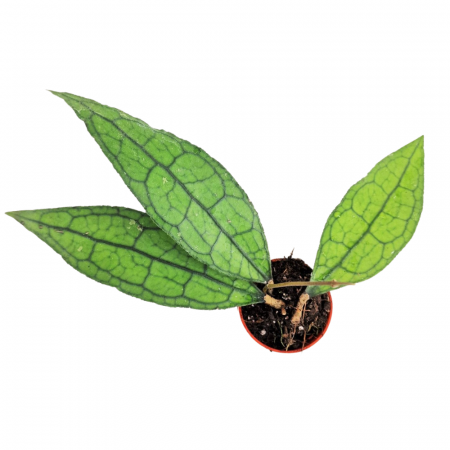
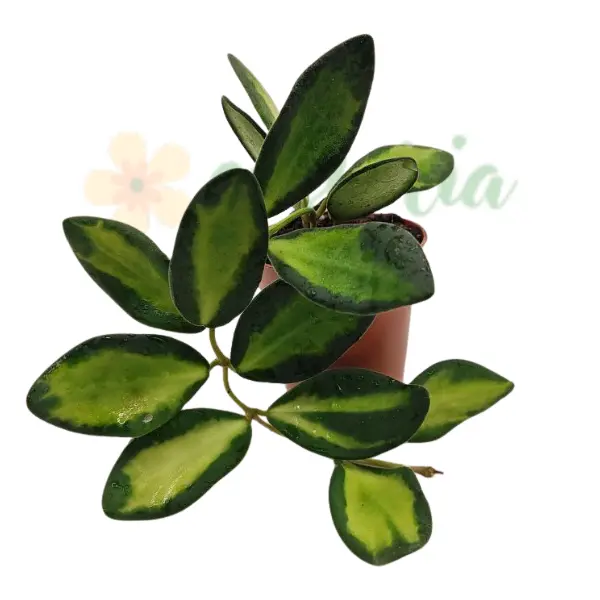
What are the bright yellow veins?
Spectacular veins are distinctive:
1. Very contrasting light yellow veins
2. Stand out strongly against dark green background
3. Create delicate reticulated pattern
4. Appear almost illuminated from within
5. Striking and decorative
6. Make leaves appear painted
7. Unique characteristic of this PNG form
8. Remain visible even when leaves turn reddish
What is sun-stressing?
Sun-stressing is fascinating:
1. Color response to intense light
2. Leaves transform from green to deep burgundy/reddish
3. Accentuates yellow veins – incredible contrast
4. Requires gradual acclimation to direct sun
5. 1-2 hours direct morning sun ideal
6. Too much sun can burn leaves
7. Reversible transformation – return to green in shade
8. Creates dynamic and spectacular appearance
How can I achieve reddish colors?
For successful sun-stressing:
1. Gradual acclimation – Don't expose suddenly to sun
2. Morning sun – 1-2 hours direct morning sun
3. Avoid midday sun – Too intense, can burn
4. Monitor – Watch for burn signs
5. Patience – Transformation takes weeks
6. Good ventilation – Important in intense light
7. Proper watering – Don't let dry completely
8. Can revert to green – If moved to shade
How large are the leaves?
Large leaves are impressive:
1. Oval and large – spectacular size
2. Create powerful visual impact
3. Perfect for statement pieces
4. Size makes veins more visible
5. Slightly thick and waxy texture
6. Robust and decorative appearance
7. Ideal for close admiration
Where is Papua New Guinea?
Papua New Guinea is fascinating:
1. Island in Pacific, north of Australia
2. One of the most biodiverse regions in the world
3. Covered by dense tropical forests
4. Habitat for many rare and undiscovered species
5. Unique flora, many endemic
6. Warm and humid tropical climate
7. Source of rare plants for collectors
8. Many new Hoya species discovered here
Why is it an unidentified species?
Unidentified species are special:
1. May be new species not scientifically described
2. Require taxonomic study for identification
3. Recently collected from natural habitat
4. Highly sought after by collectors
5. Possibility of owning something unique and rare
6. May eventually be officially named
7. Add mystery and fascination
8. Rarer than known species
Can I propagate this plant?
Hoya sp. PNG SV-432 can be propagated:
1. Take stem cuttings with 2-3 nodes
2. Root in water, sphagnum moss, or LECA
3. Medium to high humidity (60-70%) helps
4. Warmth (22-26°C) speeds root development
5. Roots typically develop within 3-5 weeks
6. Once rooted, grows steadily
7. Maintains yellow vein characteristics
To encourage healthy growth of Hoya sp. PNG SV-432:
1. **Bright indirect light** – 5-8 hours daily, plus 1-2 hours morning sun for colors
2. **Constant warmth** – Minimum 18°C, ideally 20-28°C
3. **Medium to high humidity** – 50-70% for healthy large leaves
4. **Excellent drainage** – Very draining epiphyte mix essential
5. **Dry between waterings** – Allow substrate to dry
6. **Balanced fertilizer** – Regular during growing season
7. **Support or hanging pot** – For vining habit
8. **Light acclimation** – Gradual for sun-stressing
9. **Stable environment** – Avoid frequent changes
10. **Appreciate the leaves** – Observe color transformation in different light
Is it toxic for pets or children?
Hoya sp. PNG SV-432 is an ornamental plant not intended for consumption. Like most hoyas, it contains a milky latex (whitish sap) that appears when leaves or stems are damaged. This latex contains irritating compounds which can cause:
- For humans: skin or eye irritation, especially in sensitive individuals; if ingested, it may cause nausea, vomiting, or digestive discomfort.
- For pets (cats, dogs, rabbits, etc.): excessive salivation, oral irritation, mild vomiting, or temporary loss of appetite – symptoms are usually mild but unpleasant.
Although not considered "highly toxic", it belongs to the category of ornamental plants with irritating latex.
It is recommended to:
- avoid handling with bare hands if you are sensitive to sap,
- keep the plant away from children and pets,
- wash your hands immediately after cutting or propagating.
Where should I place it indoors?
Ideally in bright locations:
1. **Near bright window** – East for morning sun (sun-stressing)
2. **Bright indirect light** – 5-8 hours daily minimum
3. **Decorative support** – To train vining habit
4. **Hanging pot** – Where large leaves can be admired
5. **Modern, bright space** – Maximum visual impact
6. **Collection with other rare hoyas** – Statement piece
7. **Avoid dark corners** – Won't develop colors
Ideal location: Near east-facing window with 5-8 hours indirect light plus 1-2 hours direct morning sun for sun-stressing, 50-70% humidity, constant temperature 20-28°C.
Why is this a pre-order item?
Hoya sp. PNG SV-432 is imported directly from Indonesia (cultivated from genetic material from Papua New Guinea), which requires:
- Coordination with specialized Indonesian nurseries for rare species
- Phytosanitary certification for international plant trade
- Careful packaging for long-distance shipping
- Import permits and plant quarantine inspections
This process can take up to 2 months, but ensures you receive an authentic specimen with proper documentation. The wait is worthwhile for this spectacular unidentified species – a possible new species from Papua New Guinea in your collection!
Why is Hoya sp. PNG SV-432 so appreciated by collectors?
This plant is sought after for:
1. **Unidentified species** – Possibly new species or unique variety
2. **Spectacular bright yellow veins** – Striking contrast
3. **Dramatic sun-stressing** – Transformation to burgundy-reddish
4. **Papua New Guinea origin** – Fascinating and biodiverse region
5. **Large decorative foliage** – Powerful visual impact
6. **Extreme rarity** – Hard to find in commerce
7. **Collection code SV-432** – Precise identification
8. **Perfect statement piece** – For modern collections
9. **Dynamic character** – Changes appearance in different light
10. **Potential botanical discovery** – In your collection!
How do I care for a Hoya plant?
Hoya plants prefer bright indirect light, moderate watering (allow the soil to dry between waterings) and temperatures between 18-27°C (65-80°F). Provide well-draining substrate and higher humidity for optimal growth.
When does Hoya bloom?
Hoya typically blooms in spring and summer, producing waxy, fragrant flowers. Do not cut the peduncles after flowering, as the plant will bloom again from the same stalks.
How often should I water my Hoya?
Water your Hoya when the top layer of soil (2-3 cm) has dried completely. In summer, this usually means once a week, and in winter every 2-3 weeks. Avoid overwatering.
Is Hoya toxic to pets?
Hoya is generally considered non-toxic to dogs and cats. However, ingestion of any plant may cause mild gastric discomfort, so it is recommended to keep the plant away from pets.
How do I propagate Hoya?
Hoya can be propagated through stem cuttings with 2-3 nodes. Place the cuttings in water or moist substrate and wait 2-6 weeks for rooting. Higher humidity helps the process.
Ai nevoie și de un ghiveci decorativ?