EN/
EN/ Romana
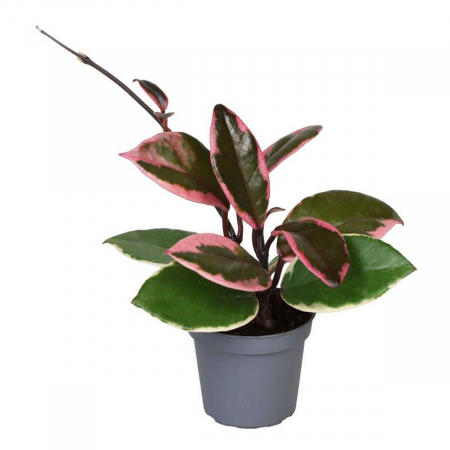
Hoya 'Chouke' Ø6cm
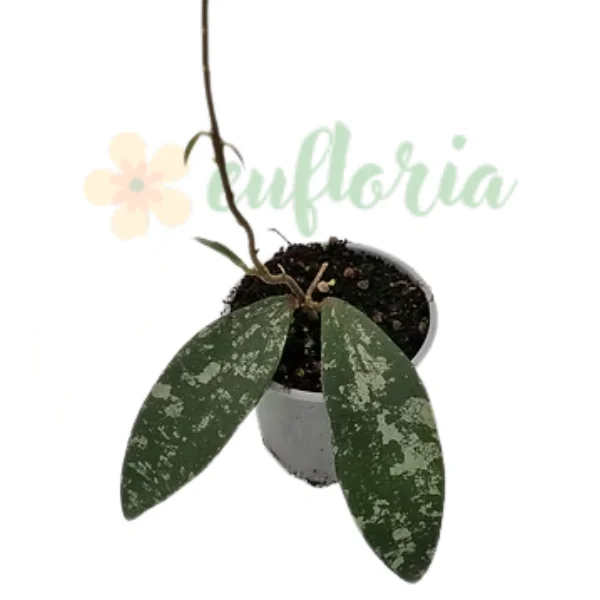
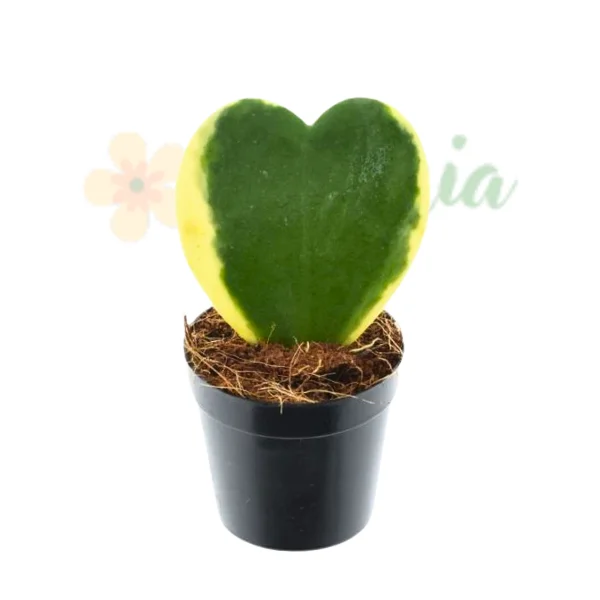
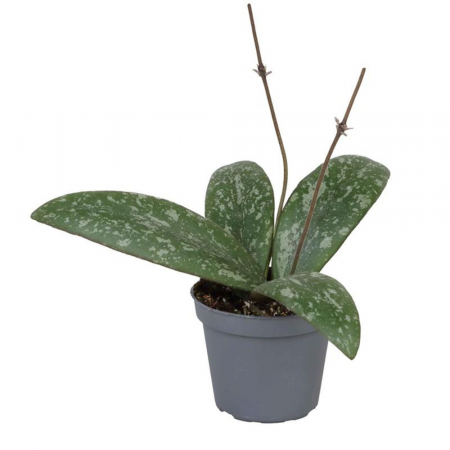
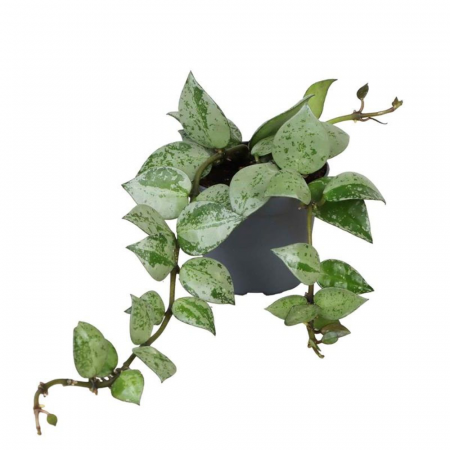
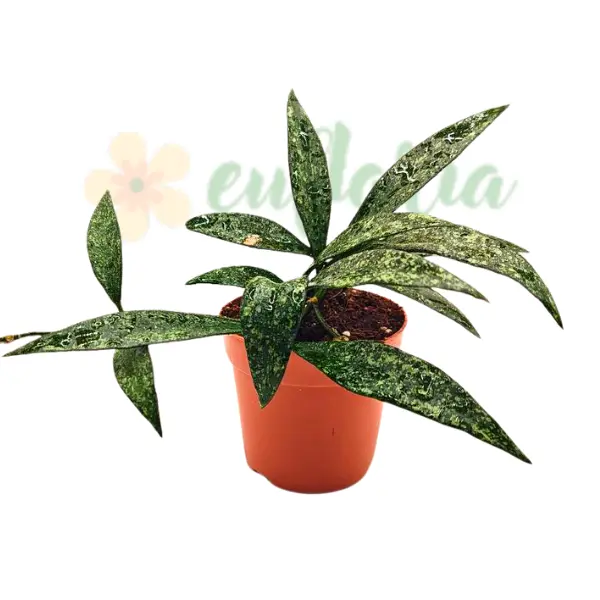
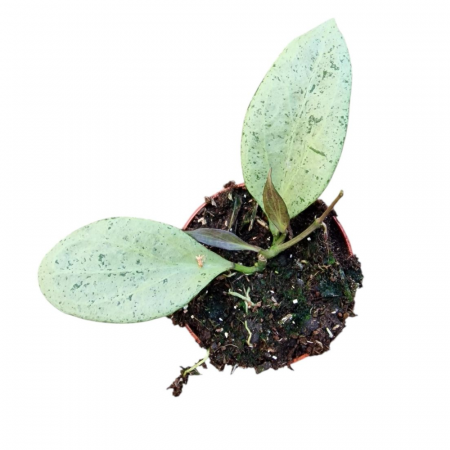
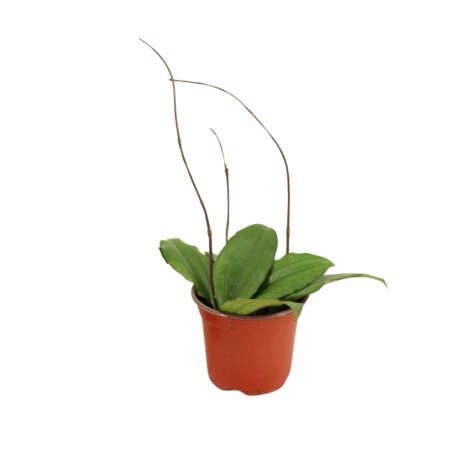
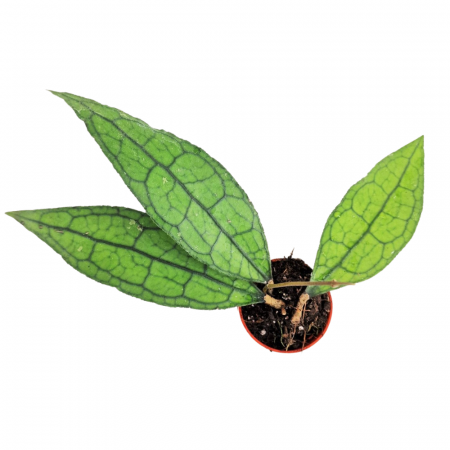
![Hoya Chouke în ghiveci – frunze groase cu margini ondulate [0]](https://gomagcdn.ro/domains2/eufloria.ro/files/product/medium/hoya-chouke-d6-319116.webp "Hoya Chouke în ghiveci – frunze groase cu margini ondulate [0]")
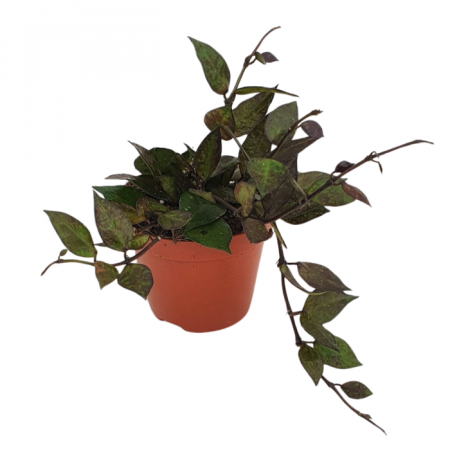
![Hoya Chouke în ghiveci – frunze groase cu margini ondulate [1]](https://gomagcdn.ro/domains2/eufloria.ro/files/product/medium/hoya-chouke-d6-382835.png "Hoya Chouke în ghiveci – frunze groase cu margini ondulate [1]")
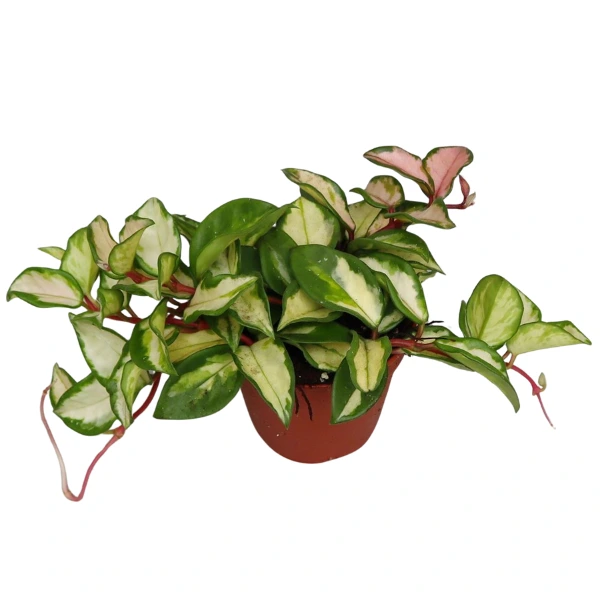
![Hoya Chouke în ghiveci – frunze groase cu margini ondulate [2]](https://gomagcdn.ro/domains2/eufloria.ro/files/product/medium/hoya-chouke-d6-480897.png "Hoya Chouke în ghiveci – frunze groase cu margini ondulate [2]")
![Hoya Chouke în ghiveci – frunze groase cu margini ondulate [1]](https://gomagcdn.ro/domains2/eufloria.ro/files/product/original/hoya-chouke-d6-319116.webp "Hoya Chouke în ghiveci – frunze groase cu margini ondulate [1]")
![Hoya Chouke în ghiveci – frunze groase cu margini ondulate [2]](https://gomagcdn.ro/domains2/eufloria.ro/files/product/original/hoya-chouke-d6-382835.png "Hoya Chouke în ghiveci – frunze groase cu margini ondulate [2]")
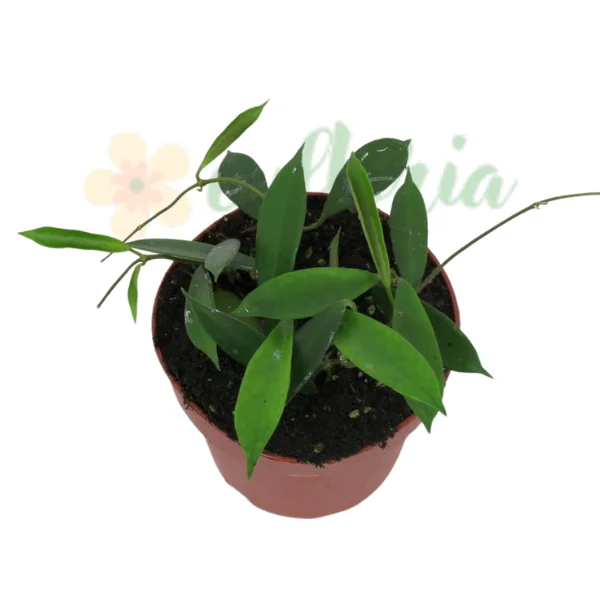
![Hoya Chouke în ghiveci – frunze groase cu margini ondulate [3]](https://gomagcdn.ro/domains2/eufloria.ro/files/product/original/hoya-chouke-d6-480897.png "Hoya Chouke în ghiveci – frunze groase cu margini ondulate [3]")
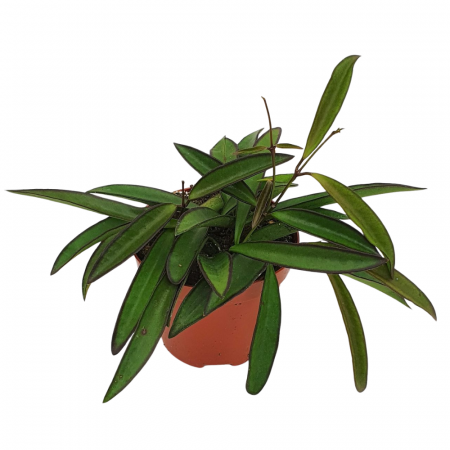
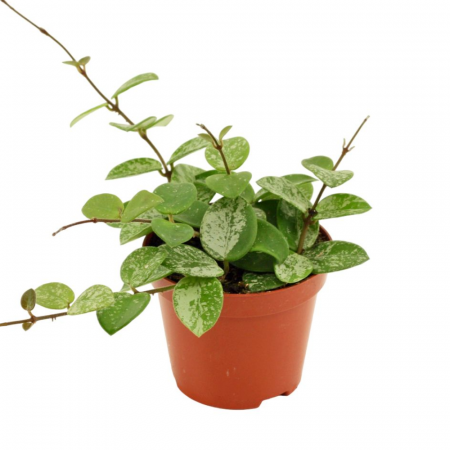
Hoya 'Chouke' este o plantă de interior în ghiveci fermecătoare, rezultată din încrucișarea dintre Hoya carnosa și Hoya serpens. Cu frunze rotunde, de un verde intens, presărate cu pete argintii delicate, și flori parfumate, albe, în formă de stea, această plantă adaugă o notă de eleganță exotică oricărui spațiu.
Approx height (including pot): 15 cm
Flowering state: No flowers
Country of origin: Netherlands
- Description
- Characteristics
- Reviews (0)
- FAQ
🌿 Hoya 'Chouke' — the compact hybrid with textured leaves
Hoya 'Chouke' is a spectacular hybrid created by Belgian breeder Emilio Begine, recognised for its strongly textured foliage and fragrant waxy flowers. It is a compact plant, ideal for small spaces, narrow windowsills or shelf collections where each specimen needs to stand out. Its slow growth and moderately trailing habit make it perfect for a 6-9 cm pot mounted on a wall or placed in a bright spot on a desk.
The 'Chouke' hybrid has become one of the most sought-after Hoyas in European collections in recent years, thanks to its unique texture — the leaves seem sculpted, with a finely wrinkled "bullate" surface — and to its frequent blooming with small clusters of waxy pink-coral flowers. It is a plant with personality, recommended for collectors who appreciate fine details.
🌍 Origin and parentage
Hoya 'Chouke' is a hybrid produced by Emilio Begine in Belgium, obtained by crossing species with textured leaves. The name "Chouke" is an affectionate nickname in the language of European collectors. It is officially registered in hybrid Hoya collections and propagated exclusively vegetatively to preserve the characteristics that make it unique.
The Apocynaceae family, to which it belongs, includes over 500 Hoya species, but hybrids like 'Chouke' bring novelty by combining traits that nature alone would not have gathered in a single specimen. Its cultivated origin means it will never be found in the wild, which makes it all the more precious in collections.
🌱 The characteristic textured foliage
Hoya 'Chouke' leaves are small (3-5 cm long), oval, dense, with a strongly bullate texture — that is, the surface is undulated and slightly wrinkled but not irregular. This texture reflects light in a fascinating way and creates plays of shadow. The colour is medium green, with a thin waxy layer that can make the leaves appear slightly silvery in indirect light.
The stems are thin and flexible, with slow growth. In its first years, the plant remains compact, but with patience it can be trained on a small trellis or left to drape over the edge of the pot. The internodes are short, giving the plant a dense, bushy look that is very decorative even without flowers.
🌸 The waxy flowers and fragrance
Flowering of Hoya 'Chouke' produces small clusters of 8-15 waxy, star-shaped flowers, in pink-coral colour with a darker centre. Each flower measures 0.8-1.2 cm and releases a moderate sweet fragrance, more pleasant in the evening. The peduncles are short and permanent — they should never be cut, since new flowers will appear from the same point each year.
Unlike other Hoyas that need mature plants to bloom, 'Chouke' can bloom even from a 1-2 year old rooted cutting, which makes it accessible even to beginners. The main blooming period is summer, but in good light conditions it can also bloom in the intermediate seasons.
In the world of Hoya hybrids, 'Chouke' holds a special place thanks to a rare combination: small size, densely textured foliage and willingness to bloom. Unlike large species that require years of growth before rewarding your patience, 'Chouke' offers the satisfaction of flowers just a few months after rooting. This characteristic has made it one of the most recommended plants for beginners who want to experience the charm of Hoya without waiting for years.
The ideal substrate for 'Chouke' can be prepared at home from a combination of fine pine bark (50%), perlite (30%), sphagnum (15%) and a little activated charcoal (5%). This recipe ensures perfect drainage, root oxygenation and prevents rot — the most common problem of Hoyas grown in normal houseplant substrate. Activated charcoal helps maintain stable pH and prevent mould.
Another important tip for long-term care: do not move the plant abruptly between locations with different light levels. Hoya 'Chouke' is sensitive to rapid changes and may respond by dropping leaves or stopping growth. If you want to relocate it, do so gradually, leaving it for a few days in each intermediate location. Likewise, avoid cold air drafts in winter and do not place it near radiators or air conditioning units.
Propagation of Hoya 'Chouke' is surprisingly simple: choose a healthy stem with 2-3 nodes and cut with a sterilised blade. Let the cut dry for 30 minutes, then place it in damp sphagnum or directly in water. Rooting takes between 3 and 6 weeks at temperatures of 22-25°C. Once the roots are 2-3 cm long, transfer to normal substrate and water carefully in the first weeks.
Common issues to watch for: yellowing leaves usually indicate overwatering, while shrivelled leaves point to under-watering or root damage. Lack of blooming is usually linked to insufficient light. 'Chouke' is relatively pest-resistant but mealybugs can hide between the dense leaves — inspect regularly and treat early with cotton swabs dipped in 50% isopropyl alcohol if you spot any.
For those who collect multiple Hoyas, 'Chouke' is a plant that integrates perfectly into any group. Its compact size allows it to take its place between larger specimens such as Hoya kerrii, Hoya carnosa or Hoya macrophylla without being overwhelmed and without dominating the space. On a bright shelf or in a plant cabinet, the contrast between the small textured leaves of 'Chouke' and the large leaves of other Hoyas creates a remarkable visual effect.
Another important aspect: the plant's response to different light conditions. In bright indirect light, the leaves develop a slightly silvery tint and the texture becomes even more pronounced. In dimmer light, the plant remains uniformly green and may slow its growth. Never expose it to intense direct sun — especially in summer months — because the leaves can burn quickly and lose their protective waxy layer.
If you want to encourage faster blooming, place the plant near other already-flowering Hoyas; some collectors report a kind of "social response" between Hoyas in the same room, although the scientific evidence remains anecdotal. What is certain is that consistent care, stable temperatures and regular but moderate fertilising are the keys to healthy flowering.
🌱 Care and growth habits
Hoya 'Chouke' prefers bright indirect light — a protected east or south-east window is ideal. Water only when the substrate is almost completely dry — a finger drawn through the substrate should come out clean. In winter, water less often, every 14-21 days, and keep the temperature above 16°C. Use a very airy substrate: fine pine bark, perlite and a little sphagnum.
Fertilise with fertiliser diluted to half strength once a month in spring and summer. For blooming, ensure a cooler rest period (15-18°C) for 4-6 weeks in winter. Repot rarely, only every 3 years, in the same pot or a slightly larger one. Propagation is by 2-3 node cuttings, rooted in damp sphagnum or perlite. 'Chouke' is a patient plant for beginners and rewards consistent care. Delivery across the EU.
Lungime: 6 cm
Greutate (kg): 0.15 Kg
Denumire: Hoya
Diametru: 6 cm
Cerințe lumină: Strong, indirect light
Tip plantă: Decorative
Utilizare: Interior
Tip suport: Ghiveci
Material Suport: Plastic
How do I care for Hoya Chouke?
Hoya Chouke prefers bright indirect light, moderate watering (let the soil dry out between waterings) and an airy, well-draining substrate. Ideal temperatures range from 18–28°C, and humidity of 50–70% is optimal.
What makes Hoya Chouke special?
Hoya Chouke is a hybrid valued for its thick, fleshy, compact leaves with a pleasant texture. It is a hardy and easy-to-care-for plant, suitable for both beginners and collectors.
When does Hoya Chouke bloom?
Hoya Chouke can bloom during the warm season, producing clusters of small, waxy, fragrant flowers. Provide sufficient light and do not move the plant when it is forming flower buds.
Is Hoya Chouke toxic to pets?
Hoya species are considered non-toxic to cats and dogs. However, ingesting leaves may cause mild digestive discomfort. Keep the plant out of reach of curious pets.
How can I propagate Hoya Chouke?
Propagation is done through stem cuttings with at least one node. Place the cuttings in water or moist perlite. Roots appear in 2–4 weeks, after which transplant into an airy, well-draining substrate.
Ai nevoie și de un ghiveci decorativ?