EN/
EN/ Romana
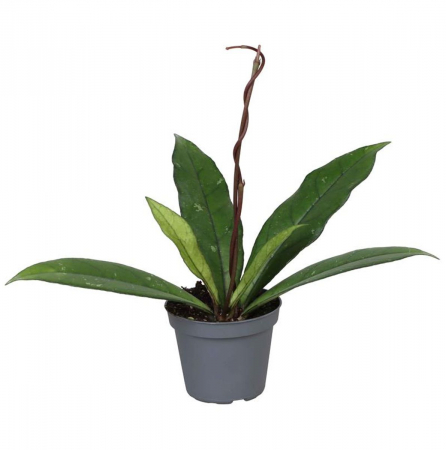
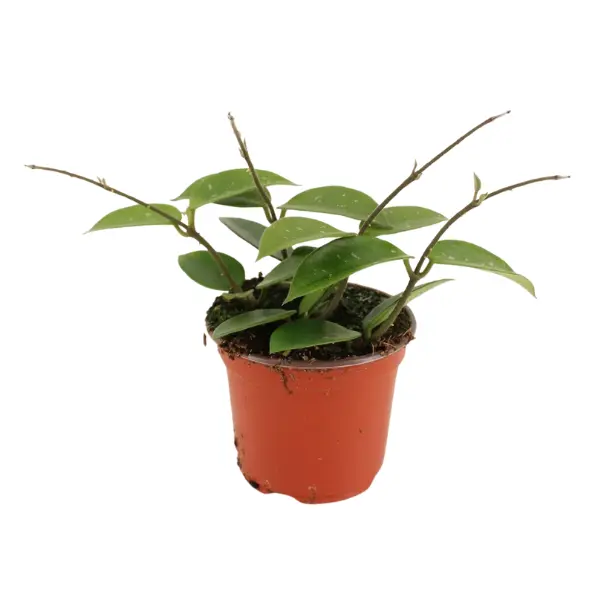
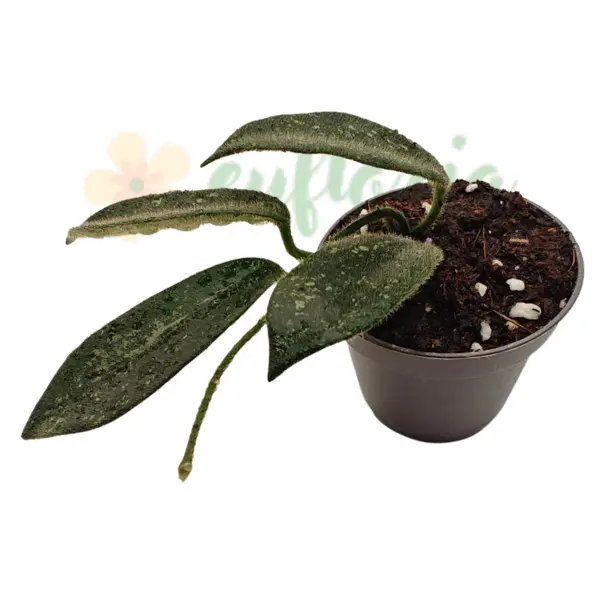
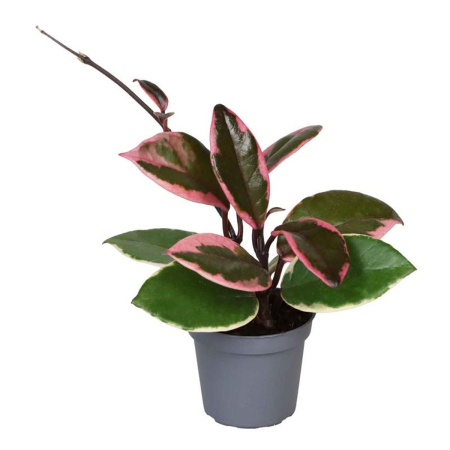
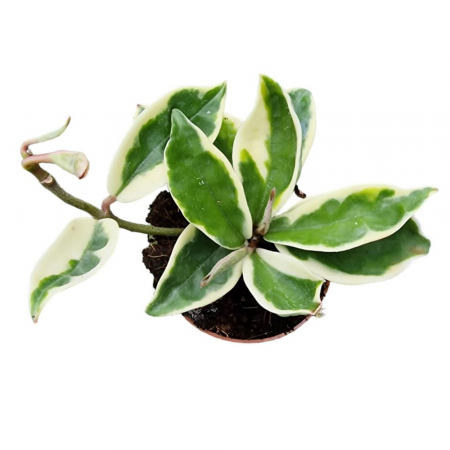
Hoya 'Minibelle' Ø10.5cm
![Hoya 'Minibelle' [0]](https://gomagcdn.ro/domains2/eufloria.ro/files/product/medium/hoya-minibelle-d10-5-783626.png "Hoya 'Minibelle' [0]")
![Hoya 'Minibelle' [1]](https://gomagcdn.ro/domains2/eufloria.ro/files/product/medium/hoya-minibelle-d10-5-272788.png "Hoya 'Minibelle' [1]")
![Hoya 'Minibelle' [2]](https://gomagcdn.ro/domains2/eufloria.ro/files/product/medium/hoya-minibelle-d10-5-554492.png "Hoya 'Minibelle' [2]")
![Hoya 'Minibelle' [1]](https://gomagcdn.ro/domains2/eufloria.ro/files/product/original/hoya-minibelle-d10-5-783626.png "Hoya 'Minibelle' [1]")
![Hoya 'Minibelle' [2]](https://gomagcdn.ro/domains2/eufloria.ro/files/product/original/hoya-minibelle-d10-5-272788.png "Hoya 'Minibelle' [2]")
![Hoya 'Minibelle' [3]](https://gomagcdn.ro/domains2/eufloria.ro/files/product/original/hoya-minibelle-d10-5-554492.png "Hoya 'Minibelle' [3]")
Approx height (including pot): 20 cm
Flowering state: No flowers
Pot diameter: 10.5 cm
- Description
- Characteristics
- Reviews (0)
- FAQ
Hoya 'Minibelle' – Delicatețea Naturii într-o Plantă Elegantă
Hoya 'Minibelle' este o plantă tropicală apreciată pentru frunzele sale alungite și elegante și pentru florile delicate, în formă de stea, care adaugă un farmec deosebit oricărui spațiu. Rezultatul unui hibrid între Hoya carnosa și Hoya shepherdii, această plantă combină rezistența și frumusețea ambelor specii, devenind un favorit printre colecționarii de plante și iubitorii de hoya.
Caracteristici și Atracții
- Frunziș Alungit și Elegant: Frunzele verzi, lanceolate ale Hoya 'Minibelle' sunt subțiri și alungite, având o textură fină și o culoare profundă. Acestea adaugă un aspect sofisticat și minimalist plantei, făcând-o ideală pentru decorul modern.
- Flori Delicate și Parfumate: Una dintre principalele atracții ale acestei hoya sunt florile sale mici, cerate, în formă de stea. De obicei, de un alb cremos cu un centru roz sau violet pal, aceste flori nu sunt doar frumoase, dar și parfumate, oferind un miros subtil și plăcut atunci când înfloresc.
- Planta Ideală pentru Ghivece Suspendate: Cu tulpinile sale care se întind și atârnă, Hoya 'Minibelle' este perfectă pentru ghivecele suspendate sau pentru a fi lăsată să se cațăre pe suporturi decorative. Creează o atmosferă aerisită și elegantă în orice încăpere.
De ce să alegi Hoya 'Minibelle'?
Hoya 'Minibelle' este o alegere excelentă pentru cei care caută o plantă ușor de întreținut, dar deosebit de atractivă. Florile sale parfumate și frunzele sale alungite adaugă o notă subtilă de eleganță, în timp ce întreținerea minimă o face perfectă pentru iubitorii de plante care au un stil de viață ocupat.
Instrucțiuni de Îngrijire
- Lumină: Preferă lumina indirectă puternică pentru a înflori, dar poate tolera și condiții de lumină moderată. Evită lumina directă puternică, care poate cauza arsuri pe frunze.
- Udare: Udă planta moderat, asigurându-te că solul se usucă parțial între udări. Hoya 'Minibelle' este tolerantă la secetă și nu necesită udare frecventă.
- Umiditate: Se adaptează bine la umiditatea ambientală, dar preferă un mediu ușor umed pentru a stimula creșterea și înflorirea.
- Sol: Utilizează un amestec de sol bine drenat, ideal pentru plante epifite, pentru a preveni acumularea de apă la rădăcini.
Lungime: 20 cm
Greutate (kg): 0.5 Kg
Denumire: Hoya
Diametru: 10.5 cm
Cerințe lumină: Lumina indirectă
Tip plantă: Plantă agățătoare
Utilizare: Interior
Tip suport: Ghiveci
Material Suport: Plastic
What hybrid is Hoya Minibelle?
How quickly does Hoya Minibelle bloom?
Is Hoya Minibelle suitable for beginners?
How do you propagate Hoya Minibelle?
Can I keep Hoya Minibelle as a hanging plant?
What is Hoya 'Minibelle' and what makes it special?
How often should Hoya 'Minibelle' be watered?
How much light does Hoya 'Minibelle' need?
Is Hoya 'Minibelle' toxic to cats and dogs?
When and how does Hoya 'Minibelle' bloom?
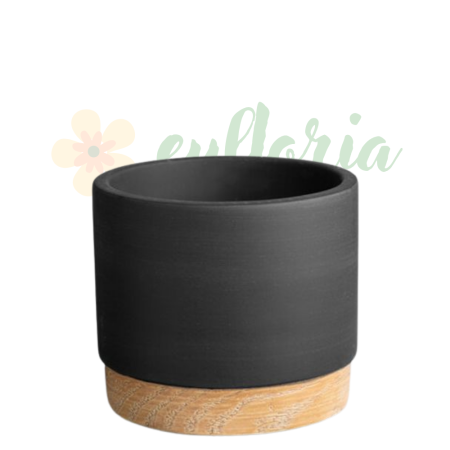
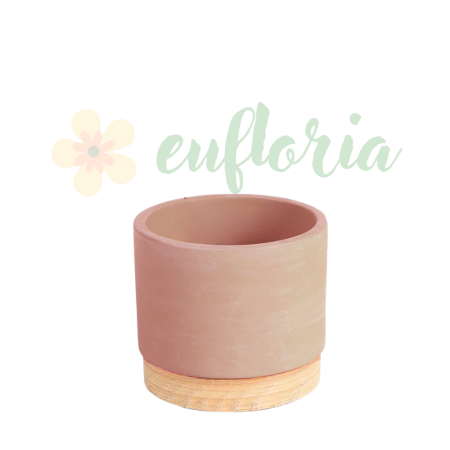
Ai nevoie și de un ghiveci decorativ?