EN/
EN/ Romana
Hoya 'Crassipetiolata' Ø6cm
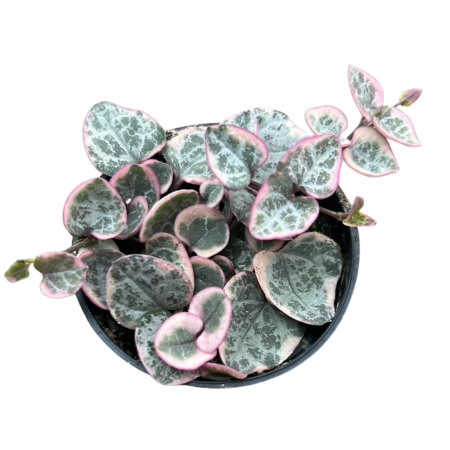
![Hoya crassipetiolata — tropical plant with thick, veined, dark green leaves and fragrant waxy flowers [0]](https://gomagcdn.ro/domains2/eufloria.ro/files/product/medium/hoya-crassipetiolata-d6-970558.jpg "Hoya crassipetiolata — tropical plant with thick, veined, dark green leaves and fragrant waxy flowers [0]")
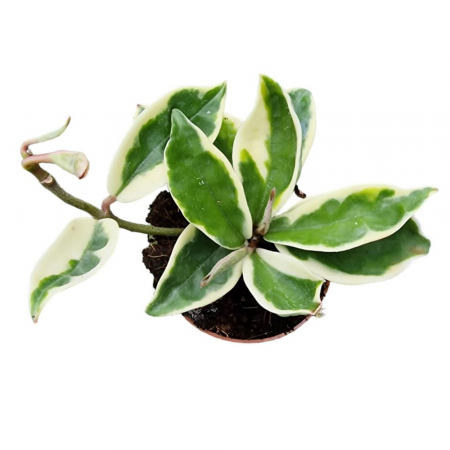
![Hoya crassipetiolata — tropical plant with thick, veined, dark green leaves and fragrant waxy flowers [1]](https://gomagcdn.ro/domains2/eufloria.ro/files/product/medium/hoya-crassipetiolata-d6-620577.png "Hoya crassipetiolata — tropical plant with thick, veined, dark green leaves and fragrant waxy flowers [1]")
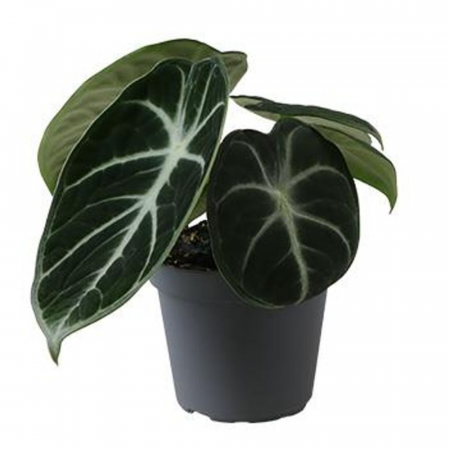
![Hoya crassipetiolata — tropical plant with thick, veined, dark green leaves and fragrant waxy flowers [2]](https://gomagcdn.ro/domains2/eufloria.ro/files/product/medium/hoya-crassipetiolata-d6-249617.png "Hoya crassipetiolata — tropical plant with thick, veined, dark green leaves and fragrant waxy flowers [2]")
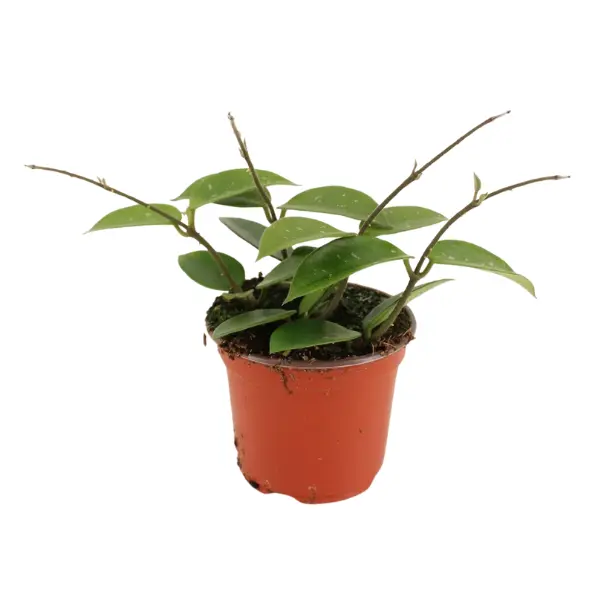
![Hoya crassipetiolata — tropical plant with thick, veined, dark green leaves and fragrant waxy flowers [3]](https://gomagcdn.ro/domains2/eufloria.ro/files/product/medium/hoya-crassipetiolata-d6-901443.png "Hoya crassipetiolata — tropical plant with thick, veined, dark green leaves and fragrant waxy flowers [3]")
![Hoya crassipetiolata — tropical plant with thick, veined, dark green leaves and fragrant waxy flowers [1]](https://gomagcdn.ro/domains2/eufloria.ro/files/product/original/hoya-crassipetiolata-d6-970558.jpg "Hoya crassipetiolata — tropical plant with thick, veined, dark green leaves and fragrant waxy flowers [1]")
![Hoya crassipetiolata — tropical plant with thick, veined, dark green leaves and fragrant waxy flowers [2]](https://gomagcdn.ro/domains2/eufloria.ro/files/product/original/hoya-crassipetiolata-d6-620577.png "Hoya crassipetiolata — tropical plant with thick, veined, dark green leaves and fragrant waxy flowers [2]")
![Hoya crassipetiolata — tropical plant with thick, veined, dark green leaves and fragrant waxy flowers [3]](https://gomagcdn.ro/domains2/eufloria.ro/files/product/original/hoya-crassipetiolata-d6-249617.png "Hoya crassipetiolata — tropical plant with thick, veined, dark green leaves and fragrant waxy flowers [3]")
![Hoya crassipetiolata — tropical plant with thick, veined, dark green leaves and fragrant waxy flowers [4]](https://gomagcdn.ro/domains2/eufloria.ro/files/product/original/hoya-crassipetiolata-d6-901443.png "Hoya crassipetiolata — tropical plant with thick, veined, dark green leaves and fragrant waxy flowers [4]")
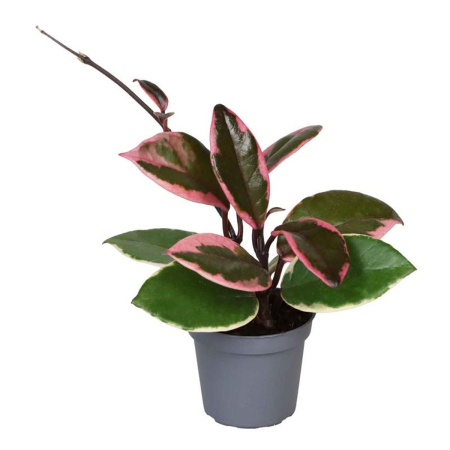
Hoya crassipetiolata is a tropical indoor plant with thick, prominently veined glossy leaves and exceptionally fragrant waxy flowers. Ideal for collectors and bright spaces, this rare Hoya rewards patience with stunning vanilla-scented blooms. You can also choose a decorative pot to complement its beauty.
Approx height (including pot): 10 cm
Flowering state: No flowers
- Description
- Characteristics
- Reviews (0)
- FAQ
🌿 Hoya crassipetiolata — a botanical jewel from the tropical forests of Southeast Asia
Some plants captivate through spectacular flowers, others through impressive dimensions, but Hoya crassipetiolata belongs to that rare category of species that fascinate through every detail of their anatomy — from the thick, fleshy petioles that gave it its name, to the glossy leaves with sculptural veins and the fragrant flowers that fill the room with aromas of vanilla and honey. It is a plant that gradually reveals its personality, rewarding the grower's patience with botanical surprises year after year.
First described by Dutch botanists in the 19th century during the great collecting expeditions across the Malay Archipelago, Hoya crassipetiolata remained for a long time a rarity in European collections. Its scientific name derives from the Latin "crassus" (thick) and "petiolata" (with petiole), a perfect description of its most distinctive trait: the visibly thickened, almost succulent petioles that support the massive leaves, lending the plant a robust, sculptural appearance. In recent years, thanks to in vitro propagation and exchanges among collectors, this species has become more accessible, yet it remains a centrepiece in any Hoya collection.
What makes Hoya crassipetiolata truly special is the harmonious combination of structural robustness and floral delicacy. It is a plant that conveys strength and resilience through its imposing foliage, yet in the moment of flowering reveals a surprisingly delicate and fragrant side. For Hoya collectors, discovering a Hoya crassipetiolata in bloom is an unforgettable experience, and its intense vanilla-honey fragrance is among the most memorable in the entire genus.
🌍 Origin and Botanical History
Hoya crassipetiolata is native to the tropical regions of Southeast Asia, with a natural distribution extending from the Philippines to Borneo and the Malay Peninsula. In its natural habitat, this epiphytic vine grows at altitudes between 200 and 800 metres, in the intermediate layers of humid tropical forests, where it clings to tree trunks and feeds on the natural matter accumulated in bark crevices.
According to the World Checklist of Selected Plant Families (WCSP) maintained by Kew Gardens, the Hoya genus comprises over 500 described species, and Hoya crassipetiolata occupies a distinctive place thanks to its unique morphology. Taxonomically, it belongs to the Apocynaceae family (subfamily Asclepiadoideae), alongside other tropical epiphytic genera. Its classification has been confirmed by recent molecular phylogenetic studies that placed it in the section of thick-leaved, waxy species from Southeast Asia.
The species' natural climate is tropical equatorial, with average annual temperatures of 25-28°C, rainfall of 2000-3000 mm/year, and constant relative humidity of 70-90%. The weak seasonality in equatorial regions explains why, in cultivation, the plant does not have a strict dormancy period but merely slightly reduces its growth rate during months with reduced light. The discovery and description of the species is linked to the great era of Dutch botanical exploration in the East Indies, when hundreds of new species were collected and sent to the herbaria of Leiden and Utrecht.
🌱 The Foliage — a green sculpture in miniature
The leaves are without doubt the main attraction of Hoya crassipetiolata outside its flowering period. With generous dimensions of 8-15 cm in length and 4-7 cm in width, they are ovate to elliptic, with a thick, fleshy, almost succulent texture. The upper surface is a deep dark green, with a natural gloss that makes each leaf look as if it has been hand-polished. The veins are strongly visible, forming an elegant reticulate pattern that adds dimension and visual interest.
The petioles, which gave the species its name, are remarkably thick — 2-4 cm in length and visibly thickened compared to other Hoya species. This characteristic is not merely decorative but also functional: the fleshy petioles serve as reservoirs of water and nutrients, allowing the plant to survive short drought periods in its natural epiphytic habitat. To the touch, the leaves feel pleasantly firm and cool, owing to the protective waxy layer (cuticle) that covers them.
Young leaves emerge with a lighter green hue, sometimes with bronze reflections, gradually maturing to the glossy dark green that makes the species recognisable. In strong light conditions, the veins become even more prominent and the leaf texture takes on an almost sculptural quality. If the plant receives too little light, new leaves will be thinner, paler, and with less visible veining — an important indicator that it needs repositioning closer to the window.
Compared with other popular species in the genus, Hoya crassipetiolata leaves stand out through the unique combination of thickness, intense glossiness, and thickened petioles. Where Hoya carnosa has waxy but relatively thin leaves, and Hoya kerrii has its heart shape, Hoya crassipetiolata offers a perfect balance between structural massiveness and visual elegance. It is a plant that looks good at every stage of development, from a young plantlet with just a few leaves to a mature specimen with long, trailing vines.
🌸 The Flowers — a fragrant spectacle of vanilla and honey
The moment of flowering is, without question, the pinnacle of cultivating a Hoya crassipetiolata. The flowers appear in compact spherical umbels, each umbel containing 15-25 individual flowers arranged in a sphere. Each flower measures 10-15 mm in diameter and features the typical Hoya structure: an outer corolla of cream-white to light yellow, waxy and almost translucent, and an inner corona of pink with a reddish centre that provides a beautiful contrast.
The fragrance is one of the most memorable in the Hoya genus — intense, sweet, with distinct notes of vanilla, honey, and a faint floral accent reminiscent of jasmine. The aroma noticeably intensifies after sunset, reaching peak intensity in the evening and night, when it attracts natural pollinators (moths and night butterflies). In an apartment, the scent from a single umbel can fill a medium-sized room, creating a unique sensory atmosphere.
To achieve flowering, the plant must be mature (minimum 2-3 years from rooting), receive strong indirect light (minimum 10,000 lux), and benefit from a slight day-night temperature difference (4-6°C). The peduncles on which the umbels appear should NOT be cut after flowering — they are perennial and will produce new series of flowers year after year, adding new blooms with each cycle. Cutting the peduncles is the most common mistake among beginner Hoya growers and can delay flowering by 1-2 years.
The flowering period typically extends from April to September, with peaks in May-June and August. A mature, well-cared-for plant can simultaneously produce 3-5 umbels, offering a prolonged floral display lasting several weeks. The abundant nectar secreted by the flowers is visible as glistening droplets on the corolla surface, adding a fascinating visual element.
🌱 Growth, care and development
Hoya crassipetiolata is a vine with moderate growth, adding approximately 15-25 cm of new vine per year under optimal cultivation conditions. Its natural habit is climbing-trailing: in nature, the vines wind around trunks and branches, clinging with adventitious roots. In cultivation, it can be trained on a moss pole, trellis, or metal arch, or left to trail freely from a hanging pot. Each approach offers a different yet equally spectacular decorative effect.
Vigour and branching: unlike Hoya linearis or Hoya curtisii which remain compact, Hoya crassipetiolata can develop vines up to 2-3 metres in length at maturity, with frequent lateral branches that lend it a full, lush appearance. Nodes are spaced 3-5 cm apart, and each node can produce adventitious roots if it comes into contact with a moist substrate or sphagnum moss.
Compared with other popular species in the genus, Hoya crassipetiolata sits at an intermediate difficulty level — more demanding than Hoya carnosa or Hoya pubicalyx (which tolerate almost any conditions), but significantly more tolerant than Hoya serpens or Hoya linearis (which require constantly high humidity). The thick, waxy leaves give it a natural water reserve, making it more forgiving of missed waterings than species with thin leaves.
Detailed care requirements:
- Light: Bright indirect light, equivalent to 10,000-20,000 lux. Ideally near an east or west-facing window, receiving 4-6 hours of filtered light daily. Tolerates lower light, but growth will be slower and flowering unlikely. Direct summer sun (11 am-3 pm) can scorch the leaves, leaving irreversible brown spots.
- Temperature: Optimal 20-28°C daytime, 16-20°C nighttime. Tolerates minimums of 12°C for short periods, but below 15°C growth stops. A 4-6°C day-night difference stimulates flowering initiation. Avoid cold draughts from open windows in winter.
- Watering: Moderate — allow the substrate to dry 70-80% between waterings. Summer: once every 7-10 days; winter: every 14-21 days. Use filtered or rainwater at room temperature. Overwatering rapidly causes root rot — it is always better to underwater than overwater.
- Humidity: 50-70% ideal. Tolerates 40-50% thanks to its waxy leaves, but below 40% dry leaf edges may appear. A humidifier or pebble tray helps during winter when central heating dries the air.
- Substrate: Airy and well-draining: 40% pine bark (5-15 mm), 25% perlite, 20% sphagnum, 15% horticultural charcoal. pH 5.5-6.5. Avoid compact universal potting mix that retains too much moisture. Terracotta pots with large drainage holes are ideal.
- Fertilisation: Balanced liquid fertiliser (NPK 20-20-20) diluted to half strength, once monthly during the growing season (March-September). Stop fertilising in winter when the plant reduces its metabolism.
- Propagation: Via vine cuttings of 10-15 cm with 2-3 nodes, in a mix of perlite and sphagnum (1:1). Roots appear in 3-5 weeks at 22-25°C and 70-80% humidity. Water propagation is possible, but adaptation to solid substrate takes longer. Optimal period: spring (April-May).
Hoya crassipetiolata is a plant of remarkable longevity — carefully tended specimens can live 15-20 years or more, becoming increasingly spectacular as they mature. With each year of growth, the plant produces more floral peduncles and more branched vines, transforming from a modest plantlet into an impressive specimen that becomes the centrepiece of any collection.
Lungime: 6 cm
Greutate (kg): 0.25 Kg
Denumire: Hoya
Diametru: 6 cm
Cerințe lumină: Strong, indirect light
Tip plantă: Decorative
Utilizare: Interior
Tip suport: Ghiveci
Material Suport: Plastic
How often should I water Hoya crassipetiolata?
Is Hoya crassipetiolata toxic to pets?
What is the ideal substrate for Hoya crassipetiolata?
When does Hoya crassipetiolata bloom?
How can I propagate Hoya crassipetiolata?
Ai nevoie și de un ghiveci decorativ?