EN/
EN/ Romana
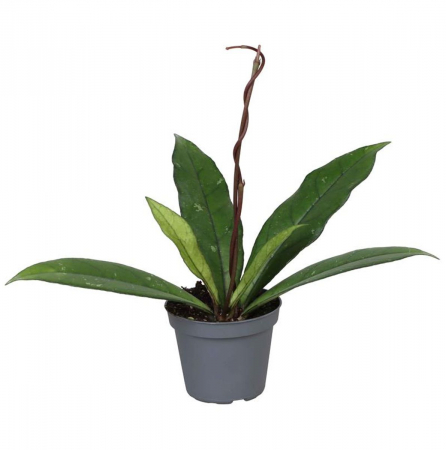
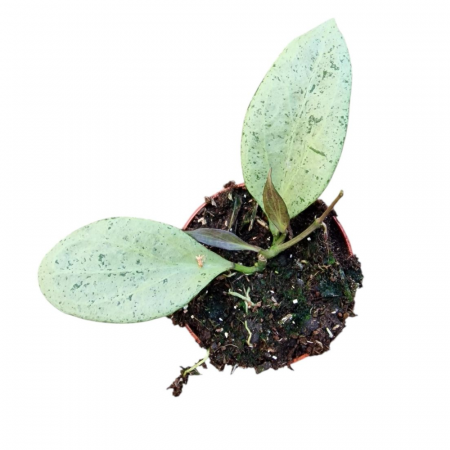
Hoya stoneana (IPPS00132) Ø7cm
![Hoya stoneana [0]](https://gomagcdn.ro/domains2/eufloria.ro/files/product/medium/hoya-stoneana-ipps00132-ghiveci-d7-955326.webp "Hoya stoneana [0]")
![Hoya stoneana [1]](https://gomagcdn.ro/domains2/eufloria.ro/files/product/medium/hoya-stoneana-ipps00132-ghiveci-d7-391635.webp "Hoya stoneana [1]")
![Hoya stoneana [1]](https://gomagcdn.ro/domains2/eufloria.ro/files/product/original/hoya-stoneana-ipps00132-ghiveci-d7-955326.webp "Hoya stoneana [1]")
![Hoya stoneana [2]](https://gomagcdn.ro/domains2/eufloria.ro/files/product/original/hoya-stoneana-ipps00132-ghiveci-d7-391635.webp "Hoya stoneana [2]")
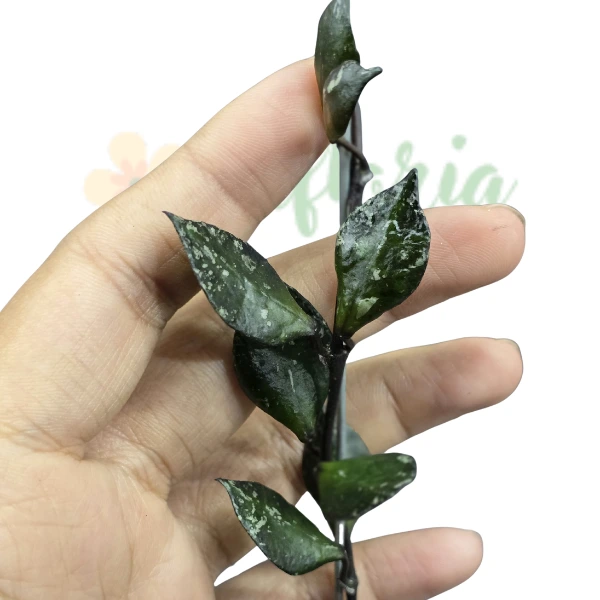
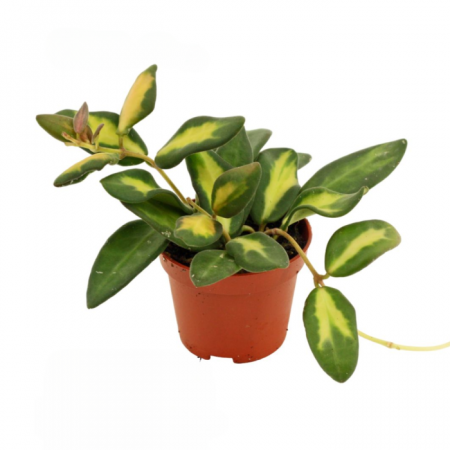
Hoya stoneana – rare species with large, glossy leaves and prominent veining. Climbing epiphyte from the Apocynaceae family, native to Borneo. Fragrant star-shaped flowers. Prefers bright indirect light and airy substrate. Non-toxic plant.
Note: Product images are for guidance only. Due to different batches of imported products, there may be differences between the images on the website and the actual appearance of the products.
Approx height (including pot): 15 cm
Flowering state: No flowers
Country of origin: Netherlands
- Description
- Characteristics
- Reviews (0)
- FAQ
🌿 Hoya stoneana – Large, Glossy Leaves with Expressive Veining
Hoya stoneana is a lesser-known but highly prized Hoya species among collectors, valued for its large, glossy, and expressive leaves. This epiphytic plant from the Apocynaceae family originates from the tropical forests of Southeast Asia and brings an exotic, characterful accent to any plant collection.
🌍 Origins and Botanical History
Hoya stoneana is native to tropical regions of Southeast Asia, particularly Borneo and Malaysia. It grows naturally as an epiphyte, clinging to tree trunks and branches in humid tropical forests. The species is relatively rare in cultivation, making it a valuable acquisition for collectors. The IPPS00132 code is a provenance identifier confirming the species' authenticity.
🌿 Leaves – Impressive Size and Natural Sheen
The leaves are among the most attractive features of this species. Large and oval, they display a glossy surface with prominent veins that create a natural decorative pattern. The coloring ranges from medium green to deep green, and the texture is semi-fleshy, typical of the Hoya genus. New leaves may have lighter or slightly pinkish hues, adding visual interest as the plant grows.
🌸 Flowers – Delicate Fragrant Umbels
Like all Hoya species, Hoya stoneana produces flowers grouped in umbels, composed of small star-shaped blooms. The flowers are fragrant and appear on peduncles that should not be cut after flowering, as they will produce new flowers in subsequent seasons.
🌱 Growth Habit and Care
Hoya stoneana is a climbing plant with moderate growth that benefits from a climbing support. It prefers bright indirect light, an airy substrate based on bark, perlite, and sphagnum, and moderate watering – the substrate should partially dry between waterings. Medium to high humidity (above 60%) promotes healthy growth. Ideal temperatures: 18-28°C (64-82°F). Avoid cold drafts and temperatures below 15°C (59°F).
Lungime: 10 cm
Greutate (kg): 0.25 Kg
Denumire: Hoya
Diametru: 7 cm
Cerințe lumină: Partial umbra
Tip plantă: Decorative
Utilizare: Interior
Tip suport: Ghiveci
Material Suport: Plastic
What does the code IPPS00132 represent?
It is a collection code used to identify a specific provenance or clone, not part of the official botanical name.
Is Hoya stoneana a species or a hybrid?
It is a valid botanical species, not a known hybrid.
Does it have variegated leaves?
No. The leaves are uniformly green, with no confirmed variegation.
What is the growth rate like?
The growth rate is moderate, typical of many botanical Hoyas.
Are the flowers fragrant?
There is no clear information confirming a distinct fragrance.
Is it suitable for hanging pots?
Yes. The flexible stems allow for pendulous growth, but the plant can also be grown on a support.
What type of light does it prefer?
Good, indirect light. Insufficient light can slow growth and reduce the chances of flowering.
Is it a rare species?
It is not commonly found in general trade, being more often present in specialized Hoya collections.
Is it suitable for beginners?
It can be grown by careful beginners, provided that proper watering and a well-drained substrate are maintained.
How do I care for a Hoya plant?
Hoya plants prefer bright indirect light, moderate watering (allow the soil to dry between waterings) and temperatures between 18-27°C (65-80°F). Provide well-draining substrate and higher humidity for optimal growth.
When does Hoya bloom?
Hoya typically blooms in spring and summer, producing waxy, fragrant flowers. Do not cut the peduncles after flowering, as the plant will bloom again from the same stalks.
How often should I water my Hoya?
Water your Hoya when the top layer of soil (2-3 cm) has dried completely. In summer, this usually means once a week, and in winter every 2-3 weeks. Avoid overwatering.
Is Hoya toxic to pets?
Hoya is generally considered non-toxic to dogs and cats. However, ingestion of any plant may cause mild gastric discomfort, so it is recommended to keep the plant away from pets.
How do I propagate Hoya?
Hoya can be propagated through stem cuttings with 2-3 nodes. Place the cuttings in water or moist substrate and wait 2-6 weeks for rooting. Higher humidity helps the process.
Recommendations
Ai nevoie și de un ghiveci decorativ?