EN/
EN/ Romana
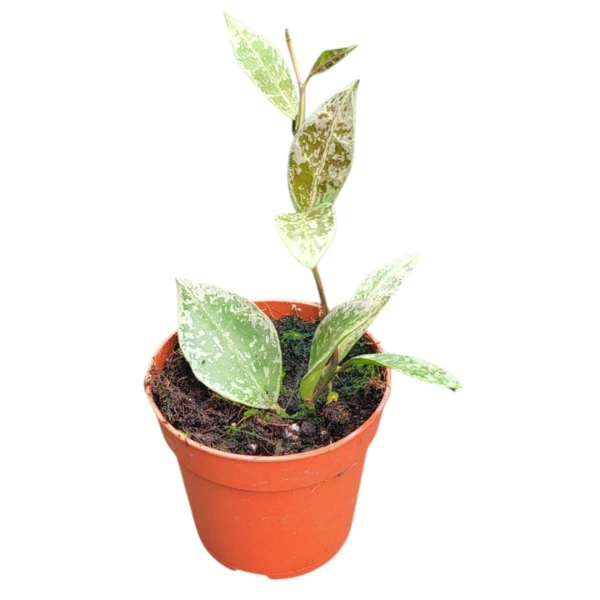
Hoya lacunosa 'Snow Leopard' Ø6cm
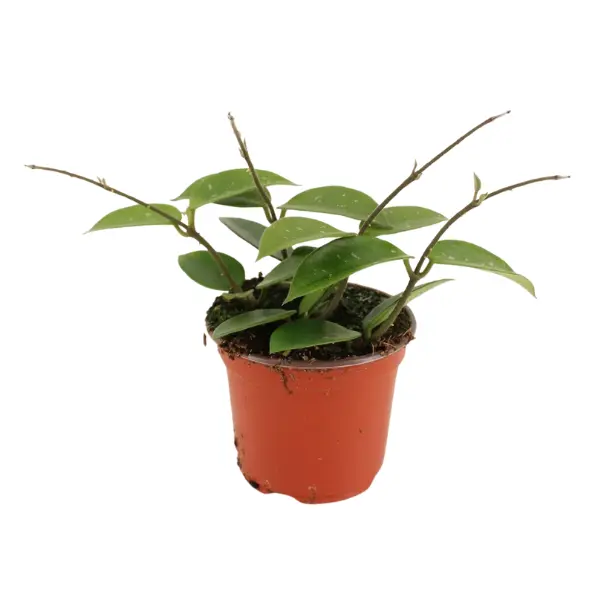
![Hoya lacunosa 'Snow Leopard' — Fragrant Wax Plant with Wild Silver Foliage [0]](https://gomagcdn.ro/domains2/eufloria.ro/files/product/medium/hoya-lacunosa-snow-leopard-d6-543255.webp "Hoya lacunosa 'Snow Leopard' — Fragrant Wax Plant with Wild Silver Foliage [0]")
![Hoya lacunosa 'Snow Leopard' — Fragrant Wax Plant with Wild Silver Foliage [1]](https://gomagcdn.ro/domains2/eufloria.ro/files/product/medium/hoya-lacunosa-snow-leopard-d6-051979.webp "Hoya lacunosa 'Snow Leopard' — Fragrant Wax Plant with Wild Silver Foliage [1]")
![Hoya lacunosa 'Snow Leopard' — Fragrant Wax Plant with Wild Silver Foliage [1]](https://gomagcdn.ro/domains2/eufloria.ro/files/product/original/hoya-lacunosa-snow-leopard-d6-543255.webp "Hoya lacunosa 'Snow Leopard' — Fragrant Wax Plant with Wild Silver Foliage [1]")
![Hoya lacunosa 'Snow Leopard' — Fragrant Wax Plant with Wild Silver Foliage [2]](https://gomagcdn.ro/domains2/eufloria.ro/files/product/original/hoya-lacunosa-snow-leopard-d6-051979.webp "Hoya lacunosa 'Snow Leopard' — Fragrant Wax Plant with Wild Silver Foliage [2]")
Approx height (including pot): 8 cm
Flowering state: No flowers
Pot diameter: 6 cm
- Description
- Characteristics
- Reviews (0)
- FAQ
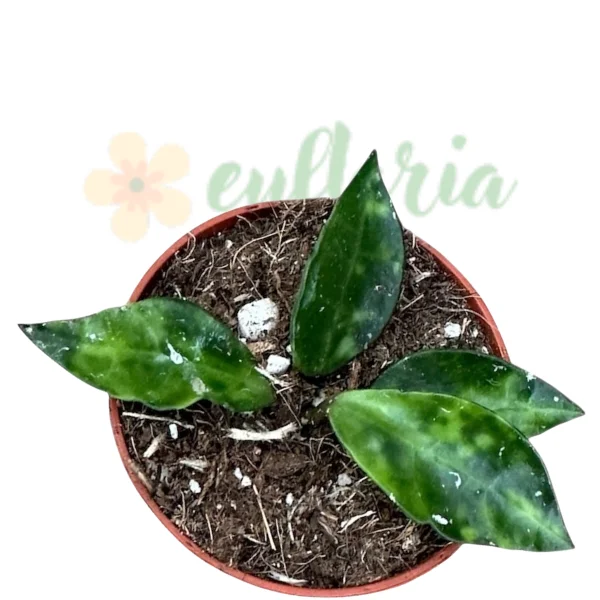
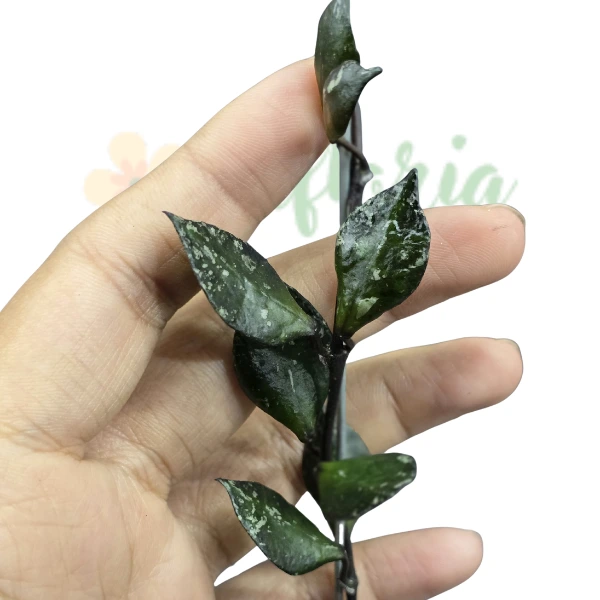
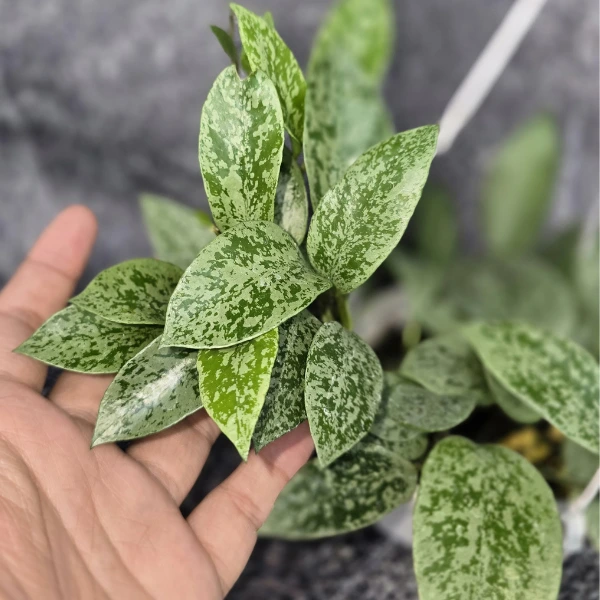
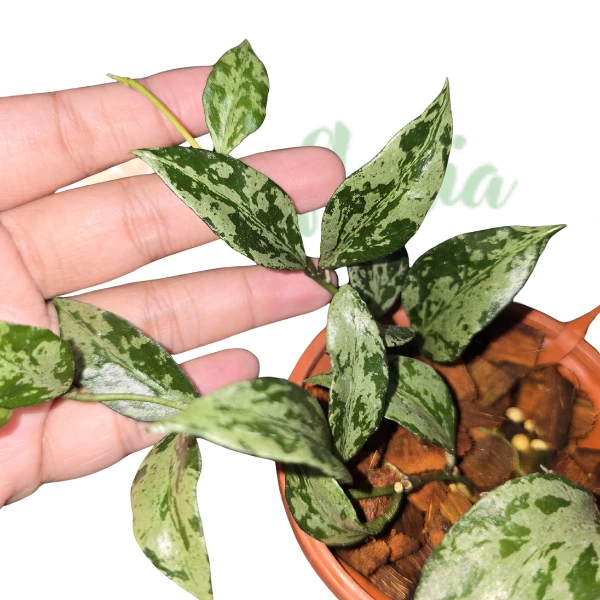
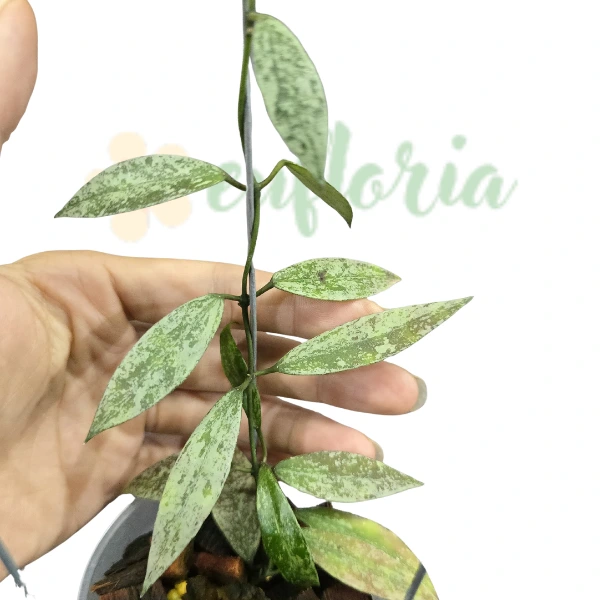
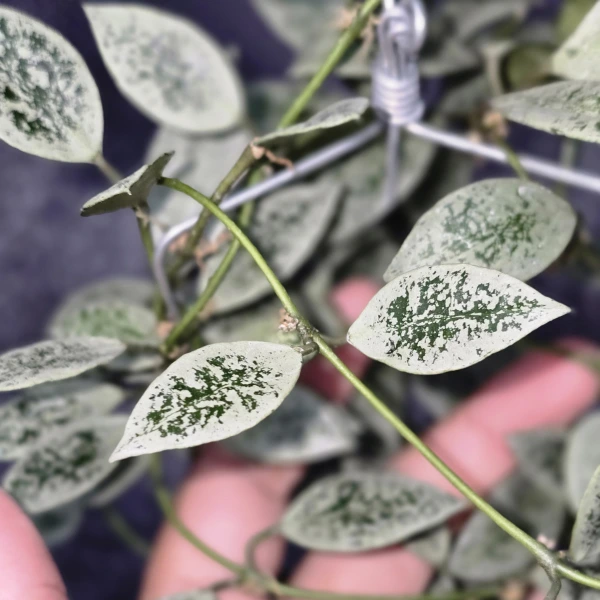
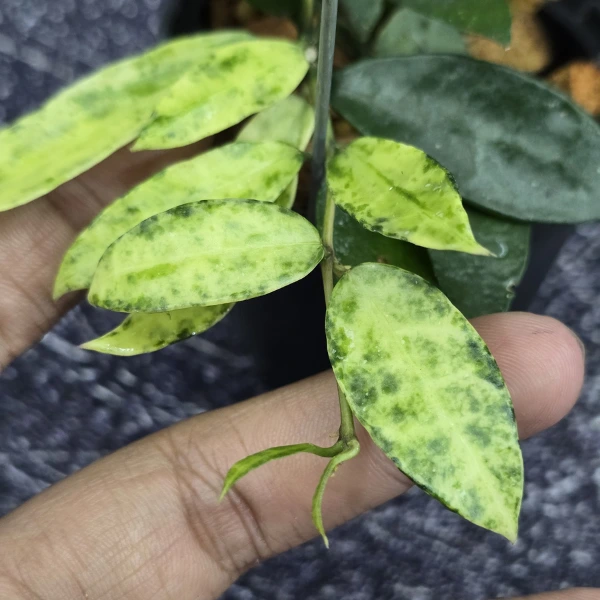
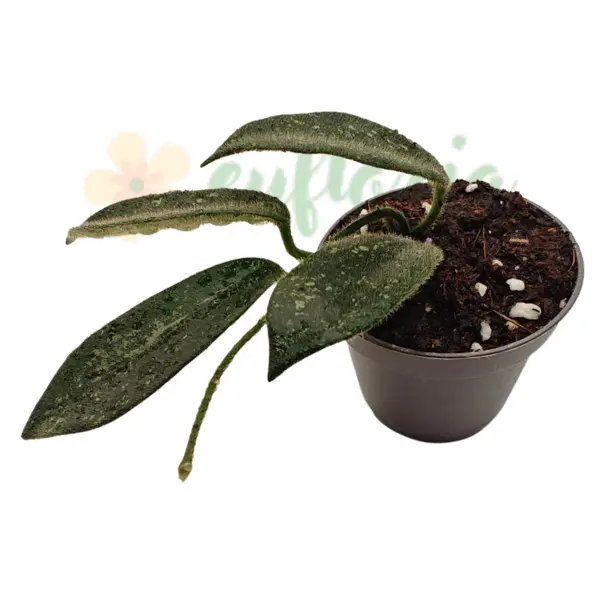
Hoya lacunosa 'Snow Leopard' is a rare and visually captivating cultivar named for its silvery leaves that mimic the spotted coat of its wild feline namesake. Where the standard Hoya lacunosa already wins hearts with its intensely fragrant flowers and compact habit, the Snow Leopard form adds a dimension of metallic shimmer that transforms an already beloved species into something genuinely striking. Each small, oval leaf emerges dusted with silver speckles scattered across a deep green canvas — no two leaves marked quite the same way, creating an effect that collectors describe as "wild" and "exotic." And then the flowers arrive: clusters of fuzzy, cream-white stars releasing that famous cinnamon-sweet fragrance that fills entire rooms after dusk. This is a Hoya that appeals to multiple senses at once.
Species
The species Hoya lacunosa was first described by Carl Ludwig Blume in 1826, published in Bijdragen tot de Flora van Nederlandsch Indië. It is native to a wide swath of Southeast Asia — Thailand, Malaysia, Singapore, Indonesia (including Java, Sumatra, and Borneo), and the Philippines — where it grows as an epiphyte in humid tropical forests. The species name comes from the Latin lacunosus, meaning "furrowed" or "having hollows," referring to the distinctive surface texture of the leaves: slightly sunken or cupped between the veins, giving them a subtly quilted appearance. This characteristic texture earned the species one of its early common names, "Furrowed Hoya," when it was first illustrated in Curtis's Botanical Magazine in 1855. In its native habitat, Hoya lacunosa often grows in close symbiosis with ants, which build nests among its roots and stems — a fascinating ecological relationship that speaks to the plant's adaptability. The 'Snow Leopard' cultivar is a selected form prized for its pronounced silver splash pattern, which appears more intensely and consistently than in standard forms of the species.
Leaves
The leaves of the Snow Leopard form are small, oval to diamond-shaped, measuring approximately 3-6 cm long and 1.5-2.5 cm wide. They are thick, fleshy, and glossy with the species' characteristic lacunose texture — that distinctive "quilted" appearance where the surface is slightly depressed between the veins. The defining feature of this cultivar is the generous silver speckling scattered across the leaf surface, creating patterns reminiscent of the snow leopard's spotted coat. In good light, this silver marking becomes more pronounced and shimmering; in lower light, it can appear more subtle. New growth may emerge with reddish-brown or burgundy tones before maturing to deep green with silver overlay. The foliage is dense and cascading, with relatively short internodes that create a compact, lush appearance — making this an exceptionally attractive plant even when not in bloom.
Flowers
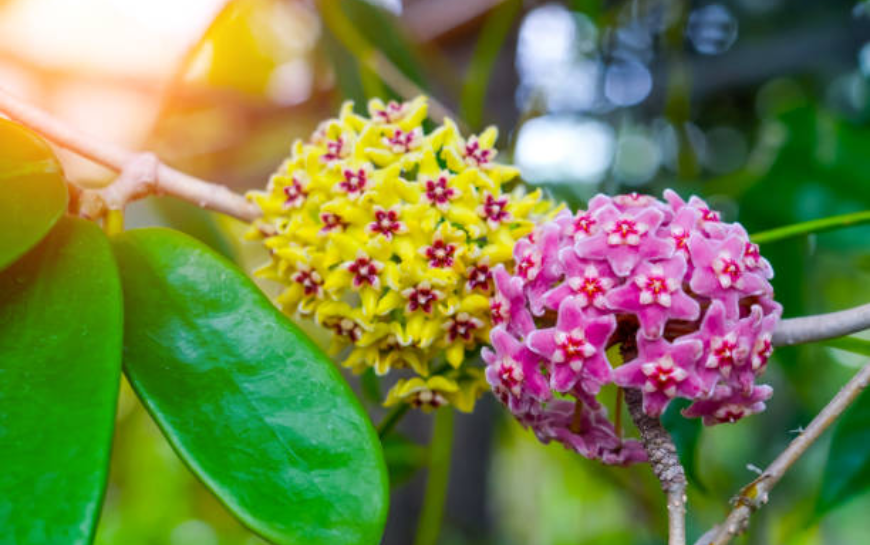
The flowers are one of Hoya lacunosa's greatest attractions, and the Snow Leopard form produces them just as readily as the species type. They are small, fuzzy, star-shaped blooms measuring approximately 6-10 mm across, appearing in rounded umbels of 15-25 flowers. The colour ranges from cream-white to pale yellow, with a characteristic waxy, almost porcelain-like appearance that gives Hoyas their common name of "wax plants." The corona (central structure) is typically cream to pale yellow. But the real magic is the fragrance: Hoya lacunosa produces one of the most intense and beloved scents in the entire genus — a rich, sweet fragrance often described as cinnamon, vanilla, or a blend of both, sometimes compared to freshly baked cinnamon bread or fine perfume. The scent intensifies dramatically after sunset and during the night, filling rooms with its sweetness. Flowers appear from spring through autumn, though well-grown specimens in optimal conditions can bloom year-round. Individual umbels last approximately 5-7 days, and the plant re-blooms from persistent peduncles — never remove the flower stalks after blooming.
Growth Habit
Growth habit is compact and cascading. Stems are slender, trailing, and do not twine aggressively — they cascade downward rather than spiralling upward, making this species particularly well-suited to hanging baskets. Under typical indoor conditions, vines reach 60-90 cm in length, though specimens can extend to 1.5 metres or more with time. Growth rate is moderate to moderately fast once established — notably quicker than many other Hoyas, which contributes to lacunosa's reputation as an excellent beginner's Hoya. Plants grown from cuttings can begin flowering as soon as 3 months after rooting under ideal conditions, making this one of the most reliably free-flowering species in the genus.
Care Requirements
- Light: Bright, indirect light is ideal and essential for maintaining the vibrant silver splash pattern. In adequate light, the silver markings appear shimmering and pronounced; in low light, they can fade and lose contrast. Foliage Factory specifically notes that silver splash cultivars require bright indirect light to maintain their variegation. Tolerates some direct morning sun, which can enhance the silver expression. Avoid harsh midday sun, which may bleach or scorch the leaves. This species is notably shade-tolerant compared to many Hoyas and will survive in lower light — but it will bloom less and the silver marking will be diminished. For best results, position near a bright window with filtered light.
- Water: Allow the top 2-3 cm of substrate to dry between waterings, then water thoroughly. Hoya lacunosa prefers to dry slightly between waterings but is more forgiving than many other species — it tolerates both slight underwatering and occasional overwatering better than most Hoyas. That said, consistently soggy soil will cause root rot. The semi-succulent leaves store water, so the plant handles brief dry periods well. Reduce watering in winter when growth slows. Use room-temperature water; cold water can shock the roots.
- Soil: Fast-draining, aerated substrate is essential. A mix of orchid bark, perlite, and coco coir provides excellent drainage while retaining some moisture. Standard orchid mix works well. The roots need air — in nature, this epiphyte grows on tree bark where roots are exposed to air movement. Avoid dense, peat-heavy soils that stay wet too long. Some growers successfully use LECA (semi-hydroponics) with appropriate nutrient management.
- Temperature: 18-29°C is the ideal range, with optimal growth between 20-25°C. This tropical species does not tolerate cold — avoid temperatures below 15°C. Protect from cold drafts, air conditioning vents, and sudden temperature drops. Consistent warmth encourages steady growth and supports flowering. Can be grown outdoors in USDA zones 10-12 but must be brought inside when temperatures drop.
- Humidity: 50-80% humidity produces the best growth and most prominent silver expression. This species is adaptable and tolerates average household humidity (40-50%) reasonably well, especially if watering is consistent. Higher humidity encourages faster growth, lusher foliage, and more reliable flowering. A humidifier or grouping with other plants can help maintain humidity. Good air circulation is important — stagnant, humid conditions can invite fungal issues. Avoid direct misting of leaves, which can leave water spots and potentially encourage fungal problems.
- Feeding: Apply a balanced liquid fertilizer at half-strength every 4-6 weeks during the growing season (spring through autumn). Alternatively, use orchid fertilizer or a low-nitrogen bloom-boosting fertilizer to encourage flowering. Do not overfeed — excessive fertilizer can cause salt buildup and root damage. Stop fertilizing in winter when the plant is semi-dormant. Fresh potting mix contains adequate nutrients for the first few months after repotting.
Botanical Info
Family: Apocynaceae (subfamily Asclepiadoideae) | Genus: Hoya | Species: Hoya lacunosa Blume (1826) | Cultivar: 'Snow Leopard' (silver-splashed foliage selection) | Synonyms: Hoya suaveolens Miq. (1857), Otostemma lacunosum Blume (1848) | Common Names: Cinnamon Hoya, Furrowed Hoya, Grooved Wax Flower, Lacunose-leaved Hoya | Type: Epiphytic Trailing/Climbing Vine | Native Range: Thailand, Malaysia, Singapore, Indonesia (Java, Sumatra, Borneo), Philippines | Zone: USDA 10-12 (indoor cultivation in temperate climates) | Flowering: Cream-white to pale yellow, fuzzy, star-shaped, 15-25 per umbel, intensely fragrant (cinnamon/vanilla), strongest at night, spring-autumn (year-round possible) | Growth Rate: Moderate to Moderately Fast
📚 Related blog articles
Lungime: 10 cm
Greutate (kg): 0.1 Kg
Denumire: Hoya
Diametru: 6 cm
Cerințe lumină: Partial umbra
Tip plantă: Decorative
Utilizare: Interior
Tip suport: Ghiveci
Material Suport: Plastic
Are Hoya lacunosa 'Snow Leopard' and 'Snow Caps' the same plant?
This is a common question among collectors, and the honest answer is: the distinction is unclear. Both 'Snow Leopard' and 'Snow Caps' are silver-splashed forms of Hoya lacunosa with very similar characteristics — small oval leaves covered in silvery speckles, the same intensely fragrant cinnamon-scented flowers, and identical care requirements. In the rare plant trade, cultivar names are often applied informally, and the same genetic material may be sold under different names by different nurseries. Some sources treat 'Snow Leopard' and 'Snow Caps' as interchangeable names for similar clones; others suggest subtle differences in the intensity or pattern of silver marking. Practically speaking, if you acquire either form, you will have a beautiful silver-splashed lacunosa with the species' legendary fragrance. For collectors who want certainty, the key is to choose a plant whose actual appearance — regardless of name — matches what you're looking for.
What is the difference between Hoya lacunosa 'Snow Leopard' and other lacunosa varieties like 'Snow Caps' or 'Splash'?
Hoya lacunosa has produced numerous cultivated varieties and selected forms, which can be confusing for collectors. The Snow Leopard form is distinguished by its particular pattern of silver speckles scattered across the leaves in a way that recalls the spotted coat of its namesake big cat — the markings are random, variable between leaves, and create a "wild" appearance. 'Snow Caps' (or Snowcaps) is another silver-splashed form with generous silver marking; some sources consider these names interchangeable for similar clones, while others treat them as distinct selections. 'Splash' refers broadly to forms with silver flecking. Other varieties include 'Eskimo' (heart-shaped leaves with silver-green spots), 'Royal Flush' (bronze-toned foliage), and 'Tove' (faster growth, pinkish new growth, lavender-tinged flowers). All share the species' characteristic fragrance, compact habit, and reliable flowering, but vary in leaf shape, colour, and pattern. The Snow Leopard's appeal lies specifically in its exotic, spotted silver pattern.
How strong is the fragrance of Hoya lacunosa 'Snow Leopard' flowers?
The fragrance is exceptionally strong — Hoya lacunosa is widely considered one of the most intensely fragrant species in the entire Hoya genus. When in bloom, a single plant can easily perfume an entire room. The scent is most commonly described as cinnamon, vanilla, or a blend of both, sometimes compared to freshly baked cinnamon bread, fine perfume, or even hyacinth with spicy undertones. The fragrance intensifies dramatically after sunset and remains strongest through the night — this is a natural adaptation to attract nocturnal pollinators in its native habitat. For most people, the scent is delightful and one of the primary reasons to grow this species. However, those with fragrance sensitivities, migraines, or respiratory conditions should consider the intensity before placing the plant in a bedroom or small enclosed space during blooming season.
Why is my Hoya lacunosa 'Snow Leopard' losing its silver markings?
The silver splash pattern on Hoya lacunosa 'Snow Leopard' is most pronounced and shimmering under bright, indirect light. If the silver markings are fading or becoming less visible, the most likely cause is insufficient light. Move the plant to a brighter location — near a window with good filtered light, or supplement with a grow light. Foliage Factory specifically notes that silver splash cultivars require adequate light to maintain their variegation; in low light, the markings fade and lose contrast. Other factors that can affect silver expression include: consistently low humidity (maintaining 50-70% humidity supports healthy leaf development); hard tap water leaving mineral deposits on leaves (use rainwater or filtered water); and stress from inconsistent watering. The silver marking is genetic and will not disappear entirely, but optimal conditions bring out its full beauty.
How do I get my Hoya lacunosa 'Snow Leopard' to bloom?
Hoya lacunosa is one of the most reliably free-flowering species in the genus, and the Snow Leopard form maintains this trait. To encourage blooming: provide bright, indirect light — inadequate light is the most common reason for failure to bloom. Keep the plant slightly root-bound; Hoyas flower more prolifically when their roots are somewhat constrained. Maintain consistent care without major environmental changes — Hoyas dislike being moved frequently. Do not remove old flower stalks (peduncles) as the plant re-blooms from the same spurs repeatedly. During spring and summer, use a balanced or bloom-boosting fertilizer at half-strength. Plants grown from cuttings can begin flowering within 3-6 months of rooting under ideal conditions. Once established and comfortable, Hoya lacunosa blooms reliably from spring through autumn, and sometimes year-round.
Is Hoya lacunosa 'Snow Leopard' toxic to cats and dogs?
No, Hoya lacunosa 'Snow Leopard' is not toxic to cats, dogs, or other household pets. The ASPCA confirms that Hoya plants are non-toxic to cats, dogs, and horses. The Hoya genus does not contain compounds known to be poisonous to animals. As with any plant, eating large amounts of foliage might cause mild stomach upset (nausea, vomiting) simply because pets are not designed to digest plant material — but this is not a toxic reaction. The milky latex sap released when stems are cut can cause minor irritation to mouths or skin but is not dangerous. This makes Hoya lacunosa 'Snow Leopard' an excellent choice for pet-friendly households where safety is a priority.
How to care?
Bloom?
Watering?
Toxic?
Propagation?
What type of plant is Hoya lacunosa Snow Leopard?
What light conditions does Hoya lacunosa Snow Leopard prefer?
How should I water Hoya lacunosa Snow Leopard?
Is Hoya lacunosa Snow Leopard toxic to pets?
How does Hoya lacunosa Snow Leopard bloom?
Recommendations
Ai nevoie și de un ghiveci decorativ?