EN/
EN/ Romana
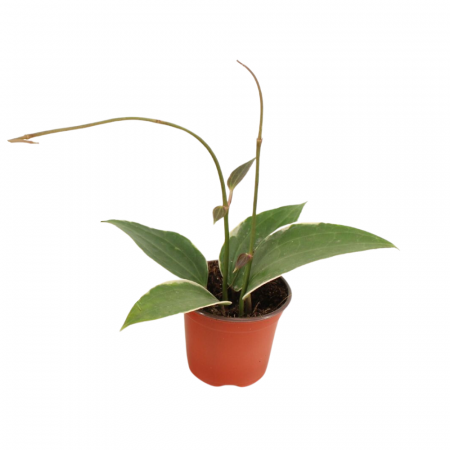
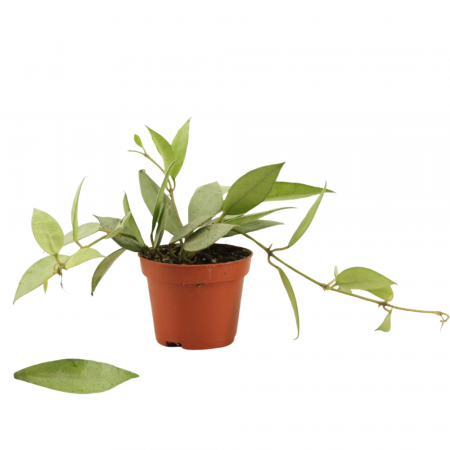
Hoya heuschkeliana 'Variegata' D6cm
![Hoya heuschkeliana 'Variegata' – Variegated Wax Plant [0]](https://gomagcdn.ro/domains2/eufloria.ro/files/product/medium/hoya-heuschkeliana-variegata-d6-294916.png "Hoya heuschkeliana 'Variegata' – Variegated Wax Plant [0]")
![Hoya heuschkeliana 'Variegata' – Variegated Wax Plant [1]](https://gomagcdn.ro/domains2/eufloria.ro/files/product/medium/hoya-heuschkeliana-variegata-d6-412903.png "Hoya heuschkeliana 'Variegata' – Variegated Wax Plant [1]")
![Hoya heuschkeliana 'Variegata' – Variegated Wax Plant [2]](https://gomagcdn.ro/domains2/eufloria.ro/files/product/medium/hoya-heuschkeliana-variegata-d6-729120.png "Hoya heuschkeliana 'Variegata' – Variegated Wax Plant [2]")
![Hoya heuschkeliana 'Variegata' – Variegated Wax Plant [1]](https://gomagcdn.ro/domains2/eufloria.ro/files/product/original/hoya-heuschkeliana-variegata-d6-294916.png "Hoya heuschkeliana 'Variegata' – Variegated Wax Plant [1]")
![Hoya heuschkeliana 'Variegata' – Variegated Wax Plant [2]](https://gomagcdn.ro/domains2/eufloria.ro/files/product/original/hoya-heuschkeliana-variegata-d6-412903.png "Hoya heuschkeliana 'Variegata' – Variegated Wax Plant [2]")
![Hoya heuschkeliana 'Variegata' – Variegated Wax Plant [3]](https://gomagcdn.ro/domains2/eufloria.ro/files/product/original/hoya-heuschkeliana-variegata-d6-729120.png "Hoya heuschkeliana 'Variegata' – Variegated Wax Plant [3]")
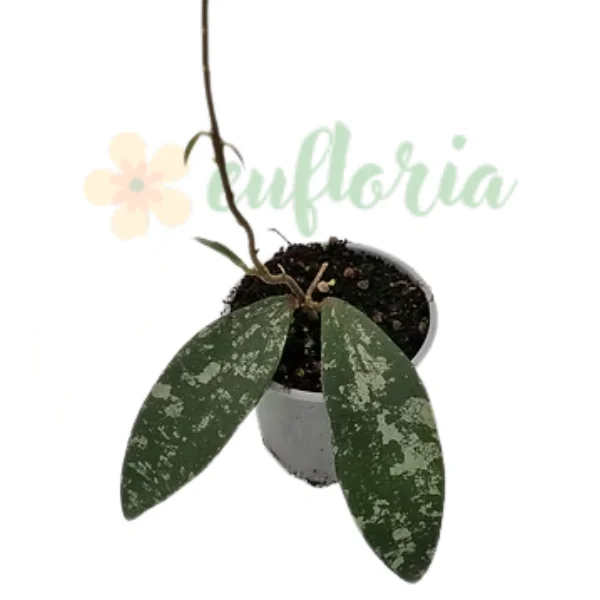
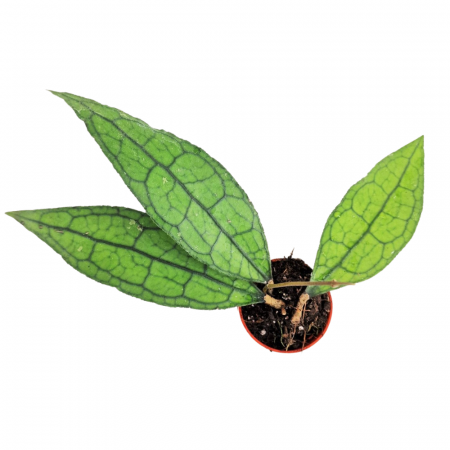
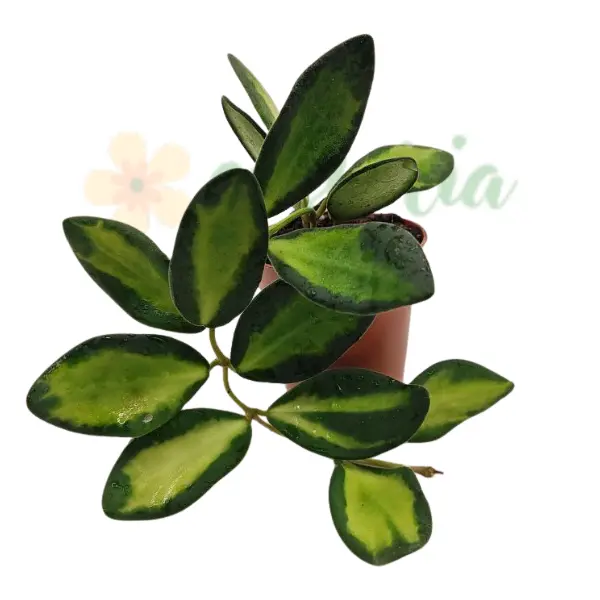
Hoya heuschkeliana 'Variegata' – A compact tropical gem with green and creamy yellow variegated leaves and urn-shaped pink-peach flowers with a sweet honey and butterscotch fragrance. Native to the Philippines, this miniature Hoya blooms abundantly even when young, cascades beautifully from hanging baskets, and is easy to care for. Non-toxic to pets. Perfect for collectors and small spaces.
Approx height (including pot): 10 cm
Flowering state: No flowers
- Description
- Characteristics
- Reviews (0)
- FAQ
🌿 Fragrant Flowers and Marbled Foliage in a Compact Package
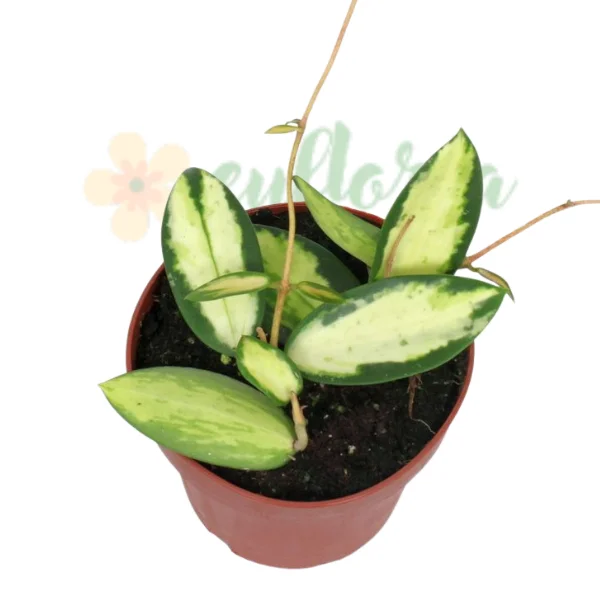
Hoya heuschkeliana 'Variegata', also known as the variegated heuschkeliana wax plant, is a compact tropical gem that combines charming variegated foliage with some of the most fragrant flowers in the entire Hoya genus. Its small, oval leaves display an artistic blend of green and creamy yellow that makes each leaf unique – a living natural mosaic that transforms any space into a refined botanical corner.
But the real magic comes when the plant blooms: clusters of tiny, urn-shaped flowers in delicate shades of pink to peachy yellow release a sweet, honeyed fragrance that fills the room – especially in the evening. Hoya heuschkeliana is renowned among collectors for its abundant flowering and ability to bloom even as a young plant.
🌍 Origins & Botanical History
The species Hoya heuschkeliana is native to the Philippines, where it grows as an epiphyte in humid tropical forests, clinging to tree trunks and branches at low to medium elevations. It was described by the Danish taxonomist Peter Ivanovich Forster. The specific name honours the German plant collector Heuschkel, who contributed to the study of tropical flora. The 'Variegata' form is a horticultural selection prized for its yellow-green marbled foliage, which adds an extra decorative element to an already beloved species.
🍃 Foliage – Miniature Variegated Gems
The leaves of Hoya heuschkeliana 'Variegata' are small and delicate – oval to slightly elongated, approximately 2-4 cm long and 1-2 cm wide. They are fleshy with a waxy texture, displaying variegation in tones of green and creamy yellow, sometimes with pink edges when exposed to brighter light. The foliage is dense and compact with short internodes that create a full, lush appearance. The slender, trailing stems make this species ideal for hanging baskets, where cascades of variegated leaves create a stunning visual effect.
🌸 Flowers – Fragrant Miniature Wax Urns
The flowers are one of this plant's greatest attractions. Hoya heuschkeliana produces clusters (umbels) of tiny, urn-shaped blooms – shaped like small vases or bells, approximately 3-5 mm across. The colour ranges from light pink to peachy yellow, with a waxy, almost translucent appearance. The fragrance is sweet and honeyed, with notes reminiscent of caramel or butterscotch – one of the most beloved scents in the Hoya world. Flowers open primarily in the evening and can last 5-7 days per umbel. The plant re-blooms from the same peduncles – never cut them after flowering.
🌱 Growth Habit & Development
Hoya heuschkeliana 'Variegata' has a compact, trailing growth habit with slender stems that cascade naturally. It is one of the smallest Hoya species, ideal for limited spaces or shelves. Growth rate is moderate, slightly slower than the green form due to variegation reducing photosynthetic capacity. Mature plants can reach lengths of 30-60 cm. It is known for its ability to bloom from a young age, often within the first year after rooting.
Care Requirements:
Light: Bright indirect light is essential for maintaining vibrant variegation and stimulating flowering. Tolerates moderate light, but variegation may become less pronounced. Avoid strong direct sun which can burn the variegated leaves. Morning sun is welcome.
Water: Allow the substrate to partially dry between waterings (top 2-3 cm). The fleshy leaves store water, providing some drought tolerance. Overwatering is the main danger – it leads to root rot. Reduce watering in winter.
Soil: Well-draining, aerated substrate – orchid bark, perlite, and coco coir mix. Roots need air circulation, as in their natural epiphytic environment.
Temperature: 18-28°C, optimum 20-25°C. Does not tolerate cold below 15°C. Protect from cold drafts.
Humidity: 50-70% is ideal, but tolerates normal household humidity (40-50%). Higher humidity encourages growth and flowering.
Feeding: Balanced liquid fertilizer at half-strength monthly during spring and summer. Alternatively, orchid fertilizer. Stop fertilizing in winter.
Botanical Info:
Family: Apocynaceae (subfamily Asclepiadoideae) | Genus: Hoya | Species: Hoya heuschkeliana | Cultivar: 'Variegata' | Common Names: Variegated heuschkeliana wax plant | Type: Epiphytic trailing/climbing vine | Native Range: Philippines | Zone: USDA 11-12 | Flowering: Urn-shaped, pink-peach, fragrant (honey/butterscotch), 5-7 days, spring-autumn | Growth Rate: Moderate
Lungime: 10 cm
Greutate (kg): 0.25 Kg
Denumire: Hoya
Diametru: 6 cm
Cerințe lumină: Partial umbra
Tip plantă: Decorative
Utilizare: Interior
Tip suport: Ghiveci
Material Suport: Plastic
Is Hoya heuschkeliana 'Variegata' toxic to cats and dogs?
No, Hoya heuschkeliana 'Variegata', like all Hoya species, is not classified as toxic to cats, dogs, or other household pets. The ASPCA confirms that Hoya plants are non-toxic. As with any plant, ingesting large quantities may cause mild stomach discomfort, but this is a mechanical reaction, not a toxic one. The milky sap may cause minor skin irritation in sensitive individuals. This makes Hoya heuschkeliana 'Variegata' an excellent choice for pet-friendly households.
How do I get my Hoya heuschkeliana 'Variegata' to bloom?
Hoya heuschkeliana is one of the most generous blooming Hoya species, and the 'Variegata' form retains this trait. To encourage flowering: provide bright indirect light – lack of light is the most common reason for failure to bloom. Keep the plant slightly root-bound – Hoyas flower more abundantly when the pot is small. Don't move the plant frequently and never cut old peduncles (flower stalks), as the plant re-blooms from the same spurs. Use balanced or bloom-boosting fertilizer at half-strength during spring and summer. Plants from cuttings can begin flowering within 6-12 months under ideal conditions.
Why is my Hoya heuschkeliana 'Variegata' losing its variegation?
If variegation is fading, the most likely cause is insufficient light. Hoya heuschkeliana 'Variegata' needs bright indirect light to maintain the contrast between green and creamy yellow. In low light, the plant may produce predominantly green leaves to compensate for reduced photosynthetic capacity. Move the plant to a brighter location – near a window with filtered light. New leaves should emerge with normal variegation. Also, over-fertilizing with nitrogen can favour green growth at the expense of variegation. Variegation is genetic and won't disappear completely, but optimal conditions maximize its expression.
What does Hoya heuschkeliana fragrance smell like?
The fragrance of Hoya heuschkeliana flowers is one of the most beloved in the entire Hoya genus. The scent is sweet and honeyed, with distinct notes of butterscotch and caramel – some collectors compare it to caramel candies or freshly baked pastries. The fragrance intensifies dramatically in the evening and during the night, filling the room with a subtle but noticeable sweetness. The flowers are small, urn-shaped, in shades of pink-peach, and appear in compact clusters. Each umbel lasts 5-7 days, and the plant re-blooms throughout spring and summer.
What is the difference between green Hoya heuschkeliana and 'Variegata'?
Both forms belong to the same species and share the same butterscotch-scented flowers, compact growth habit, and care requirements. The main difference is the foliage: the green form has uniformly green leaves, while 'Variegata' displays leaves marbled with green and creamy yellow, sometimes with pink tones. The variegated form grows slightly slower due to reduced photosynthetic surface area and is more sensitive to strong direct light which can burn the variegated areas. 'Variegata' is rarer and more sought after by collectors, but both forms bloom equally abundantly and produce the same sweet, honeyed fragrance beloved by collectors.
Ai nevoie și de un ghiveci decorativ?