EN/
EN/ Romana
Hoya AH 'Bird of Paradise' Ø7cm
![Hoya AH 'Bird of Paradise' [0]](https://gomagcdn.ro/domains2/eufloria.ro/files/product/medium/hoya-ah-bird-of-paradise-d7-928159.webp "Hoya AH 'Bird of Paradise' [0]")
![Hoya AH 'Bird of Paradise' [1]](https://gomagcdn.ro/domains2/eufloria.ro/files/product/medium/hoya-ah-bird-of-paradise-d7-415044.webp "Hoya AH 'Bird of Paradise' [1]")
![Hoya AH 'Bird of Paradise' [1]](https://gomagcdn.ro/domains2/eufloria.ro/files/product/original/hoya-ah-bird-of-paradise-d7-928159.webp "Hoya AH 'Bird of Paradise' [1]")
![Hoya AH 'Bird of Paradise' [2]](https://gomagcdn.ro/domains2/eufloria.ro/files/product/original/hoya-ah-bird-of-paradise-d7-415044.webp "Hoya AH 'Bird of Paradise' [2]")
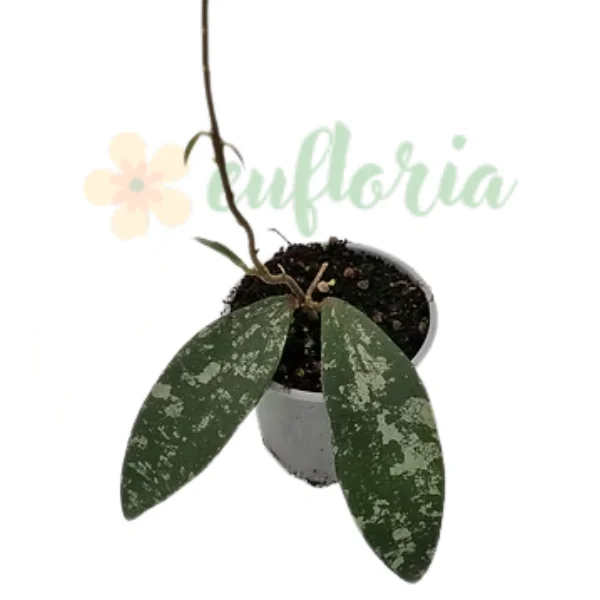
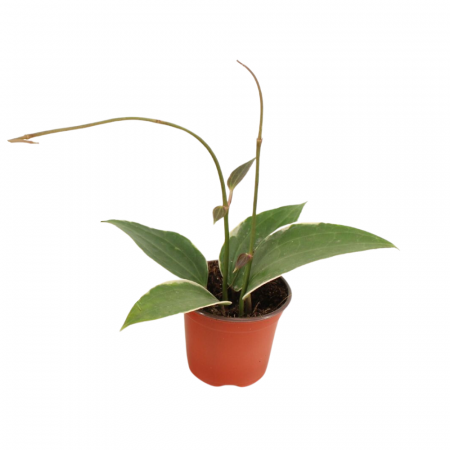
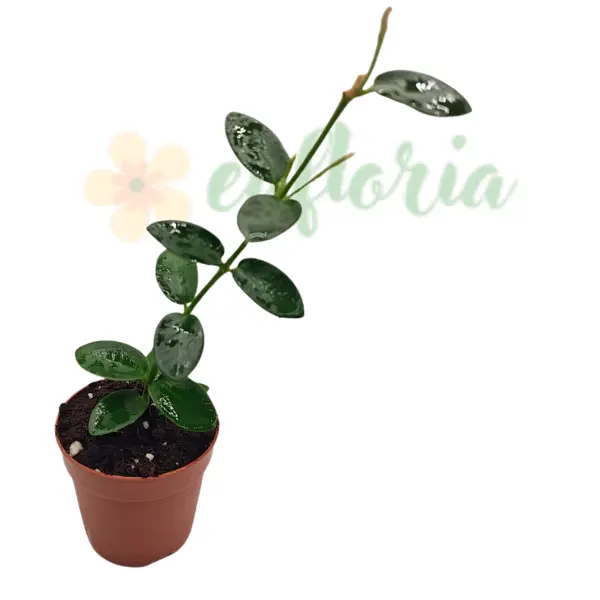
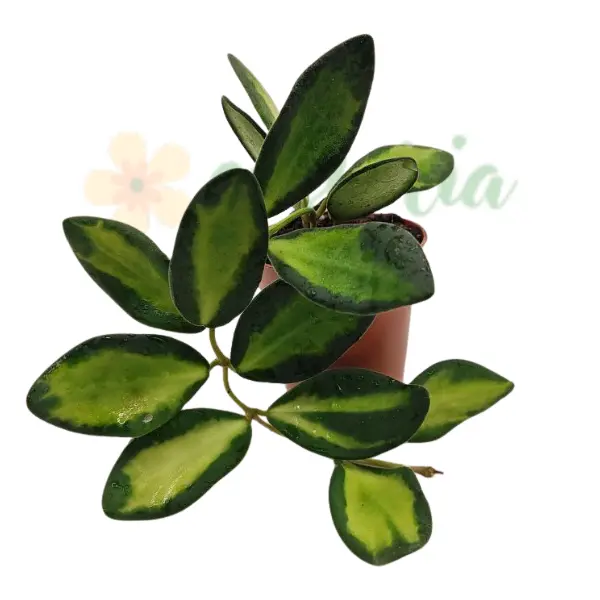
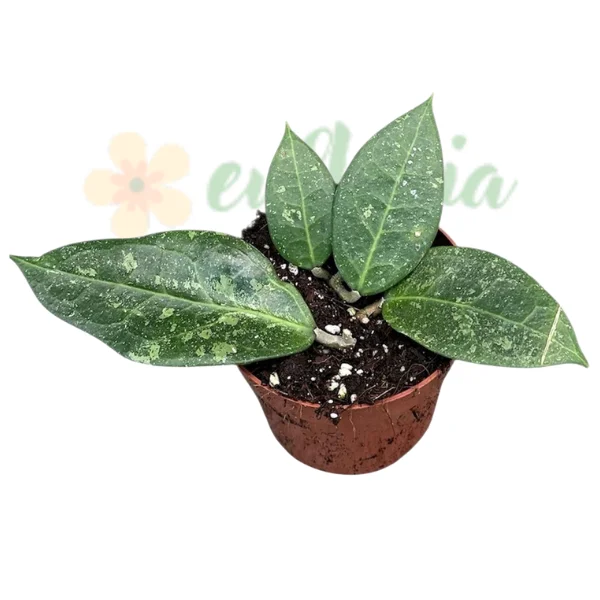
Hoya AH 'Bird of Paradise' – rare hybrid with spectacular multicolored variegation: green, cream, pink, and red. Unique leaves, each with a different pattern. Fragrant star-shaped flowers. Slow growth. Prefers bright indirect light. Non-toxic plant.
Approx height (including pot): 10 cm
Flowering state: No flowers
Country of origin: Indonesia
- Description
- Characteristics
- Reviews (0)
- FAQ
🌿 Hoya AH 'Bird of Paradise' – Spectacular Leaves with Multicolored Variegation
Hoya AH 'Bird of Paradise' is a rare and extremely decorative hybrid from the Hoya genus, prized for its spectacular leaves with multicolored variegation reminiscent of a bird of paradise's plumage. This epiphytic plant from the Apocynaceae family is a true botanical gem, intensely sought after by collectors for its exceptional coloring.
🌍 Origins and Botanical History
Hoya AH 'Bird of Paradise' is a hybrid created by Asian growers, likely from Thailand or Indonesia, where Hoya hybridization programs are highly developed. The "AH" initials typically indicate the grower or breeding program. The hybrid was selected for its exceptional variegation and intense leaf coloring, which combines multiple hues in a remarkably attractive way.
🌿 Leaves – A Palette of Tropical Colors
The leaves are the main feature of this plant and the reason for its popularity. Oval in shape and semi-fleshy in texture, they display spectacular variegation with combinations of green, cream, yellow, pink, and sometimes red or orange hues. Each leaf is unique, with a different color pattern. New leaves may emerge in intense pink or red shades, evolving toward more complex combinations as they mature.
🌸 Flowers – Floral Elegance Typical of the Hoya Genus
The flowers are grouped in round umbels, composed of small waxy star-shaped blooms. The coloring is delicate, in tones of white, cream, or pink. The fragrance is sweet and pleasant, especially in the evening hours. Floral peduncles should be kept intact for repeated blooming.
🌱 Growth Habit and Care
Hoya AH 'Bird of Paradise' is a climbing plant with moderate to slow growth, typical of variegated varieties. It prefers bright indirect light (essential for maintaining variegation), a very well-drained substrate based on bark and perlite, and moderate watering – the substrate should partially dry between waterings. Medium to high humidity (50-70%) and temperatures of 18-28°C (64-82°F) are optimal. As a variegated plant, it grows slower and is more sensitive to overwatering.
Lungime: 10 cm
Greutate (kg): 0.5 Kg
Denumire: Hoya
Diametru: 7 cm
Cerințe lumină: Partial umbra
Tip plantă: Decorative
Utilizare: Interior
Tip suport: Ghiveci
Material Suport: Plastic
Noduri: 1
What is Hoya AH 'Bird of Paradise'?
It’s a rare hoya hybrid recently introduced in Asia, known for its glossy bronze-green leaves and delicate waxy pink-cream flowers.
Does Hoya AH 'Bird of Paradise' have an IML code?
Not yet — it’s not an officially registered cultivar, but widely recognized among collectors as a unique hybrid.
How should I care for Hoya AH 'Bird of Paradise'?
Provide bright indirect light, moderate watering, and high humidity (60–75%). Use an airy substrate like bark and perlite.
Where can I buy Hoya AH 'Bird of Paradise'?
The plant is available in specialized online stores and tropical plant collections, including Eufloria.ro.
What makes this hoya special?
Its unique bronze hue on glossy leaves and warm, pastel wax flowers — a combination rarely found in hoya species.
What does 'AH' mean?
In the name Hoya AH 'Bird of Paradise', the abbreviation AH comes from "Apodagis Hoya" or "Apodagis Hybrid" — an internal brand / collector's code used by a hybridizer in Asia (especially Thailand or Indonesia) who develops hybrids not officially registered in the international catalog IML (International Monroe List).
"AH" = private collection of horticultural hybrids, attributed to an Asian breeder;
It is frequently used in Asia to mark unregistered but stable hybrids (e.g. Hoya AH 'Golden Eye', Hoya AH 'Sunrise Princess', Hoya AH 'Bird of Paradise', etc.);
These varieties are not "botanical species", but recent horticultural hybrids, distributed mainly through collectors and online nurseries.
In other words, "AH" indicates horticultural origin and membership in a series of selected hybrids, not an official scientific code.
How do I care for a Hoya plant?
Hoya plants prefer bright indirect light, moderate watering (allow the soil to dry between waterings) and temperatures between 18-27°C (65-80°F). Provide well-draining substrate and higher humidity for optimal growth.
When does Hoya bloom?
Hoya typically blooms in spring and summer, producing waxy, fragrant flowers. Do not cut the peduncles after flowering, as the plant will bloom again from the same stalks.
How often should I water my Hoya?
Water your Hoya when the top layer of soil (2-3 cm) has dried completely. In summer, this usually means once a week, and in winter every 2-3 weeks. Avoid overwatering.
Is Hoya toxic to pets?
Hoya is generally considered non-toxic to dogs and cats. However, ingestion of any plant may cause mild gastric discomfort, so it is recommended to keep the plant away from pets.
How do I propagate Hoya?
Hoya can be propagated through stem cuttings with 2-3 nodes. Place the cuttings in water or moist substrate and wait 2-6 weeks for rooting. Higher humidity helps the process.