EN/
EN/ Romana
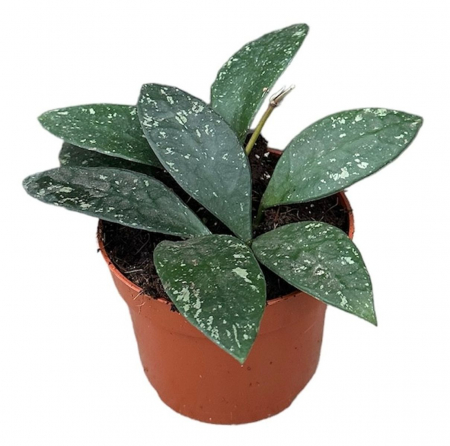
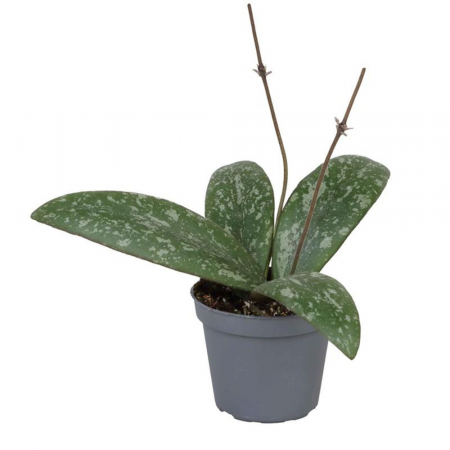
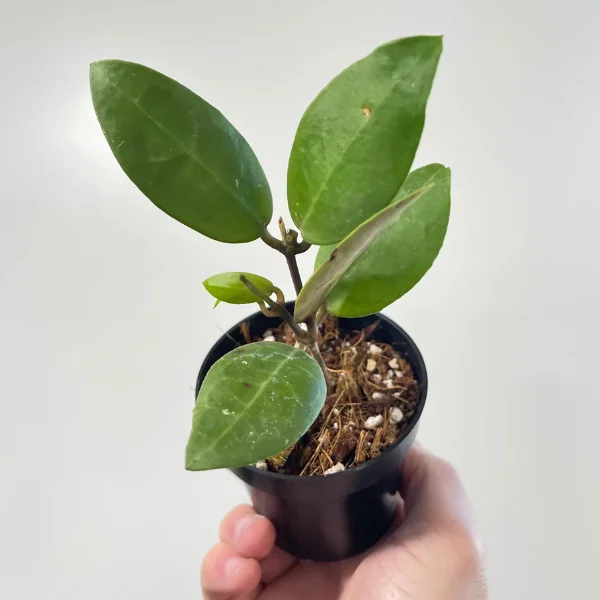
Hoya caudata D10.5
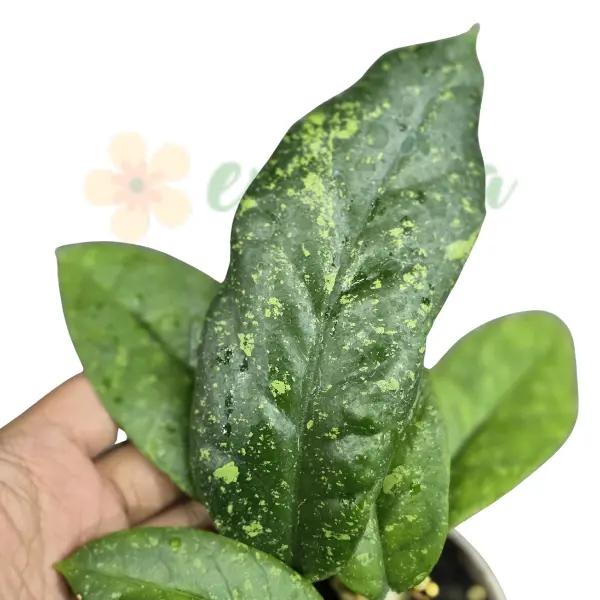
![Hoya caudata [0]](https://gomagcdn.ro/domains2/eufloria.ro/files/product/medium/planta-naturala-de-interior-hoya-caudata-d12-177818.webp "Hoya caudata [0]")
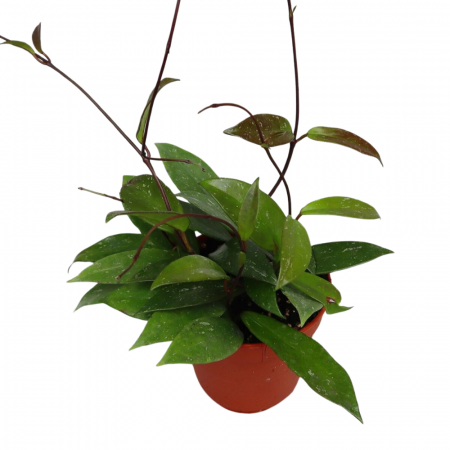
![Hoya caudata [1]](https://gomagcdn.ro/domains2/eufloria.ro/files/product/medium/planta-naturala-de-interior-hoya-caudata-d12-385277.webp "Hoya caudata [1]")
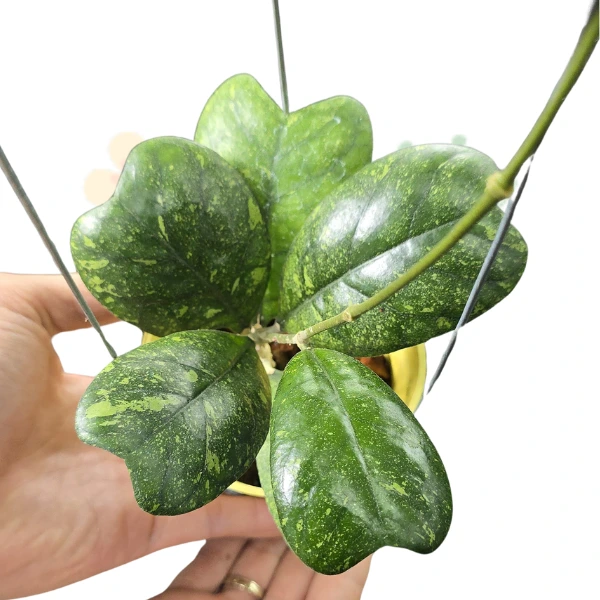
![Hoya caudata [2]](https://gomagcdn.ro/domains2/eufloria.ro/files/product/medium/planta-naturala-de-interior-hoya-caudata-d12-809350.webp "Hoya caudata [2]")
![Hoya caudata [1]](https://gomagcdn.ro/domains2/eufloria.ro/files/product/original/planta-naturala-de-interior-hoya-caudata-d12-177818.webp "Hoya caudata [1]")
![Hoya caudata [2]](https://gomagcdn.ro/domains2/eufloria.ro/files/product/original/planta-naturala-de-interior-hoya-caudata-d12-385277.webp "Hoya caudata [2]")
![Hoya caudata [3]](https://gomagcdn.ro/domains2/eufloria.ro/files/product/original/planta-naturala-de-interior-hoya-caudata-d12-809350.webp "Hoya caudata [3]")
Approx height (including pot): 10 cm
Flowering state: No flowers
- Description
- Characteristics
- Reviews (0)
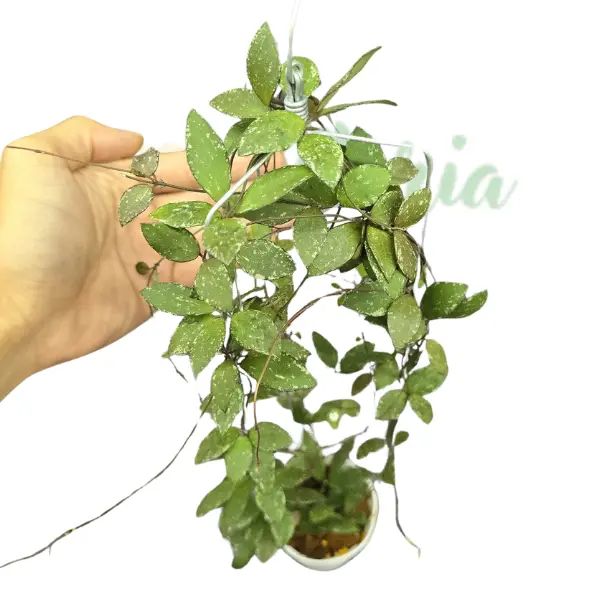
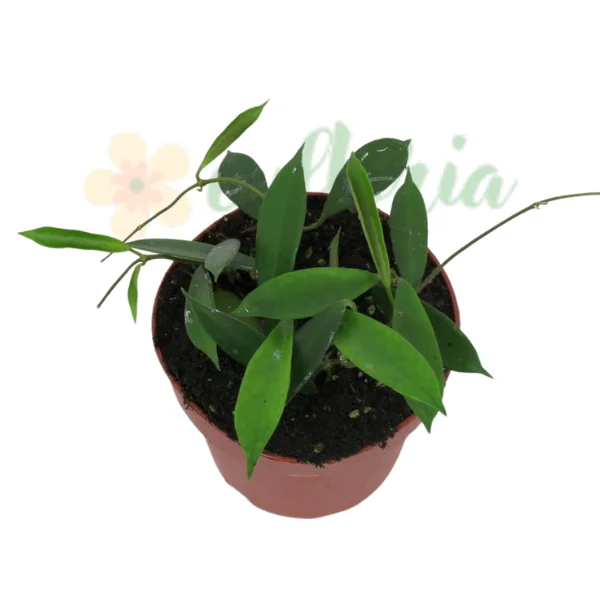
Hoya caudata is a Southeast Asian epiphytic vine that combines some of the most spectacular foliage in the genus with one of its most extraordinary flowers. First described by Joseph Dalton Hooker in 1883, this species is native to southern Thailand, Peninsular Malaysia, Singapore, Sumatra, and Borneo, where it grows as an epiphyte clinging to tree trunks and branches in lowland tropical forests – and occasionally as a lithophyte scrambling over mossy rocks and limestone outcrops in moist, shaded conditions.
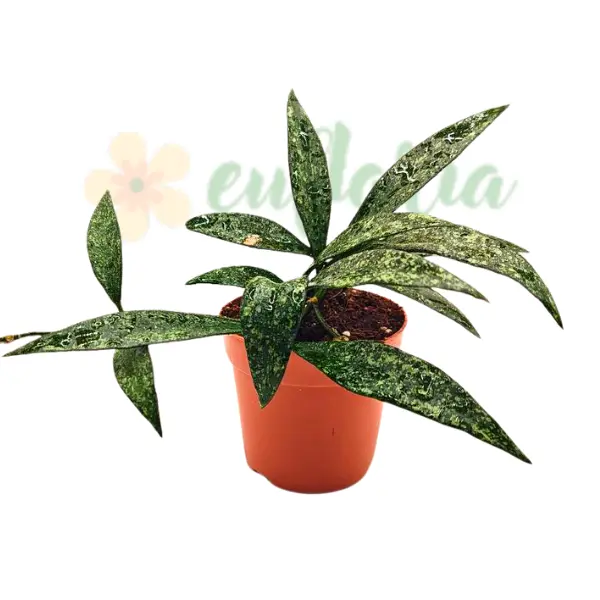
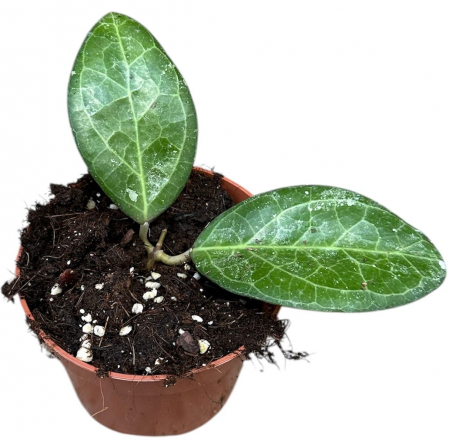
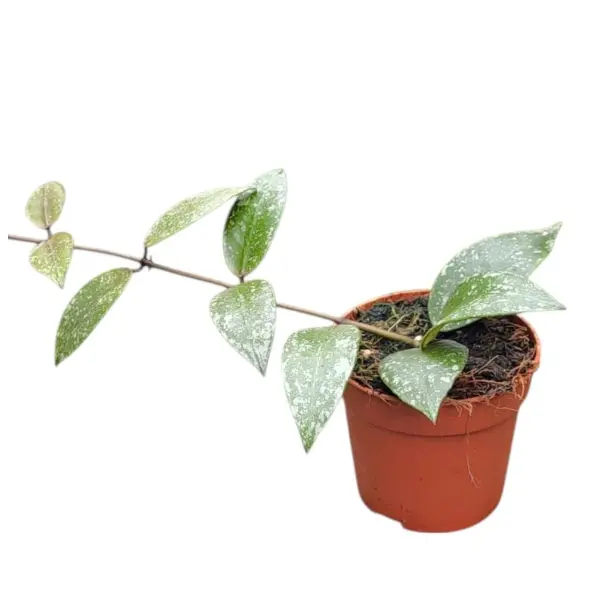
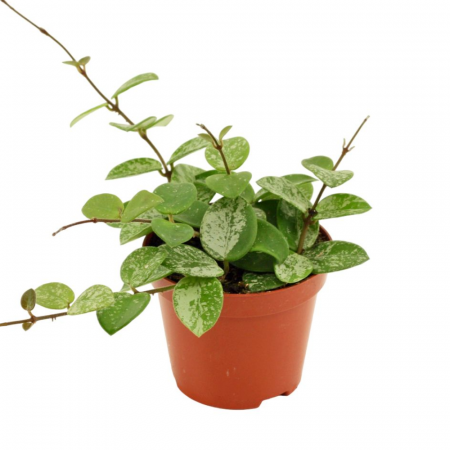
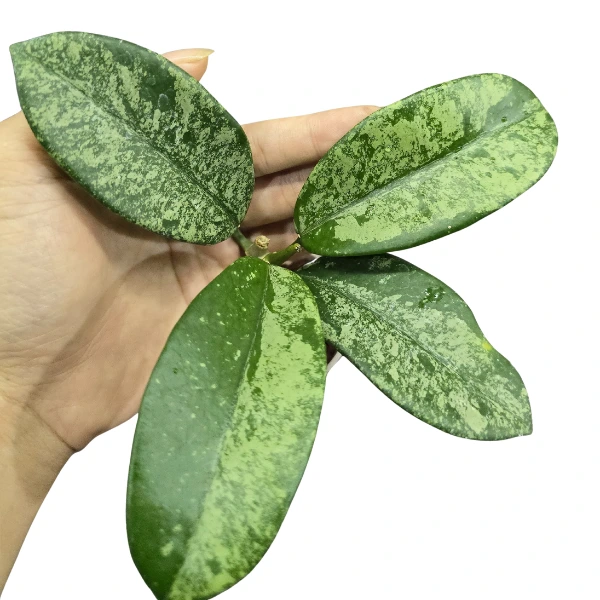
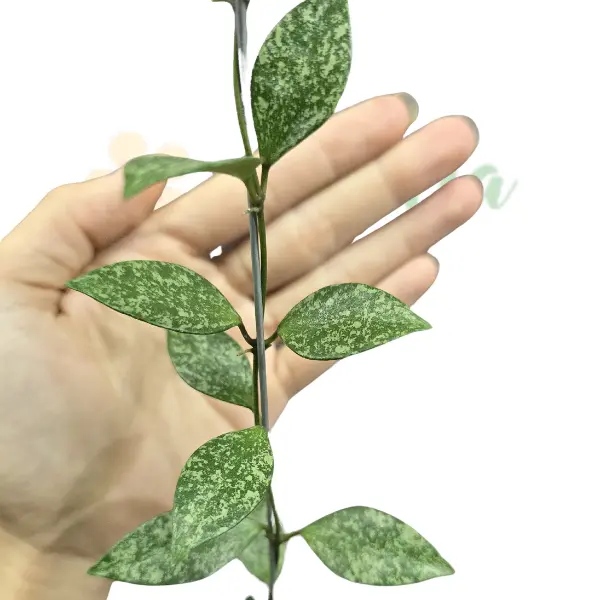
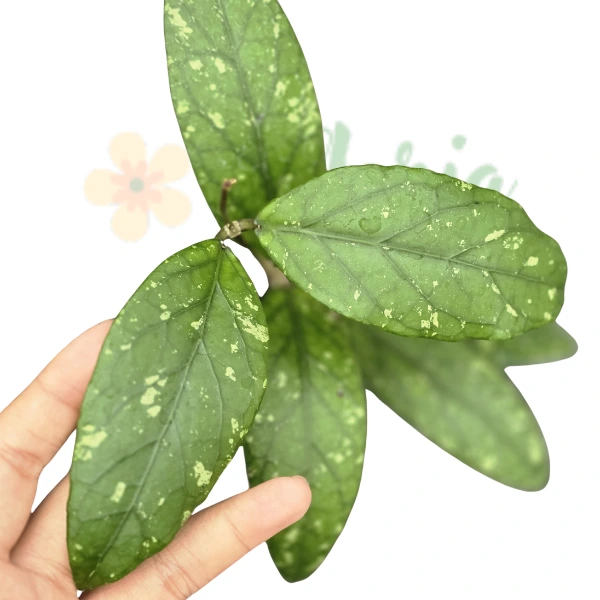
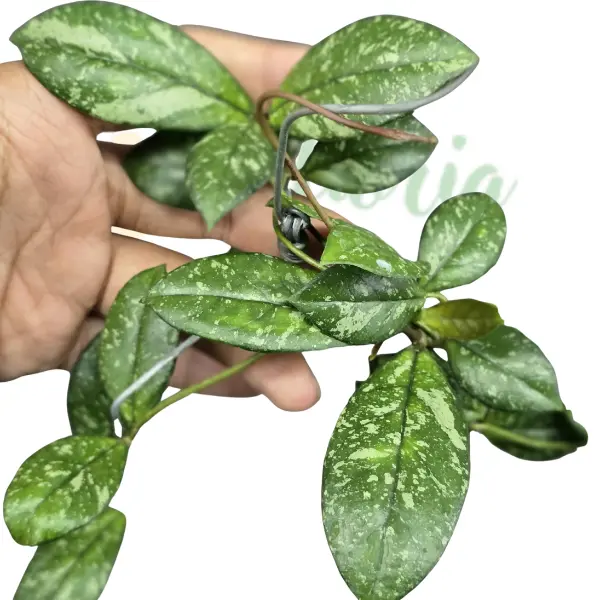
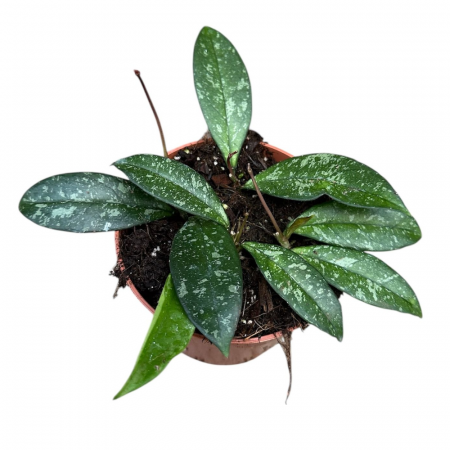
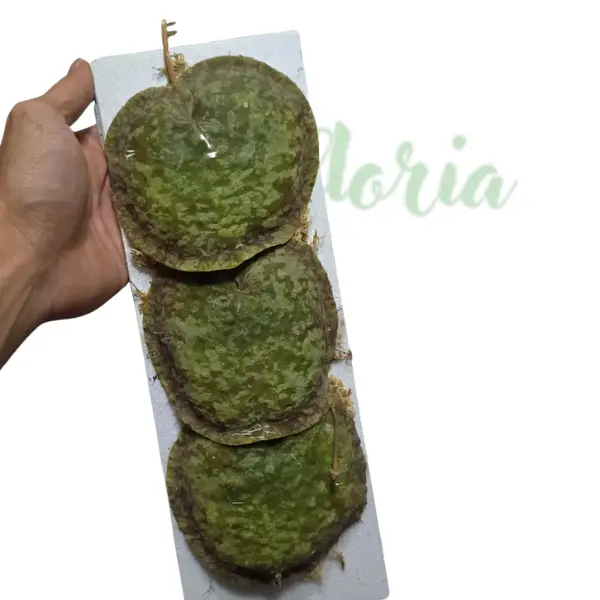
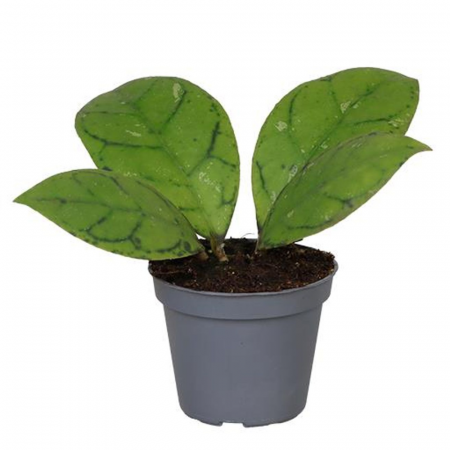
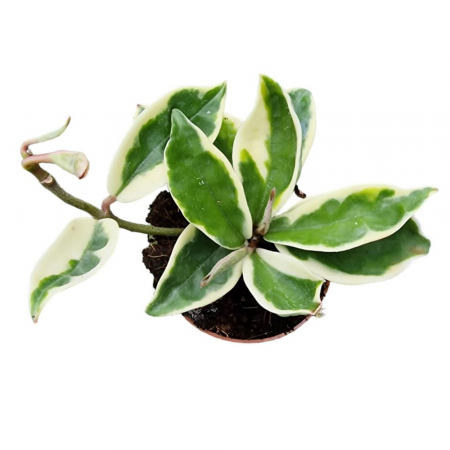
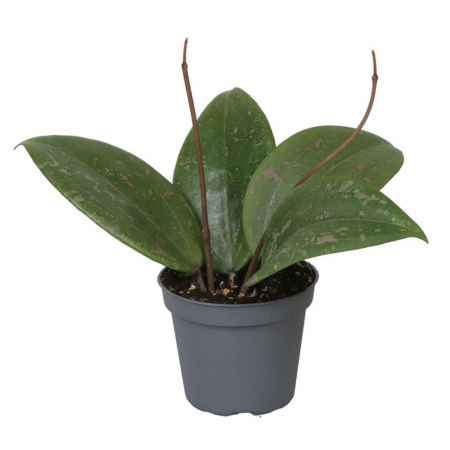
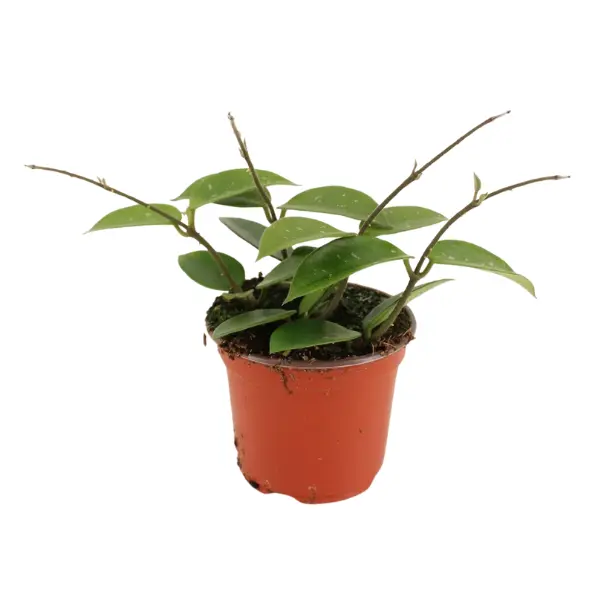
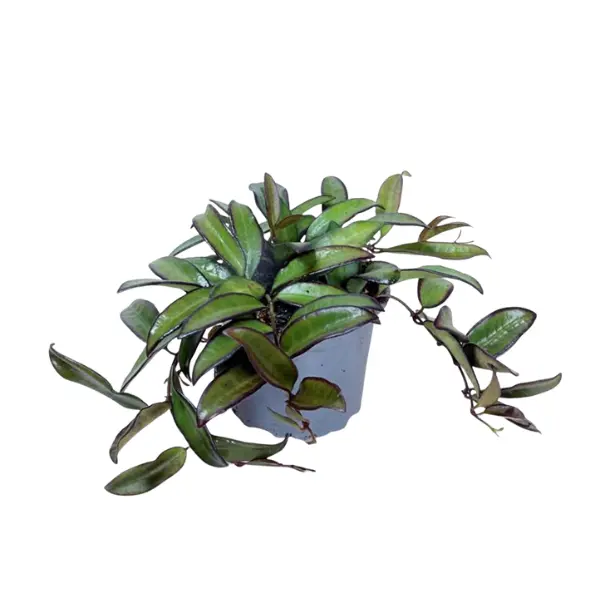
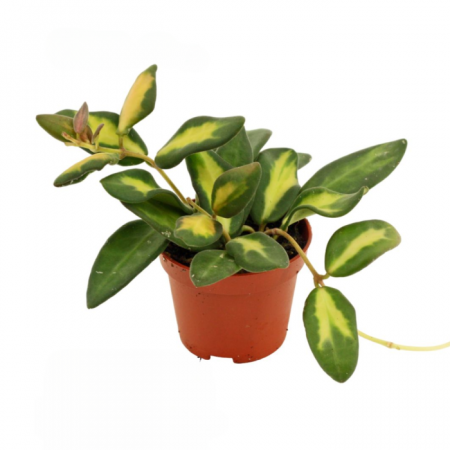
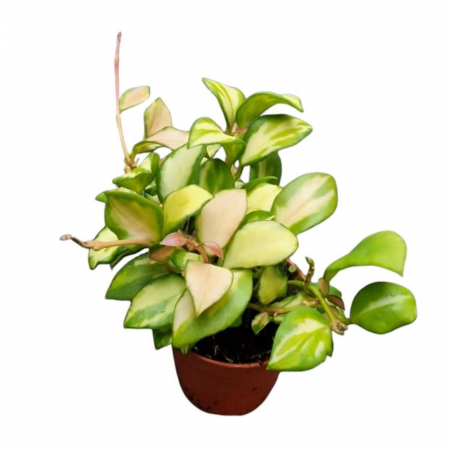
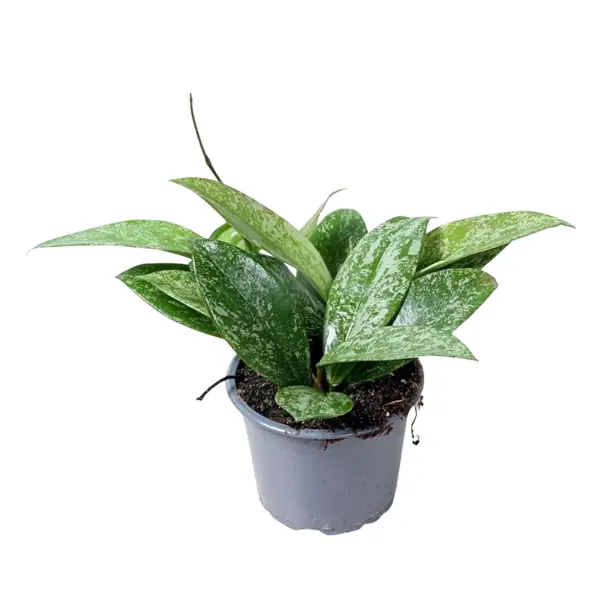
The foliage alone justifies growing this plant. The leaves are large, elliptical to ovate, measuring 9-18 cm long and 4-8 cm wide, ending in a distinctive sharp point. They are thick, leathery, and stiff when mature – yet new growth emerges soft and almost waxy to the touch. The base colour is a rich olive green, but the true character lies in the heavy silver-grey mottling and speckles that cover much of the leaf surface, giving the foliage a shimmering, almost metallic quality. The undersides of the leaves often display a contrasting burgundy-red colouration, which intensifies when the plant is given brighter light. In fact, when grown in strong light, the entire leaf can shift dramatically toward red and purple tones – a natural sun-stress response that many collectors actively encourage for its ornamental value. Many specimens also develop beautifully wavy, undulating leaf margins that add further textural interest. No two leaves are identical in their patterning, making each one a small work of art.
The flowers are what earned this species its name. "Caudata" means "having a tail" in Latin, referring to the remarkable long, thin, tail-like anther appendages that extend above the flower centre. The blooms are star-shaped, white to pale pink, and distinctively pubescent – covered in a fringe of fine hairs along their edges that gives them a delightfully fuzzy, almost otherworldly appearance. Each flower is approximately 2 cm across, with a contrasting pinkish-red to deep rose corona at the centre. Flowers form in clusters (umbels) of 8-15 blooms from persistent peduncles. The fragrance is sweet, honey-like, and strongest in the evening. Individual flowers last 3-5 days, but the same peduncle will produce new clusters repeatedly – never remove it after flowering. Vermont Hoyas describes the flowers as "hairy and really cute" and gives the species a very high recommendation.
Growth is steady but not rapid. Hoya caudata develops thin, wiry stems approximately 3 mm thick that trail or climb with the help of adventitious roots produced along the stem. In its natural habitat, mature plants can become quite large, but indoors, growth is manageable and well-suited to hanging baskets, trellises, or moss poles. The plant can take up to 10 years to reach full maturity outdoors, but indoor specimens flower much sooner with good care – Vermont Hoyas reports blooming within the first year under artificial lighting in a humid grow tent.
Care Requirements:
- Light: Bright, indirect or filtered light. Tolerates brief periods of direct sun (morning or late afternoon), but avoid harsh midday rays that can scorch the leaves. East or west-facing windows are ideal. In stronger light, the foliage develops deeper red-purple sun-stress tones – this is completely natural and desirable. Grow lights work excellently, especially in combination with a humid growing environment. Provide 50-80% shade if growing outdoors.
- Water: Keep the substrate lightly moist during the active growing season – this species prefers slightly more consistent moisture than many other Hoyas. Allow the top 2-3 cm to dry between waterings, but do not let the root zone dry out completely, as Vermont Hoyas notes that letting it dry out too much "will stop the plant in its tracks." Reduce watering in winter when growth slows, but maintain light moisture. A useful technique from Midwestern Jungle growers: check the leaves – soft, bendable leaves indicate a need for water, while firm, rigid leaves are well hydrated.
- Soil: Well-draining, airy mix with good moisture retention. A blend of 1/3 perlite, 1/3 orchid mix, and 1/3 peat or coco coir works well. Add charcoal or fir bark for extra aeration. The substrate should never become waterlogged but should maintain even light moisture. pH range: slightly acidic to neutral (6.1-7.5).
- Temperature: 15-35°C (60-95°F), with an ideal range of 18-27°C (65-80°F). Protect from cold drafts, sudden temperature drops, and frost. This species tolerates slightly cooler conditions than some tropical Hoyas but should not be exposed to temperatures below 12°C (54°F) for prolonged periods.
- Humidity: 60-80% is ideal, reflecting its tropical forest origins. While it can adapt to lower household humidity levels, it truly thrives with higher moisture in the air. A humidity tray, grouping with other plants, a humidifier, or a greenhouse cabinet produces the best results. Vermont Hoyas recommends terrarium culture as well-suited to this species. Good air circulation is essential alongside high humidity to prevent fungal issues.
- Feeding: Monthly with a liquid fertilizer during spring and summer. Use a nitrogen-rich formula for foliage growth, then switch to a phosphorus-rich formula when encouraging blooming. Half strength is sufficient. Stop fertilizing in autumn and winter. Adding worm castings or compost to the substrate provides a slow-release nutrient boost.
Botanical Info: Family: Apocynaceae | Genus: Hoya | Species: Hoya caudata Hook.f. (1883) | Common Names: Tailed Wax Plant, Silver Leaves Hoya, Fuzzy Hoya | Type: Epiphytic/Lithophytic Vine (trailing/climbing) | Origin: Southern Thailand, Peninsular Malaysia, Singapore, Sumatra, Borneo | Zone: 10a-11b (indoor cultivation in temperate climates) | Flowering: Star-shaped, fuzzy, white to pale pink, red corona, caudate anther appendages, 8-15 per umbel, ~2 cm, honey-scented | Growth Rate: Steady, slow to moderate
Lungime: 10 cm
Greutate (kg): 0.25 Kg
Denumire: Hoya
Diametru: 6 cm
Cerințe lumină: Partial umbra
Tip plantă: Decorative
Utilizare: Interior
Tip suport: Ghiveci
Material Suport: Plastic
Recommendations