EN/
EN/ Romana
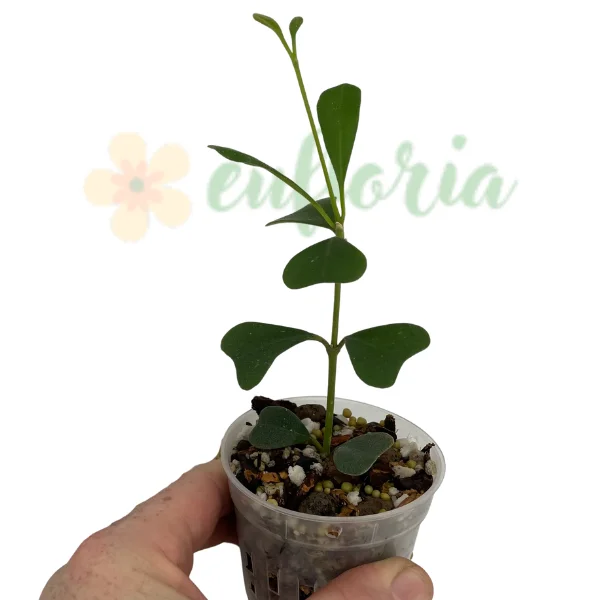
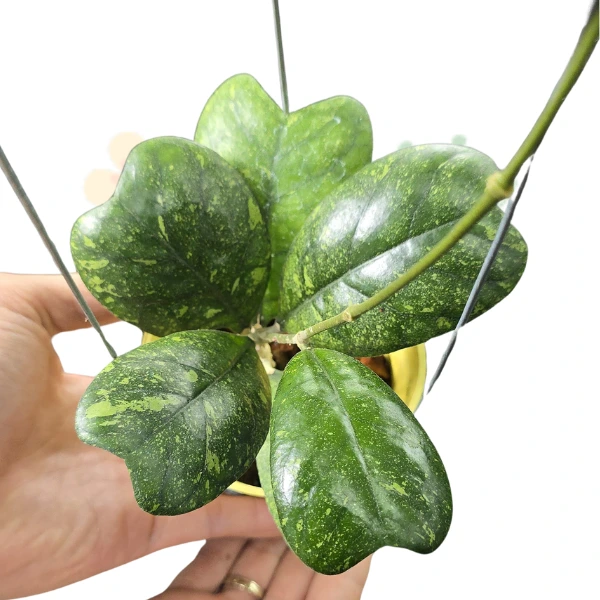
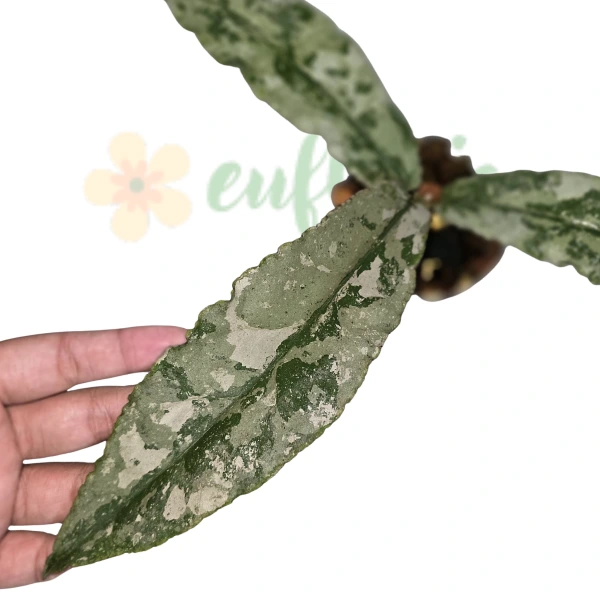
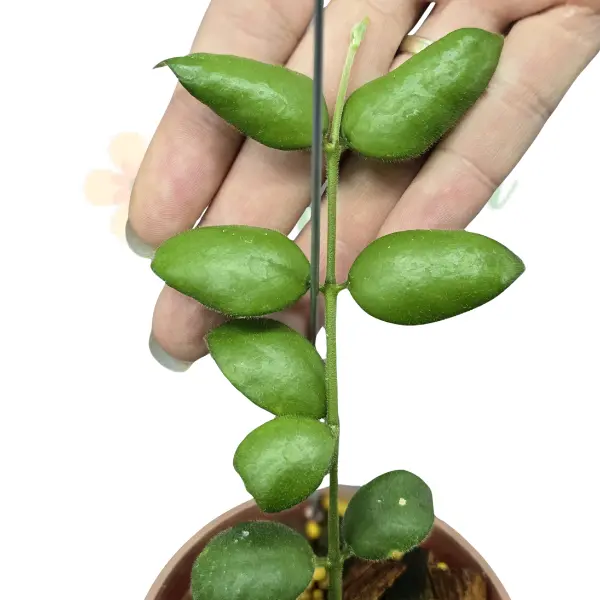
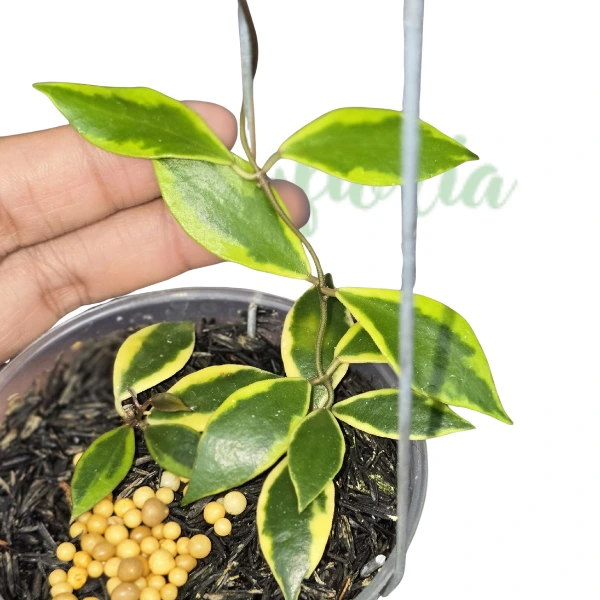
Hoya imbricata 'Splash' - rooted cutting with 3 nodes
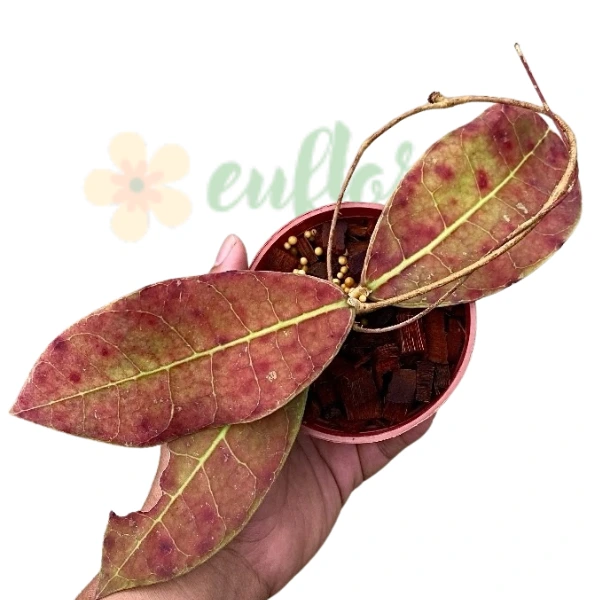
![Hoya imbricata 'Splash' - round flattened leaves with silver variegation [0]](https://gomagcdn.ro/domains2/eufloria.ro/files/product/medium/hoya-multiflora-minion-copie-786179.webp "Hoya imbricata 'Splash' - round flattened leaves with silver variegation [0]")
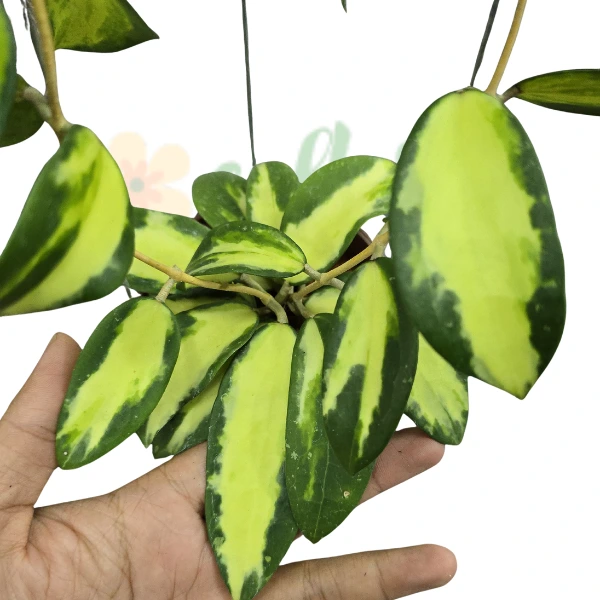
![Hoya imbricata 'Splash' - round flattened leaves with silver variegation [1]](https://gomagcdn.ro/domains2/eufloria.ro/files/product/medium/hoya-imbricata-splash-butas-inradacinat-cu-3-noduri-490863.webp "Hoya imbricata 'Splash' - round flattened leaves with silver variegation [1]")
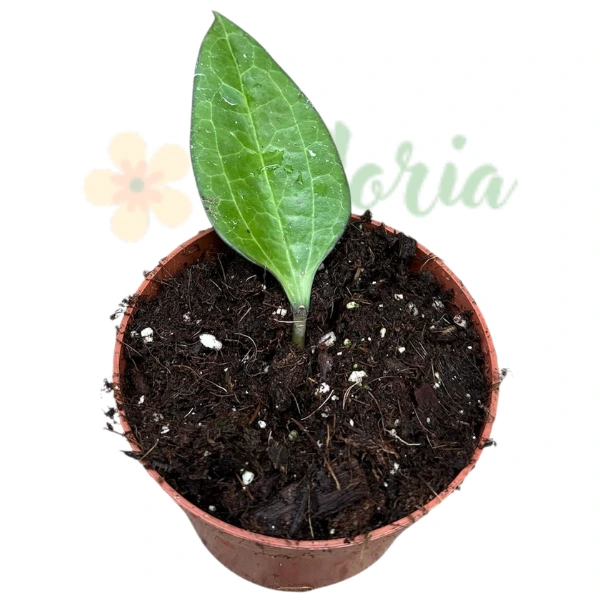
![Hoya imbricata 'Splash' - round flattened leaves with silver variegation [2]](https://gomagcdn.ro/domains2/eufloria.ro/files/product/medium/hoya-imbricata-splash-butas-inradacinat-cu-3-noduri-235196.webp "Hoya imbricata 'Splash' - round flattened leaves with silver variegation [2]")
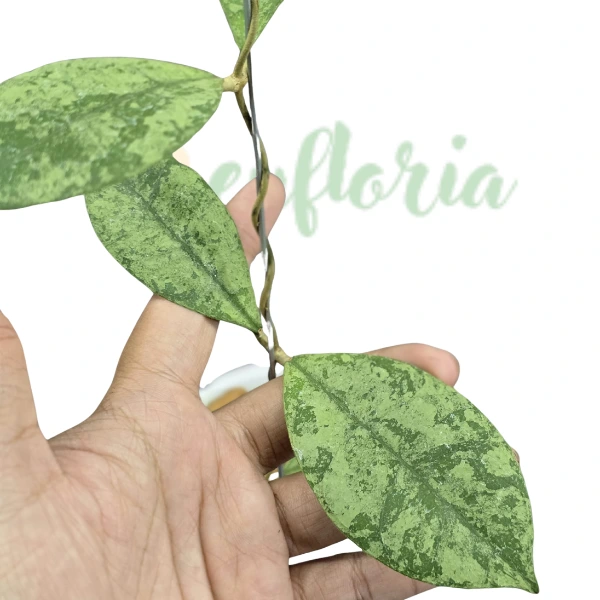
![Hoya imbricata 'Splash' - round flattened leaves with silver variegation [3]](https://gomagcdn.ro/domains2/eufloria.ro/files/product/medium/hoya-imbricata-splash-butas-inradacinat-cu-3-noduri-692170.webp "Hoya imbricata 'Splash' - round flattened leaves with silver variegation [3]")
![Hoya imbricata 'Splash' - round flattened leaves with silver variegation [1]](https://gomagcdn.ro/domains2/eufloria.ro/files/product/original/hoya-multiflora-minion-copie-786179.webp "Hoya imbricata 'Splash' - round flattened leaves with silver variegation [1]")
![Hoya imbricata 'Splash' - round flattened leaves with silver variegation [2]](https://gomagcdn.ro/domains2/eufloria.ro/files/product/original/hoya-imbricata-splash-butas-inradacinat-cu-3-noduri-490863.webp "Hoya imbricata 'Splash' - round flattened leaves with silver variegation [2]")
![Hoya imbricata 'Splash' - round flattened leaves with silver variegation [3]](https://gomagcdn.ro/domains2/eufloria.ro/files/product/original/hoya-imbricata-splash-butas-inradacinat-cu-3-noduri-235196.webp "Hoya imbricata 'Splash' - round flattened leaves with silver variegation [3]")
![Hoya imbricata 'Splash' - round flattened leaves with silver variegation [4]](https://gomagcdn.ro/domains2/eufloria.ro/files/product/original/hoya-imbricata-splash-butas-inradacinat-cu-3-noduri-692170.webp "Hoya imbricata 'Splash' - round flattened leaves with silver variegation [4]")
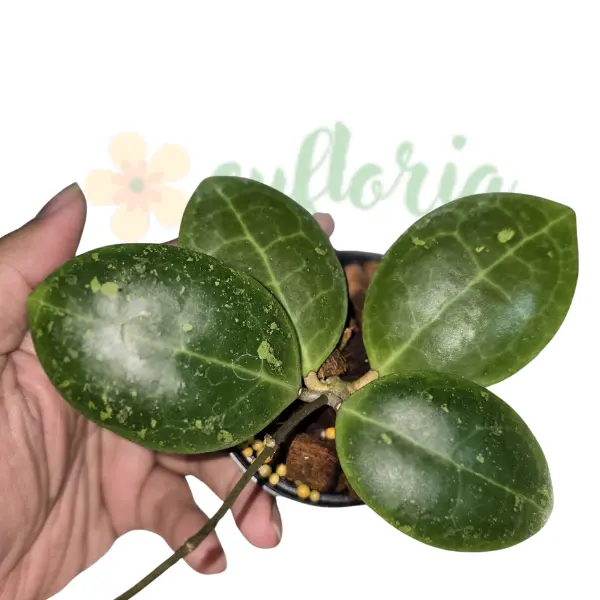
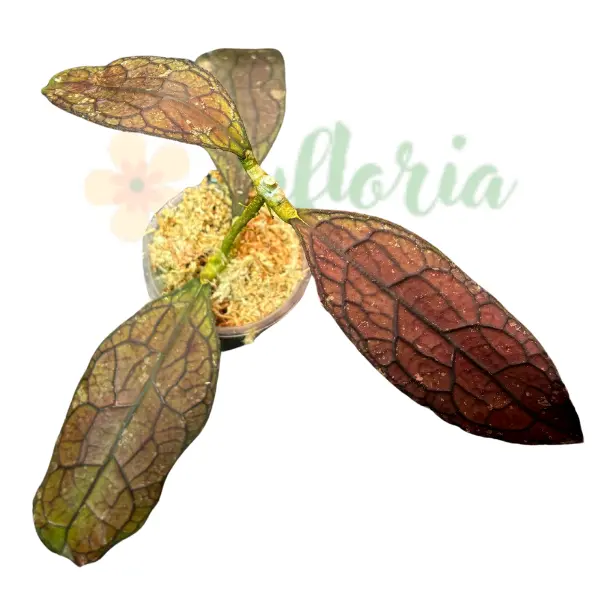
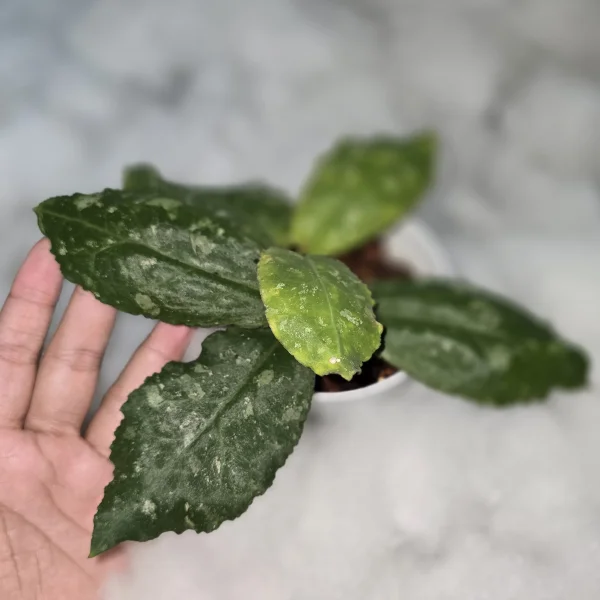
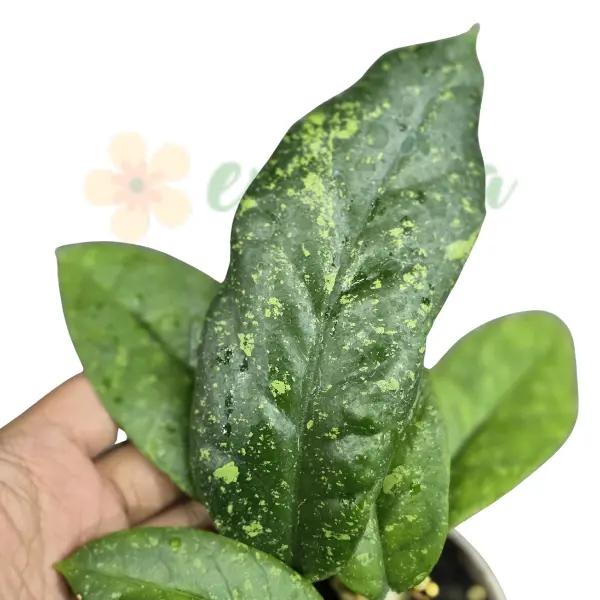
Hoya imbricata 'Splash' – unique species with large, round, flattened shield leaves with silver splashes. Grows pressed against vertical supports. Rooted cutting with 3 nodes. Requires high humidity and bark support. Recommended for advanced collectors. Non-toxic plant.
Flowering state: No flowers
Country of origin: Indonesia
Pot diameter: (no pot)
- Description
- Reviews (0)
- FAQ
🌿 Hoya imbricata 'Splash' — Shield-Leaf Adorned with Silver Splashes
Hoya imbricata 'Splash' is one of the most extraordinary apparitions in the Hoya world, an epiphytic plant that defies the conventions of the plant kingdom in the way it arranges its round, flattened leaves, pressed perfectly against vertical surfaces. Each leaf settles like a porcelain plate against the supporting trunk, creating a succession of living shields that recall the ceremonial armor of ancient kings. The 'Splash' cultivar adds a play of silver light — fine, random splashes scattered across the deep green of the blade, like moonbeams caught in the velvet of the jungle.
This plant is not only rare and spectacular, but profoundly different from its relatives in the Apocynaceae family. Instead of the climbing stems we find in Hoya carnosa or Hoya kerrii, imbricata develops a growth form called shingling — literally, the printing of leaves onto a trunk, one over another, like roof tiles. It is a botanical dance without peer, a choreography of survival in which each leaf gathers moisture, light, and organic debris into its own tiny ecosystem, transforming the host tree's trunk into a vertical plant city within the forest.
Few plants succeed in capturing the imagination of rare-plant collectors the way this Hoya does. It combines unusual architecture with spectacular foliage and a contemplative, almost philosophical growth rhythm. For those who appreciate beauty in detail and who seek species that will enrich their collection with a piece of exception, 'Splash' is a choice they will not regret. The variant offered here is a rooted cutting with three nodes — an extremely valuable collector's piece, prepared to begin its journey in a new space. Three nodes mean potential for three new shoots, three growth points, three promises of leaves that will form in the months to come.
🌍 Origin and Botanical History
Hoya imbricata Decaisne is a species whose history begins in the 19th century, when European naturalist explorers were entering for the first time the humid forests of the Indonesian and Philippine archipelagos. The French botanist Joseph Decaisne, assistant at the National Museum of Natural History in Paris, described the plant in his works on Asian flora, granting it the specific epithet imbricata — a Latin term derived from imbrex (roof tile), which perfectly describes the way the leaves overlap like tiles on a roof.
The species belongs to the Peltostemma section of the Hoya genus, a small but fascinating taxonomic grouping that gathers some of the most eccentric species of the genus. The natural distribution of the species extends from the Philippine islands — especially Luzon and Mindanao — to Borneo, Sulawesi, and parts of the Malay Peninsula. The plant colonizes low-elevation humid forests, between sea level and 600 meters, where it clings to the trunks of aged trees, seeking surfaces with rough bark that offer anchoring and constant moisture.
The climate in which it naturally thrives is marked by permanent high humidity, warm temperatures of 22–30 °C, and light filtered through the dense forest canopy. These conditions evolutionarily shaped its way of life: thick, flattened leaves retain water from dew and frequent rains, and their overlap protects the aerial roots from drying. The 'Splash' cultivar appeared relatively recently in international commercial collections, being a product of careful horticultural selection. Its distinctive feature — the silver variegation — originates from microscopic air spaces between the cellular layers of the epidermis, which reflect light and create that illusion of metallic droplets. It is a stable genetic peculiarity, transmitted through vegetative propagation, which makes every 'Splash' cutting a direct fragment of the original genetic line.
🌱 The Foliage
The leaves of Hoya imbricata 'Splash' are undoubtedly the most remarkable aspect of the plant. Round to slightly oval, with a diameter that can reach 20-25 centimeters at maturity, they have a firm, almost cardboard-like consistency and a considerable thickness that allows them to store water and withstand periods of occasional drought. The upper surface is velvety, with a matte texture that contrasts pleasantly with the shine of other better-known Hoyas, and the silver splashes scattered randomly create the effect of a constellation caught in the plant's dough.
The way the leaves arrange themselves is unique: instead of standing perpendicular to the stem, they press against the support, leaving the stem and aerial roots hidden underneath. This growth pattern is called shingling (literally, shingle-covering) and performs a fascinating ecological function in nature: the space under the leaves often hosts colonies of ants that, in exchange for shelter, protect the plant from herbivores and provide it with nutrients through the decomposition of detritus. Hoya imbricata is, therefore, a myrmecophyte — a plant that intimately coexists with ants in a refined evolutionary partnership.
The green of the blade is deep, with olive tones that shift toward bronze under strong light. The silver variegation is not uniform — some leaves may be almost entirely splashed, others only partially, and still others may remain nearly green. It is unpredictable, and that is precisely what makes it precious: each plant becomes a unique, irreproducible work of art. The main veins, lighter than the rest of the blade, create a fine drawing that doubles the impression of natural embroidery. To the touch, the leaves convey that characteristic sensation of a succulent plant — firm, full, with a slight coolness that suggests the internal water reserve they carry.
🌸 The Flowers
Although Hoyas are appreciated primarily for their foliage, Hoya imbricata produces, under optimal conditions, delicate umbels with small, white or cream-yellow flowers, with a subtle sweet fragrance. The flowers are grouped in compact inflorescences on short peduncles that emerge from between the overlapping leaves, and the petals — finely star-shaped, with five lobes found in all Hoyas — have a waxy texture that keeps them fresh for several days. The central corona bears shades of pink or chestnut, elegantly contrasting with the white of the petals.
In apartment cultivation, imbricata rarely blooms, and this rarity makes each inflorescence a special event — the quiet reward of years of patient care. The flowering period in the northern hemisphere falls in the warm months, between May and September, when the plant receives enough light and warmth to enter the reproductive phase. A useful tip to encourage flowering: do not cut the flower peduncles (called spurs) after the flowers wither — new umbels can emerge from them in subsequent seasons, sometimes even in the same position year after year.
🌱 Growth Habit and Care Requirements
Hoya imbricata 'Splash' is a slow-growing plant that prefers stability over sudden changes. Under ideal conditions, it gradually develops vegetative stems that creep along the support, producing new leaves at each node. The cutting with three nodes you receive is prepared to be fixed on a treated wooden board, a bark panel, or a support covered with moist sphagnum, simulating as faithfully as possible the natural conditions in which the plant evolved.
To make it thrive, it is essential to understand that this is not a plant for the hurried. Its growth rhythm reflects the philosophy of humid jungles — each new leaf takes shape in weeks, not days. The specific care requirements are:
- Light: bright indirect, no strong direct sun; tolerates well east or west-facing windows, and a horticultural LED light can be an excellent supplement during winter months when the day is short
- Temperature: between 18 and 28 °C; avoid exposure below 15 °C, which slows development and may permanently stop growth
- Watering: moderate, only after the support or substrate has almost completely dried; use water at room temperature, preferably filtered, rain, or distilled
- Humidity: high, 60-80%; ideal to keep it in a terrarium or in a space with a humidifier, especially in winter when indoor air dries out
- Substrate: epiphyte mix — sphagnum, pine bark pieces, horticultural charcoal, perlite; airy and well-drained, never compact
- Fertilizing: monthly in spring and summer, with orchid fertilizer diluted to half the concentration recommended on the package
- Propagation: through cuttings with at least one node, placed to root in moist sphagnum or perlite, at 22-25 °C and high humidity inside a mini-propagator
Patience is the key — Hoya imbricata 'Splash' is not a plant for those seeking immediate results, but for collectors who appreciate beauty in detail and the joy of watching, leaf by leaf, the outline of a rare botanical work. In three to four years of attentive care, the three-node cutting can transform into an imposing specimen, with ten or more leaves overlapped on a vertical support, rising like a small work of plant sculpture in your home.
Are there multiple stems/plants in the pot?
This plant is sold as a rooted cutting with 3 nodes, without soil and without pot
What should I do if the plant arrives damaged?
It is very rare for couriers to mishandle parcels, even though we label them as "FRAGILE".
In the unfortunate event that one or more plants, or the package, arrive damaged, please contact us and we will solve the situation together.
We assure you of our full cooperation.
Can I choose the exact plant I order?
You can contact us via WhatsApp or by phone to receive photos of the available specimens before shipping.
Does it have flowers?
Most of the Hoya plants we sell are not in bloom when shipped. However, mature plants can bloom under the right conditions. The flowers are cream-white to yellow, fuzzy, 0.8-1 cm diameter, in umbels of 8-30 flowers.
Check the "Flowering stage" for each product to see whether the plant is:
- Without flowers
- With formed peduncles
- With flowers
Hoya imbricata flowers last approximately 5 days and emit an intense, pleasant fragrance primarily from dusk to early morning.
After the flowers fade, do not cut the peduncles, as they can produce new inflorescences in subsequent blooming cycles.
Blooming period
- Mature plants (several years old) can bloom when conditions are optimal.
- Flowers appear primarily in warmer months.
- Nocturnal fragrance attracts moth pollinators.
- It may take 2-4 years or more for plants to reach flowering maturity.
Flower description
- Flowers are cream-white to yellow, approximately 0.8-1 cm diameter.
- Corolla has 5 triangular lobes with pointed, reflexed tips.
- Inner surface is fuzzy with thick, short hairs; outer surface is glabrous.
- Corona and corolla have glossy, waxy appearance.
- Forms umbels of 8-30 flowers on 10 cm peduncles.
- Umbels dangle downward (positively geotropic).
Fragrance of the flowers
- Intense, pleasant fragrance released primarily from dusk to early morning.
- Nocturnal scent pattern attracts night-pollinating moths.
- Fragrance can sometimes be detected during day in optimal conditions.
- Lasts approximately 5 days per bloom cycle.
Why is Hoya imbricata 'Splash' so special?
Hoya imbricata 'Splash' is special for several reasons:
1. **Unique shingling growth** – completely unlike typical vining Hoyas
2. **One leaf per node** – rare characteristic among Hoya species
3. **Massive leaves** – up to 25 cm diameter, largest in the genus
4. **Architectural sculpture** – creates living art when mounted properly
5. **Silver splash variegation** – beautiful grey-silver markings on leaves
6. **Myrmecophyte** – shelters ant colonies in nature (ant plant)
7. **Cup-shaped leaves** – dome-like structures press flat against surfaces
8. **Symbiotic relationship** – fascinating example of plant-animal co-evolution
9. **Nocturnal fragrance** – intense scent attracts moth pollinators at night
10. **Collector's challenge** – requires specialized care and mounting
What does "shingling" mean?
"Shingling" refers to the unique growth pattern where leaves overlap each other like roof shingles or tiles. In Hoya imbricata:
- Each successive leaf grows overlapping the previous one
- Leaves press flat against a vertical surface
- Creates an imbricate pattern (like roof tiles)
- Only works when plant has a flat surface to climb
- Without support, leaves fold closed instead of shingling
- This growth habit is extremely rare among Hoyas
- The name "imbricata" comes from this shingling pattern
What is a myrmecophyte?
A myrmecophyte is a plant that has a symbiotic (mutually beneficial) relationship with ants. Hoya imbricata is a true myrmecophyte:
- The concave inner surface of leaves creates cavities against tree bark
- These protected spaces shelter ant colonies
- Ants defend the plant from herbivores and threats
- Ants provide CO2 for photosynthesis
- Ant waste may provide nutrients to the plant
- This is called a "domatium" – a plant structure that houses ants
- In cultivation indoors, no ants will colonize the plant
- The leaf structure remains the same without ants
Do I need to provide ants for my plant?
No! When grown indoors, Hoya imbricata does not need ants:
- The plant grows perfectly well without them
- Indoor conditions don't support ant colonies anyway
- The symbiotic relationship is only relevant in natural habitat
- The leaf structure and growth pattern remain the same
- You're growing it for its architectural beauty, not the ants
- The cupped leaves are simply a fascinating evolutionary adaptation
How do I mount it properly?
Proper mounting is essential for Hoya imbricata:
- Use cork bark, wood boards, or tree fern plaques
- The surface must be flat and vertical for proper shingling
- Attach the stem gently with soft ties or fishing line
- Keep the mount in a humid environment (cabinet or terrarium recommended)
- Mist regularly or keep mount consistently moist
- The plant will attach itself with aerial roots
- Be patient – shingling development takes time
- Never grow in regular hanging basket without flat support
Why are my leaves folding closed?
Leaves fold closed when the plant lacks proper mounting:
- Without a flat vertical surface, leaves can't shingle
- They fold in half and look like "little purses"
- This is the plant's response to not having a tree trunk to grip
- Solution: mount the plant on cork bark or wood
- Once mounted, new growth will begin to shingle properly
- Existing folded leaves may not unfold but new growth will be correct
Is it difficult to care for?
Yes, Hoya imbricata 'Splash' is one of the most challenging Hoyas:
- Requires high humidity (60-80%) constantly
- Must be properly mounted for characteristic growth
- Slow growing and requires patience
- Not tolerant of dry air or inconsistent conditions
- Propagation is difficult
- Best suited for experienced collectors
- Often grown in terrariums or plant cabinets
- Rewards dedicated care with spectacular unique growth
- Not recommended for beginners
Can I grow it in a regular pot?
Not recommended for normal growth:
- In a pot without flat support, leaves fold closed
- Won't display the characteristic shingling pattern
- The plant evolved to grow flat against tree trunks
- For the true Hoya imbricata experience, mounting is essential
- Some growers keep young plants potted until large enough to mount
- But the architectural beauty only appears when properly mounted
What humidity level does it need?
Hoya imbricata requires very high humidity:
- Optimal: 60-80% humidity
- Will struggle below 60%
- Often grown in terrariums, plant cabinets, or greenhouses
- Regular home humidity (30-50%) is insufficient
- Use a humidifier near the plant
- Frequent misting helps but isn't enough alone
- Grouping with other humidity-loving plants helps
- This is the #1 challenge with this species
How fast does it grow?
Hoya imbricata is a slow grower:
- Much slower than typical vining Hoyas
- May produce only 2-4 new leaves per year
- Takes 2-4 years or more to develop impressive shingling
- Patience is absolutely essential
- Growth rate depends heavily on humidity and mounting
- Once established and happy, growth becomes more consistent
- This is a long-term project plant, not instant gratification
Will it damage my wall/surface?
The plant attaches with aerial roots:
- Roots can adhere firmly to rough surfaces
- May leave marks on very soft wood
- Generally doesn't damage cork bark or most woods
- Much less aggressive than English ivy
- The attachment is necessary for the plant's growth
- Consider this when choosing mounting surface
- Cork bark is ideal as it can be replaced if needed
What makes the 'Splash' form special?
The 'Splash' cultivar features enhanced variegation:
- Beautiful silver-grey splashes across the leaf surface
- Adds extra visual interest to already dramatic leaves
- Variegation appears as speckles and splashes
- Combined with natural purple/grey mottling
- Each leaf has unique splash patterns
- Variegation is stable and doesn't revert
- More rare and sought-after than non-variegated forms
- Light conditions can enhance the silver tones
Can I propagate it?
Propagation is possible but challenging:
- Take stem cuttings with 2-3 nodes
- Requires constant very high humidity to root
- Best done in sealed containers or propagation boxes
- Rooting can take 2-3 months or longer
- Success rate is lower than most Hoyas
- Use sphagnum moss or well-draining mix
- Keep warm (24-26°C) during rooting
- This species is notoriously difficult to propagate
Is it toxic to pets?
Hoya imbricata is generally considered safe:
- Not listed as toxic by major pet safety organizations
- Like all Hoyas, contains milky sap that may cause mild irritation
- Ingestion of large quantities may cause digestive upset
- Generally much safer than many common houseplants
- The large leaves aren't typically attractive to pets
- As with any plant, discourage chewing
- Monitor pets if they show unusual interest
Why is it called "Ant Plant"?
The common name "Ant Plant" refers to the myrmecophytic nature:
- In the wild, ant colonies live under the cupped leaves
- The plant provides shelter; ants provide protection
- This symbiotic relationship is fascinating
- Multiple plant families have "ant plants"
- Hoya imbricata is one of the most striking examples
- The Filipino name "paui-pauikan" also references this relationship
- It's a living example of co-evolution in tropical ecosystems
Where does it grow naturally?
Native habitat includes:
- Philippines (widespread in humid forests)
- Sulawesi, Indonesia
- Also found in Borneo, Malaysia, and other parts of Southeast Asia
- Grows as an epiphyte on tree trunks
- Found at low to medium altitudes
- Prefers humid tropical rainforests
- Grows in shaded understory areas
- Natural population is declining due to habitat loss
How do I care for a Hoya plant?
Hoya plants prefer bright indirect light, moderate watering (allow the soil to dry between waterings) and temperatures between 18-27°C (65-80°F). Provide well-draining substrate and higher humidity for optimal growth.
When does Hoya bloom?
Hoya typically blooms in spring and summer, producing waxy, fragrant flowers. Do not cut the peduncles after flowering, as the plant will bloom again from the same stalks.
How often should I water my Hoya?
Water your Hoya when the top layer of soil (2-3 cm) has dried completely. In summer, this usually means once a week, and in winter every 2-3 weeks. Avoid overwatering.
Is Hoya toxic to pets?
Hoya is generally considered non-toxic to dogs and cats. However, ingestion of any plant may cause mild gastric discomfort, so it is recommended to keep the plant away from pets.
How do I propagate Hoya?
Hoya can be propagated through stem cuttings with 2-3 nodes. Place the cuttings in water or moist substrate and wait 2-6 weeks for rooting. Higher humidity helps the process.

Ai nevoie și de un ghiveci decorativ?