EN/
EN/ Romana
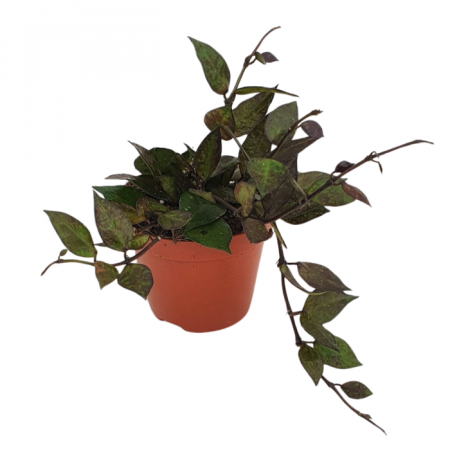
Hoya 'Patricia' Ø6cm
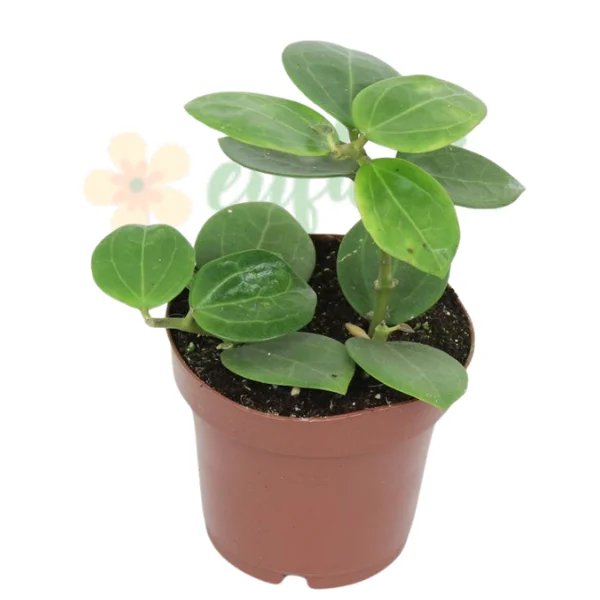
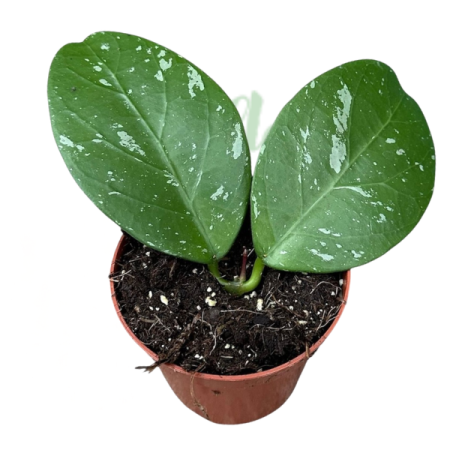
![Hoya Patricia - epiphytic plant with oval deep-green waxy leaves [0]](https://gomagcdn.ro/domains2/eufloria.ro/files/product/medium/hoya-patricia-d6-032404.webp "Hoya Patricia - epiphytic plant with oval deep-green waxy leaves [0]")
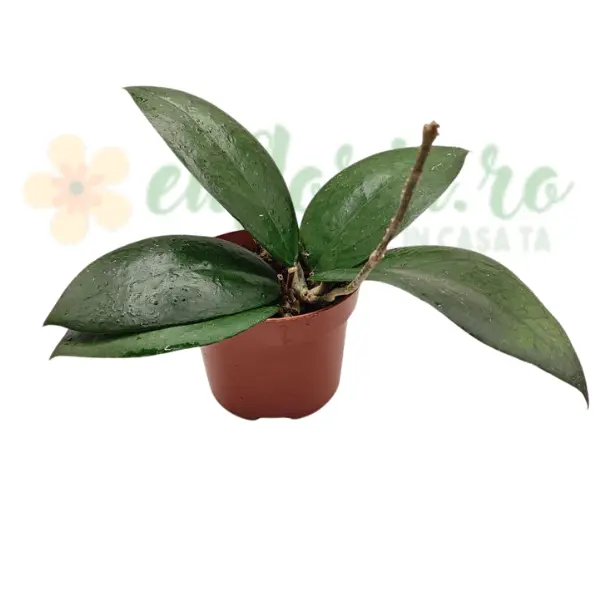
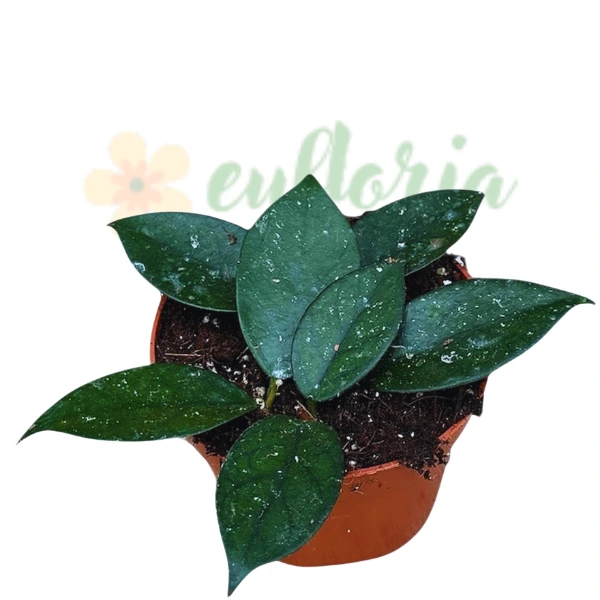
![Hoya Patricia - epiphytic plant with oval deep-green waxy leaves [1]](https://gomagcdn.ro/domains2/eufloria.ro/files/product/medium/hoya-patricia-d6-836000.webp "Hoya Patricia - epiphytic plant with oval deep-green waxy leaves [1]")
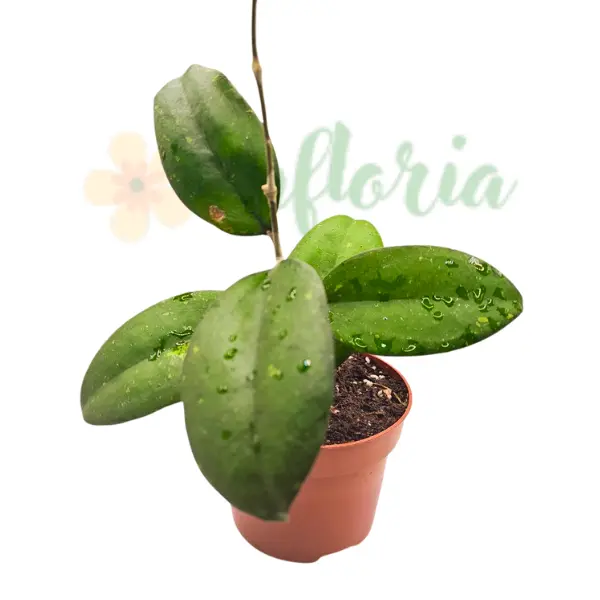
![Hoya Patricia - epiphytic plant with oval deep-green waxy leaves [1]](https://gomagcdn.ro/domains2/eufloria.ro/files/product/original/hoya-patricia-d6-032404.webp "Hoya Patricia - epiphytic plant with oval deep-green waxy leaves [1]")
![Hoya Patricia - epiphytic plant with oval deep-green waxy leaves [2]](https://gomagcdn.ro/domains2/eufloria.ro/files/product/original/hoya-patricia-d6-836000.webp "Hoya Patricia - epiphytic plant with oval deep-green waxy leaves [2]")
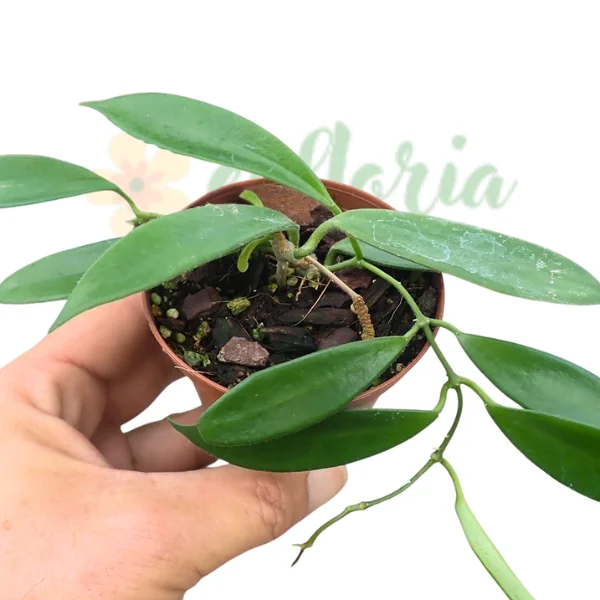
Hoya 'Patricia' is a delicate and rare cultivar from the Apocynaceae family, noted for its oval, medium-sized leaves with an intense green and the waxy texture typical of the Hoya genus. The plant grows epiphytically, with flexible branches ideal for hanging or training on a support. Produces fragrant star-shaped flower umbels under optimal light and maturity conditions. Available in 6 cm pots.
Note: Product images are for guidance only. Due to different batches of imported products, there may be differences between the images on the website and the actual appearance of the products.
Approx height (including pot): 15 cm
Flowering state: No flowers
- Description
- Characteristics
- Reviews (0)
- FAQ
🌿 The Hidden Grace of Tropical Forests
In the vast constellation of the genus Hoya, the cultivar 'Patricia' represents a precious discovery for the discerning collector — a plant that does not shout for attention but earns it through the finesse of its details. With oval leaves of an intense, glossy green, bearing the waxy texture that is the hallmark of the entire genus, Hoya 'Patricia' carries with discretion the primordial elegance of the tropical epiphytes from which it descends.
It is a plant that rewards patience and observation. The first months may seem slow — a new leaf here, a stem extension there — but each centimetre of new growth brings the plant closer to the moment it will produce its first flower umbels: those marvellous constellations of waxy, fragrant flowers that transform any Hoya into an unparalleled botanical spectacle. And when that moment arrives, after months or years of gentle waiting, the reward exceeds all expectations.
Hoya 'Patricia' is ideal for collectors seeking rarities and for those wanting a plant with subtle personality, capable of growing beautifully under standard domestic conditions. The compact 6 cm specimen is perfect for beginning a new relationship with a plant that, given patience and attention, will become a long-lasting green companion.
🌍 Origin and Botanical History
The genus Hoya was established by Robert Brown in 1810, in honour of Thomas Hoy, gardener to the Duke of Northumberland. With over 500 recognised species, Hoya belongs to the family Apocynaceae and ranges from the Indian subcontinent through Southeast Asia and Oceania. Most species are epiphytes, growing on tree trunks and branches in humid tropical forests from sea level to over 2,000 metres elevation.
'Patricia' is a cultivar whose exact genealogy remains partly undocumented — a frequent situation in the Hoya world, where natural hybridisation and nursery selection have produced hundreds of distinct forms. What is certain is the remarkable ornamental quality of its foliage and the floral potential characterising all species in the genus.
🌱 The Foliage
The leaves of Hoya 'Patricia' are oval-elliptical, measuring 6 to 10 centimetres in length and 3 to 5 centimetres in width, with a slightly pointed tip and rounded base. The leaf surface is smooth, glossy, with the waxy, semi-succulent texture typical of the genus — each leaf appears coated with a fine layer of natural wax reflecting light with a satiny sheen.
The dominant colour is an intense, uniform green maintained consistently throughout the year. The central vein is visible but discreet, adding a subtle structural element. Leaves are arranged oppositely on stems in regular pairs giving the plant an orderly, symmetrical appearance.
New leaves appear in a lighter green, sometimes with slight bronzed tones, before maturing to the deep green of adult leaves. The foliar texture is firm, thick, suggesting water-storage capacity — an adaptation to epiphytic conditions where water access is intermittent.
🌸 The Flowers
Flowers are undoubtedly the crowning glory of any Hoya. 'Patricia' produces spherical umbels of small, waxy, star-shaped flowers with a contrasting central crown (corona). The perfume is sweet, nectar-like, intensifying in the evening to attract natural pollinators — moths and small insects.
Flower peduncles (spurs) are permanent — an essential feature for any Hoya owner to remember. Never cut these peduncles after flowers have wilted, as the plant will produce new flowers from the same structures season after season.
🌱 Growth Habit and Care
Hoya 'Patricia' grows as an epiphytic vine with slender, flexible stems extending 1-2 metres under indoor cultivation. The habit is semi-trailing, making it ideal for hanging baskets or training on arches and supports.
Growth rate is slow to moderate, with an active period in spring-summer and natural slowing in winter. Longevity is remarkable — Hoya specimens can live for decades, becoming more beautiful and florally generous as they mature.
- Light: Bright indirect light. A few hours of direct morning sun are beneficial. Insufficient light dramatically reduces flowering chances.
- Temperature: 18–27°C optimal. Not below 10°C. A mild cooling period in winter (15-18°C) stimulates flower bud formation.
- Watering: Allow substrate to dry almost completely between waterings. Hoya prefers drier substrate over too moist. Reduce in winter.
- Humidity: 50–70% ideal, tolerates 40% without major issues.
- Substrate: Very well-draining mix: orchid bark + perlite + coco coir. Never heavy, water-retaining substrate.
- Fertilisation: Diluted liquid fertiliser every 2-3 weeks during growing season. Complete pause in winter.
- Propagation: Stem cuttings with 2-3 nodes in water or moist sphagnum. Roots well in warm (22-25°C), humid conditions.
Lungime: 6 cm
Greutate (kg): 0.15 Kg
Denumire: Hoya
Diametru: 6 cm
Cerințe lumină: Strong, indirect light
Tip plantă: Decorative
Utilizare: Interior
Tip suport: Ghiveci
Material Suport: Plastic
Is Hoya 'Patricia' toxic to cats and dogs?
No. Hoya 'Patricia' is non-toxic to cats, dogs, and other pets. Hoya plants as a genus are listed as pet-safe by the ASPCA. While chewing on any plant can cause mild stomach upset, there is no toxic or poisonous risk from Hoya 'Patricia'. The milky latex sap that appears when stems are cut may cause minor skin irritation in sensitive individuals but is not dangerous if briefly contacted. The strong floral fragrance during blooming is also completely safe for pets and humans.
How difficult is Hoya 'Patricia' compared to Hoya darwinii?
Significantly easier. Hoya darwinii is widely considered one of the most challenging Hoyas to grow long-term – it demands very high humidity, is extremely prone to root rot, and even water droplets on its leaves can cause damage. 'Patricia' inherits its ease of cultivation from its other parent, Hoya elliptica. It tolerates normal indoor humidity, is resilient to foliar sprays (fertilizer, neem oil, or water), roots reliably from cuttings, and blooms readily under standard bright-indirect light conditions. If you've ever wanted darwinii-style flowers without the struggle, 'Patricia' is the answer. It is suitable for intermediate-level Hoya growers and even adventurous beginners.
How do I get my Hoya 'Patricia' to bloom?
Bright, indirect light is the single most important factor for flowering in Hoya 'Patricia'. Place the plant near an east or west-facing window, or supplement with grow lights. Keep the plant slightly root-bound – Hoyas are more inclined to bloom when their roots fill the pot. During late winter, reduce watering for 4-5 weeks to simulate a mild dry rest, which can trigger spring blooming. Feed with a balanced fertilizer during the growing season. Most importantly, never cut the peduncles (flower stalks) after blooming – 'Patricia' rebloom from the same peduncles repeatedly. Once established, this hybrid forms peduncles readily and progresses to open buds without the bud-drop issues common in many other Hoyas.
What is the difference between Hoya 'Patricia' and Hoya elliptica?
Hoya 'Patricia' is a hybrid of H. darwinii × H. elliptica, so it shares some traits with pure elliptica but differs in several key ways. The leaves of 'Patricia' are somewhat similar in shape and venation but slightly smaller and more compact, and they develop red sun-stress coloration in bright light – something elliptica doesn't typically show as strongly. The biggest difference is in the flowers: 'Patricia' produces the dramatic reflexed, hairy-petalled blooms with wine-red coronas characteristic of H. darwinii, whereas H. elliptica has very different, flatter white flowers. Additionally, 'Patricia' is more forgiving – H. elliptica leaves can be damaged by foliar sprays, while 'Patricia' tolerates them without issue.
Why are the leaves on my Hoya 'Patricia' turning red?
Red or reddish tones on Hoya 'Patricia' leaves are actually a desirable feature, not a problem! This is called sun-stress coloring, caused by the production of anthocyanin pigments in response to bright light exposure. Many collectors actively encourage this by placing their 'Patricia' in brighter positions, as the red-flushed leaves create a beautiful contrast with the green venation. If the reddening is accompanied by scorched or crispy patches, the plant is getting too much direct sunlight – move it to a spot with bright but filtered light. In moderate indirect light, the leaves will remain a uniform light green with paler veins.
How to care?
Bright indirect, moderate water, drained substrate. 18-27°C.
Bloom?
Yes, waxy fragrant flowers.
Watering?
Fully dry. Weekly summer, 2-3 wks winter.
Toxic?
No.
Propagation?
Cuttings 2-3 nodes. 2-6 wks.
Recommendations
Ai nevoie și de un ghiveci decorativ?