EN/
EN/ Romana
Hoya dimorpha Ø12cm
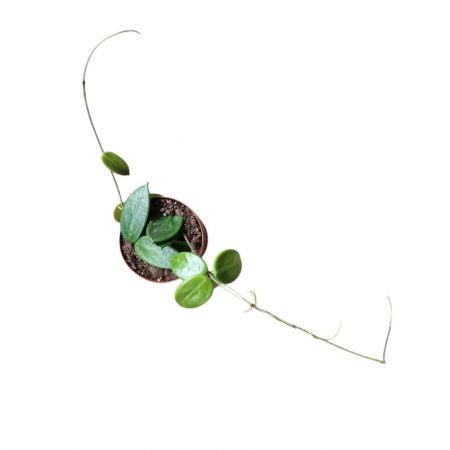
![Hoya dimorpha climbing plant from New Guinea with elongated lanceolate dark green leaves and bi-color white flowers with magenta corona in 12 cm pot [0]](https://gomagcdn.ro/domains2/eufloria.ro/files/product/medium/hoya-dimorpha-d12cm-933884.png "Hoya dimorpha climbing plant from New Guinea with elongated lanceolate dark green leaves and bi-color white flowers with magenta corona in 12 cm pot [0]")
![Hoya dimorpha climbing plant from New Guinea with elongated lanceolate dark green leaves and bi-color white flowers with magenta corona in 12 cm pot [1]](https://gomagcdn.ro/domains2/eufloria.ro/files/product/medium/hoya-dimorpha-d12cm-824076.png "Hoya dimorpha climbing plant from New Guinea with elongated lanceolate dark green leaves and bi-color white flowers with magenta corona in 12 cm pot [1]")
![Hoya dimorpha climbing plant from New Guinea with elongated lanceolate dark green leaves and bi-color white flowers with magenta corona in 12 cm pot [1]](https://gomagcdn.ro/domains2/eufloria.ro/files/product/original/hoya-dimorpha-d12cm-933884.png "Hoya dimorpha climbing plant from New Guinea with elongated lanceolate dark green leaves and bi-color white flowers with magenta corona in 12 cm pot [1]")
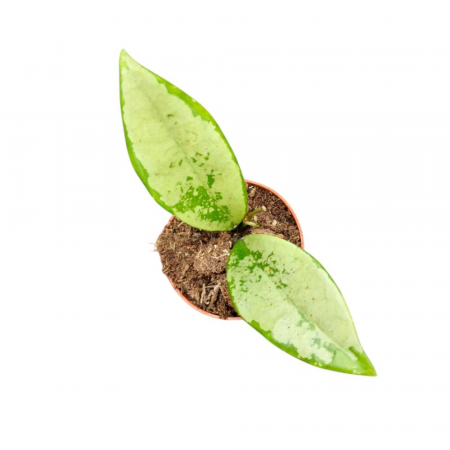
![Hoya dimorpha climbing plant from New Guinea with elongated lanceolate dark green leaves and bi-color white flowers with magenta corona in 12 cm pot [2]](https://gomagcdn.ro/domains2/eufloria.ro/files/product/original/hoya-dimorpha-d12cm-824076.png "Hoya dimorpha climbing plant from New Guinea with elongated lanceolate dark green leaves and bi-color white flowers with magenta corona in 12 cm pot [2]")
Hoya dimorpha is an epiphytic climbing species from New Guinea, described by Ferdinand von Mueller in 1882. Its name — "two forms" — refers to the spectacular bi-color flowers: white-cream corolla with dark red-maroon, almost magenta central corona.
- 🌸 Bi-color white flowers with magenta corona, sweet fragrance
- 🍃 Elongated lanceolate leaves 7-12 cm, dark green with bronze reflections
- ☀️ Bright indirect light, 6-8 hours daily
- 💧 Moderate watering, very well-draining substrate
- 🐾 Non-toxic to pets (ASPCA)
Ø12cm pot · delivery across the EU.
Approx height (including pot): 15 cm
Flowering state: No flowers
Pot diameter: 12 cm
- Description
- Characteristics
- Reviews (0)
- FAQ
🌿 Hoya dimorpha — Climbing Hoya with Bi-Color White and Dark Magenta Flowers
Hoya dimorpha is a remarkable Hoya species native to the island of New Guinea, famous for its spectacular bi-colour flowers with white-cream corolla and a dark red-maroon, almost magenta central corona. The species name — "dimorpha" — literally means "two forms" and refers to the striking chromatic contrast between the pale outer petals and the dark central corona, a unique characteristic in the Hoya genus. It is an elegant climbing plant, valued by collectors for its distinctive flowers and for its foliage with pinkish reflections under strong light.
The species belongs to the group of tropical Hoyas from Southeast Asia and is one of the most recognisable species in the genus due to the rare colour combination of its flowers. Flowers appear in compact umbels with 10–20 individual blooms, each measuring approximately 1–1.5 centimetres, and have a pleasant sweet fragrance, more pronounced in the evening. An epiphytic plant in its natural habitat, Hoya dimorpha grows on the trunks and branches of trees in humid tropical forests, climbing or trailing with its long, flexible stems.
The leaves of Hoya dimorpha are elongated, lanceolate, with a firm and slightly waxy texture, a medium to dark green, with a pronounced central vein that gives them an elegant sculptural appearance. Under strong indirect light, the edges and surfaces of the leaves may develop a subtle reddish-bronze tint, a phenomenon called "sun-stress" which indicates that the plant is receiving sufficient light to bloom. This pinkish colour adds a natural decorative touch and transforms the plant into an ornamental object even without flowers.
Growth is moderate to fast under optimal conditions, and the climbing stems can reach 100–200 centimetres in length in cultivation. Hoya dimorpha is ideal for display on moss poles, trellises, or in hanging pots where the stems can trail naturally. It is a plant that combines the beauty of foliage with the bi-colour floral spectacle, offering decorative appeal throughout the year and blooming repeatedly from the same permanent peduncles ("spurs") in subsequent years.
🌍 Origin and Botanical History
The species Hoya dimorpha is native to the island of New Guinea, particularly from the regions of Papua (Indonesia) and Papua New Guinea (Indonesia), but is also present in some areas of the Philippines. It grows naturally in humid tropical forests from sea level up to medium altitudes, as an epiphytic plant clinging to the trunks and branches of large trees, where it benefits from high humidity, light filtered through the canopy, and the aeration of its roots in the moist forest air. New Guinea is one of the most important centres of biodiversity for the Hoya genus, hosting dozens of endemic or nearly endemic species.
The species was scientifically described by the famous German-Australian botanist Ferdinand von Mueller in 1882, one of the most prolific taxonomists of the 19th century. Mueller described thousands of new plant species in his career and contributed essentially to the knowledge of the flora of Southeast Asia and Australia. The species name "dimorpha" comes from the Greek words "di" (two) and "morphe" (form), referring to the chromatic dimorphism of the flowers — the white-cream corolla and the dark red-maroon corona, two "forms" of colour on the same flower.
The genus Hoya was named in honour of English botanist Thomas Hoy (1750–1822), gardener to the Duke of Northumberland, who cultivated numerous tropical plants imported to Europe at the end of the 18th century. The genus today contains over 500 described species, many of which are endemic to Southeast Asia, Indonesia, the Philippines, Papua New Guinea, and the Pacific islands. Hoya dimorpha belongs to the Apocynaceae family, the same family that includes oleander, frangipani, and many other tropical plants with spectacular flowers.
In European cultivation, Hoya dimorpha has appeared in recent decades, initially spread through exchanges between passionate collectors and through controlled vegetative propagation. It quickly became one of the most popular Bornean Hoyas due to its attractive bi-colour flowers and relatively easy indoor cultivation behaviour. It still remains a rarer species than classic Hoyas such as carnosa, being easier to find at specialised nurseries or among dedicated collectors.
🌱 Foliage and Visual Characteristics
What makes Hoya dimorpha attractive beyond its flowers is its elegant and slightly unusual foliage. The leaves are elongated, lanceolate to elongate-elliptical, measuring approximately 7–12 centimetres in length and 2.5–4 centimetres in width. Their narrow, elongated shape sets them apart from many other Hoyas with round or ovate leaves, giving the plant a more graceful, "flowing" appearance. Leaf tips are pointed and edges are smooth, with a slight curvature that gives them an elegant profile.
The dominant leaf colour is medium to dark green, uniform and slightly glossy due to the protective waxy layer on the surface. Under bright indirect light, the leaves may develop subtle bronze, reddish, or purplish tints, especially on the edges and on the surface exposed to light — a visual indicator of adequate light. The central vein is pronounced and lighter in colour, contrasting elegantly with the rest of the leaf.
The leaves are firm but not excessively fleshy, with moderate thickness that allows them to retain a small amount of water for drier periods. The protective waxy layer provides resistance to variations in air humidity, a typical adaptation of tropical epiphytic species that live in the forest canopy where exposure to sun and wind can be irregular. This resistance makes Hoya dimorpha more tolerant of occasional neglect than many other tropical plants.
The stems are relatively thin but sturdy, with internodes of 5–8 centimetres, and have a climbing or trailing growth habit depending on the support. They can reach 100–200 centimetres in length in indoor cultivation, and in mature nodes, permanent flower peduncles ("spurs") develop which will produce the bi-colour flowers in every flowering season. These peduncles should never be cut after flowering, as the plant will produce new flowers from the same points in subsequent years — a fundamental characteristic of the entire Hoya genus.
✨ Care and Growing Requirements
Hoya dimorpha is a relatively easy species to care for, suitable for both beginner and experienced collectors. Its basic requirements include bright indirect light, moderate to high humidity, stable warm temperatures, and a very well-draining substrate. With these conditions met, the plant will grow vigorously and bloom repeatedly each season, rewarding your effort with the beauty of its climbing foliage and the spectacle of its unique bi-colour flowers.
Light is the most important factor for healthy development and flowering. Hoya dimorpha requires bright indirect light, ideally 6–8 hours daily. An east-facing window is optimal, offering the gentle direct morning light without the stress of intense afternoon rays. West-facing windows work well with partial filtering, and south-facing windows mandatorily require filtering through a sheer curtain to avoid leaf burn. Insufficient light will prevent flowering.
Like most species in the Hoya genus, dimorpha enjoys a very airy substrate and has a trailing habit, making it a great choice for hanging pots.
- Light: Bright indirect, 6–8 hours daily. East ideal, west with filter, south mandatory filtered. No intense direct sun.
- Watering: Moderate. Let the top 2–3 cm of substrate dry between waterings. Every 5–7 days in summer, 10–14 days in winter. Do not leave standing water in the saucer.
- Temperature: 20–28°C during the growing season, minimum 16°C in winter. Does not tolerate cold below 15°C or cold drafts.
- Humidity: Moderate to high (55–75%). If room air is dry, use a humidifier or pebble tray with water. Occasional misting helps.
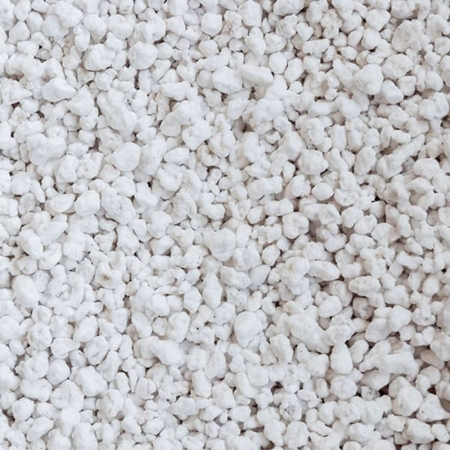
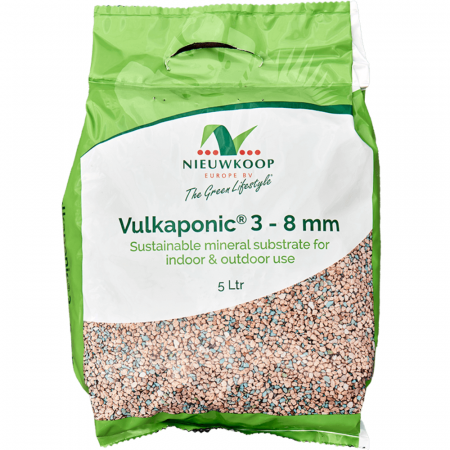
- Substrate: Very well-draining and airy. Epiphytic orchid mix combined with perlite, medium pine bark, and coconut fibres. Avoid compact substrates.
- Fertilising: Monthly during the growing season (April–September) with liquid fertiliser for flowering plants diluted to half strength. Do not fertilise in winter.
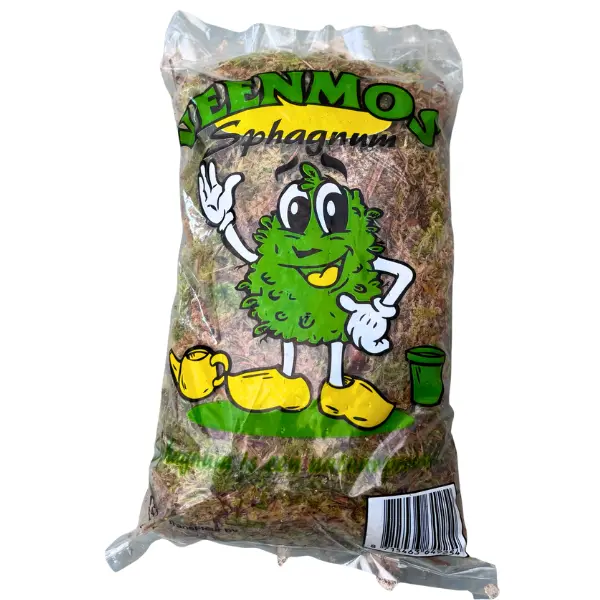
- Propagation: Through stem cuttings with 2–3 nodes. Roots appear in 4–8 weeks in moist sphagnum moss or in filtered water.
To stimulate flowering, provide the plant with sufficient bright light and a support to climb (moss pole, trellis, or mesh). Hoya dimorpha blooms on permanent peduncles ("spurs") that emerge from mature nodes — never cut these peduncles after flowering, as the plant will bloom repeatedly from the same points in subsequent years. In the cold season, reduce watering but maintain air humidity as constant as possible to avoid stress. A short cooling period in winter (16–18°C) can encourage more abundant flowering in the following spring.
⭐ Why Choose Hoya dimorpha
Hoya dimorpha is the ideal choice for collectors seeking a Hoya with a distinct personality, combining elegant climbing foliage and spectacular bi-colour flowers. The striking chromatic contrast between the white-cream corolla and the dark red-maroon central corona makes each flower look like a small living jewel, and the compact umbels with 10–20 blooms create a concentrated floral spectacle you simply cannot miss. It is a plant that immediately attracts attention and becomes a focal point in any collection.
An important advantage is that all Hoya species, including dimorpha, are considered non-toxic to pets according to the ASPCA database. This makes it a safe choice for homes with cats, dogs, or curious small children. You can place it anywhere without worrying that it will be dangerous to your four-legged family members — a significant advantage over many other exotic ornamental plants that can be toxic. Safety is an essential criterion for households with pets.
The natural climbing habit makes it suitable for apartments, offices, or winter gardens, where it can be displayed on moss poles, trellises, or in hanging pots for a cascading effect. The moderate to fast growth means the plant develops visibly during the season without becoming overly vigorous, and the elongated leaves with bronze reflections under bright light make it attractive even during periods without flowers, offering constant decorative value throughout the year.
From Eufloria, you receive a healthy, well-rooted specimen, carefully selected for its decorative qualities and general health condition. Each plant is inspected before delivery and carefully packaged to arrive in perfect condition. With a little attention and adequate conditions, Hoya dimorpha will reward your effort with years of ornamental beauty, increasingly long stems with elegant elongated leaves, and the recurring spectacle of its bi-colour flowers that will become your favourite moment of the season.
It comes from the same region as Hoya nicholsoniae 'New Guinea Ghost' and is among the rare Hoya collector's plants on Eufloria.ro.
Lungime: 15 cm
Greutate (kg): 1 Kg
Denumire: Hoya
Diametru: 12 cm
Cerințe lumină: Partial umbra
Tip plantă: Decorative
Utilizare: Interior
Tip suport: Ghiveci
Material Suport: Plastic
Where does Hoya dimorpha come from?
How do you water Hoya dimorpha?
Is Hoya dimorpha toxic to pets?
What do Hoya dimorpha flowers look like?
How do you grow Hoya dimorpha?
Recommendations

Ai nevoie și de un ghiveci decorativ?