EN/
EN/ Romana
Hoya polystachya (latifolia) Ø12cm
![Hoya polystachya [0]](https://gomagcdn.ro/domains2/eufloria.ro/files/product/medium/hoya-polystachya-latifolia-d12-547236.webp "Hoya polystachya [0]")
![Hoya polystachya [1]](https://gomagcdn.ro/domains2/eufloria.ro/files/product/medium/hoya-polystachya-latifolia-d12-828184.webp "Hoya polystachya [1]")
![Hoya polystachya [2]](https://gomagcdn.ro/domains2/eufloria.ro/files/product/medium/hoya-polystachya-latifolia-d12-298916.webp "Hoya polystachya [2]")
![Hoya polystachya [3]](https://gomagcdn.ro/domains2/eufloria.ro/files/product/medium/hoya-polystachya-latifolia-d12-762956.webp "Hoya polystachya [3]")
![Hoya polystachya [4]](https://gomagcdn.ro/domains2/eufloria.ro/files/product/medium/hoya-polystachya-latifolia-d12-402715.png "Hoya polystachya [4]")
![Hoya polystachya [1]](https://gomagcdn.ro/domains2/eufloria.ro/files/product/original/hoya-polystachya-latifolia-d12-547236.webp "Hoya polystachya [1]")
![Hoya polystachya [2]](https://gomagcdn.ro/domains2/eufloria.ro/files/product/original/hoya-polystachya-latifolia-d12-828184.webp "Hoya polystachya [2]")
![Hoya polystachya [3]](https://gomagcdn.ro/domains2/eufloria.ro/files/product/original/hoya-polystachya-latifolia-d12-298916.webp "Hoya polystachya [3]")
![Hoya polystachya [4]](https://gomagcdn.ro/domains2/eufloria.ro/files/product/original/hoya-polystachya-latifolia-d12-762956.webp "Hoya polystachya [4]")
![Hoya polystachya [5]](https://gomagcdn.ro/domains2/eufloria.ro/files/product/original/hoya-polystachya-latifolia-d12-402715.png "Hoya polystachya [5]")
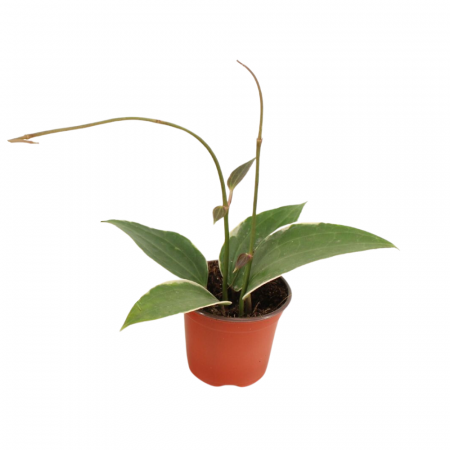
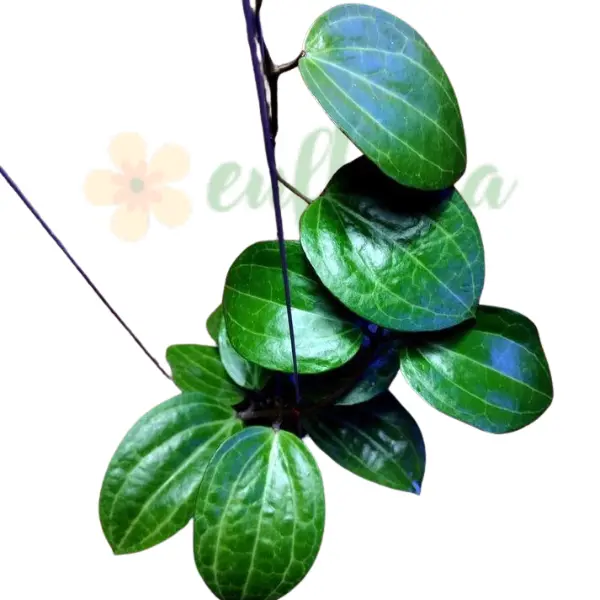
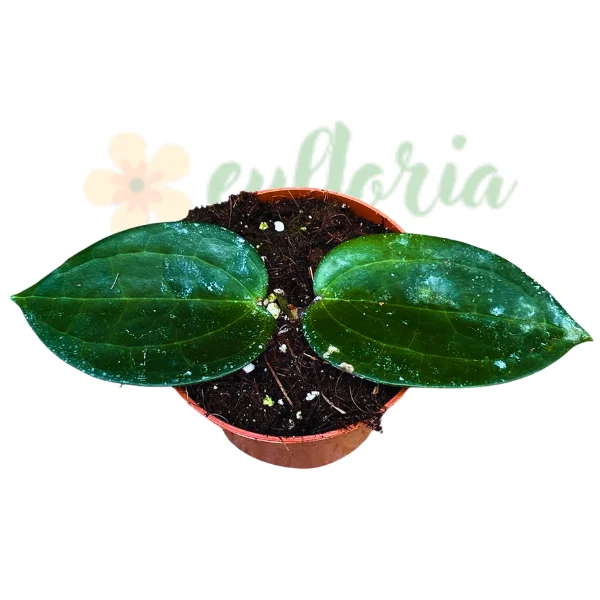
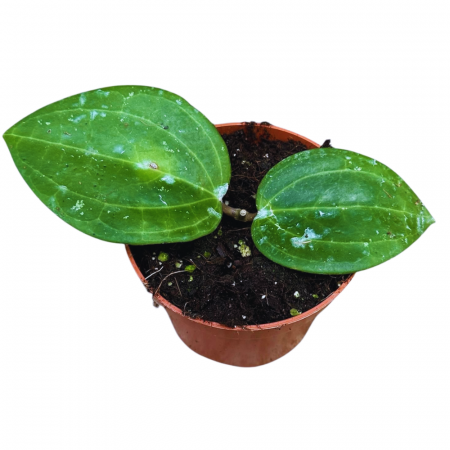
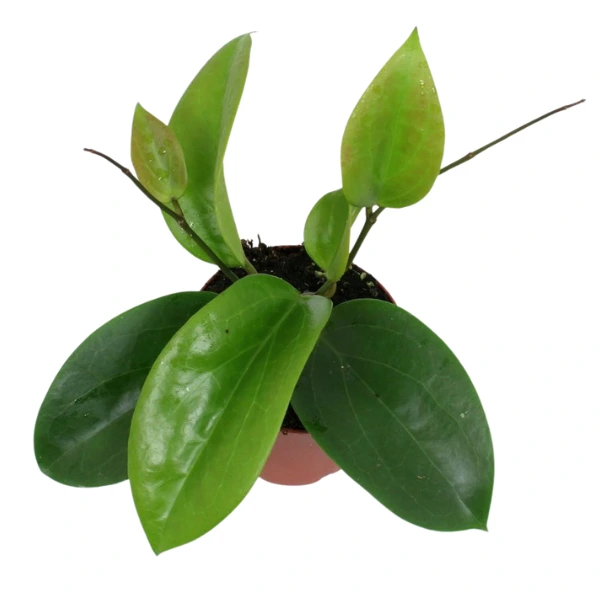
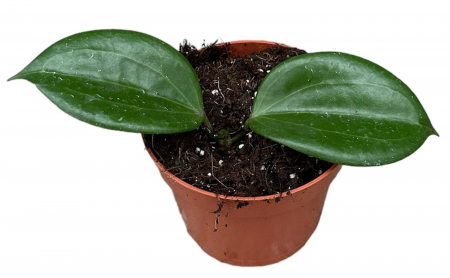
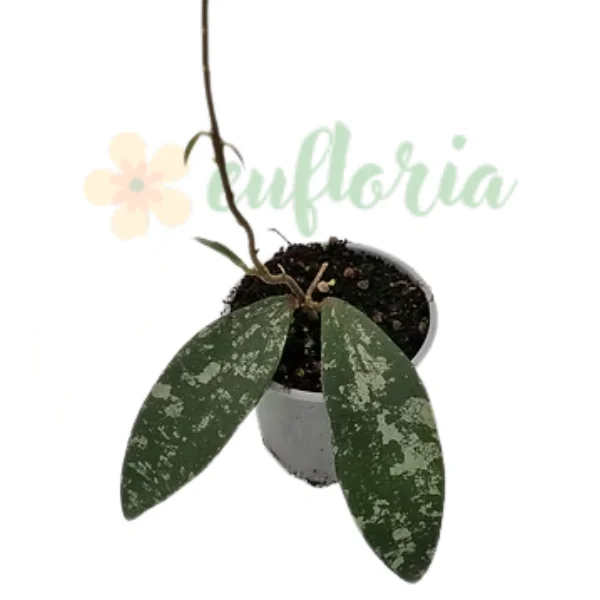
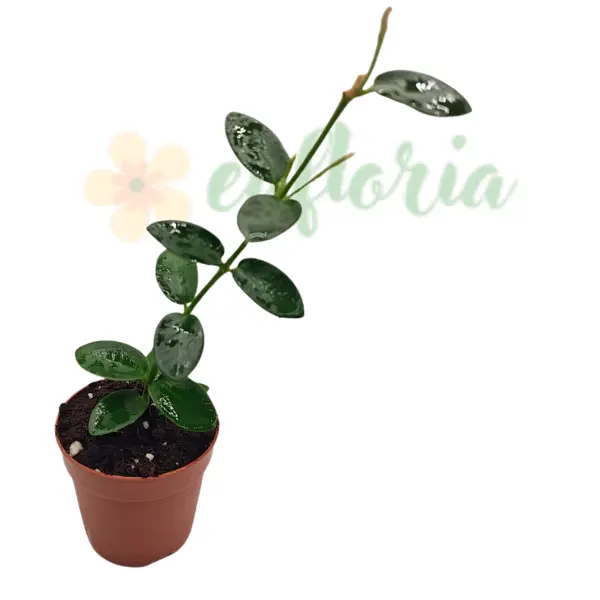
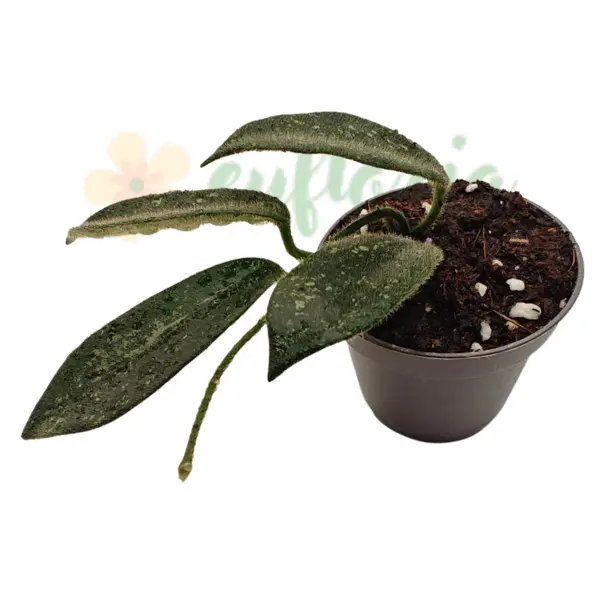
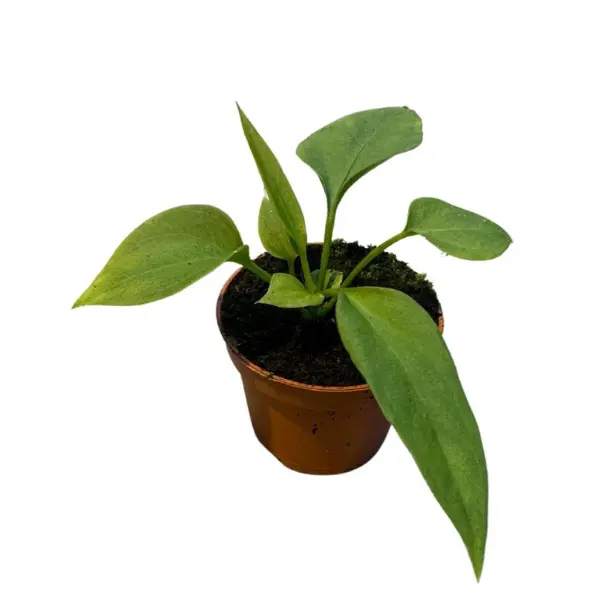
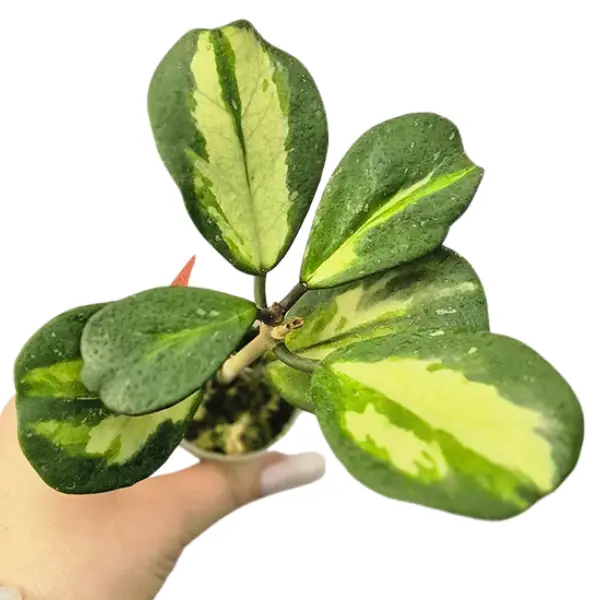
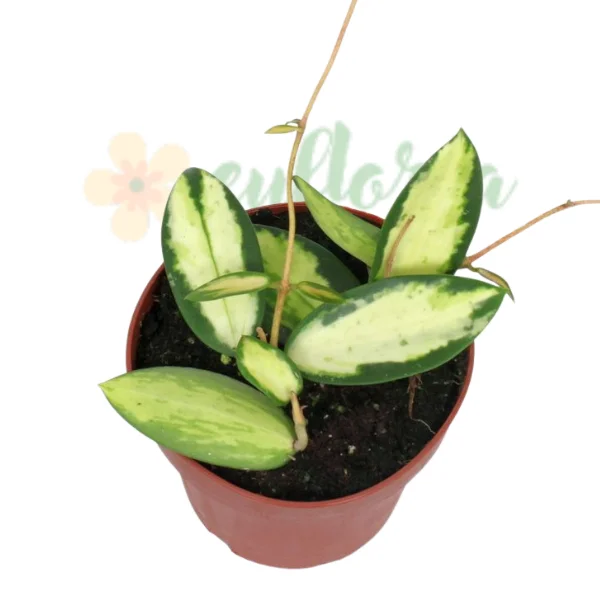
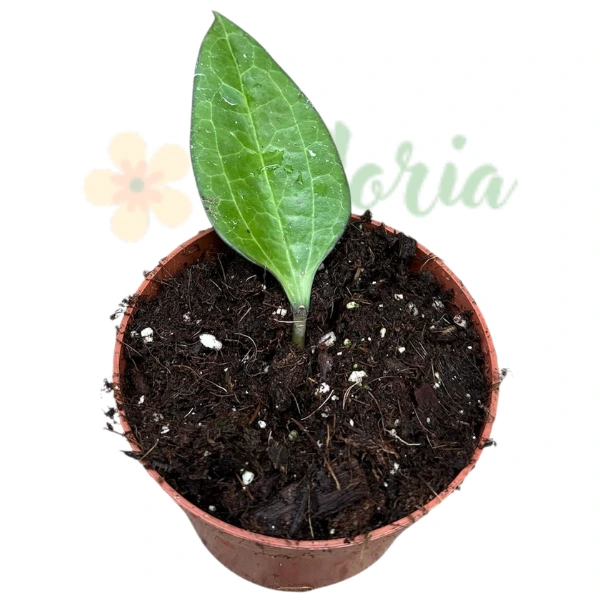
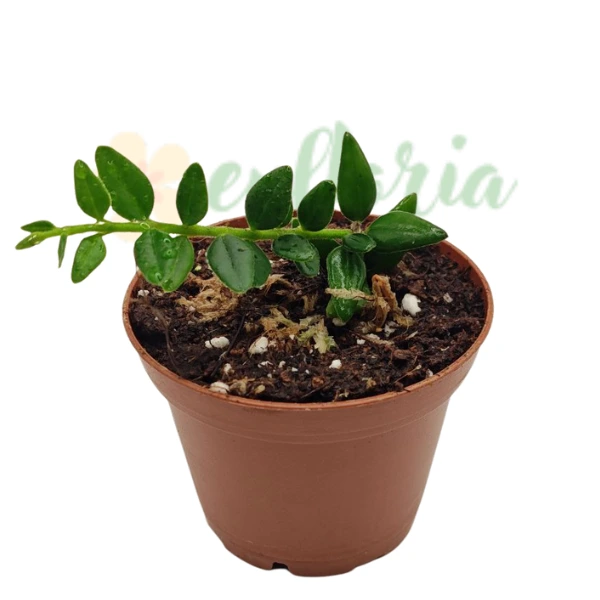
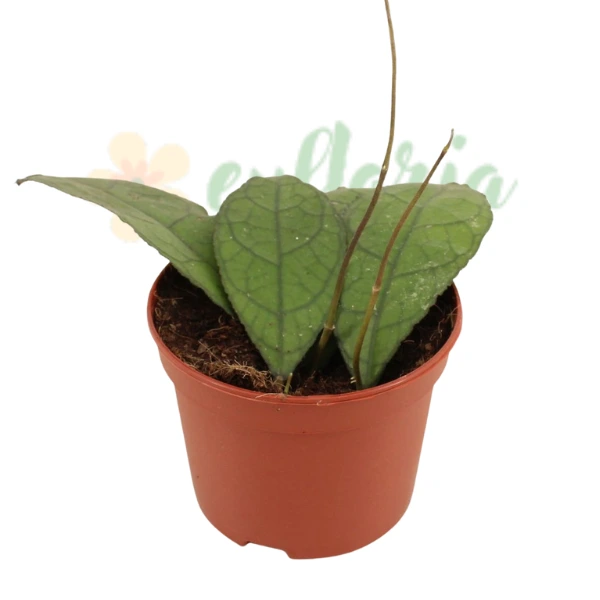
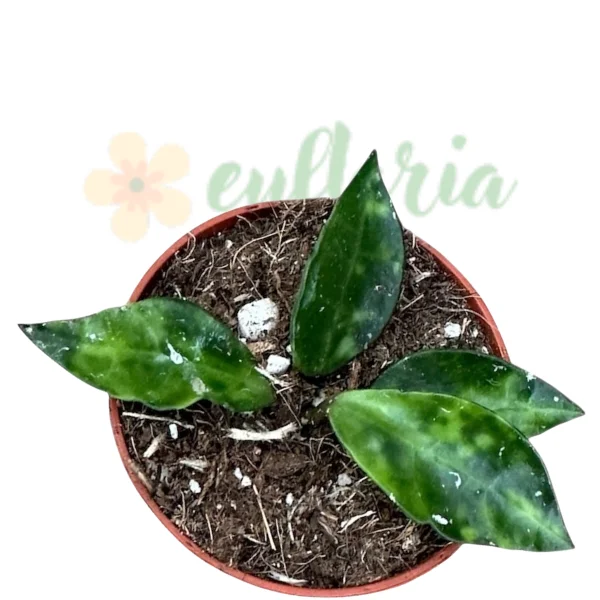
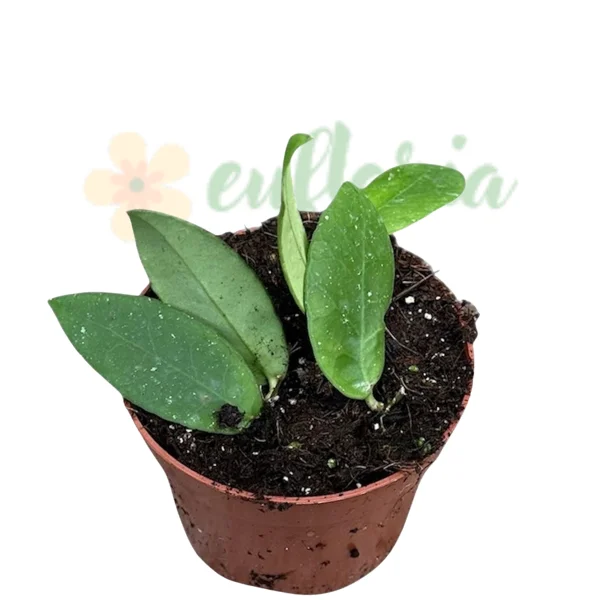
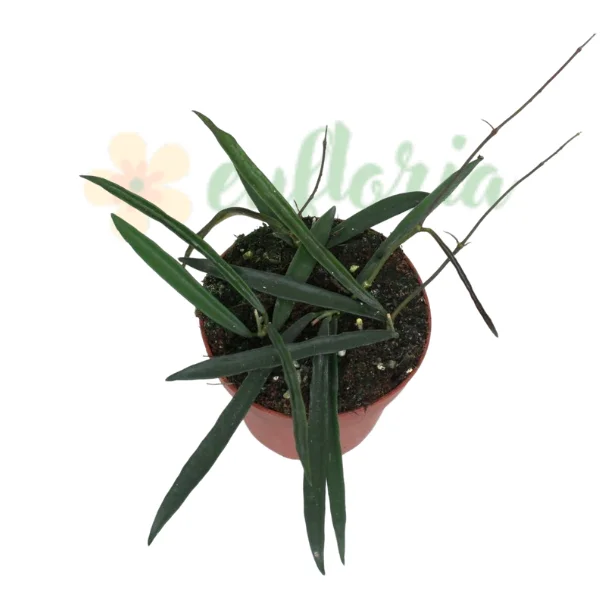
Hoya polystachya (latifolia) – spectacular species with large, broad, thick-fleshy deep green leaves. Fragrant white-pink flowers in generous umbels. Vigorous climbing plant. Prefers bright indirect light and well-drained substrate. Non-toxic plant.
Approx height (including pot): 15 cm
Flowering state: No flowers
Country of origin: Netherlands
Pot diameter: 12 cm
- Description
- Characteristics
- Reviews (0)
- FAQ
🌿 Hoya polystachya – Broad Leaves and Impressive Tropical Vigor
Hoya polystachya (synonym: Hoya latifolia) is a spectacular species from the Hoya genus, remarkable for its large, broad leaves that give it a robust and imposing appearance. This epiphytic plant from the Apocynaceae family is native to the tropical forests of Southeast Asia and makes an impressive presence in any exotic plant collection.
🌍 Origins and Botanical History
Hoya polystachya grows naturally in tropical forests across Malaysia, Indonesia, Thailand, and other regions of Southeast Asia. The synonymous name "latifolia" (broad-leaved) perfectly describes one of the species' main characteristics. The plant grows as an epiphyte on tree trunks and branches, at low to moderate elevations, in areas with high humidity and light filtered through the forest canopy.
🌿 Leaves – Generous Dimensions and Succulent Texture
The leaves are the dominant feature of this species – large, broad, oval, and thick-fleshy, with a glossy deep green surface. They can reach impressive sizes of up to 15-25 cm in length, creating a strong visual impact. Veins are visible but subtle, and the succulent texture allows the plant to retain water efficiently, giving it good resistance to short periods of drought.
🌸 Flowers – Generous Umbels in Warm Hues
The flowers are grouped in large, round umbels composed of numerous small star-shaped blooms. The coloring ranges from creamy white to light pink, often with a darker or reddish center. The fragrance is sweet and pleasant, more intense in the evening hours. The umbels can be impressive in size, matching the overall vigor of the plant. Floral peduncles should not be cut.
🌱 Growth Habit and Care
Hoya polystachya is a vigorous climbing plant that requires a sturdy climbing support or can be grown in large hanging pots. It prefers bright indirect light, a well-drained substrate based on bark, perlite, and coconut coir, and moderate watering – the substrate should partially dry between waterings. Medium to high humidity (above 60%) promotes optimal growth. Ideal temperatures: 18-30°C (64-86°F). Due to its large leaf size, it requires more space than many other Hoya species.
Lungime: 10 cm
Greutate (kg): 0.5 Kg
Denumire: Hoya
Diametru: 12 cm
Cerințe lumină: Partial umbra
Tip plantă: Decorative
Utilizare: Interior
Tip suport: Ghiveci
Material Suport: Plastic
Is Hoya polystachya a synonym of Hoya latifolia?
Yes — according to reliable sources, Hoya polystachya is a synonym of Hoya latifolia.
Specifically:
- In the Royal Botanic Gardens, Kew's botanical database (Plants of the World Online), Hoya polystachya Blume is listed as a synonym of Hoya latifolia.
- Other horticultural sources note that the labels “Hoya polystachya” have been used historically, but the recently accepted form is Hoya latifolia.
What do the leaves look like?
They are large, firm, deep green and smooth.
What do the flowers look like?
The flowers are creamy-yellow, waxy, arranged in an umbrella, with a creamy-white or pale pink crown.
Is it a difficult plant?
No, as long as it has good light, moderate humidity, and an aerated substrate.
Is it a rare species?
Yes, it is not very common in commerce and is prized in botanical collections.
How do I care for a Hoya plant?
Hoya plants prefer bright indirect light, moderate watering (allow the soil to dry between waterings) and temperatures between 18-27°C (65-80°F). Provide well-draining substrate and higher humidity for optimal growth.
When does Hoya bloom?
Hoya typically blooms in spring and summer, producing waxy, fragrant flowers. Do not cut the peduncles after flowering, as the plant will bloom again from the same stalks.
How often should I water my Hoya?
Water your Hoya when the top layer of soil (2-3 cm) has dried completely. In summer, this usually means once a week, and in winter every 2-3 weeks. Avoid overwatering.
Is Hoya toxic to pets?
Hoya is generally considered non-toxic to dogs and cats. However, ingestion of any plant may cause mild gastric discomfort, so it is recommended to keep the plant away from pets.
How do I propagate Hoya?
Hoya can be propagated through stem cuttings with 2-3 nodes. Place the cuttings in water or moist substrate and wait 2-6 weeks for rooting. Higher humidity helps the process.
Recommendations