EN/
EN/ Romana
Anthurium 'Napo' D8
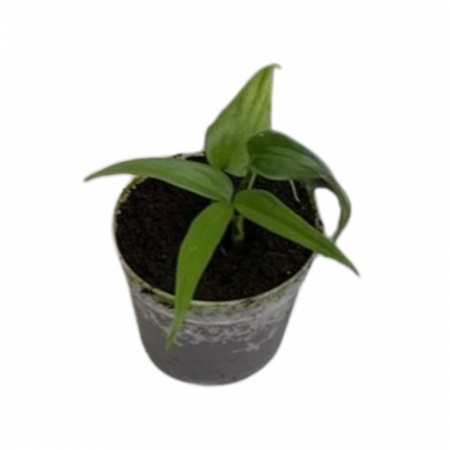
![Anthurium sp. 'Napo' [0]](https://gomagcdn.ro/domains2/eufloria.ro/files/product/medium/anthurium-napo-d8-973194.webp "Anthurium sp. 'Napo' [0]")
![Anthurium sp. 'Napo' [1]](https://gomagcdn.ro/domains2/eufloria.ro/files/product/medium/anthurium-napo-d8-163364.webp "Anthurium sp. 'Napo' [1]")
![Anthurium sp. 'Napo' [1]](https://gomagcdn.ro/domains2/eufloria.ro/files/product/original/anthurium-napo-d8-973194.webp "Anthurium sp. 'Napo' [1]")
![Anthurium sp. 'Napo' [2]](https://gomagcdn.ro/domains2/eufloria.ro/files/product/original/anthurium-napo-d8-163364.webp "Anthurium sp. 'Napo' [2]")
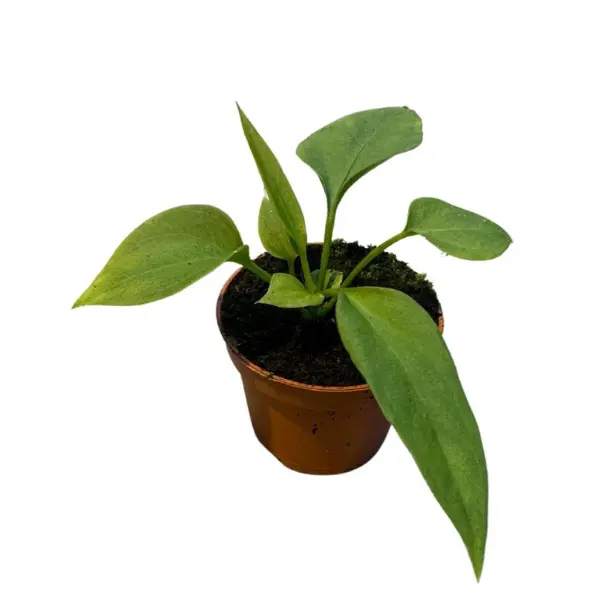
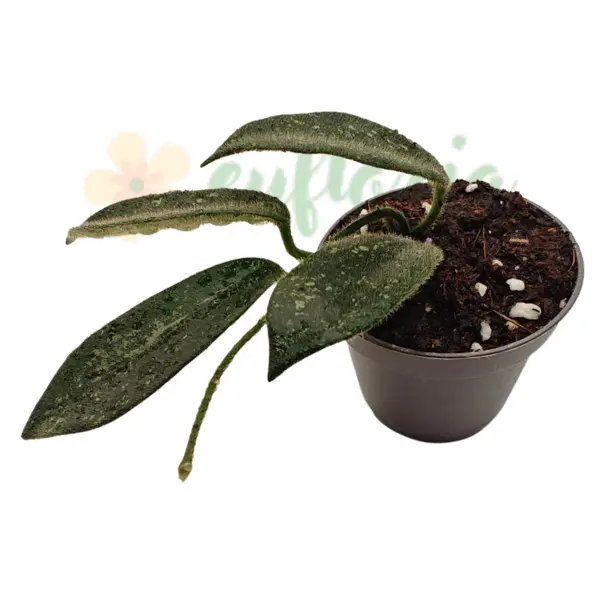
Anthurium 'Napo' is a rare Anthurium species from Ecuador, with large, velvety deep green leaves featuring sculpted, prominent veins. An epiphytic plant preferring indirect light and high humidity. Collector's piece. Caution: toxic – contains calcium oxalates.
Approx height (including pot): 12 cm
Pot diameter: 8 cm
- Description
- Characteristics
- Reviews (0)
- FAQ
🌿 Anthurium 'Napo' – Velvety Leaves from the Heart of Ecuador
Anthurium 'Napo' is a rare and spectacular Anthurium species, native to the Napo province of Ecuador. Valued for its large, velvety leaves with exceptional texture and prominent veining, this tropical plant is a gem for collectors and exotic plant enthusiasts.
🌍 Origins & Botanical History
Anthurium 'Napo' belongs to the Araceae family and originates from the humid tropical forests of Napo province, situated in eastern Ecuador within the Amazon basin. The genus Anthurium comprises over 1,000 species, making it the largest genus in the Araceae family. This variety was collected and introduced to cultivation by botanical explorers and quickly earned a place in rare plant collections.
🌿 Foliage – Green Velvet with Sculpted Veins
The leaves of Anthurium 'Napo' are large, cordate (heart-shaped) or elongated, with a distinctive velvety texture. The surface is deep matte green with prominent veins that create a sculpted, three-dimensional effect. New leaves may emerge with bronze or reddish tones before maturing to dark green. The petioles are long and robust, elegantly supporting the large leaves.
🌱 Growth Habit & Development
Anthurium 'Napo' is an epiphytic plant that prefers bright indirect light and high humidity (65-85%). The ideal substrate is an airy mix of bark, perlite, sphagnum, and charcoal. Water when the substrate has partially dried out, maintaining consistent moisture without saturation. The optimal temperature is 18-27°C (65-80°F). Benefits from a humidifier or regular misting.
Lungime: 10 cm
Greutate (kg): 0.5 Kg
Denumire: Anthurium
Diametru: 8 cm
Cerințe lumină: Partial umbra
Tip plantă: Decorative
Utilizare: Interior
Tip suport: Ghiveci
Material Suport: Plastic
Is Anthurium 'Napo' toxic to cats and dogs?
Yes, Anthurium 'Napo' is toxic to cats, dogs, and horses according to the ASPCA. Like all members of the Araceae family, it contains insoluble calcium oxalate crystals that cause oral irritation, burning, swelling of the mouth and tongue, excessive drooling, and difficulty swallowing if ingested. Keep this plant out of reach of pets, and contact your veterinarian immediately if you suspect your pet has chewed on any part of the plant.
Where does Anthurium 'Napo' come from and why is it called 'Napo'?
Anthurium 'Napo' is named after its native region – the Napo province in eastern Ecuador, part of the Amazon basin. It grows naturally in the mid-elevation cloud forests of this region, both as a terrestrial plant on the forest floor and as an epiphyte under the canopy. The species is closely related to Anthurium nigrolaminum and is sometimes sold under that name. Its natural habitat – humid, shaded forest with consistent moisture – informs its care requirements as a houseplant.
What humidity level does Anthurium 'Napo' need?
Anthurium 'Napo' thrives in humidity levels between 60-80%, reflecting its cloud forest origins. While it can adapt to household humidity around 50-55%, optimal growth and leaf development occur at higher levels. Increase humidity using a humidifier, grouping plants together, or placing the pot on a pebble tray with water. Brown leaf tips or edges often indicate insufficient humidity. Avoid misting directly on leaves as this can promote fungal issues.
What soil mix is best for Anthurium 'Napo'?
Anthurium 'Napo' requires a chunky, well-draining aroid mix that mimics its epiphytic growing conditions. A recommended mix includes: orchid bark (40%), perlite (25%), peat or coco coir (20%), and horticultural charcoal (15%). This combination provides excellent drainage and aeration while retaining adequate moisture. Avoid dense, water-retentive potting soils that can cause root rot. The roots need access to air, so a loose, chunky substrate is essential.
Why are my Anthurium 'Napo' leaves turning yellow?
Yellow leaves on Anthurium 'Napo' most commonly indicate overwatering or poor drainage leading to root rot – check that your pot has drainage holes and the soil isn't staying wet. Other causes include: insufficient light (move to brighter indirect location), natural aging of older lower leaves (normal process), nutrient deficiency (feed during growing season), or temperature stress from cold drafts or sudden changes. Examine roots for mushiness – healthy roots are white/cream colored.
Recommendations
Ai nevoie și de un ghiveci decorativ?