
 EN/
EN/ Romana
Yucca elephantipes D17cm - Eufloria
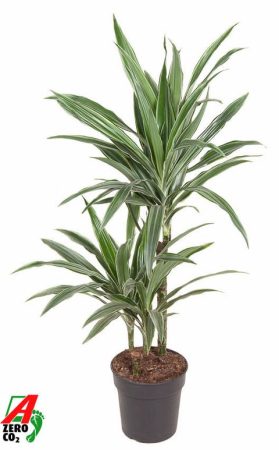
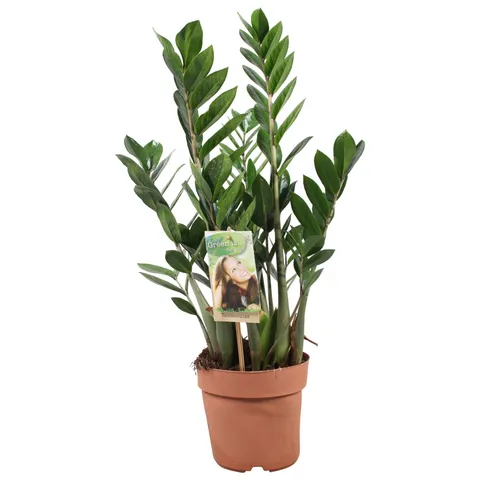
![Yucca elephantipes - Spineless Yucca, resilient indoor plant [1]](https://gomagcdn.ro/domains2/eufloria.ro/files/product/original/yucca-elephantipes-d17cm-eufloria-087142.jpg "Yucca elephantipes - Spineless Yucca, resilient indoor plant [1]")
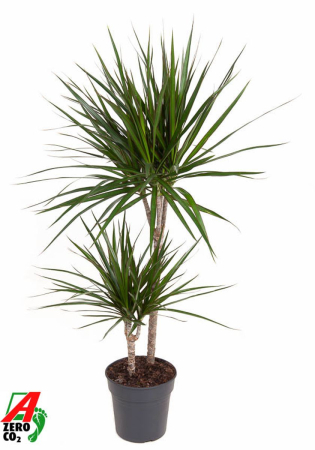
Yucca elephantipes (spineless yucca) – an imposing indoor plant with a woody trunk and long, rigid, dark green leaves. Extremely resilient, tolerates drought and bright light. Minimal care, ideal for modern interiors. Note: may cause irritation to pets if ingested.
This plant will be imported after you order. It has a minim mandatory quantity.: If you want to order fewer quantities, contact us for a personalized offer
Delivery date: 1-2 weeks
- Description
- Characteristics
- Reviews (0)
- FAQ
🌿 Yucca elephantipes – The Exotic Palm for Modern Interiors
Yucca elephantipes, popularly known as the spineless yucca or yucca palm, is an imposing indoor plant that brings an exotic and contemporary feel to any space. With its thick, woody trunk crowned by tufts of long, rigid, pointed leaves, Yucca creates a strong architectural presence. It is one of the most resilient houseplants, tolerant of drought, strong light, and occasional neglect – the perfect partner for those with an active lifestyle.
🌍 Origins & Botanical History
Yucca elephantipes originates from Central America, particularly Mexico and Guatemala, where it can grow as a tree up to 10 metres tall. It belongs to the Asparagaceae family, subfamily Agavoideae, a genus comprising approximately 50 species. The name “elephantipes” (elephant’s foot) refers to the massive base of the trunk, reminiscent of an elephant’s foot. In its native regions, Yucca is also used in cooking – the flowers and shoots are edible.
🌿 Foliage – Green Swords on a Wooden Throne
The leaves are long, narrow, and rigid, 30–70 cm in length, with a sword-like shape and slightly pointed tips (but not spiny like other Yucca species). The colour is a dark green with a slightly waxy texture. The leaves cluster in dense rosettes at the trunk tips, creating a tropical palm effect.
The trunk is the architectural element of the plant – thick, woody, with a rough brown bark that gives it a mature, imposing character. Many specimens have branching trunks with multiple leaf tufts at different heights.
🌱 Growth Habit & Development
Yucca elephantipes can reach 100–200 cm indoors, with slow to moderate growth. It is extremely tolerant and requires minimal care. It prefers bright light (tolerates direct sunlight), temperatures of 15–30°C, and infrequent watering – allow the soil to dry completely between waterings. It is very tolerant of dry air, making it excellent for centrally heated apartments.
✨ Why Choose Yucca elephantipes from Eufloria?
At Eufloria, every plant is carefully selected from trusted European growers. The Yucca elephantipes you receive will have a well-formed trunk and healthy leaf tufts, ready to become a centrepiece of your interior décor.
Denumire: Yucca
Tip plantă: Decorative
Utilizare: Interior
Tip suport: Ghiveci
Material Suport: Plastic
What light does Yucca elephantipes need?
Yucca elephantipes is a light-loving plant that prefers direct sun and bright light. This is one of the few indoor plants that does exceptionally well in front of a south-facing window, receiving direct sunlight for several hours a day. In bright light conditions, the plant grows vigorously and develops leaves of an intense green color. It can also tolerate moderate or indirect light, but growth will be slower and leaves may become thinner and paler. In low light conditions, the plant survives but does not thrive – avoid placing it in dark corners or rooms without windows. Periodically rotating the pot ensures even growth.
How often should I water Yucca elephantipes?
Yucca elephantipes is a drought-tolerant plant that requires moderate watering. Allow the soil to dry out completely between waterings – usually every 1-2 weeks in summer and every 3-4 weeks in winter. The thick trunk functions as a water reservoir, storing moisture for dry periods. Overwatering is the most common mistake and can lead to root and trunk rot – a serious problem that can be fatal for the plant. When you water, water thoroughly and let the water drain completely through the drainage holes. Never let the pot sit in standing water. Yellow leaves at the base or a soft trunk are clear signs of overwatering. It is always better to underwater than overwater – Yucca recovers more easily from drought than from flooding.
Is Yucca elephantipes toxic to pets?
Yes, Yucca elephantipes is toxic to cats and dogs. The plant contains saponins, natural compounds that can cause gastrointestinal irritation if ingested, including vomiting, diarrhea, and excessive salivation. The sharp leaves can also cause mechanical injuries if pets chew on them. Although toxicity is considered moderate and rarely life-threatening, it is recommended to position the plant in a location inaccessible to curious pets. If you suspect your pet has ingested parts of the plant, contact your veterinarian immediately. For humans, the plant has low toxicity, but it is not edible and may cause mild skin irritation in sensitive individuals.
How tall does Yucca elephantipes grow indoors?
Indoors, Yucca elephantipes can reach heights of 1.5-2.5 meters, depending on growing conditions and pot size. In its natural habitat in Mexico and Central America, it can grow up to 9-10 meters. The growth rate is moderate – under good light and care conditions, the plant can add 20-30 cm per year. The trunk gradually thickens with age, developing a solid base that supports the crown of leaves. You can control the height by cutting the trunk – Yucca handles pruning excellently and will produce new branches from the cutting point. Repotting into a larger pot encourages growth, while keeping it in a smaller pot naturally limits it.
Why are the leaves on my Yucca elephantipes turning yellow or brown?
Yellowing and drying of leaves on Yucca elephantipes can have several causes. Lower leaves that turn yellow and drop are a natural process – the plant sheds old leaves as it grows, revealing the trunk. This is not a problem. If leaves are yellowing massively or at the tips, the main cause is usually overwatering, which leads to root rot. Check the soil – if it is constantly moist, reduce watering frequency. Brown tips may indicate air that is too dry or mineral salt buildup from water. Pale or thin leaves suggest insufficient light. Brown spots on leaves may be sunburn if the plant was suddenly moved to direct sun. Correcting the watering regime and ensuring adequate light resolves most problems.
What soil and pot is suitable for Yucca elephantipes?
Yucca elephantipes requires soil with very good drainage, similar to that used for cacti and succulents. An ideal mix combines universal potting soil with perlite, coarse sand, or pumice in a ratio of approximately 2:1. The soil should be light and airy, allowing water to drain quickly – Yucca roots do not tolerate standing moisture. The pot must have adequate drainage holes. Choose a stable and sufficiently heavy pot to support the plant, as large specimens can become unstable. Terracotta is an excellent choice – the porous material helps the soil dry faster. Repotting is done every 2-3 years or when roots fill the pot, preferably in spring. Choose a pot only 2-3 cm larger in diameter than the previous one.
How big does Yucca grow indoors?
Yucca elephantipes can reach 1-2 m indoors. It has a thick trunk and sharp sword-shaped leaves that give it an imposing tropical look.
Ai nevoie și de un ghiveci decorativ?







