
 EN/
EN/ Romana
Dracaena fragrans 'Warneckei' Ø19cm
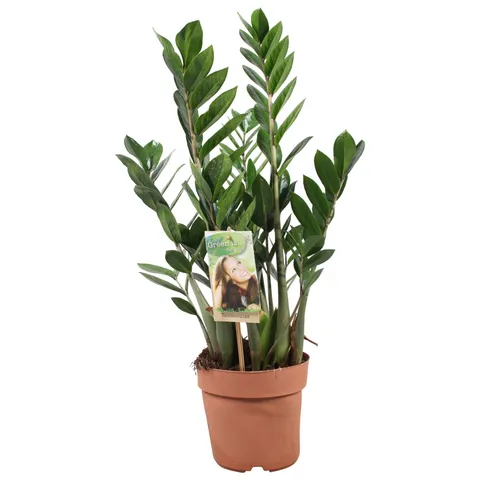
![Dracaena fragrans 'Warneckei' Ø19cm — striped dracaena with dark green silver-edged leaves, air-purifying indoor plant available at Eufloria [1]](https://gomagcdn.ro/domains2/eufloria.ro/files/product/original/dracaena-fragrans-warneckei-d19cm-300569.jpg "Dracaena fragrans 'Warneckei' Ø19cm — striped dracaena with dark green silver-edged leaves, air-purifying indoor plant available at Eufloria [1]")
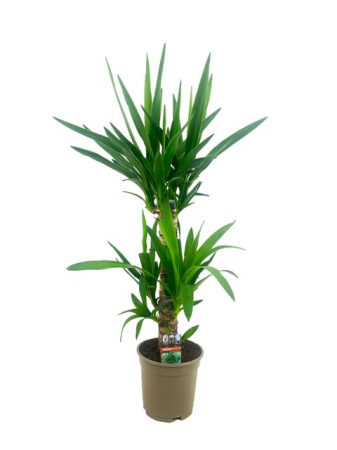
Dracaena fragrans ‘Warneckei’ – an elegant plant with green and white striped leaves. Extremely resilient, tolerates low light and dry air. Slow-growing, ideal for offices and modern interiors. Note: toxic to pets if ingested.
This plant will be imported after you order. It has a minim mandatory quantity.: If you want to order fewer quantities, contact us for a personalized offer
Grower:

Delivery date: 1-2 weeks
- Description
- Characteristics
- Reviews (0)
- FAQ
🌿 Dracaena fragrans 'Warneckei' — Botanical Elegance with Silver Accents
Dracaena fragrans 'Warneckei', popularly known as the striped dracaena or Warneckei dragon plant, is one of the most appreciated indoor plants for its ability to instantly transform a space through verticality and graphic foliage. Its long, sword-shaped leaves display an unmistakable decorative pattern: a deep dark green base traversed lengthwise by fine silvery-white stripes that catch the light and lend the plant an almost architectural elegance.
This premium cultivar emerged in late 19th-century European nurseries and rapidly became one of the undisputed stars of modern interior design. The robust, woody trunk supports dense rosettes of leaves that fan out gracefully, creating the effect of a sculptural plant — perfect for both bright corners and dimly lit passageways where other species would suffer. This versatility, combined with remarkable resilience, has made 'Warneckei' the preferred choice for interior designers, hoteliers, and corporations seeking to soften minimalist spaces with authentic plant presence.
Available in a generous range of sizes — from compact specimens of 85 cm tall to mature plants reaching nearly 2 meters — Dracaena 'Warneckei' integrates harmoniously into any type of space, from modern apartments and corporate offices to art galleries, restaurants, and elegant lobbies. For genus enthusiasts, we recommend exploring our full dracaena collection, where the variety of cultivars and sizes offers unlimited combination possibilities.
🌍 Origin and Natural Habitat
Dracaena fragrans is a species native to tropical Africa, with a natural distribution stretching from Sudan and Ethiopia, through the Congo basin, into the mountainous regions of Tanzania and Mozambique. In its natural habitat, the plant grows as a shrub or small tree in moist tropical forests, often as an understory layer beneath taller canopy trees — which explains its remarkable tolerance for indirect light and ability to thrive in partial shade.
The genus name — Dracaena — derives from the Greek "drakaina," meaning "female dragon," a reference to the red resin produced by some related species, historically known as "dragon's blood" and used since antiquity as pigment, perfume, and medicinal remedy. Wild specimens of Dracaena fragrans can reach impressive heights of 6-15 meters under optimal conditions, developing thick trunks with characteristic woody texture, crowned by dense leaf rosettes. The 'Warneckei' cultivar was selected for its more compact stature and specific silvery-white variegation, while preserving the full resilience and adaptability of the parent species.
In African folk culture, Dracaena fragrans holds significant ceremonial meaning: in rural Central and East Africa, its branches are used in protective rituals, and its trunks are traditionally planted at household corners or along pathways to mark territorial boundaries. This symbolic dimension, combined with the remarkable ornamental value, makes 'Warneckei' not just a decorative plant but an element with an authentic story — a detail appreciated by collector-plant enthusiasts.
🌱 Care Guide
Light: Prefers bright indirect light but is one of the few species that genuinely tolerates moderate or even low-light areas. Avoid direct exposure to harsh midday sun, as leaves develop scorch marks and lose their characteristic luster. A position near an east or northeast-facing window is ideal. Silver variegation intensifies in better light but does not vanish in shadier spots, making this plant one of the most versatile choices for fans of low-light tolerant plants.
Watering: Moderate, with a simple golden rule — let the top 3-5 cm of substrate dry between waterings. In the warm season (April-September), watering can be weekly; in winter, reduce to once every 12-14 days. 'Warneckei' is sensitive to fluoride and chlorine — use filtered water, settled at least 24 hours, or rainwater. Browning or blackening leaf tips usually indicate fluoride excess or accumulated mineral salts in the substrate.
Humidity: Tolerates the normal humidity of modern apartments (40-50%) but thrives spectacularly at 55-65% humidity. During heating-intensive periods, mist leaves 1-2 times per week with room-temperature water or place the plant on a pebble tray with water. Periodically clean leaves with a soft, damp cloth to remove dust and allow optimal photosynthesis.
Temperature: 18-25°C is the ideal range. It tolerates short-term lows of 13-15°C but rapidly sheds lower leaves at temperatures below 10°C. Avoid cold drafts and direct exposure to radiator output.
Substrate and Fertilization: Prefers a well-draining substrate, slightly acidic to neutral (pH 6.0-7.0). We recommend a universal indoor plant mix with 20% perlite added for drainage. Fertilize in spring and summer with a liquid fertilizer for green plants, diluted to half the recommended dose, every 3-4 weeks. Stop fertilizing in winter.
🌸 Benefits and Decorative Use
Dracaena fragrans 'Warneckei' is famous for its air-filtering capacity — it was included in the NASA Clean Air Study (1989) as one of the most effective plants for removing formaldehyde, benzene, and trichloroethylene from indoor air. This property makes it an excellent choice for spaces with new furniture, synthetic materials, or areas with reduced ventilation, transforming it into a long-term investment in air quality.
Its pronounced verticality and elegant silhouette recommend it for spaces with high ceilings and architectural corners requiring a green focal point. It excels among office plants or corporate spaces, where it adds a natural touch without demanding constant attention. Combined with matte ceramic or neutral-colored pots, the plant offers an elegant visual contrast that works in both minimalist decors and bohemian or Scandinavian interiors.
For a complete collection expression, we recommend pairing 'Warneckei' with other air-purifying plants such as Spathiphyllum, Sansevieria, or Chlorophytum, creating a plant composition with simultaneous aesthetic and functional impact. This grouping strategy amplifies indoor air benefits and creates a pleasant microclimate with naturally improved humidity.
🌱 Product Specifications
Available in multiple size variants, each offering a distinct visual presence:
- Ø19cm — total approximate height 85-105 cm, ideal for console tables, tall dressers, or as a background plant for layered vertical arrangements
- Ø21cm — total approximate height 90-110 cm, optimal for room corners or beside sofas
- Ø24cm — total approximate height 130-150 cm, mature specimen with sculptural presence, perfect as a focal point in living rooms, lobbies, or showroom spaces
- Ø27cm — total approximate height 170-190 cm, imposing specimen recommended for generous spaces, elegant entrance halls, or galleries
Each plant is delivered in a standard plastic culture pot and can be transferred later into a decorative ceramic or designer pot, according to aesthetic preferences. For enthusiasts seeking a rich collection of indoor plants that are resilient and easy to care for, Dracaena 'Warneckei' represents the ideal investment — a plant that rewards minimal care with impressive longevity, frequently exceeding 15-20 years indoors.
Toxicity: Contains mildly toxic saponins for dogs and cats. Place out of reach of pets or opt for a safer species if you have curious companions.
Denumire: Dracaena
Cerințe lumină: Partial umbra
Tip plantă: Decorative
Utilizare: Interior
Tip suport: Ghiveci
Material Suport: Plastic
Is Dracaena Warneckei toxic to pets?
Yes, Dracaena fragrans Warneckei contains saponins that are toxic to dogs and cats. Ingestion may cause vomiting, excessive drooling, and loss of appetite. It is recommended to place the plant out of reach of pets.
How to water Dracaena Warneckei?
Water Dracaena Warneckei moderately, allowing the top 2-3 cm of soil to dry between waterings. In winter, reduce watering frequency. Avoid water accumulation in the saucer, as the roots are sensitive to excess moisture.
What kind of light does Dracaena Warneckei prefer?
Dracaena Warneckei prefers bright indirect light but adapts well to lower light or artificial lighting. Avoid direct sun exposure, which can burn the leaves. It is one of the most tolerant plants to low light conditions.
Is Dracaena Warneckei suitable for the office?
Yes, Dracaena Warneckei is an excellent choice for offices. It tolerates artificial lighting, dry air from air conditioning systems, and does not require intensive care. Additionally, it contributes to air purification by removing harmful substances from the indoor environment.
What substrate is suitable for Dracaena Warneckei?
Dracaena Warneckei prefers a well-draining substrate made of peat mixed with perlite or sand. Repotting is recommended every 2-3 years, in spring, in a pot only 2-3 cm larger than the previous one. Make sure the pot has drainage holes.
Does Dracaena purify the air?
Yes, Dracaena species are among the most effective air purifiers according to NASA. They remove formaldehyde, benzene, trichloroethylene and xylene from indoor air.
Why do Dracaena leaves turn yellow?
Yellow leaves may indicate overwatering, fluoridated water, or insufficient light. Reduce watering, use filtered water and move the plant to a brighter spot.
Ai nevoie și de un ghiveci decorativ?







