EN/
EN/ Romana
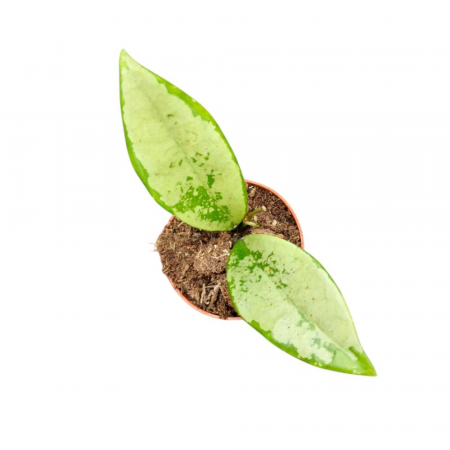
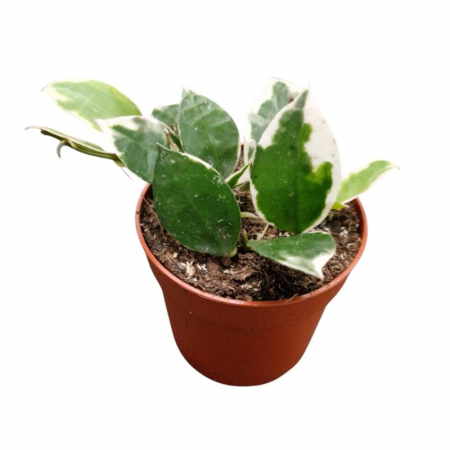
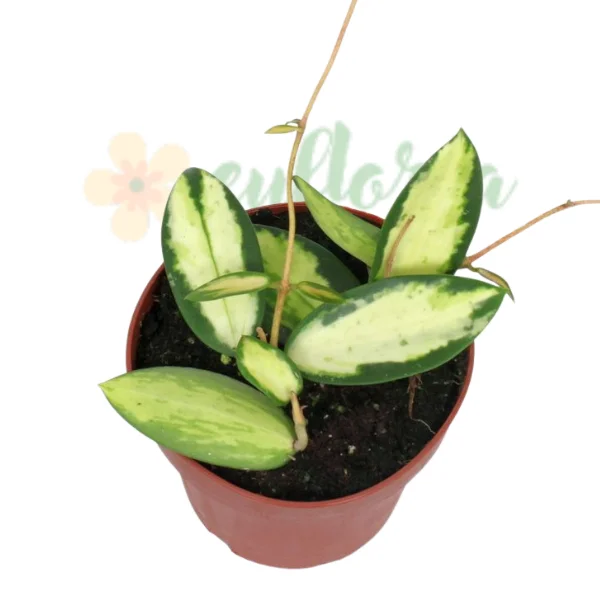
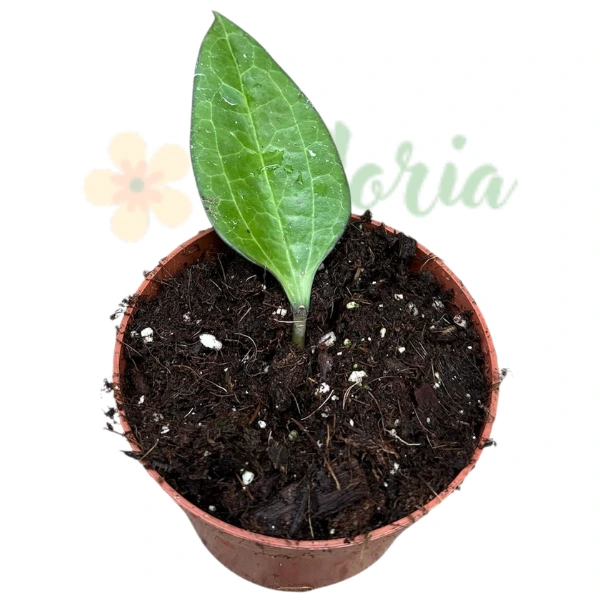
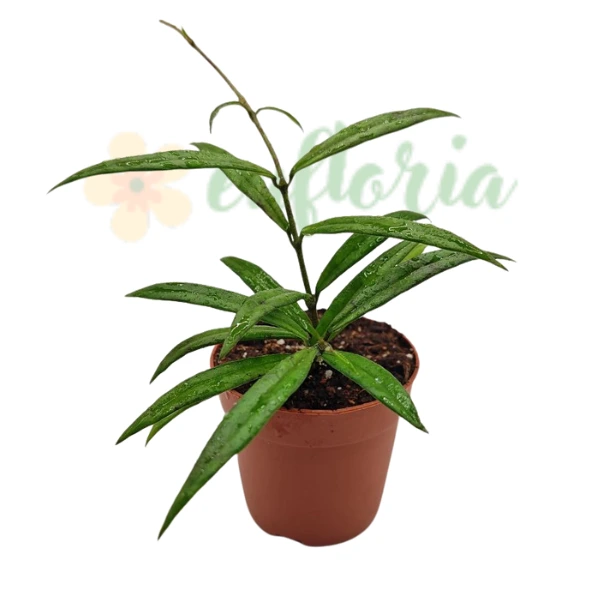
Hoya mitrata 'Silver' Ø7cm
![Hoya mitrata 'Silver Kapuas' [0]](https://gomagcdn.ro/domains2/eufloria.ro/files/product/medium/hoya-mitrata-silver-kapuas-d7-570022.webp "Hoya mitrata 'Silver Kapuas' [0]")
![Hoya mitrata 'Silver Kapuas' [1]](https://gomagcdn.ro/domains2/eufloria.ro/files/product/medium/hoya-mitrata-silver-kapuas-d7-188280.webp "Hoya mitrata 'Silver Kapuas' [1]")
![Hoya mitrata 'Silver Kapuas' [2]](https://gomagcdn.ro/domains2/eufloria.ro/files/product/medium/hoya-mitrata-silver-kapuas-d7-967626.webp "Hoya mitrata 'Silver Kapuas' [2]")
![Hoya mitrata 'Silver Kapuas' [1]](https://gomagcdn.ro/domains2/eufloria.ro/files/product/original/hoya-mitrata-silver-kapuas-d7-570022.webp "Hoya mitrata 'Silver Kapuas' [1]")
![Hoya mitrata 'Silver Kapuas' [2]](https://gomagcdn.ro/domains2/eufloria.ro/files/product/original/hoya-mitrata-silver-kapuas-d7-188280.webp "Hoya mitrata 'Silver Kapuas' [2]")
![Hoya mitrata 'Silver Kapuas' [3]](https://gomagcdn.ro/domains2/eufloria.ro/files/product/original/hoya-mitrata-silver-kapuas-d7-967626.webp "Hoya mitrata 'Silver Kapuas' [3]")
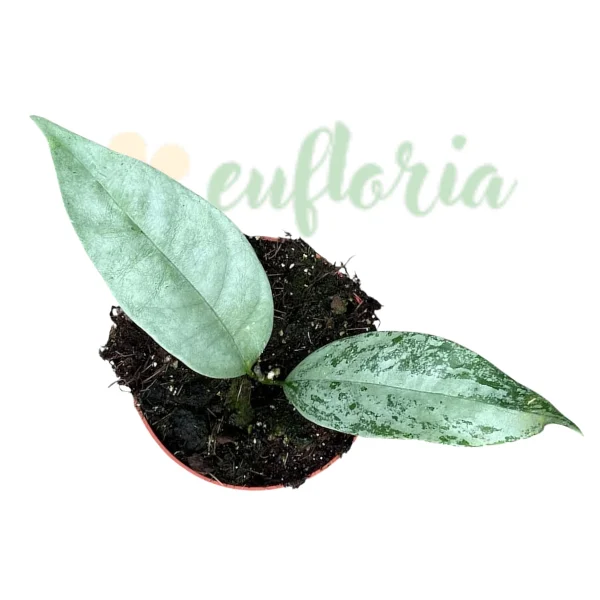
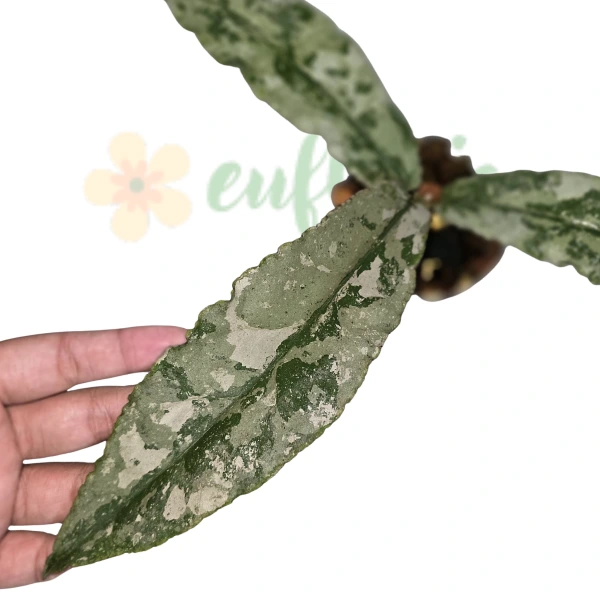
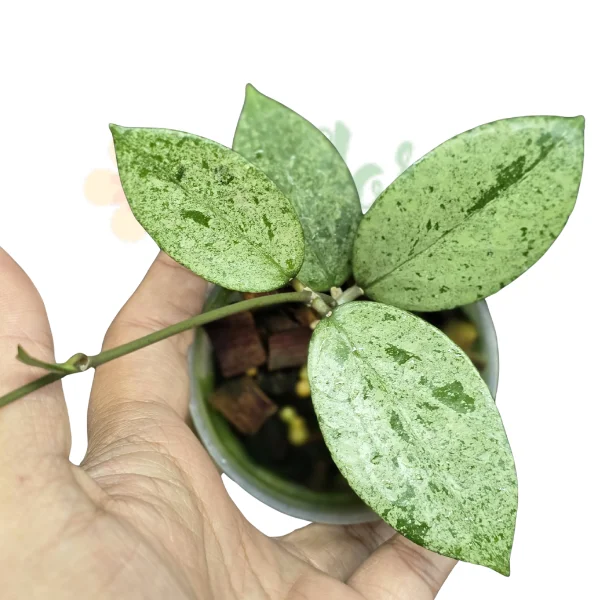
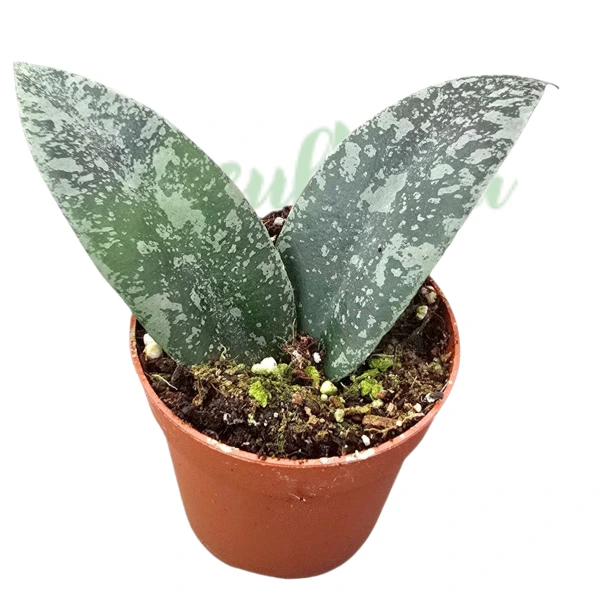
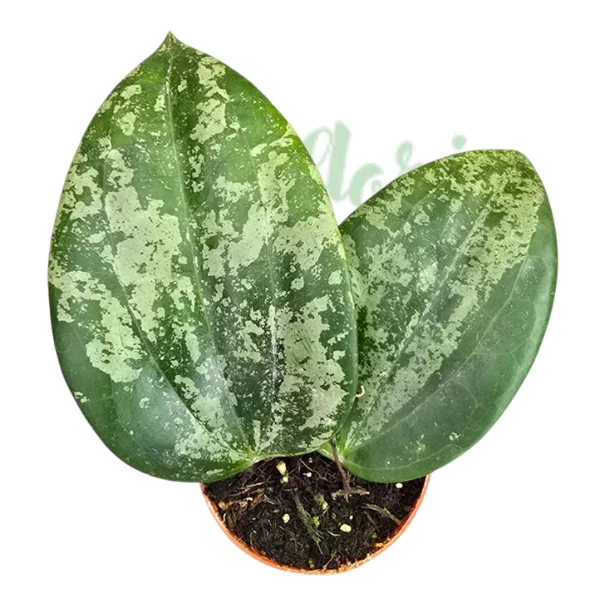
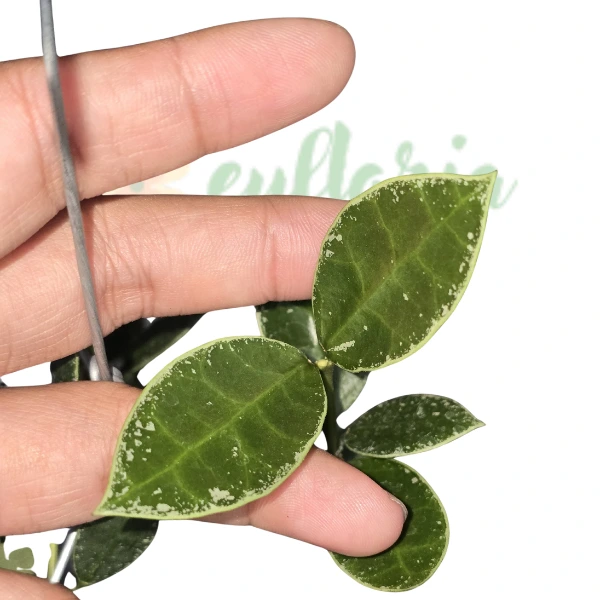
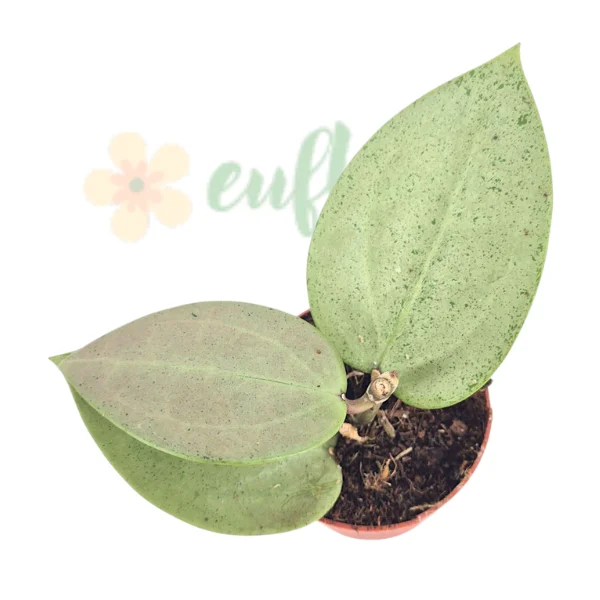
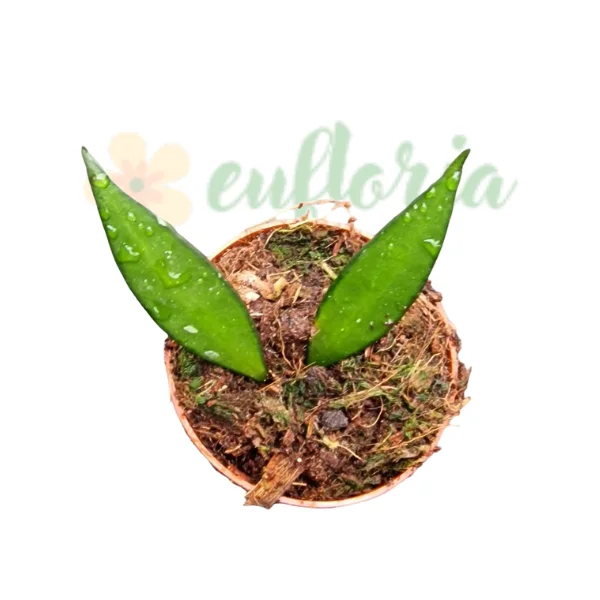
Hoya mitrata 'Silver' — A dramatic, slow-growing Bornean species with large, prehistoric-looking leaves covered in metallic silver splash. Forms distinctive concave leaf clusters that shelter ants in nature — a true myrmecophyte. Produces unusual crown-shaped flowers with white petals and red-centred corona, releasing a sweet, intoxicating fragrance. Sensitive to overwatering but easy once understood. A rewarding challenge for collectors. Non-toxic to pets!
Approx height (including pot): 8 cm
Flowering state: No flowers
Country of origin: Netherlands
- Description
- Characteristics
- Reviews (0)
- FAQ
🦎 A Prehistoric Beauty with Shimmering Silver Armour
Hoya mitrata 'Silver' is a rare and visually arresting form of one of the most unusual species in the Hoya genus. Where many Hoyas charm with delicate vines and dainty leaves, Hoya mitrata makes a statement — its large, thick, concave leaves have a prehistoric quality that immediately catches the eye. The Silver form takes this dramatic foliage and overlays it with generous splashes of metallic silver, creating a plant that looks almost armoured, as if dressed for battle in the ancient rainforests of Borneo. Add to this the species' fascinating symbiotic relationship with ants, its unusual crown-shaped flowers, and a sweet fragrance that Vermont Hoyas describes as "quite intoxicating," and you have a collector's specimen that rewards patience with genuine wonder.
🌏 Origins & Botanical History
The species Hoya mitrata was described by A.F.G. Kerr in 1940, published in Hooker's Icones Plantarum. The species name mitrata derives from the Latin word for "mitre" or "crown," referring to the distinctive crown-like shape of the flowers. It is native to a broad range across Southeast Asia — Thailand, Malaysia, Indonesia (particularly Borneo/Kalimantan and Sumatra), and New Guinea — where it grows as an epiphytic or lithophytic vine in humid tropical forests. Hoya mitrata is closely related to Hoya darwinii, sharing the remarkable adaptation of forming modified leaves that create sheltered spaces for ant colonies — a true myrmecophyte (ant-plant). In nature, black ants build nests within the plant's clustered, cabbage-shaped leaf formations, and in return provide the plant with nutrients and protection. The Silver form originated from collections in Borneo (Kalimantan), where several locality forms with pronounced silver markings have been discovered and brought into cultivation.
🍃 Foliage — Dramatic, Dimorphic & Silver-Splashed
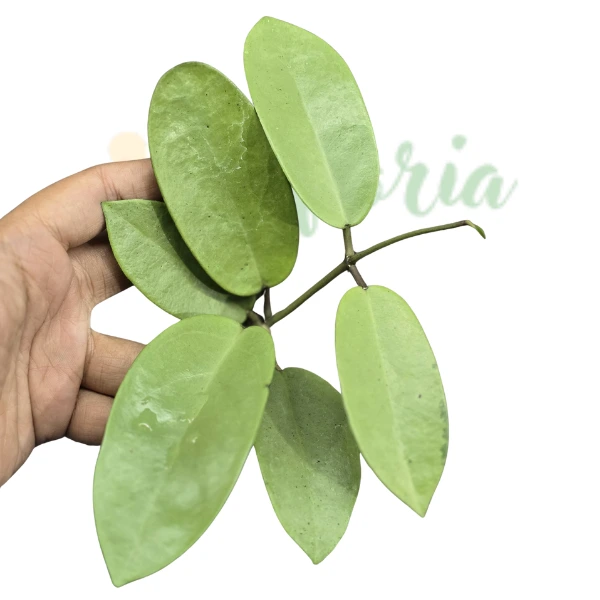
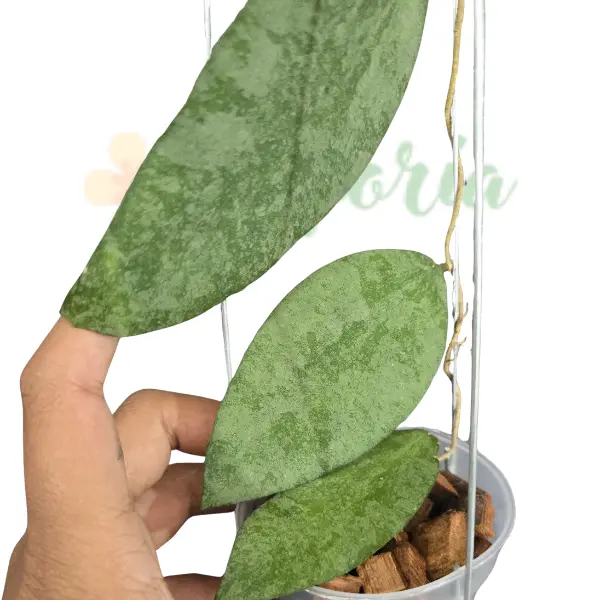
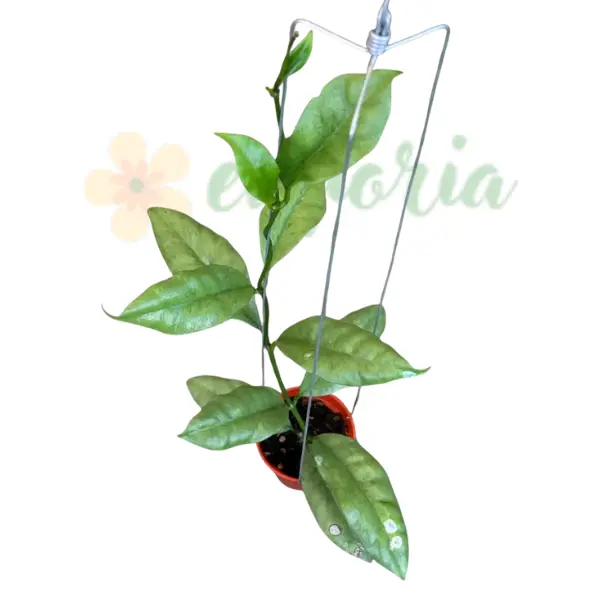
The leaves of Hoya mitrata are remarkable and unlike most other Hoyas. The species produces dimorphic foliage — two distinctly different leaf forms on the same plant. Normal paired leaves along the stems are oval to lanceolate, measuring 12-16 cm long and 6-10 cm wide, thick and leathery with a pronounced prehistoric appearance. But the truly distinctive feature is the formation of clustered, concave, boat-shaped leaves that curve downward against the stem, creating protected cavities — the "ant hotels" that give this species its ecological significance. Vermont Hoyas describes the leaves as "prehistoric looking with lots of silver splashing and blemishes." The Silver form is distinguished by generous metallic silver markings scattered across the leaf surface, creating a frosted, almost otherworldly appearance. The underside of the leaves (abaxial surface) often shows purple speckling, adding another dimension of visual interest. In bright light, the silver contrast is striking; the leaves may also develop sun-stress colouration ranging from bronze to deep burgundy.
🌸 Flowers — Crown-Shaped & Sweetly Fragrant
The flowers of Hoya mitrata are distinctive and unusual. They are reflexed (petals curve backward), upright, and measure approximately 2.5-3 cm across — relatively large for the genus. The corolla is ivory-cream to white, often with yellowish-brown tips that give the flowers an appearance some growers describe as "tooth-like." The corona (central structure) is white with a striking red centre, creating an eye-catching contrast. Flowers appear in umbels of up to 15-20 blooms on persistent peduncles. Tropics@Home notes the flowers are "crown-like (hence the name mitrata)." The fragrance is gentle and sweet — Vermont Hoyas reports that "when confined to a small humid grow tent, the smell of the blooms is quite intoxicating." Flowers typically appear in autumn on mature plants and last approximately 5-7 days per umbel. As with all Hoyas, never remove the peduncles after flowering, as the plant will rebloom from the same spurs.
🌿 Growth Habit & Development
Growth habit is scrambling to climbing. Stems are relatively thick and sturdy compared to many Hoyas, producing clusters of leaves interspersed with normal paired foliage. This species is a slow grower — patience is required, and it operates on its own timeline. MyHoyas.com confirms the species is "rather easy to grow, but it doesn't grow too fast so it's easy to keep on a smaller support." Under cultivation, vines can eventually reach 1.5-2 metres with proper support. The plant is well-suited to mounting on cork or driftwood, training on a trellis or hoop, or growing in a hanging basket. Cuttings are slow to establish — they may take considerable time before producing new roots and shoots. Vermont Hoyas shares an illuminating experience: their cutting sat for nearly a year doing "absolutely nothing" before suddenly producing peduncles and flowering. This is a plant that rewards patience.
Care Requirements:
- Light: Bright, indirect light is ideal and enhances the silver colouration. The silver markings are most vibrant under good lighting conditions. Tolerates some direct morning or late afternoon sun, which can bring out bronze or burgundy sun-stress tones in the foliage — a desirable feature for many collectors. Avoid harsh midday sun, which may scorch the leaves. In low light, the silver contrast fades and growth slows significantly. Hoya Store Australia notes this species "prefers bright indirect light" and "loves heat."
- Water: This is critical — Hoya mitrata is notably sensitive to overwatering. Vermont Hoyas learned through experience: "every time I watered the plant, a leaf would yellow and fall off. I finally got the point that this plant does not want to be over watered." Allow 70-80% of the substrate to dry between waterings, then water thoroughly and ensure complete drainage. The thick, fleshy leaves store moisture well and can handle dry periods far better than soggy roots. Reduce watering significantly in winter. When in doubt, underwater rather than overwater — this species handles drought far better than wet feet.
- Soil: Chunky, fast-draining, highly aerated substrate is essential — this is non-negotiable for Hoya mitrata. Tropics@Home specifically recommends orchid mix. A blend of orchid bark, perlite, pumice, and minimal organic matter provides excellent drainage and root aeration. Avoid dense, moisture-retentive soils. Some growers find success with semi-hydroponics (LECA) once the plant is established, as it provides consistent aeration. Vermont Hoyas found success using hydroton (expanded clay) with the reservoir eliminated to prevent soggy conditions.
- Temperature: 21-35°C is the ideal range — this is a warm-growing species that loves heat. Hoya Store Australia describes it as a "warm hoya: best suited to warm temperatures between 21-35°C." Avoid temperatures below 10°C, which can cause damage or dormancy. Protect from cold drafts and sudden temperature fluctuations. Consistent warmth encourages growth and supports flowering.
- Humidity: 60-80% humidity produces the best growth and most vibrant silver expression. This tropical species appreciates high humidity. However, good air circulation is essential — stagnant, humid conditions can invite fungal issues. Avoid direct misting of leaves; ambient humidity from a humidifier is preferable. Average household humidity (40-50%) is tolerated but may result in slower growth.
- Feeding: Light feeding only. Apply a balanced liquid fertilizer at half-strength monthly during the growing season (spring-summer). This is a slow grower that processes nutrients gradually — do not overfeed. Stop fertilizing in autumn and winter. Some growers use orchid fertilizer or a low-nitrogen formula to encourage flowering on mature plants.
Botanical Info: Family: Apocynaceae (subfamily Asclepiadoideae) | Genus: Hoya | Species: Hoya mitrata Kerr (1940) | Form: 'Silver' (silver-splashed foliage selection from Borneo) | Synonyms: Hoya darwinii Loher (misapplied in some sources), Hoya wallichiana Decne. (rejected name) | Related Trade Names: Hoya sp. Buntok Silver, Hoya mitrata 'Silver Kapuas', Hoya mitrata 'Buntok Silver' | Common Names: Crown Hoya, Mitre Wax Plant | Type: Epiphytic/Lithophytic Climbing Vine (Myrmecophyte) | Native Range: Thailand, Malaysia, Indonesia (Borneo, Sumatra), New Guinea | Zone: USDA 10-12 (indoor cultivation in temperate climates) | Flowering: Reflexed, crown-shaped, ivory-white corolla with red-centred corona, up to 15-20 per umbel, gently sweet fragrance, autumn (on mature plants), 5-7 days per umbel | Growth Rate: Slow
Lungime: 10 cm
Greutate (kg): 0.25 Kg
Denumire: Hoya
Diametru: 7 cm
Cerințe lumină: Partial umbra
Tip plantă: Decorative
Utilizare: Interior
Tip suport: Ghiveci
Material Suport: Plastic
Can I choose the exact plant I order?
Does it have flowers?
Check the "Flowering stage" for each product to see whether the plant is:
- Without flowers (typical for young plants and cuttings)
- With formed peduncles (rare)
- With flowers (very rare on young specimens)
When Hoya mitrata does flower, the blooms are truly unique – resembling tiny teeth with white corollas that have yellowish-brown tips and white coronas with red centers. The flowers have a soft, sweet fragrance and typically appear in autumn on mature plants. The blooms can last 5-7 days under stable conditions.
After the flowers fade, do not cut the peduncles, as they can produce new inflorescences in subsequent flowering seasons.
Blooming period
- Flowering typically occurs only on mature plants (2-3+ years old)
- When it blooms, it's typically in autumn (September-November)
- Requires optimal light, temperature, and humidity conditions
Flower description
- Unique tooth-like appearance
- White corolla with yellowish-brown tips
- White corona with red center
- Flower buds heavily spotted/speckled
- Among the most distinctive flowers in the hoya genus
Fragrance of the flowers
- Soft, sweet fragrance
- Pleasant and subtle, not overpowering
- Most noticeable during evening hours
Why do my leaves have purple spots underneath?
How do I maintain the intense silver coating?
1. Bright indirect light (insufficient light can reduce silver intensity)
2. Proper watering (overwatering can damage foliage quality)
3. Good air circulation
4. Avoiding leaf damage (the silver coating is a natural surface characteristic)
5. Stable growing conditions without frequent environmental changes
My plant seems to grow slowly – is this normal?
1. Adequate warmth (28-30°C is ideal for faster growth)
2. High humidity (70-75%)
3. Consistent care without overwatering
4. Bright light exposure
5. Proper fertilization during growing season
Once established, growth will accelerate.
Can I propagate this hoya easily?
1. It's somewhat more challenging than common hoyas
2. Rooting can take several weeks to months
3. High humidity helps during rooting
4. Bottom heat (heat mat) can improve success
5. Be patient – this species roots more slowly than H. carnosa varieties
To encourage growth and eventual blooming of Hoya mitrata 'Silver Kapuas':
1. **Bright indirect light** – Essential for silver coating and growth
2. **Careful watering** – Allow to dry between waterings; avoid overwatering
3. **High humidity** – 70-75% promotes vigorous growth
4. **Warmth** – Maintain 28-30°C for optimal growth rate
5. **Well-draining substrate** – Prevents root rot
6. **Appropriate fertilizer** – Balanced fertilizer during growth, phosphorus-rich when mature
7. **Stable environment** – Avoid frequent moving once established
8. **Patience with maturity** – Flowering requires 2-3+ years of growth
9. **Don't disturb roots excessively** – Repot only when necessary
10. **Good air circulation** – Prevents fungal issues while maintaining humidity
Is it toxic for pets or children?
- For humans: skin or eye irritation, especially in sensitive individuals; if ingested, it may cause nausea, vomiting, or digestive discomfort.
- For pets (cats, dogs, rabbits, etc.): excessive salivation, oral irritation, mild vomiting, or temporary loss of appetite – symptoms are usually mild but unpleasant.
Although not considered "highly toxic", it belongs to the category of ornamental plants with irritating latex.
It is recommended to:
- avoid handling with bare hands if you are sensitive to the sap,
- keep the plant away from children and pets,
- wash your hands immediately after cutting or propagating.
Where should I place it indoors?
Why does my Hoya mitrata 'Silver' keep losing leaves?
Leaf yellowing and drop in Hoya mitrata is almost always caused by overwatering. This species is notably more sensitive to wet conditions than most other Hoyas. Vermont Hoyas learned through direct experience: "every time I watered the plant, a leaf would yellow and fall off." The solution is simple but requires discipline: allow 70-80% of the substrate to dry between waterings, use a very chunky, fast-draining mix (orchid bark works well), and ensure the pot has excellent drainage with no standing water. Vermont Hoyas found success by eliminating any water reservoir and using hydroton. Remember: this species handles drought far better than wet roots. When in doubt, don't water.
How long does Hoya mitrata 'Silver' take to flower?
Patience is essential with this species. Hoya mitrata is a slow grower that operates on its own timeline. Vermont Hoyas shares an illuminating experience: their cutting sat for nearly a year doing "absolutely nothing" before suddenly producing two peduncles and flowering — without ever growing a new leaf first. Flowering typically occurs in autumn on mature, well-established plants. To encourage blooming: provide bright indirect light and warm temperatures (21-35°C); keep the plant slightly root-bound; maintain consistent care without major environmental changes; and never remove old flower stalks (peduncles) as the plant will rebloom from the same spurs. Even with optimal care, this is not a species that flowers quickly or easily — but when it does, the unusual crown-shaped blooms with their sweet fragrance make the wait worthwhile.
What is the difference between Hoya mitrata 'Silver', 'Buntok Silver', and 'Silver Kapuas'?
This is a common source of confusion among collectors. All three names refer to silver-splashed forms of Hoya mitrata originating from different localities in Borneo (Kalimantan, Indonesia). 'Buntok Silver' (also written as 'sp. Buntok Silver') comes from the Buntok area in Central Kalimantan — Chicago Hoyas confirms this was "formerly known as Hoya sp. Buntok Silver — now identified as Hoya mitrata (Silver)." 'Silver Kapuas' or 'Silver Kapuas Hulu' originates from the Kapuas Hulu region in West Kalimantan. These are locality forms rather than formally registered cultivars. The differences between them are subtle — potentially variations in silver intensity, leaf shape, or abaxial (underside) colouration. In practice, all are beautiful silver-splashed forms of Hoya mitrata with identical care requirements. When purchasing, focus on the actual appearance of the plant rather than the specific locality name.
Why does Hoya mitrata form those unusual clustered leaves?
The clustered, concave, boat-shaped leaves of Hoya mitrata are a remarkable evolutionary adaptation for symbiosis with ants — a relationship called myrmecophyly. In nature, these modified leaves curve downward against the stem, creating protected cavities that black ants use as nesting sites. The ants benefit from shelter; the plant benefits from nutrients (from ant waste and debris) and protection from herbivores. This relationship has been extensively documented in scientific literature. Hoya mitrata shares this adaptation with the closely related Hoya darwinii. In cultivation, without ants present, the plant still produces these distinctive leaf formations — they are genetically programmed regardless of whether ants are present. The clustered leaves give the plant its unique "cabbage-shaped" appearance and prehistoric aesthetic that collectors find so appealing.
Is Hoya mitrata 'Silver' difficult to grow?
The honest answer is: easy to keep alive once you understand it, but slow and occasionally frustrating. MyHoyas.com describes the species as "rather easy to grow, but it doesn't grow too fast." The key care principles are straightforward but must be respected absolutely: excellent drainage with very chunky, fast-draining substrate (this species hates wet feet); bright indirect light for silver expression and potential sun-stress colouration; allow the substrate to dry substantially (70-80%) between waterings; maintain warm temperatures (21-35°C); and provide ambient humidity with good air circulation. The main challenges are patience (it grows slowly and may sit dormant for extended periods) and resisting the urge to overwater. Vermont Hoyas notes they "rotted the roots off within four months" before learning to water less frequently. Once you accept its pace and respect its watering needs, Hoya mitrata 'Silver' is a rewarding and genuinely fascinating plant to grow.
How to care?
Bloom?
Watering?
Toxic?
Propagation?
Recommendations

Ai nevoie și de un ghiveci decorativ?