EN/
EN/ Romana
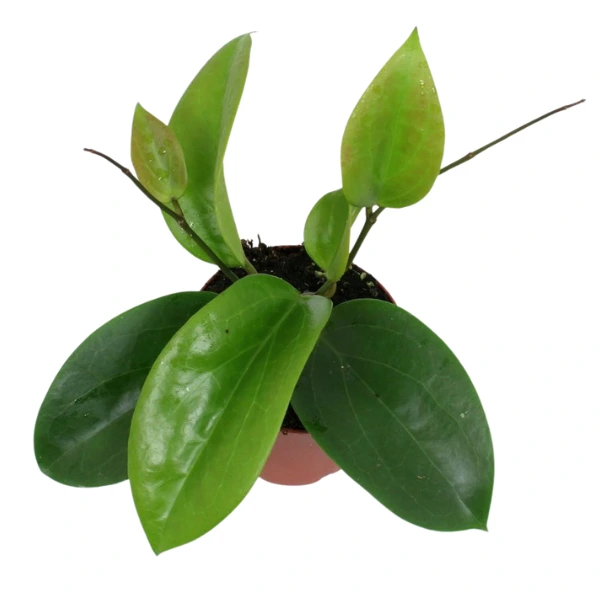
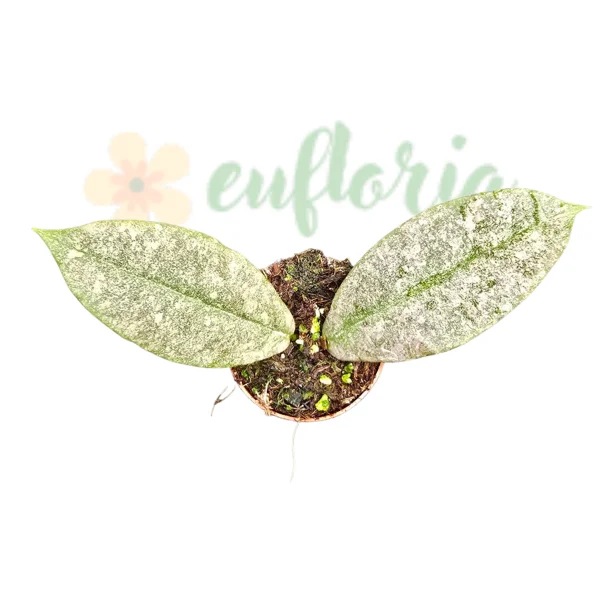
Hoya cinnamomifolia Ø10.5cm
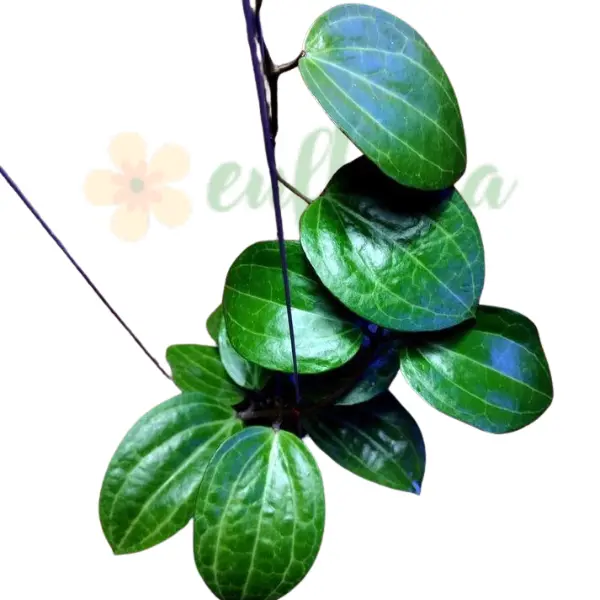
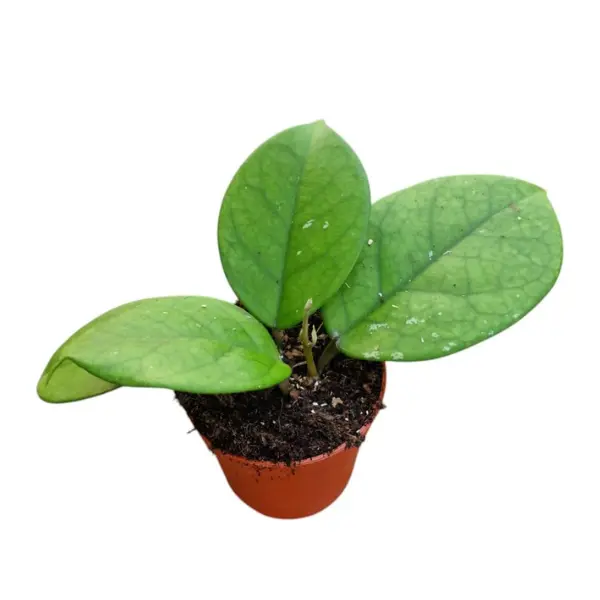
![Hoya cinnamomifolia - tropical plant with large dark green leaves and prominent venation [0]](https://gomagcdn.ro/domains2/eufloria.ro/files/product/medium/hoya-cinnamomifolia-d10-5-727088.webp "Hoya cinnamomifolia - tropical plant with large dark green leaves and prominent venation [0]")
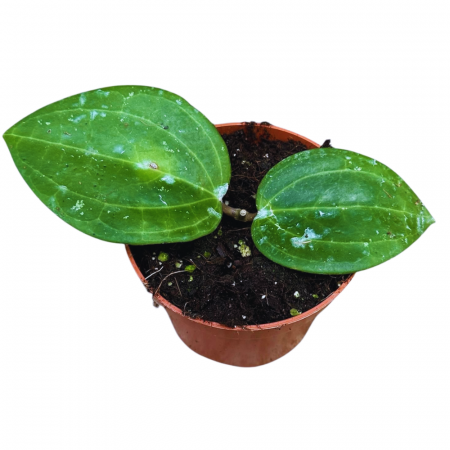
![Hoya cinnamomifolia - tropical plant with large dark green leaves and prominent venation [1]](https://gomagcdn.ro/domains2/eufloria.ro/files/product/medium/hoya-cinamomifolia-493989.webp "Hoya cinnamomifolia - tropical plant with large dark green leaves and prominent venation [1]")
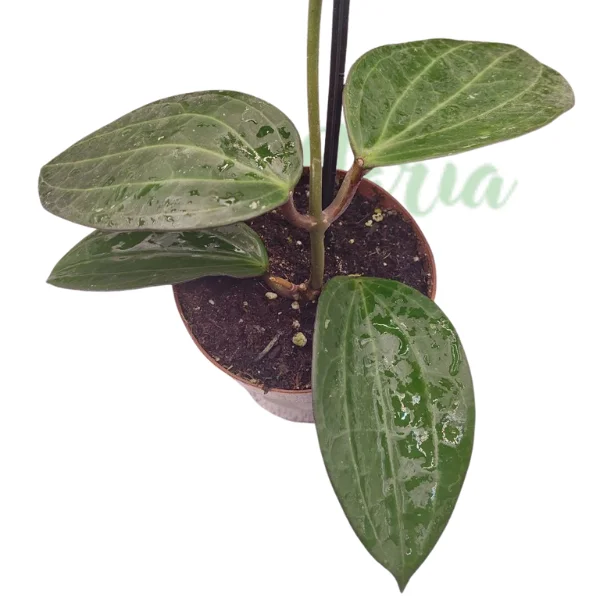
![Hoya cinnamomifolia - tropical plant with large dark green leaves and prominent venation [1]](https://gomagcdn.ro/domains2/eufloria.ro/files/product/original/hoya-cinnamomifolia-d10-5-727088.webp "Hoya cinnamomifolia - tropical plant with large dark green leaves and prominent venation [1]")
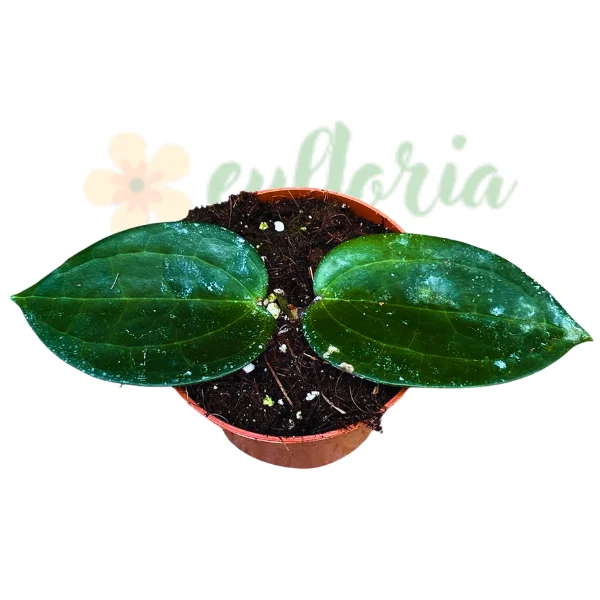
![Hoya cinnamomifolia - tropical plant with large dark green leaves and prominent venation [2]](https://gomagcdn.ro/domains2/eufloria.ro/files/product/original/hoya-cinamomifolia-493989.webp "Hoya cinnamomifolia - tropical plant with large dark green leaves and prominent venation [2]")
Hoya cinnamomifolia – A bold Javanese vine with some of the largest, most sculptural leaves in the Hoya genus. Dark green, leathery foliage with prominent parallel venation resembling true cinnamon leaves. Produces spectacular clusters of 20-30 star-shaped flowers with reflexed petals in either lime green with burgundy corona or dramatic all-purple. Vigorous climber ideal for trellises and large supports. Easy to care for. Non-toxic to pets!
Note: Product images are for guidance only. Due to different batches of imported products, there may be differences between the images on the website and the actual appearance of the products.
Approx height (including pot): 15 cm
Flowering state: No flowers
Country of origin: Netherlands
Pot diameter: 10.5 cm
- Description
- Characteristics
- Reviews (0)
- FAQ
🌿 Hoya cinnamomifolia — tropical vigour from Java
Hoya cinnamomifolia is one of the boldest and most architecturally striking species in the Hoya genus – a vigorous twining vine from the tropical forests of Java, Indonesia, first described in 1848 and illustrated in Curtis' Botanical Magazine in 1859. The species name tells you exactly what makes it special: "cinnamomifolia" means "cinnamon-leaved," because the foliage bears a remarkable resemblance to the leaves of true cinnamon (Cinnamomum verum) – the same shape, the same prominent parallel venation, the same bold, structured presence.
🌱 The Foliage
The leaves are among the largest in the Hoya genus, measuring 11-15 cm long and 4-6 cm wide. They are thick, leathery, and dark green, with five prominent parallel veins that are slightly raised and lighter in colour, creating a strongly ridged, sculptural surface. The overall effect is architectural rather than delicate – these are statement leaves with real visual weight. Some specimens develop slightly wavy or recurved leaf margins that add further textural dimension. New growth emerges smooth and somewhat glossy before maturing into its characteristic leathery finish.
🌍 Origin and Growth Habit
One important growth characteristic to understand: Hoya cinnamomifolia typically produces only one leaf per node, meaning that long sections of stem can appear bare between leaves. This is completely normal for the species and not a sign of poor health – it is simply how this Hoya naturally grows. Experienced growers note this honestly, adding that the var. purpureofusca form tends to retain its leaves somewhat better. With patience and good care, the plant gradually fills out, but it will never develop the densely packed foliage of species like Hoya carnosa. The growth habit is vigorous and twining, with slender stems that can reach up to 3 metres long, making it best suited for growing on a large trellis, moss pole, or sturdy support where it can climb and display its impressive foliage to full effect.
🌸 The Flowers
The flowers are what truly set this species apart. Two recognised varieties exist in cultivation, each with a dramatically different colour palette:
- Hoya cinnamomifolia var. cinnamomifolia – The type variety, producing flowers with a lime green corolla and a bright burgundy corona. The green and burgundy combination is genuinely unusual in the Hoya world and immediately eye-catching.
- Hoya cinnamomifolia var. purpureofusca – Previously known as Hoya purpureofusca. This variety produces flowers with a matching dark red to deep purple corolla and corona, giving an all-over deep red-purple flower. Often called the "Purple Wax Plant." The blooms carry a sweet honey scent.
In both varieties, the flowers share the same distinctive structure: star-shaped, approximately 2 cm in diameter, with corolla lobes that bend sharply backward (reflexed) and a corona that protrudes outward with a flat surface. They form in impressive umbels of 20-30 blooms – large clusters that make a real visual impact. The flowers produce a sugary nectar and bloom during late spring and summer. Individual blooms last 5-7 days (up to 10 days under ideal conditions), and like all Hoyas, the same peduncle will produce new flower clusters in subsequent seasons – never remove it after flowering.
Flowering requires patience. It can take a few years to produce their first flowers. Once established and content, however, the plant blooms reliably with good care.
🌱 Care and Development
Care Requirements:
- Light: Bright, indirect light is ideal and essential for encouraging blooming. Tolerates partial shade but may become leggy and reluctant to flower with insufficient light. Can handle some direct morning or late afternoon sun, but protect from harsh midday rays that can scorch the large leaves. East or west-facing windows work well. Grow lights are an excellent supplement, especially in northern European climates with limited winter daylight. Aim for at least 4-6 hours of bright light daily for healthy growth and flower production.
- Water: Allow the top 5-8 cm (2-3 inches) of soil to dry completely between waterings, then water thoroughly until water drains from the bottom. This species is drought-tolerant once established and handles underwatering far better than overwatering. Root rot from soggy soil is the most common cause of decline. Reduce watering significantly in autumn and winter when growth slows. Do not mist the plant when it is budding or flowering, as moisture on developing buds can cause them to drop.
- Soil: Well-draining, airy substrate is essential – this is an epiphyte that grows on tree trunks in the wild, not in dense soil. Use a mix of 2 parts cactus/succulent soil and 1 part perlite, or 1 part orchid bark + 1 part peat-free compost + 1 part coarse perlite. Adding charcoal or fir bark improves aeration further. pH range: slightly acidic to neutral (6.1-7.5). The substrate should never stay waterlogged.
- Temperature: 18-27°C (65-80°F) is the ideal range. Tolerates a broader range of 15-35°C but performs best in consistently warm conditions. Does not tolerate temperatures below 10°C (50°F) – protect from frost, cold drafts, and sudden temperature drops. Keep away from drafty windows and doorways in winter. USDA zones 11-13 for outdoor cultivation.
- Humidity: 60% and above produces the best growth and flowering. Adapts to average household humidity but truly thrives with supplemental moisture. A humidity tray, grouping with other plants, or a humidifier helps significantly, especially in dry winter conditions. Mist the leaves occasionally (not when budding/flowering) but do not leave foliage excessively wet – good air circulation is essential alongside humidity to prevent fungal issues.
- Feeding: Monthly with a balanced liquid fertilizer during spring and summer. Use a nitrogen-rich formula for foliage growth, then switch to a phosphorus-rich (high-potassium) formula approximately one month before the expected blooming period to encourage flower production. Half strength is sufficient – avoid overfeeding, as Tropics@Home specifically notes that overfeeding can alter the appearance of the beautiful leaves. Stop fertilizing in autumn and winter.
Botanical Info: Family: Apocynaceae | Genus: Hoya | Species: Hoya cinnamomifolia Hook. (1848) | Illustrated: Curtis' Botanical Magazine, Tab. 4347 (1859) | Varieties: var. cinnamomifolia (green flowers, burgundy corona), var. purpureofusca (all-purple flowers) | Common Names: Cinnamon-Leaved Wax Plant, Purple Wax Plant | Type: Epiphytic Twining Vine | Origin: Java, Indonesia | Zone: USDA 11-13 (indoor cultivation in temperate climates) | Flowering: Star-shaped, reflexed, 2 cm, 20-30 per umbel, lime green + burgundy or all-purple, late spring/summer | Growth Rate: Moderate to vigorous (vine), slow to establish from cuttings
Lungime: 10 cm
Greutate (kg): 0.5 Kg
Denumire: Hoya
Diametru: 10.5 cm
Cerințe lumină: Partial umbra
Tip plantă: Decorative
Utilizare: Interior
Tip suport: Ghiveci
Material Suport: Plastic
What should I do if the plant arrives damaged?
In the unfortunate event that one or more plants, or the package, arrive damaged, please contact us and we will solve the situation together.
We assure you of our full cooperation.
Can I choose the exact plant I order?
Does it have flowers?
Check the "Flowering stage" for each product to see whether the plant is:
- Without flowers
- With formed peduncles
- With flowers
Hoya cinnamomifolia flowers typically last between 7 and 10 days after opening, depending on environmental conditions (stable temperature and no drafts extend bloom duration).
After the flowers fade, do not cut the peduncles, as they can produce new inflorescences in subsequent seasons.
Blooming period
- Under ideal light and temperature conditions, Hoya cinnamomifolia typically blooms in late spring and summer (May–August).
- In indoor environments with adequate light and humidity, flowering can be encouraged year-round.
- The plant may take 1-2 years after rooting to reach flowering maturity.
Flower description
- The flowers are star-shaped, rotate with revolute lobes (bent backward), approximately 2 cm diameter.
- Corolla is lime green to pale yellow-green.
- Corona is bright burgundy to maroon red, protruding with a flat surface.
- Creates a dramatic chromatic contrast between corolla and corona.
- Forms spectacular umbels of 20-30 individual flowers.
- Produces sweet, sugary nectar.
Fragrance of the flowers
- The flowers have a sweet, pleasant fragrance that intensifies at night, typical of many night-pollinated Hoya species.
Why is Hoya cinnamomifolia so special?
1. **Historic species** – one of the earliest Hoyas described scientifically (1848)
2. **Named after cinnamon** – leaves resemble those of Cinnamomum verum (true cinnamon)
3. **Large sculptural leaves** – among the largest in the Hoya genus (11-15 cm)
4. **Spectacular floral display** – clusters of 20-30 bicolor flowers
5. **Dramatic chromatic contrast** – lime green corolla with burgundy corona
6. **Sweet nocturnal fragrance** – intensifies at night
7. **Vigorous growth** – can reach up to 3 meters, perfect for large supports
8. **Excellent air purifier** – removes pollutants from indoor air
9. **Two botanical varieties** – var. cinnamomifolia and var. purpureofusca
What does the name "cinnamomifolia" mean?
Where should I place it indoors for flowering?
- Prefers to be kept in the same location year-round (doesn't like to be moved frequently)
- Needs bright light for optimal growth and prolific flowering
- Is perfect for large supports, trellises, or hanging baskets where it can climb vigorously
- Benefits from high humidity (above 60%) and good air circulation
- Appreciates stable temperatures without cold drafts
Is it difficult to care for?
- Moderate difficulty – suitable for collectors with some Hoya experience
- The main challenge is avoiding overwatering (root rot is the primary risk)
- Prefers very well-draining and airy substrate (epiphytic mix)
- Needs bright light and high humidity for optimal growth
- Can be somewhat slow to establish, but once mature grows vigorously
- May take 1-2 years to reach flowering maturity
- Some growers report it can be "fussy" and may drop leaves if conditions aren't ideal
- Once established and happy, produces spectacular floral displays
What makes the flowers special?
- Produced in large umbels of 20-30 flowers (one of the highest flower counts in the genus)
- Dramatic bicolor effect: lime green corolla contrasting with burgundy corona
- Relatively large size (2 cm diameter)
- Sweet fragrance that intensifies at night
- Star-shaped with revolute corolla lobes creating an elegant appearance
- Produces sweet, sugary nectar attractive to pollinators
- The chromatic contrast is unique and striking
- Creates a spectacular visual impact when in full bloom
Why is it called "Purple Wax Plant"?
- The bright burgundy/maroon/purple corona of its flowers
- The waxy texture typical of all Hoya flowers
- The glossy, slightly waxy appearance of its leaves
- This common name helps distinguish it from other Hoyas in casual conversation
How does it differ from other Hoyas?
- Has some of the largest leaves in the genus (11-15 cm)
- Produces one of the highest flower counts per umbel (20-30 flowers)
- Features unique cinnamon-like leaf venation
- Has vigorous, fast climbing growth compared to many compact Hoyas
- Offers dramatic bicolor flowers rather than uniform coloring
- Native exclusively to Java, Indonesia
- One of the earliest scientifically described species (1848)
What are the air-purifying properties?
- Removes volatile organic compounds (VOCs) from indoor air
- Helps filter pollutants common in homes (formaldehyde, benzene, etc.)
- Performs photosynthesis and releases oxygen
- The large leaf surface area enhances its air-purifying capacity
- Makes it a functional ornamental plant (beauty + air quality improvement)
- Particularly beneficial for indoor environments with limited air circulation
Recommendations
Ai nevoie și de un ghiveci decorativ?