EN/
EN/ Romana
Hoya lacunosa 'Amarillo' D6
![Hoya lacunosa 'Amarillo' [0]](https://gomagcdn.ro/domains2/eufloria.ro/files/product/medium/hoya-lacunosa-amarillo-d6-068597.webp "Hoya lacunosa 'Amarillo' [0]")
![Hoya lacunosa 'Amarillo' [1]](https://gomagcdn.ro/domains2/eufloria.ro/files/product/medium/hoya-lacunosa-aceh-red-leaf-copie-482611.webp "Hoya lacunosa 'Amarillo' [1]")
![Hoya lacunosa 'Amarillo' [1]](https://gomagcdn.ro/domains2/eufloria.ro/files/product/original/hoya-lacunosa-amarillo-d6-068597.webp "Hoya lacunosa 'Amarillo' [1]")
![Hoya lacunosa 'Amarillo' [2]](https://gomagcdn.ro/domains2/eufloria.ro/files/product/original/hoya-lacunosa-aceh-red-leaf-copie-482611.webp "Hoya lacunosa 'Amarillo' [2]")
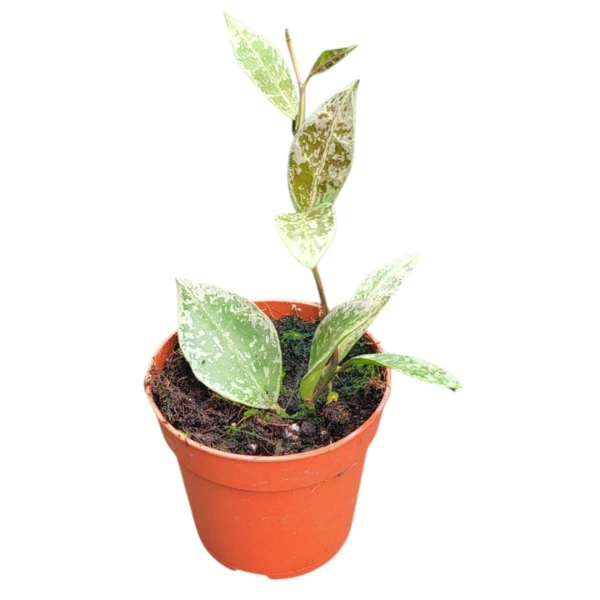
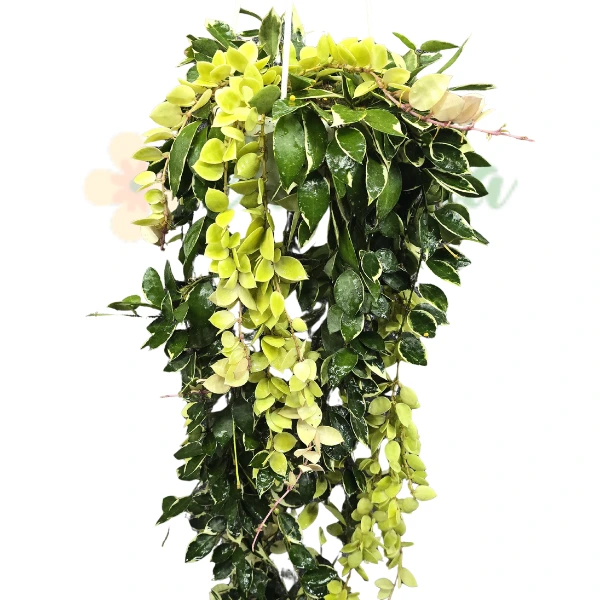
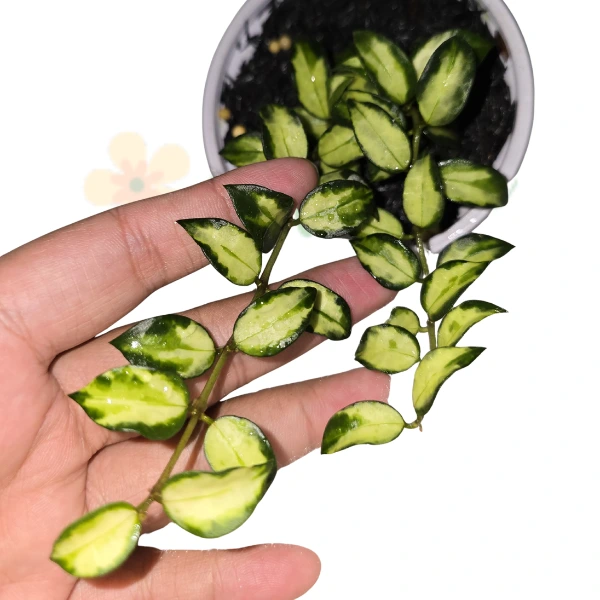
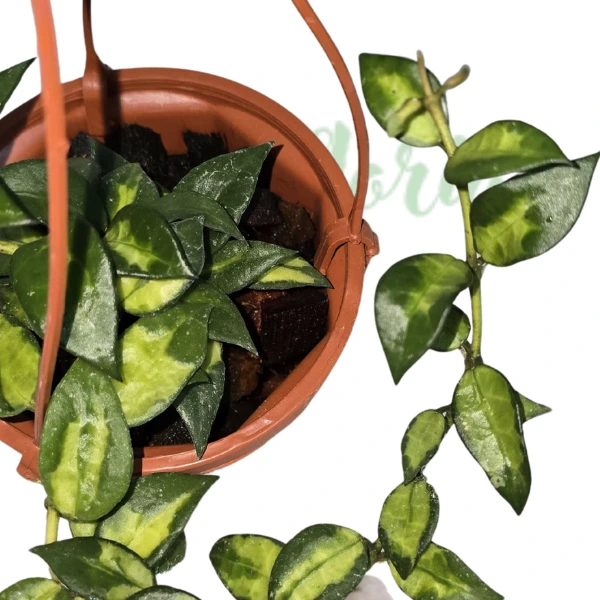
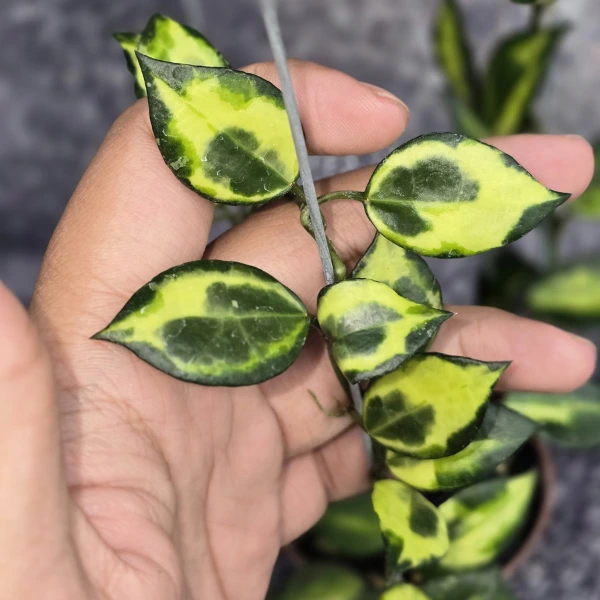
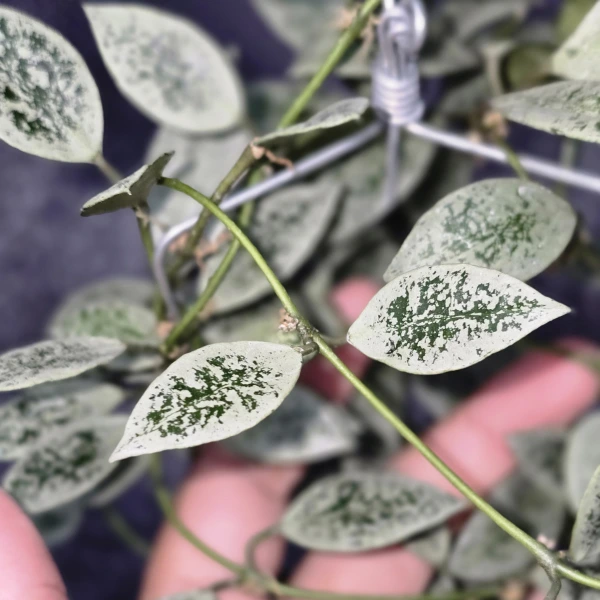
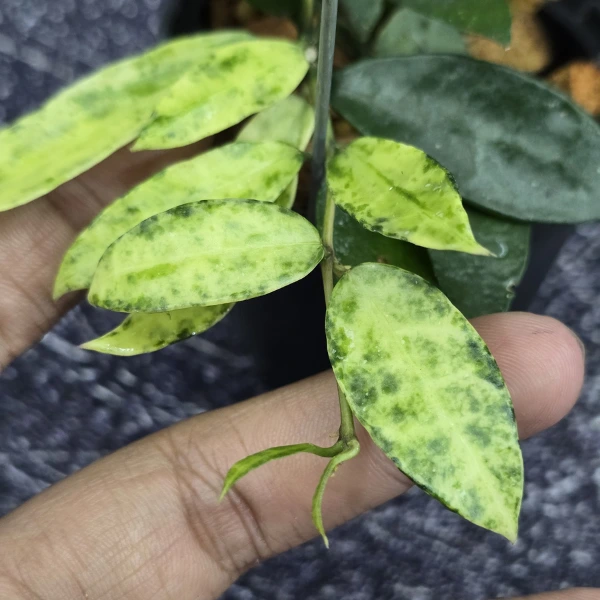
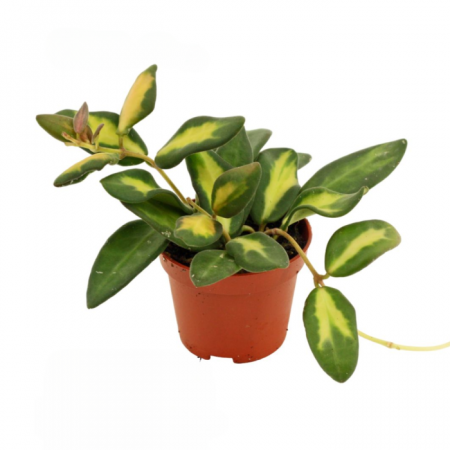
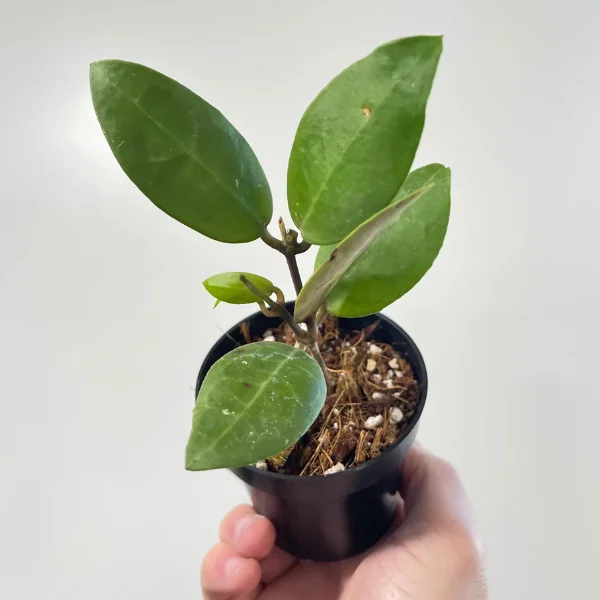
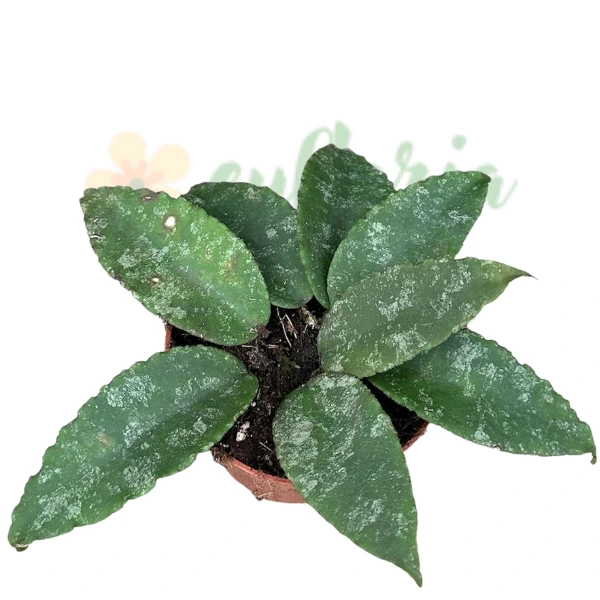
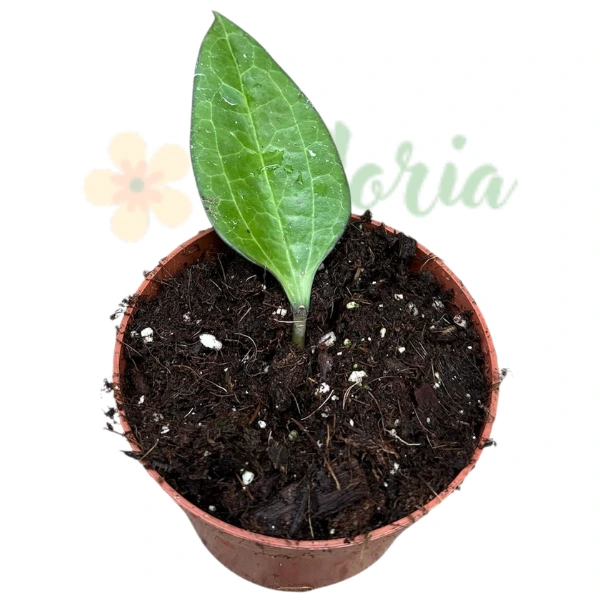
Hoya lacunosa 'Amarillo' – The yellow-variegated form of the famous Cinnamon Hoya! Small, stiff, furrowed leaves with bright yellow variegation that's most vivid on new growth in bright light. Produces generous clusters of fuzzy white-cream flowers with an INCREDIBLE cinnamon fragrance that fills entire rooms at night. One of the easiest, most reliable bloomers in the Hoya genus – can flower just 3 months from cutting! Perfect for beginners. Pet-safe (ASPCA confirmed).
Approx height (including pot): 8 cm
Flowering state: No flowers
Country of origin: Netherlands
- Description
- Characteristics
- Reviews (0)
- FAQ
Hoya lacunosa 'Amarillo' is the yellow-variegated form of what many experienced collectors consider the single most rewarding Hoya species in cultivation. The parent species, Hoya lacunosa, is already legendary: compact, prolific, beginner-friendly, and the producer of one of the most intoxicating fragrances in the entire plant kingdom – a rich cinnamon scent that fills rooms at night and has earned it the common name "Cinnamon Hoya." The 'Amarillo' cultivar takes this already exceptional plant and adds striking yellow variegation that transforms the foliage into something altogether more dynamic and visually complex.
Hoya lacunosa was first described by the Dutch-German botanist Carl Ludwig Blume in 1826, published in Bijdragen tot de Flora van Nederlandsch Indië (Contributions to the Flora of the Dutch East Indies), page 1063. According to the Royal Botanic Gardens, Kew (Plants of the World Online), the native range is Thailand to western and central Malesia, where it grows as a climbing epiphyte or lithophyte in the wet tropical biome. Wikipedia extends the documented range through Borneo, Java, Sumatra, and the Philippines. The species name lacunosa comes from the Latin lacuna meaning "pit" or "hollow," referring to the characteristic leaf surface where the areas between the veins are slightly sunken (lacunose) – creating a subtle textured, furrowed appearance that is unique to this species. Its earliest documented conservatory cultivation was at the Royal Botanic Gardens, Kew, where it served as the basis for an illustration (t. 4826) in Curtis's Botanical Magazine under the common name "Furrowed Hoya." The 'Amarillo' cultivar name comes from the Spanish word for "yellow," referencing the distinctive yellow variegation on the foliage.
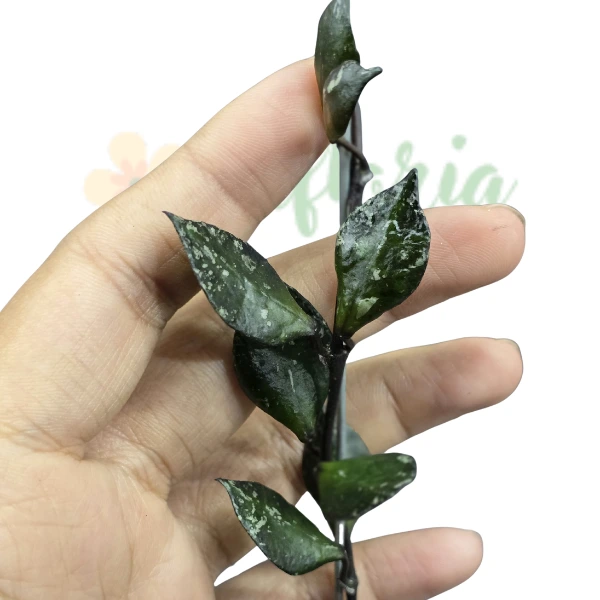
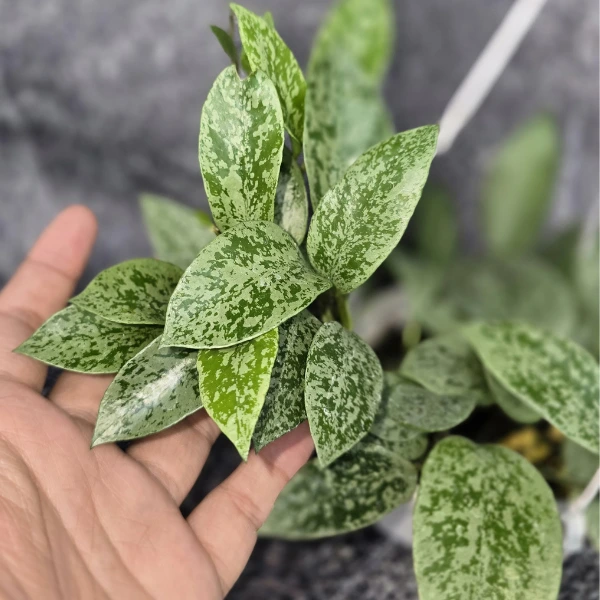
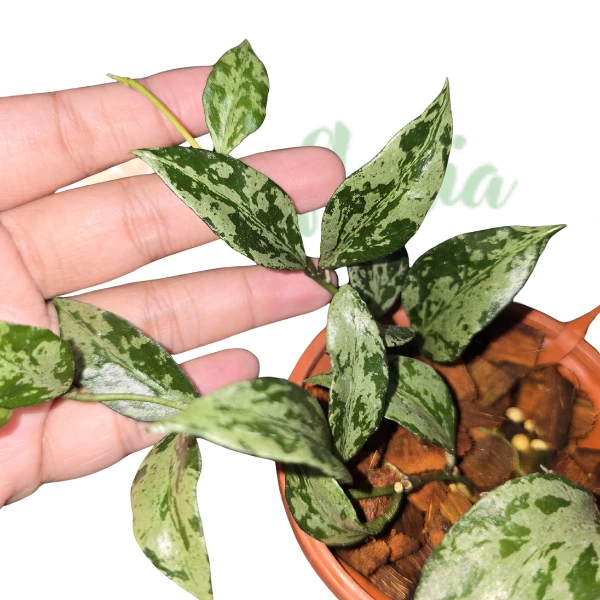
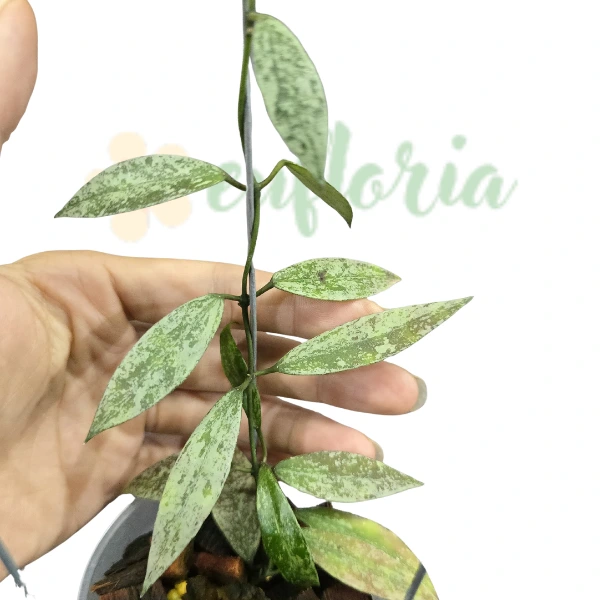
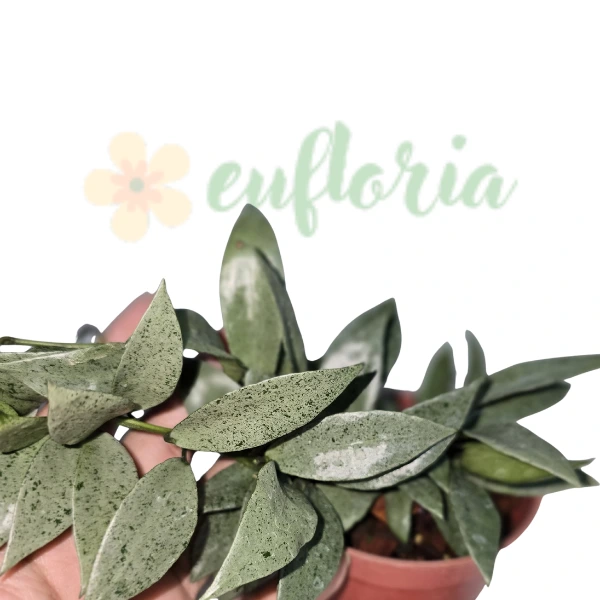
The foliage of 'Amarillo' is where this cultivar distinguishes itself from the standard species. The base plant produces small, ovate to lanceolate leaves measuring 3-6 cm long and 1.5-2.5 cm wide, set closely along thin, wiry stems. The leaves are opposite, coriaceous (leathery) and fleshy, with a shining surface. In the standard species, the leaves are uniformly dark green. In 'Amarillo,' the dark green base is adorned with splotchy yellow variegation – irregular patches and splashes of bright to pale yellow that contrast dramatically with the deeper green. Steve's Leaves provides the most detailed description of this cultivar's light-responsive behaviour: in low light, the leaves display dark green with subtle yellow markings; however, in bright light, new growth emerges in vibrant, striking yellow before gradually maturing to glossy green over time. This means the plant is at its most visually dramatic when actively producing new growth under good light – the young yellow leaves alongside the mature green ones create a constantly evolving two-tone display. Unsolicited Plant Talks notes that the leaves are "quite stiff, with a somewhat cardboard-like texture" – firmer than you might expect from such a small-leaved species. Hoya Treasures describes them as having a camouflage-like pattern of white-green that slowly turns green over time. The characteristic lacunose leaf surface (slightly sunken between the veins) is present in 'Amarillo' as in the standard species, giving each leaf its subtle textured quality.
But no discussion of Hoya lacunosa is complete without addressing the flowers – or more precisely, the fragrance. This is a species that people grow primarily for its scent. The flowers themselves are small, appearing in umbels of 15-25 fuzzy, star-shaped blooms that curl tightly, giving each cluster the appearance of a small ball. The corolla is white to cream, 6-7 mm in diameter, covered in dense silvery-white hair, with a pale yellow corona at the centre. Art Garden Flowers describes 'Amarillo' as producing "pale yellow flowers" that are "super fragrant, often filling the room with a sweet scent in the evening." The fragrance is the headline. It is universally described as rich cinnamon – though some specialist sources expand the description to include notes of vanilla and honey. Crucially, the scent intensifies dramatically at night and in the early morning hours, as the species has evolved to attract nocturnal pollinators. Llifle describes it as "a very clean, pleasant scent, especially fragrant at night." Multiple sources confirm that the fragrance is strong enough to fill an entire room. The flowers last approximately 4-5 days per cluster and appear in abundance from spring through autumn, re-blooming from persistent peduncles. In warm, bright conditions, some growers report near year-round flowering.
The growth habit is compact and cascading. Stems are thin, wiry, and slender, reaching approximately 1.5 metres, rooting from various points – particularly at the nodes. Plant Care Today notes this is one of the smaller Hoya species, with stems growing to about 1.5 m (5 feet), roughly half the length of many popular varieties. Due to this compact size, it is a moderately fast grower in optimal conditions. In habit and mode of growth, the species reminds of Hoya bella. It grows beautifully in hanging baskets, trailing from shelves, on small trellises, or even as a windowsill specimen. Gabriella Plants confirms it has "a pendant growth habit that looks best in a hanging basket but can be trained to climb."
One of the most remarkable aspects of Hoya lacunosa is its willingness to flower. Plant Care Today notes that "plants grown from cuttings can start to flower 3 months after rooting. Conditions influence blooming, not the age of the plant." This is extraordinary in the Hoya world, where many species require years of establishment before producing a single bloom. It will even flower under fluorescent lighting (12 hours daily). Gabriella Plants confirms it will "flower readily even in lower levels of light." This makes it perhaps the most reliable bloomer in the entire genus.
Care Requirements:
- Light: Bright, indirect light is ideal for maximising both variegation expression and flowering potential. In 'Amarillo,' light intensity directly affects the vibrancy of the yellow variegation – Steve's Leaves confirms that bright light produces the most vivid yellow new growth. Gabriella Plants notes that with a couple of hours of direct morning or late afternoon light, H. lacunosa foliage can develop heavy silver mottling. The species will tolerate lower light conditions (and even flower in partial shade or under fluorescent lights), but the 'Amarillo' variegation will be more subtle in dim conditions. Avoid harsh direct midday sun, which can scorch the leaves.
- Water: Allow the top 2-3 cm of substrate to dry between waterings. The species prefers to dry somewhat between watering sessions. Steve's Leaves recommends watering "when soil surface is dry to the touch." Overwatering is the most common issue – always ensure the pot has drainage. Water more frequently during active growth in spring and summer. Reduce significantly in winter – some growers water only once monthly during the cold season.
- Soil: Well-draining, airy epiphytic mix. Orchid bark, perlite, and coco husk or coco coir in roughly equal parts. Unsolicited Plant Talks specifically recommends this combination for 'Amarillo.' The species appreciates slightly acidic to neutral pH. Keep the pot slightly snug – Hoyas that are somewhat rootbound flower more prolifically than those in oversized containers.
- Temperature: 18-25°C (65-77°F) is the ideal range. The species is reasonably temperature-tolerant and is described as suitable for beginners. Ecuagenera notes that slightly cooler nights (16-21°C) can actually encourage blooming cycles. Avoid temperatures below 10°C. Protect from cold drafts.
- Humidity: 50-85% is the ideal range per Unsolicited Plant Talks. Ecuagenera recommends 50-70% with good air circulation. The species tolerates average household humidity better than many tropical Hoyas, but higher humidity produces faster growth and more vigorous flowering. Good air movement is essential to prevent fungal issues, particularly in higher humidity.
- Feeding: Balanced fertilizer at half strength during the growing season. Gabriella Plants recommends a low-nitrogen formula with sufficient phosphorus and potassium to support flowering. Reduce or stop feeding in winter. Light, consistent feeding during the growing season supports the prolific blooming habit.
Botanical Info: Family: Apocynaceae | Genus: Hoya | Species: Hoya lacunosa Blume (1826) | Cultivar: 'Amarillo' (yellow-variegated form) | Common Names: Cinnamon Hoya, Furrowed Hoya, Wax Plant, Porcelain Flower | Type: Epiphytic/Lithophytic Climbing Vine | Origin: Thailand to W. & Central Malesia – Thailand, Borneo, Java, Sumatra, Philippines (Kew/Wikipedia) | Habitat: Wet tropical biome, creeping epiphyte on tree trunks and forest edges | Zone: USDA 10a-11 (indoor cultivation in temperate climates) | Flowering: Umbels of 15-25 fuzzy white-cream stars with yellow corona, 6-7 mm diameter; POWERFUL cinnamon fragrance intensifying at night; blooms spring-autumn, potentially year-round; flowers last 4-5 days; re-blooms from persistent peduncles; CAN FLOWER 3 MONTHS FROM CUTTING | Growth Rate: Moderately fast (compact species) | Stems: Up to 1.5 m
Lungime: 10 cm
Greutate (kg): 0.1 Kg
Denumire: Hoya
Diametru: (fără ghiveci)
Cerințe lumină: Partial umbra
Tip plantă: Decorative
Utilizare: Interior
Tip suport: Ghiveci
Material Suport: Plastic
What does "lacunosa" mean and why are the leaves textured?
The species name lacunosa derives from the Latin lacuna, meaning "pit," "hollow," or "furrow." It refers directly to the distinctive leaf surface texture: the areas between the veins are slightly sunken (lacunose), creating a gently furrowed, sculpted quality that you can see and feel. Gabriella Plants explains: "Hoya lacunosa is named after its prominent characteristic of having 'lacunose' leaves/surfaces (sunken between the veins)." The earliest common name for this species in English was "Furrowed Hoya," used when it was first illustrated in Curtis's Botanical Magazine from specimens at the Royal Botanic Gardens, Kew. The scientific description from Llifle details: "leaves opposite, ovate or lanceolate, small, with lateral veins 2-4 pairs, obscure, and with sections between the veins lacunose (slightly sunken) and convex beneath." In the 'Amarillo' cultivar, this textured surface is present alongside the yellow variegation and the characteristically stiff, cardboard-like leaf texture noted by Unsolicited Plant Talks. The combination of lacunose surface, firm texture, and yellow variegation gives 'Amarillo' leaves a tactile quality that is unusual even among Hoyas.
Is Hoya lacunosa 'Amarillo' easy to grow?
Yes. Hoya lacunosa is widely considered one of the most beginner-friendly species in the entire Hoya genus, and the 'Amarillo' cultivar inherits this forgiving nature. Llifle describes it as "an easy-to-care and very temperature-tolerant plant suitable for hoya beginners." Steve's Leaves confirms 'Amarillo' as "a very unique but easy to care for mutation/cultivar." The species is compact, moderately fast-growing in good conditions, and remarkably adaptable. It tolerates a range of light conditions (bright indirect to partial shade to artificial light), normal household humidity, and is not demanding about substrate as long as drainage is adequate. Perhaps most impressively, it flowers with extraordinary willingness. Plant Care Today notes that "plants grown from cuttings can start to flower 3 months after rooting. Conditions influence blooming, not the age of the plant." It will even bloom under fluorescent lighting – something very few Hoyas can claim. The main care mistakes to avoid: overwatering (allow substrate to dry between sessions), harsh direct midday sun (which can scorch the yellow-variegated leaves), and cutting old peduncles (the plant re-blooms from the same flower stalks).
Why are the yellow leaves on my Hoya lacunosa 'Amarillo' turning green?
This is completely normal and is actually the defining characteristic of this cultivar. Steve's Leaves provides the clearest explanation: "In low light, Hoya lacunosa 'Amarillo' sports dark green leaves with subtle yellow markings; however, in bright light the new growth shines in vibrant yellow, maturing to glossy green over time." HappyPlantsUSA confirms the same pattern: "yellow leaf markings, maturing to glossy green over time." This means the yellow variegation is most vivid on new, young growth and gradually fades as the leaves mature. The plant is continuously producing new yellow growth while older leaves mature to green, creating a dynamic, ever-changing display. To maximise the amount of yellow visible at any given time, provide bright indirect light – this intensifies the yellow on new growth and makes the transition slower and more gradual. In lower light, both the initial yellow intensity and its persistence are reduced. The plant is not losing its variegation; it is expressing it in the way this cultivar naturally does.
What does Hoya lacunosa smell like and how strong is the fragrance?
The fragrance of Hoya lacunosa is the single most discussed aspect of the species in the collector community, and with good reason. The scent is universally described as rich cinnamon – hence the common name "Cinnamon Hoya." Some specialist sources expand the description to include notes of vanilla and honey. Llifle characterises it as having "a very clean, pleasant scent." The intensity is genuinely strong: multiple sources confirm it can fill an entire room. The key characteristic is that the fragrance intensifies dramatically at night and in the early morning hours. This is because H. lacunosa has evolved to attract nocturnal pollinators (likely moths). During daytime, the scent is present but more subdued. As evening arrives, it builds – and by late evening, the effect is remarkable. Each flower cluster lasts approximately 4-5 days, and the species blooms prolifically from spring through autumn (potentially year-round in warm, bright conditions), so the fragrance experience extends across many months. The 'Amarillo' cultivar retains this same powerful fragrance. Art Garden Flowers describes the flowers as "super fragrant, often filling the room with a sweet scent in the evening."
Is Hoya lacunosa 'Amarillo' toxic to cats and dogs?
No. Hoya lacunosa is confirmed as pet-safe by the ASPCA and is widely recommended for households with animals. Plant Care Today specifically states that Hoya lacunosa is pet-friendly. The one caveat that applies to all Hoyas: the plant contains a milky latex sap in the stems that can cause minor skin irritation in sensitive individuals, including pets with sensitive mouths. However, the species is not classified as toxic and does not contain harmful alkaloids or glycosides. The small, stiff leaves and thin wiry stems are generally unappealing to pets for chewing. For added peace of mind in households with very curious animals, displaying the plant in a hanging basket (its natural preferred growth form) keeps it safely out of reach while showcasing its trailing habit beautifully.
Recommendations