EN/
EN/ Romana
Hoya imbricata Ø14cm
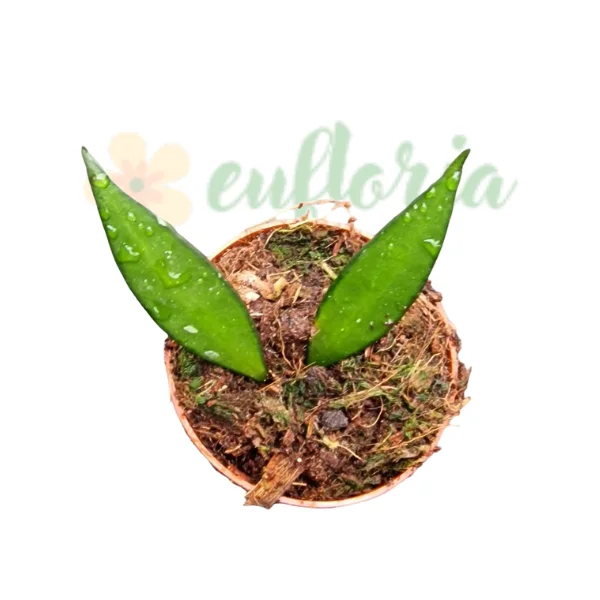
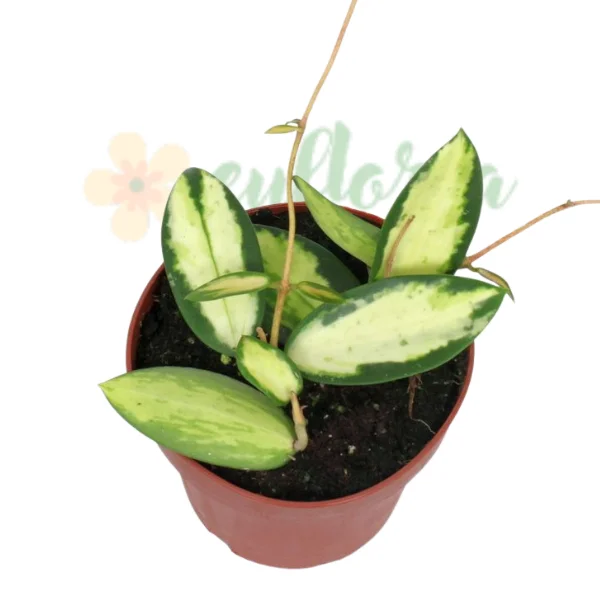
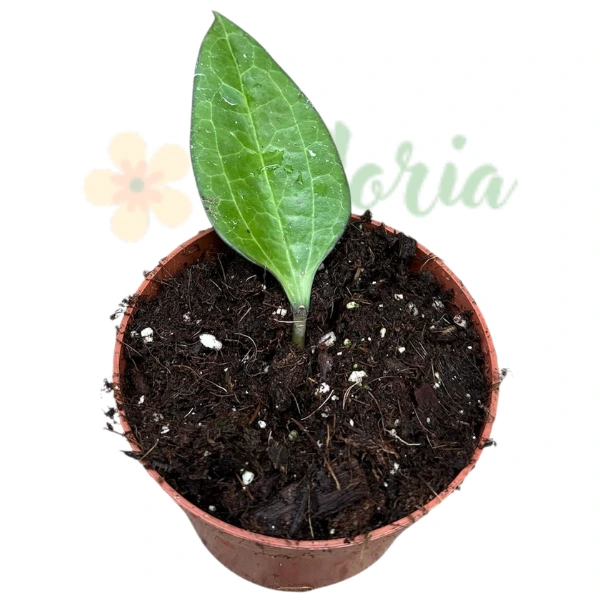
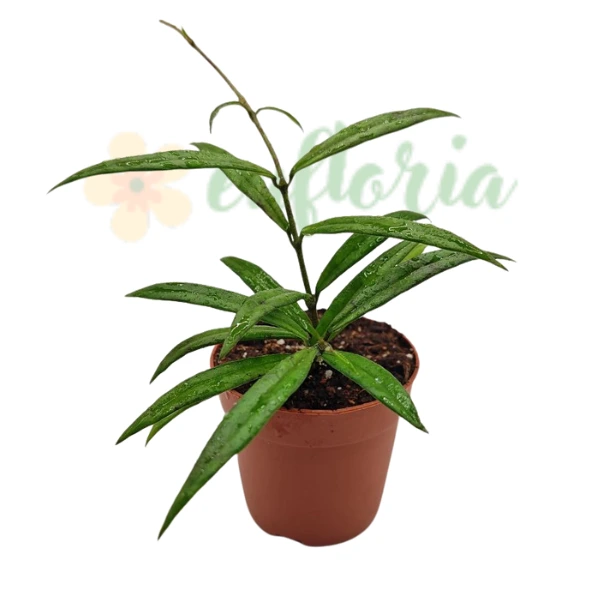
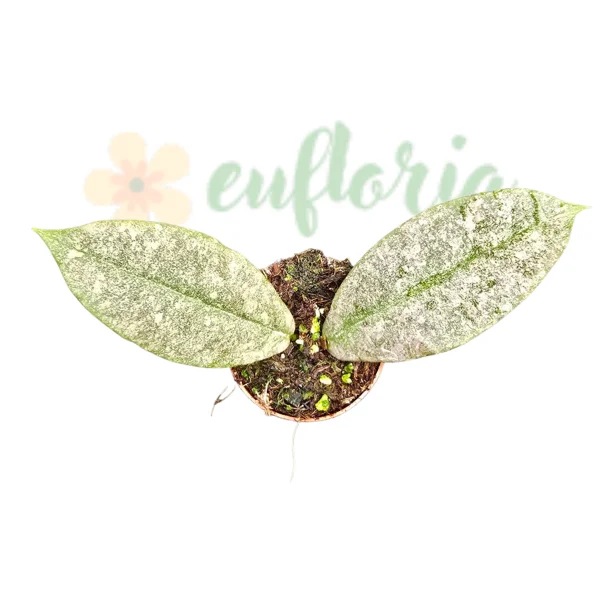
![Hoya imbricata with round leaves pressed on bark [0]](https://gomagcdn.ro/domains2/eufloria.ro/files/product/medium/hoya-imbricata-d14cm-999187.jpg "Hoya imbricata with round leaves pressed on bark [0]")
![Hoya imbricata with round leaves pressed on bark [1]](https://gomagcdn.ro/domains2/eufloria.ro/files/product/medium/hoya-imbricata-d14cm-426505.png "Hoya imbricata with round leaves pressed on bark [1]")
![Hoya imbricata with round leaves pressed on bark [1]](https://gomagcdn.ro/domains2/eufloria.ro/files/product/original/hoya-imbricata-d14cm-999187.jpg "Hoya imbricata with round leaves pressed on bark [1]")
![Hoya imbricata with round leaves pressed on bark [2]](https://gomagcdn.ro/domains2/eufloria.ro/files/product/original/hoya-imbricata-d14cm-426505.png "Hoya imbricata with round leaves pressed on bark [2]")
Hoya imbricata — rare hoya from the Philippines with round leaves pressed against bark, a myrmecophilous plant living in symbiosis with ants. Star-shaped fragrant cream flowers. Ø14cm.
Note: Product images are for guidance only. Due to different batches of imported products, there may be differences between the images on the website and the actual appearance of the products.
Approx height (including pot): 40 cm
Flowering state: No flowers
Pot diameter: 14 cm
- Description
- Characteristics
- Reviews (0)
- FAQ
🌿 Hoya imbricata — The Climbing Wonder of the Tropical Jungle
In the Hoya world, Hoya imbricata represents a remarkable exception through its extraordinary growth habit — "shingling" — in which nearly round, flat leaves grow pressed tightly against tree bark, like tiles on a roof.
The species is a myrmecophyte: in nature it harbors ant colonies beneath its leaves, in a perfectly refined symbiosis. Ants receive shelter, the plant gets protected and fertilized.
🌍 Origin and Botanical History
Described in 1844 by Joseph Decaisne. The name "imbricata" means "overlapping like tiles." Distributed in Borneo, Sulawesi, Philippines and Sumatra at elevations of 100-800 m. Grows epiphytically in warm (22-28°C) and humid (>80%) climates.
🌱 The Foliage
Nearly perfectly round leaves, 5-10 cm in diameter and just 1-2 mm thick. Dark green with silver highlights. To retain its shingling habit in cultivation, it MUST have a support — moss pole or bark. Aerial roots attach to the support.
🌸 The Flowers
Small umbels of 8-15 flowers, 6-8 mm each, dark red with white-pink corona. Weak fragrance. Flowering rare in apartments (requires 3-4 years). The true attraction lies in the foliage and unique growth habit.
🌱 Growth and Care
Slow growth — 5-15 cm/year. Propagation via cuttings on moist moss pole at 22-25°C and 80% humidity — roots in 4-8 weeks.
- Light: Bright indirect, 10,000-20,000 lux.
- Temperature: 22-28°C constant.
- Watering: 5-7 days summer, 10-14 winter. Moss pole kept moist.
- Humidity: 70-85% — essential for shingling.
- Substrate: Very airy: 50% pine bark, 25% perlite, 15% sphagnum.
On Eufloria, part of rare Hoya. Use our specialized substrate. Non-toxic — cat-safe.
Lungime: 14 cm
Greutate (kg): 1.5 Kg
Denumire: Hoya
Diametru: 14 cm
Cerințe lumină: Strong, indirect light
Tip plantă: Decorative
Utilizare: Interior
Tip suport: Ghiveci
Material Suport: Plastic
How often should I water Hoya imbricata?
Hoya imbricata should only be watered when the substrate has dried out completely. During the warm season, this means approximately once every 7-10 days, and in winter every 2-3 weeks. Being an epiphytic plant, it prefers well-draining substrate and does not tolerate excess water, which can cause root rot.
Is Hoya imbricata toxic to pets?
Hoya imbricata is considered non-toxic for both humans and pets. The mild latex the plant produces does not contain dangerous substances. However, it is recommended to place the plant where pets cannot excessively chew or damage it.
What is the best substrate for Hoya imbricata?
Hoya imbricata requires a very well-draining substrate, similar to orchid mix. An ideal blend contains pine bark, perlite, sphagnum moss, and activated charcoal. Being an epiphytic plant that grows on tree trunks in its natural habitat, its roots need excellent aeration and cannot tolerate compact or waterlogged substrate.
Why does Hoya imbricata have shield-shaped leaves?
The flat, shield-shaped leaves of Hoya imbricata are an evolutionary adaptation to epiphytic life. In its natural habitat, the plant grows pressed against tree trunks, and its leaves overlap like roof tiles, forming pockets between them and the bark. These pockets collect decomposing organic matter and moisture, providing the plant with additional nutrients.
When does Hoya imbricata bloom indoors?
Hoya imbricata can bloom indoors once the plant has reached maturity, usually after 2-3 years of growth. Flowers appear in small umbels of yellowish-white or light pink, with a subtle fragrance. To encourage blooming, provide bright indirect light, a winter rest period with reduced watering, and avoid moving the plant while flower buds are forming.
What is a myrmecophilous plant?
Why must Hoya imbricata be mounted?
How often does it flower?
What light does it prefer?
Ai nevoie și de un ghiveci decorativ?