EN/
EN/ Romana
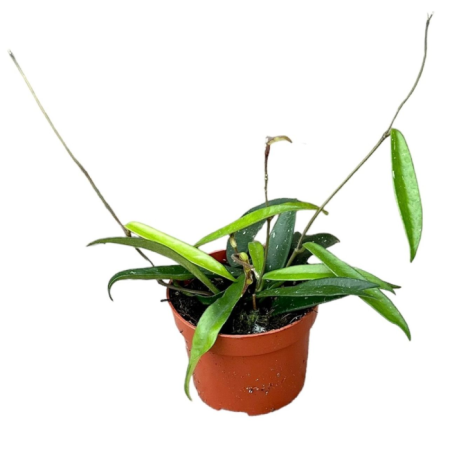
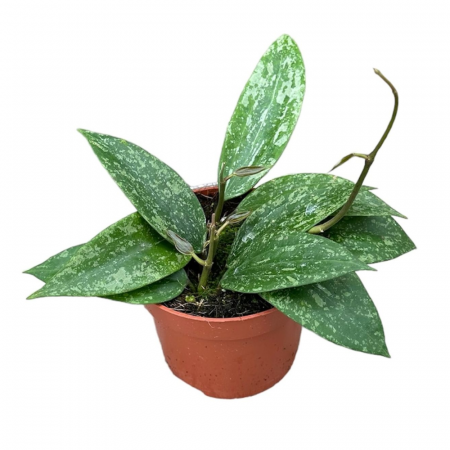
Hoya albiflora Ø12cm
![Hoya albiflora [0]](https://gomagcdn.ro/domains2/eufloria.ro/files/product/medium/hoya-albiflora-d12cm-301551.webp "Hoya albiflora [0]")
![Hoya albiflora [1]](https://gomagcdn.ro/domains2/eufloria.ro/files/product/medium/hoya-albiflora-d12cm-246559.webp "Hoya albiflora [1]")
![Hoya albiflora [1]](https://gomagcdn.ro/domains2/eufloria.ro/files/product/original/hoya-albiflora-d12cm-301551.webp "Hoya albiflora [1]")
![Hoya albiflora [2]](https://gomagcdn.ro/domains2/eufloria.ro/files/product/original/hoya-albiflora-d12cm-246559.webp "Hoya albiflora [2]")
Hoya albiflora este o plantă tropicală cu flori albe cerate și frunze verzi lucioase, ideală pentru spații luminoase și ghivece suspendate.
Approx height (including pot): 15 cm
Flowering state: No flowers
Pot diameter: 12 cm
- Description
- Characteristics
- Reviews (0)
- FAQ
🌿 Hoya albiflora — white elegance and tropical fragrance
Hoya albiflora is an epiphytic species native to the Philippines, prized for its immaculate star-shaped white flowers with a deeply sweet fragrance and for its glossy, elliptical deep-green leaves. It belongs to the Apocynaceae family and to the eriostemma Hoya group, recognised for spectacular flower clusters and the aroma that fills the room on summer nights. It is a collector's plant that rewards patience with generous, repeated blooms on the same peduncle year after year.
For Hoya lovers this species is one of the most sought after thanks to the unique combination of perfectly white flowers, strong fragrance and a blooming rhythm that is accessible even indoors. Unlike other species that demand strict tropical conditions, Hoya albiflora adapts well to a regular home environment as long as it receives good light and a very well-draining substrate. Each peduncle (spur) is permanent — it is never cut — because new flowers will emerge from the same point year after year, sometimes two or three times per season.
🌍 Origin and natural habitat
The species grows naturally in the humid tropical forests of the Philippine islands, especially in Luzon and Mindanao, where it climbs tree trunks at moderate heights. In its native habitat it enjoys high humidity (70-90%), steady temperatures between 22-28°C and light filtered through the forest canopy. These conditions explain its preference for bright indirect light and very well-draining substrate in cultivation.
Hoya albiflora was scientifically described in 1907 by the German botanist Rolfe, and its cultivation in Europe only became popular in recent decades, as collectors rediscovered the beauty of lesser-known species. In the wild the plant lives for 20 to 40 years and well-cared cultivated specimens easily reach the same ages. The fact that it does not produce strong toxic latex like some other Hoya species makes it relatively safe to handle, though we always recommend using gloves when pruning.
🌱 Foliage and overall look
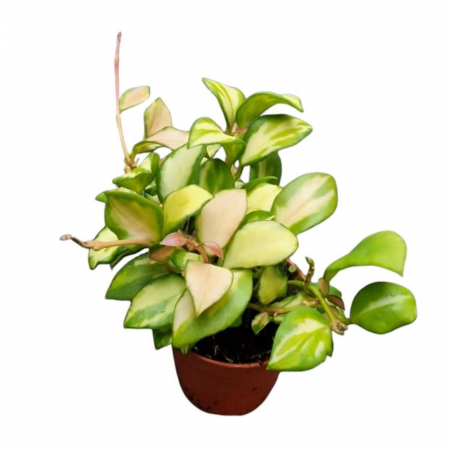
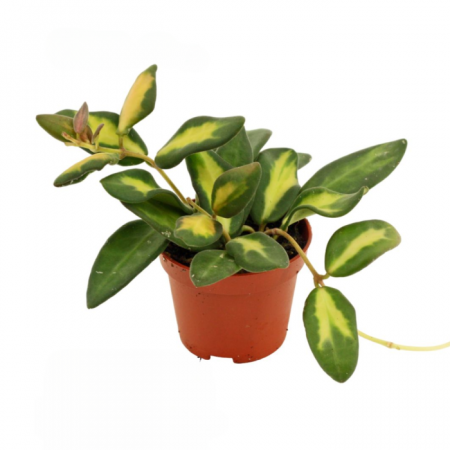
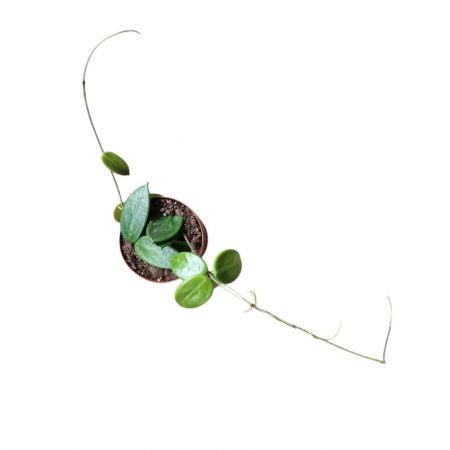
The leaves are elliptical, 8-12 cm long and 3-5 cm wide, deep green with a glossy, waxy texture that reflects light like a mirror. The edges are slightly wavy and the central vein is clearly visible on the underside. Supple, trailing stems can reach 1-2 metres within a few years and are perfect for hanging pots, trellises or for training on a moss pole.
Young plants produce reddish new shoots that gradually mature to glossy green — a very decorative transition. During active growth, from spring to autumn, the plant can produce 3-5 new leaves per month on each active stem. Unlike species with thick succulent leaves (Hoya kerrii, Hoya obovata), albiflora leaves are thinner and more flexible, which gives it a more graceful and airy look in decorative arrangements.
🌸 Flowers and legendary fragrance
The real show begins when the first peduncle appears: 15-25 white, slightly cupped star-shaped flowers with a pinkish corona centre open simultaneously in a dense cluster. Each flower measures 1.5-2 cm and releases a sweet aroma reminiscent of orange blossom mixed with jasmine, more intense in the evening and at night. Blooming lasts 7-10 days and the same peduncle remains active and produces new flowers in the following years — which is why it must never be cut.
With proper care, the plant can bloom 2-3 times per season, in spring and summer. Blooming triggers include a cooler rest period (15-18°C) for 4-6 weeks in winter, followed by resuming watering and fertilising as temperatures rise. After wilting, do not remove the peduncle — it will bloom again from the same point. The flowers also secrete small droplets of sweet nectar that may drip onto the leaves below; wipe them with a damp cloth to avoid sticky marks.
In private collections across Europe, Hoya albiflora has become one of the pivotal species for any serious collector of fragrant flowering plants. Its reputation rests on three elements that rarely come together in a single houseplant: perfectly white flowers without yellow tones, a fragrance easy to detect even in a large room, and remarkable resistance to apartment conditions. Unlike demanding species that require terrariums or incubators, albiflora thrives in normal conditions as long as the substrate is right.
An important detail for long-term care: Hoya roots are sensitive to waterlogging and to compacted substrate. Before refilling the pot with water, check with your finger or a wooden stick whether the substrate is dry to at least half the pot depth. In the cool season, space waterings to 10-14 days and avoid leaving the pot sitting in a saucer full of water. In spring, when sap flow resumes, you can return to a normal watering and fertilising rhythm.
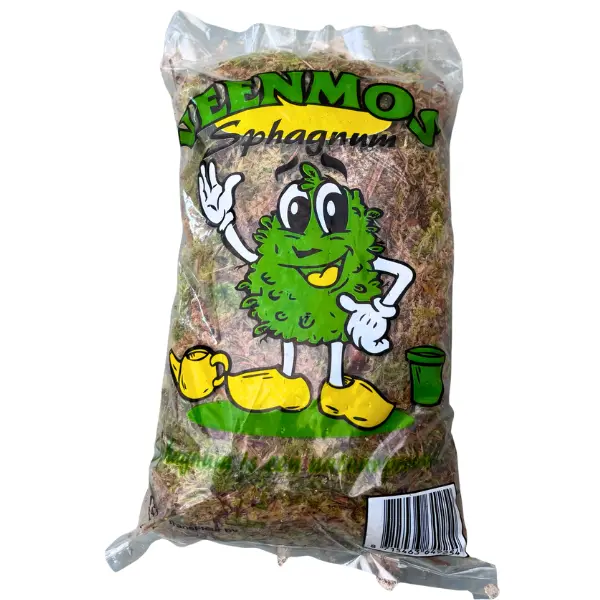
For those who wish to propagate the plant, 2-3 node cuttings root in water within 3-4 weeks if the room temperature is at least 22°C. Alternatively, damp sphagnum is an excellent medium for cuttings — rooting is slower (4-6 weeks) but the transition to normal substrate is stress-free. Once rooted, the new plant can bloom within 1-2 years with proper care.
Common issues to watch out for include yellowing leaves (usually a sign of overwatering or poor drainage), shrivelled leaves (typically under-watering or root problems), and lack of blooming (often linked to insufficient light or a missing cool period in winter). Hoya albiflora is relatively pest-free, but keep an eye out for mealybugs, which may hide between the leaves and the stem. Wipe them off with a cotton swab dipped in isopropyl alcohol diluted to 50%.
When growing Hoya albiflora alongside other species, remember that it appreciates warm, stable temperatures and does not like sudden drafts. Avoid placing it directly above radiators or near air-conditioning vents. A bright bathroom with a window can be an ideal spot thanks to the naturally higher humidity. The plant also pairs beautifully with other trailing species such as Hoya wayetii, Hoya kerrii or Hoya macrophylla, creating a lush hanging display of contrasting leaf shapes and textures.
🌱 Complete growth and care guide
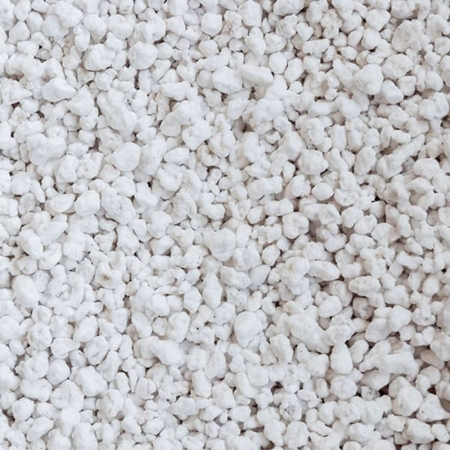
Hoya albiflora prefers a very airy mix: fine pine bark, perlite and a little orchid substrate. Water moderately — let the substrate dry out almost completely between waterings. In winter reduce watering frequency and keep the temperature above 16°C. Provide bright indirect light (near a protected east or south-east window) and 50-60% humidity.
Fertilise with a balanced fertiliser diluted to half strength once a month during spring and summer. During blooming use a fertiliser higher in phosphorus (NPK 10-30-20) to encourage large clusters. Repot every 2-3 years in spring, into a pot only slightly larger — Hoya prefers slightly crowded roots and may bloom more abundantly when a bit pot-bound. Propagation is simple from stem cuttings with 2-3 nodes, rooted in water or directly in damp sphagnum. Delivery across the EU.
Like all Hoya plants, albiflora has a trailing habit, ideal for hanging pots, and is easy-care.
Lungime: 12 cm
Greutate (kg): 1 Kg
Denumire: Hoya
Diametru: 12 cm
Cerințe lumină: Strong, indirect light
Tip plantă: Decorative
Utilizare: Interior
Tip suport: Ghiveci
Material Suport: Plastic
Where does Hoya albiflora come from?
How do you water Hoya albiflora?
Is Hoya albiflora toxic to pets?
How does Hoya albiflora flower?
How is Hoya albiflora propagated?
Recommendations

Ai nevoie și de un ghiveci decorativ?