EN/
EN/ Romana
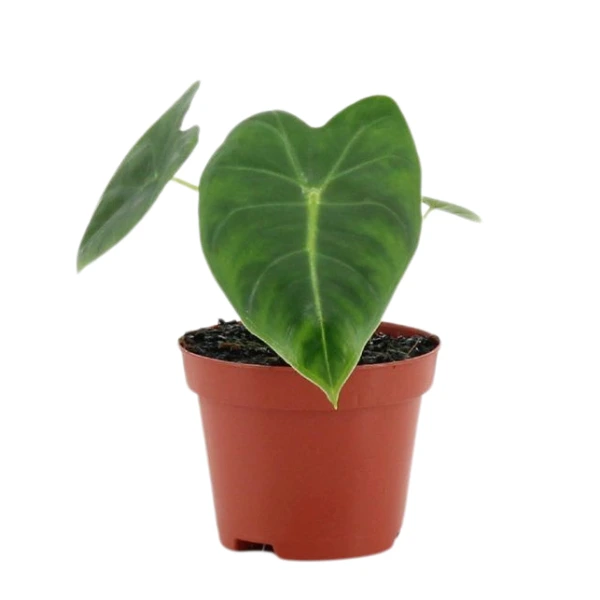
Alocasia 'Jacklyn' Ø6cm
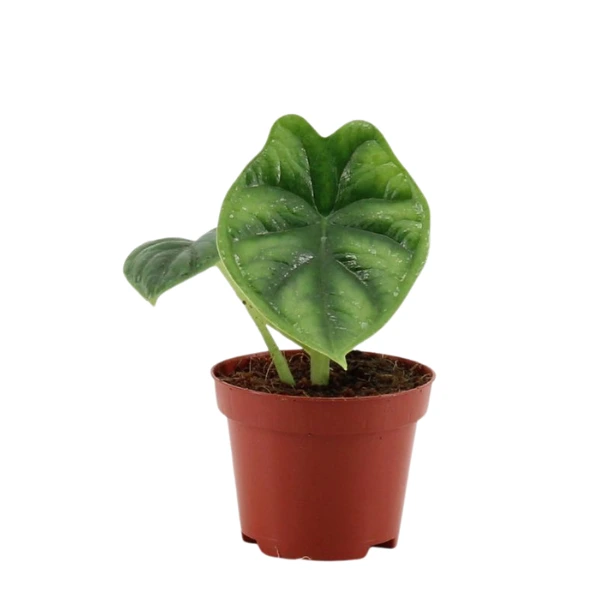
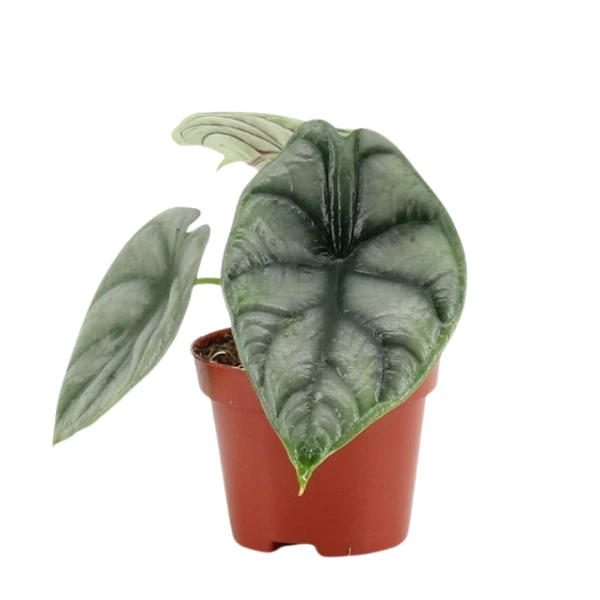
![Alocasia Jacklyn - rare tropical plant with elongated lobed leaves and prominent sculpted veins [0]](https://gomagcdn.ro/domains2/eufloria.ro/files/product/medium/alocasia-jacklyn-014671.png "Alocasia Jacklyn - rare tropical plant with elongated lobed leaves and prominent sculpted veins [0]")
![Alocasia Jacklyn - rare tropical plant with elongated lobed leaves and prominent sculpted veins [1]](https://gomagcdn.ro/domains2/eufloria.ro/files/product/medium/alocasia-jacklyn-099311.png "Alocasia Jacklyn - rare tropical plant with elongated lobed leaves and prominent sculpted veins [1]")
![Alocasia Jacklyn - rare tropical plant with elongated lobed leaves and prominent sculpted veins [2]](https://gomagcdn.ro/domains2/eufloria.ro/files/product/medium/alocasia-jacklyn-d6-114457.jpg "Alocasia Jacklyn - rare tropical plant with elongated lobed leaves and prominent sculpted veins [2]")
![Alocasia Jacklyn - rare tropical plant with elongated lobed leaves and prominent sculpted veins [3]](https://gomagcdn.ro/domains2/eufloria.ro/files/product/medium/alocasia-jacklyn-d6-513198.png "Alocasia Jacklyn - rare tropical plant with elongated lobed leaves and prominent sculpted veins [3]")
![Alocasia Jacklyn - rare tropical plant with elongated lobed leaves and prominent sculpted veins [1]](https://gomagcdn.ro/domains2/eufloria.ro/files/product/original/alocasia-jacklyn-014671.png "Alocasia Jacklyn - rare tropical plant with elongated lobed leaves and prominent sculpted veins [1]")
![Alocasia Jacklyn - rare tropical plant with elongated lobed leaves and prominent sculpted veins [2]](https://gomagcdn.ro/domains2/eufloria.ro/files/product/original/alocasia-jacklyn-099311.png "Alocasia Jacklyn - rare tropical plant with elongated lobed leaves and prominent sculpted veins [2]")
![Alocasia Jacklyn - rare tropical plant with elongated lobed leaves and prominent sculpted veins [3]](https://gomagcdn.ro/domains2/eufloria.ro/files/product/original/alocasia-jacklyn-d6-114457.jpg "Alocasia Jacklyn - rare tropical plant with elongated lobed leaves and prominent sculpted veins [3]")
![Alocasia Jacklyn - rare tropical plant with elongated lobed leaves and prominent sculpted veins [4]](https://gomagcdn.ro/domains2/eufloria.ro/files/product/original/alocasia-jacklyn-d6-513198.png "Alocasia Jacklyn - rare tropical plant with elongated lobed leaves and prominent sculpted veins [4]")
Alocasia 'Jacklyn' (syn. Alocasia sulawesii) is a rare tropical aroid from the Araceae family, native to the island of Sulawesi, Indonesia, remarkable for its elongated arrow-shaped leaves of an intense green, with extremely prominent veins deeply impressed into the leaf laminae. This collector's plant captivates with its unique architectural appearance, evoking a living prehistoric artefact, and adds a dramatic presence to any tropical plant collection.
Approx height (including pot): 15 cm
Country of origin: Netherlands
Pot diameter: 6 cm
- Description
- Characteristics
- Reviews (0)
🌿 Alocasia 'Jacklyn' — The primordial elegance of sculpted leaves
Alocasia 'Jacklyn' is one of those plants that seems to have traversed geological ages to reach our collections. Its leaves, elongated and pointed, with veins so deeply impressed they appear carved in relief, evoke prehistoric fern fossils rather than a living plant of our times. It is an aroid that sparks instant fascination — each new leaf is a small masterpiece of natural art, with deeply lobed margins and a texture reminiscent of an ancient dragon's wings.
Also known under the botanical name Alocasia sulawesii or Alocasia sp. 'Tandurusa', this species entered the international horticultural circuit relatively recently, around 2017-2018, and quickly won the hearts of collectors through its unique combination of refinement and dramatic character. Among the hundreds of Alocasia species and cultivars, few manage to balance the exotic with elegance so harmoniously — 'Jacklyn' is one of them.
At Eufloria.ro, we offer it in 6 cm pots — a perfect size for collectors who wish to witness the plant's entire metamorphosis, from juvenile leaves that are simpler and more rounded, to the spectacular mature leaves with deeply cut lobes and prominent veins that define the species' visual identity. Delivery across the EU.
🌍 Origin and Botanical History
Alocasia 'Jacklyn' originates from the tropical jungles of Sulawesi island, in eastern Indonesia, one of the world's richest islands in terms of biodiversity. More specifically, it is native to the Tandurusa area in the island's north, hence one of its popular names. Sulawesi is a biodiversity hotspot with an extremely high percentage of endemic species, and Alocasia 'Jacklyn' is a perfect example of this unique natural wealth.
The species belongs to the Longiloba section of the Alocasia genus, a group that includes plants with characteristically elongated and pointed leaves. Although known to local botanists for some time, its entry onto the international horticultural stage was catalysed by the enthusiasm of rare aroid collectors from Southeast Asia. The name 'Jacklyn' is a cultivar name, and the species is sometimes listed as Alocasia sulawesii or Alocasia sp. Tandurusa in botanical and commercial literature.
The species' natural habitat is the floor of humid tropical forests, at low to moderate altitudes, where it grows on mineral-rich volcanic soils beneath the dense canopy of tropical trees. These conditions — filtered light, high atmospheric humidity, constant temperatures, and mineral-organic substrate — are essential for understanding the cultivation requirements of this demanding species.
🌱 The Foliage
The leaves are the element that defines Alocasia 'Jacklyn's' entire identity. At maturity, they can reach 30-50 cm in length, with an extremely distinctive hastate-sagittate shape — the basal lobes are deeply cut, sometimes almost completely separated from the main lamina, creating a dramatic profile reminiscent of a medieval lance or the skeleton of a fossil leaf. The margins are undulate, with secondary lobations that add visual complexity.
The leaf colour is a deep, rich green on the adaxial surface, with veins of an even more intense green or blackish-green, extremely prominent and deeply impressed into the leaf lamina. This three-dimensional texture is the species' hallmark and becomes more pronounced as the leaves mature. The abaxial surface is a lighter green, sometimes with purplish tones along the main veins.
The petiole is long and slender, green with darker spots or striations, elegant and sinuous, supporting the leaf at an angle that maximises the capture of diffuse light. A fascinating characteristic of the species is its foliar metamorphosis — juvenile leaves are smaller, simpler, with less pronounced lobation, and as the plant matures, new leaves become progressively more lobed and dramatically sculpted, offering the collector the joy of discovering new forms with each new leaf.
🌸 The Flowers
Like all species in the Alocasia genus, 'Jacklyn' produces spadix-spathe type inflorescences, characteristic of the Araceae family. The spathe is light green to whitish, of relatively modest dimensions, and appears from the petiolar sheath when the plant reaches maturity and growing conditions are optimal. Decoratively, the inflorescence does not rival the plant's spectacular foliage.
In cultivation, flowering is a relatively rare event, especially in young specimens or those grown in suboptimal conditions. Many growers choose to remove the inflorescence as soon as it appears, to conserve the plant's energy and direct it towards producing new leaves — which, in the case of Alocasia 'Jacklyn', are truly spectacular and deserve all available energy.
🌱 Growth Habit and Development
Alocasia 'Jacklyn' has a moderate growth rate, tending to maintain a limited number of active leaves simultaneously (typically 3-5), shedding the oldest leaf as it produces the newest. This is a normal characteristic of the Alocasia genus and should not concern the grower. At maturity, the plant can reach 50-80 cm in height, with an imposing architectural presence thanks to its large and dramatically sculpted leaves.
The root system is rhizomatous, with a central corm from which lateral offsets may occasionally develop. These offsets can be separated for propagation once they have developed at least 2-3 leaves of their own. The active growing period is spring and summer, while in winter the plant enters a semi-dormant state with a much reduced growth rate and possible loss of one or more leaves.
- Light: Bright, indirect light. Avoid direct sunlight which can cause burns on the delicate leaves. An east-facing window provides ideal conditions. Tolerates moderate light, but leaf lobation will be less pronounced.
- Temperature: Optimal range 20-28°C. Does not tolerate temperatures below 15°C. Very sensitive to cold draughts and sudden temperature changes. In winter, maintain a minimum of 18°C.
- Watering: Keep the substrate slightly moist but well-drained. Allow the top 2-3 cm to dry slightly between waterings. Avoid both complete drying out and overwatering. Use filtered or dechlorinated water at room temperature.
- Humidity: Requires high humidity, above 65%. A humidifier is the ideal solution. Alternatively, group with other tropical plants or use a tray of wet pebbles beneath the pot.
- Substrate: Airy, well-draining mix: perlite (30%) + pine bark (30%) + peat or coconut coir (25%) + horticultural charcoal (15%). Excellent drainage is critical — the corm rots quickly in overly wet substrate.
- Fertilisation: Balanced liquid fertiliser diluted to half strength, every 2-3 weeks during the growing season (April-September). Stop fertilising during winter months.
- Propagation: By separating lateral offsets from the base of the corm in spring. Each offset should have at least 2 leaves of its own and a visible root system. Cut with a sterilised knife, allow the wound to dry for a few hours, then plant in moist substrate.
Lungime: 6 cm
Greutate (kg): 0.15 Kg
Denumire: Alocasia
Diametru: 6 cm
Cerințe lumină: Strong, indirect light
Tip plantă: Decorative
Utilizare: Interior
Tip suport: Ghiveci
Material Suport: Plastic
Recommendations
Ai nevoie și de un ghiveci decorativ?