EN/
EN/ Romana
Philodendron 'Prince of Orange'
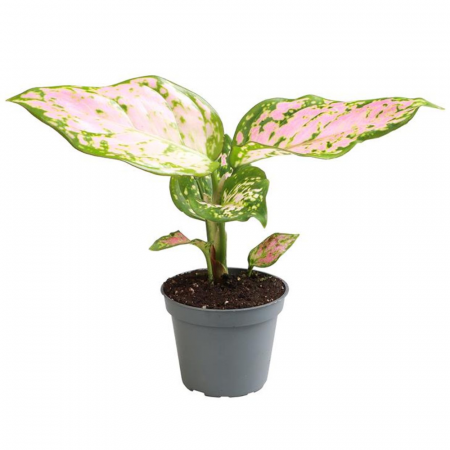
![Philodendron 'Prince of Orange' — orange leaves transitioning to dark green, Eufloria pot [0]](https://gomagcdn.ro/domains2/eufloria.ro/files/product/medium/philodendron-prince-of-orange-020776.png "Philodendron 'Prince of Orange' — orange leaves transitioning to dark green, Eufloria pot [0]")
![Philodendron 'Prince of Orange' — orange leaves transitioning to dark green, Eufloria pot [1]](https://gomagcdn.ro/domains2/eufloria.ro/files/product/medium/planta-naturala-de-interior-philodendron-prince-of-orange-517764.png "Philodendron 'Prince of Orange' — orange leaves transitioning to dark green, Eufloria pot [1]")
![Philodendron 'Prince of Orange' — orange leaves transitioning to dark green, Eufloria pot [1]](https://gomagcdn.ro/domains2/eufloria.ro/files/product/original/philodendron-prince-of-orange-020776.png "Philodendron 'Prince of Orange' — orange leaves transitioning to dark green, Eufloria pot [1]")
![Philodendron 'Prince of Orange' — orange leaves transitioning to dark green, Eufloria pot [2]](https://gomagcdn.ro/domains2/eufloria.ro/files/product/original/planta-naturala-de-interior-philodendron-prince-of-orange-517764.png "Philodendron 'Prince of Orange' — orange leaves transitioning to dark green, Eufloria pot [2]")
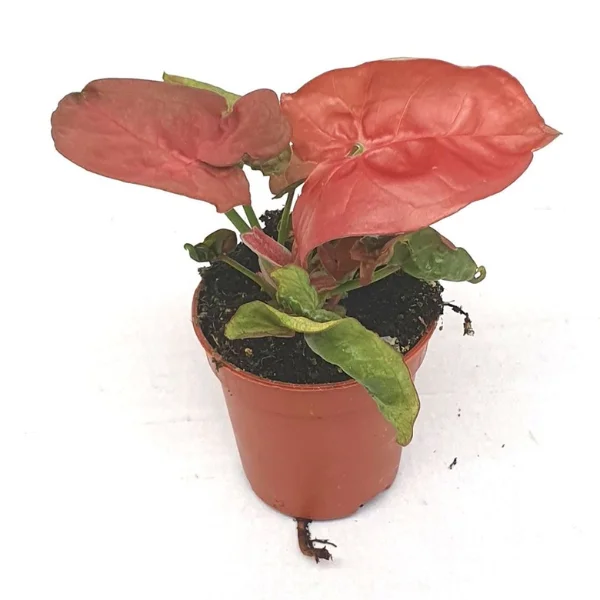
Philodendron 'Prince of Orange' — hybrid cultivar with leaves in chromatic transition orange > yellow > lime green > dark green. Compact rosette with permanent visual spectacle. Humidity 50-70%, medium-bright indirect light, 18-27°C. Resistant and easy-to-care plant.
Approx height (including pot): 20 cm
- Description
- Characteristics
- Reviews (0)
- FAQ
🌿 Philodendron 'Prince of Orange' — tropical sunset in changing leaves
Philodendron 'Prince of Orange' is one of the most spectacular hybrid Philodendron cultivars, poetically named after the burning color of its young leaves that appear in a vibrant orange like the flames of a tropical sunset. This extraordinary plant offers a permanent chromatic spectacle — each new leaf begins life in an intense copper orange shade, then passes through golden yellow, lime green and finally reaches a glossy dark green, creating a living gradient effect throughout the plant.
The leaves are elongated, spade or lance-shaped, with slightly wavy edges, a glossy texture and prominent veins that add dimension to the surface. With robust but compact stems that grow in a tight rosette from the center of the plant, 'Prince of Orange' develops a graceful shape, resembling a perfectly colored bush that fits both bright windowsills and coffee tables or office shelves.
Philodendron 'Prince of Orange' is the perfect choice for enthusiasts who want a plant with a changing character, offering something new to admire every week. Unlike plants with static foliage, 'Prince of Orange' is a permanent landscape in transformation, a living celebration of the chromatic diversity that nature can create in a single plant.
🌍 Botanical origin and history
Philodendron 'Prince of Orange' is a hybrid cultivar developed in the last decades of the 20th century by hybridizers specialized in creating ornamental Philodendrons with spectacularly colored foliage. It is a complex hybrid resulting from the crossing of several Philodendron species from Central and South America, specifically selected for the dynamic chromatic pattern of the leaves.
The Araceae family, to which the Philodendron genus belongs, comprises over 3,700 species of plants distributed predominantly in tropical and subtropical areas of the Americas, Africa and Asia. The Philodendron genus includes approximately 500 species of tropical plants native to Central and South America, where they grow in humid habitats, from forest edges to the base of tall trees, often as epiphytes or semi-epiphytes.
The name "Philodendron" derives from ancient Greek — "philo" (love) and "dendron" (tree), referring to the natural habit of these plants to cling and climb on tree trunks. In its natural habitat, the ancestors of 'Prince of Orange' grow in the tropical forests of Colombia, Venezuela, Ecuador and Brazil, in areas with high atmospheric humidity and filtered light through the dense canopy of trees.
🌱 The chromatic foliage
The foliage of Philodendron 'Prince of Orange' is the absolute star of this plant. The leaves are medium-sized, 15-30 centimeters in length, with elongated lance or spade shape, with a narrow base and slightly wavy edges. The texture is glossy, almost waxy, and the central vein is well pronounced, along with the lateral veins that trace an elegant graphic pattern.
The magic of this plant lies in the continuous chromatic transformation of the leaves. Young leaves appear in the center of the plant in a brilliant copper orange — a shade so intense that they appear illuminated from within. Gradually, as the leaf grows, the color passes through several stages: orange > golden yellow > lime green > medium green > glossy dark green, all coexisting simultaneously on the same plant. A healthy mature plant thus offers a complete color gradient, from the center (the youngest, orange ones) to the edges (the oldest, dark green ones).
In addition to the chromatic effect, the plant develops a dense and orderly rosette shape, with the leaves arranged in a spiral around a compact center. The stems are short and robust, and aerial roots occasionally appear at the base of the plant. This architectural structure makes 'Prince of Orange' ideal for display as a decorative specimen on tables, shelves or windowsills.
🌸 The flowers
Philodendron 'Prince of Orange' rarely blooms in indoor culture. When it does, it produces flowers typical of the Araceae family — a spadix (central cylindrical flower) surrounded by a spathe (modified, protective leaf) of cream-green or slightly reddish color. The flowers have no fragrance and appear only on very mature plants, under optimal conditions.
For lovers of decorative plants, the absence of flowers is not important — the unique beauty of the chromatic foliage completely compensates for this aspect. Cultivation is exclusively dedicated to the decorative aspect of the leaves, and the plant's energy is entirely used for the continuous development of new colored leaves.
Under normal cultivation conditions, you will not have a chance to see the plant in bloom, but instead you will be rewarded with a permanent flow of new leaves appearing in the center of the plant, each a small chromatic spectacle that will brighten your weeks.
🌱 Growth habit and care
Philodendron 'Prince of Orange' is a relatively resistant and easy-to-care plant, recommended both for beginners in the world of plants and for experienced collectors. Growth is moderate, with new leaves appearing every 2-4 weeks during the growing season. In indoor culture, the plant reaches approximately 40-60 cm in height and 50-70 cm in width, developing a compact but impressive rosette shape.
For healthy development and vibrant colors:
- Light: medium to bright indirect light — essential for the intensity of orange. East or south-east windowsill. Avoid intense direct sun which fades young leaves. Light too weak makes new leaves appear directly green.
- Temperature: 18-27°C optimal; does not tolerate below 13°C. Protect from cold drafts in winter.
- Watering: moderate — when the top 3-4 cm of substrate are dry. Every 7-10 days in summer, every 10-14 days in winter. Water abundantly, remove water from saucer.
- Humidity: 50-70% ideal — humidifier or weekly misting. Also tolerable at lower levels.
- Substrate: well-drained, airy — universal substrate + perlite (25%) + pine bark (10%) for aeration.
- Fertilization: every 3-4 weeks during growing season (March-September) with balanced fertilizer diluted by half.
- Propagation: by division at repotting or tip cuttings with aerial roots. Spring-summer are ideal.
🌿 Why choose Philodendron 'Prince of Orange'
It is a perfect choice for anyone who wants a plant with a dynamic and changing character, bringing color and energy to the home. The constant chromatic spectacle — with new orange leaves, intermediate yellow and lime green leaves, and mature dark green leaves — guarantees that your plant will look spectacular at any moment. Ideal for modern, tropical-chic, boho or minimalist arrangements, 'Prince of Orange' is a living declaration of color and vitality.
Lungime: 20 cm
Greutate (kg): 0.25 Kg
Denumire: Philodendron
Diametru: 9 cm
Cerințe lumină: Partial umbra
Tip plantă: Decorative
Utilizare: Interior
Tip suport: Ghiveci
Material Suport: Plastic
Why are new leaves orange on Philodendron 'Prince of Orange'?
Why do my new leaves appear directly green?
How long does the orange phase of leaves last?
Is Philodendron 'Prince of Orange' toxic?
How is Philodendron 'Prince of Orange' propagated?
Ai nevoie și de un ghiveci decorativ?