EN/
EN/ Romana
Hoya sp. Papua Ø7cm
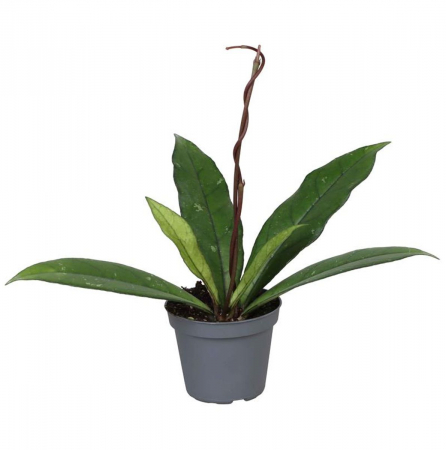
![Hoya sp Papua rare wax plant in pot [0]](https://gomagcdn.ro/domains2/eufloria.ro/files/product/medium/hoya-sp-papua-d7-817778.webp "Hoya sp Papua rare wax plant in pot [0]")
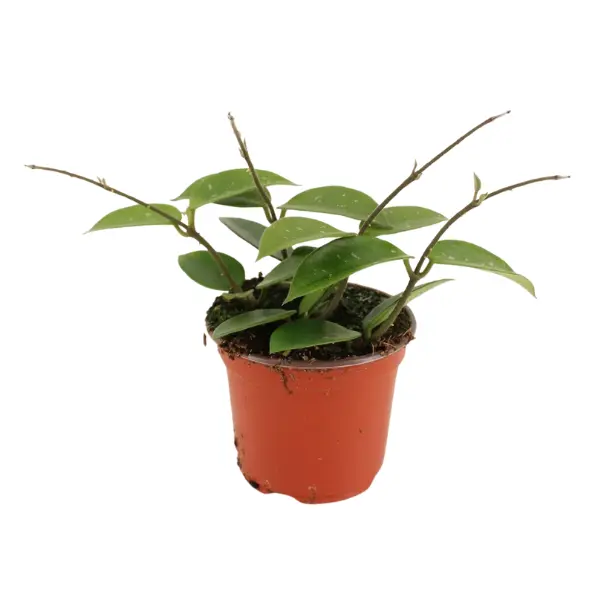
![Hoya sp Papua rare wax plant in pot [1]](https://gomagcdn.ro/domains2/eufloria.ro/files/product/medium/hoya-sp-papua-d7-299886.webp "Hoya sp Papua rare wax plant in pot [1]")
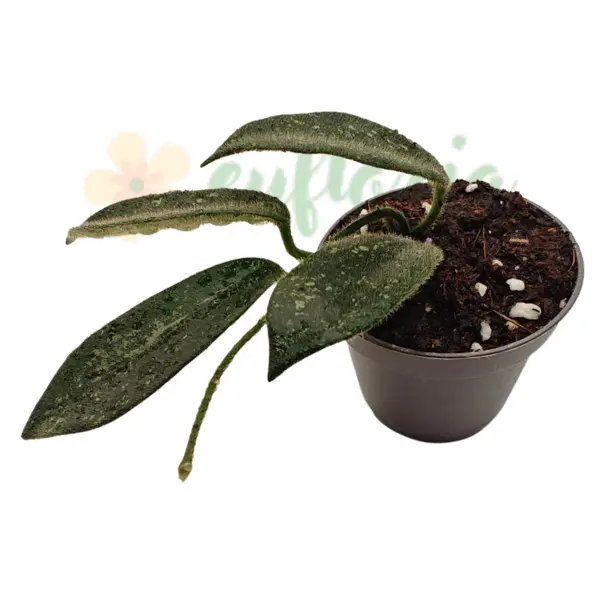
![Hoya sp Papua rare wax plant in pot [2]](https://gomagcdn.ro/domains2/eufloria.ro/files/product/medium/hoya-sp-papua-d7-734513.webp "Hoya sp Papua rare wax plant in pot [2]")
![Hoya sp Papua rare wax plant in pot [1]](https://gomagcdn.ro/domains2/eufloria.ro/files/product/original/hoya-sp-papua-d7-817778.webp "Hoya sp Papua rare wax plant in pot [1]")
![Hoya sp Papua rare wax plant in pot [2]](https://gomagcdn.ro/domains2/eufloria.ro/files/product/original/hoya-sp-papua-d7-299886.webp "Hoya sp Papua rare wax plant in pot [2]")
![Hoya sp Papua rare wax plant in pot [3]](https://gomagcdn.ro/domains2/eufloria.ro/files/product/original/hoya-sp-papua-d7-734513.webp "Hoya sp Papua rare wax plant in pot [3]")
Hoya sp. Papua este o plantă rară, cu frunze groase și texturate, provenită din Noua Guinee. O alegere perfectă pentru colecționari pasionați.
Approx height (including pot): 10 cm
Flowering state: No flowers
Pot diameter: 7 cm
- Description
- Characteristics
- Reviews (0)
🌿 Hoya sp. Papua — rare species with exotic foliage
Hoya sp. Papua is a rare species, still officially undescribed in botanical literature, originating from the tropical forests of Papua and Papua New Guinea. It stands out for its thick, textured leaves with prominent veins and for its exotic appearance, totally different from the Hoyas known in European collections. It is one of those species that very rarely appears on the market and is sought after by advanced collectors for its novelty and floral potential.
For those who collect rare and undescribed species, Hoya sp. Papua represents a true botanical trophy. Its exact origin and unique characteristics make it the subject of study for taxonomists, and every specimen in private collections contributes to preserving the genetic diversity of the Hoya family.
🌍 Origin and botanical context
The island of Papua and Papua New Guinea host one of the greatest diversities of Hoya species in the world, with over 100 described species and many others still officially undescribed. The dense, humid and isolated tropical forests of this region have allowed the development of unique forms with specific adaptations to their habitat. Hoya sp. Papua belongs to this group of recently discovered species awaiting official scientific description.
In its natural habitat, it grows as an epiphyte on the trunks of large trees, benefiting from high humidity (80-90%), steady temperatures between 22-28°C and light filtered through the canopy. These conditions are essential for its health and must be reproduced as closely as possible in cultivation.
🌱 The characteristic foliage
Hoya sp. Papua leaves are thick, fleshy, oval to lanceolate, with a prominent texture given by the raised veins. Length varies between 6-10 cm, width between 3-5 cm. The colour is medium green, sometimes with silver or bronze reflections in strong light. The thin waxy layer protects them from water loss and gives them a fine, very decorative gloss.
The stems are moderately robust, with semi-trailing growth. In the first years the plant remains compact, but over time it develops longer shoots that can be trained on a trellis or left to drape elegantly over the edge of the pot. The distance between nodes is moderate, giving the plant a dense and balanced look.
🌸 Spectacular flowering potential
Although there is still no detailed official documentation of Hoya sp. Papua flowering in cultivation, collector reports suggest that it produces clusters of waxy, small but numerous flowers, with a moderate sweet fragrance. The shape and colour of the flowers vary depending on origin — some specimens produce white or cream flowers, others pale pink or even with yellow tones.
To stimulate flowering, give the plant a cooler and drier rest period in the cool season, followed by resuming watering and fertilising in spring. Never cut the peduncles after flowering — they will produce new flowers in the future.
A fascinating feature of Hoya sp. Papua is the way it responds to different growing conditions. In bright indirect light, the leaves develop silvery tones and the veins become more pronounced. In dimmer light, the plant remains uniformly green and may slow its growth. Never expose it to intense direct sun — especially in summer months — because the leaves can burn quickly and lose their protective waxy layer.
As an undescribed species, Hoya sp. Papua has special value not only for its beauty but also for its contribution to genetic diversity. Many Hoya species are endangered in their natural habitat due to deforestation, and conservation in private collections plays an important role. If you successfully propagate the species, share cuttings with other collectors to expand its population in collections.
Common problems with Hoya sp. Papua include yellow leaves (usually overwatering), shrivelled leaves (lack of watering or root problems) and lack of growth (too little light or temperature too low). This species is relatively pest-resistant, but mealybugs can appear — inspect regularly and treat with 50% isopropyl alcohol.
For collectors who appreciate the rare and the undescribed, Hoya sp. Papua offers a unique combination of beauty, mystery and scientific value. Each flowering is a discovery, each new leaf a small step in understanding this still-unknown species. Patience and consistent care will be rewarded with a plant that few collectors have, and that contributes to the conservation of botanical diversity.
Display options for Hoya sp. Papua are flexible thanks to its semi-trailing habit. It can be placed on a shelf where the stems can hang naturally, mounted on a small moss pole for vertical training, or hung in a basket for full trailing display. All three methods are valid and depend on the available space and personal preferences.
🌱 Care and recommendations
Hoya sp. Papua prefers bright indirect light — a protected east or south-east window is ideal. The substrate must be very airy and well-draining: fine pine bark (50%), perlite (30%), sphagnum (15%) and a little activated charcoal. Water only when the substrate is almost completely dry — the fleshy leaves retain water and tolerate drought better than excess.
In winter reduce watering and keep the temperature above 18°C. Ideal atmospheric humidity is 60-70%. Fertilise with fertiliser diluted to half strength once a month in spring and summer. Repot rarely, only every 3 years. Propagation by stem cuttings with 2-3 nodes in damp sphagnum is simple. As an undescribed species, every plant contributes to the scientific knowledge of the Hoya family — document its evolution and flowering for the community. Delivery across the EU.
For those who want to expand their collection of rare Hoyas, sp. Papua integrates perfectly alongside other species from the Pacific region: Hoya wibergiae, Hoya benitotanii, Hoya patella or Hoya finlaysonii. All these species have similar requirements and together create a decorative group highly sought after in collections.
A practical tip for long-term care: Hoya sp. Papua is sensitive to waterlogging and compacted substrate. Before watering, check whether the substrate is dry to at least half the pot depth. In winter space waterings to 14-21 days and avoid leaving the pot in a saucer of water. Inspect the roots regularly when repotting — they should be white and firm, not brown and soft.
This species can grow slowly in the first months after acquisition until it acclimatises to the new environment. Do not worry if you do not see visible growth in the first 4-6 weeks — the plant invests energy in developing its root system. Once the roots are stable, growth will become more visible and consistent. Patience is the key to success with rare species like this one.
Lungime: 7 cm
Greutate (kg): 0.25 Kg
Denumire: Hoya
Diametru: 7 cm
Cerințe lumină: Strong, indirect light
Tip plantă: Decorative
Utilizare: Interior
Tip suport: Ghiveci
Material Suport: Plastic
Ai nevoie și de un ghiveci decorativ?