EN/
EN/ Romana
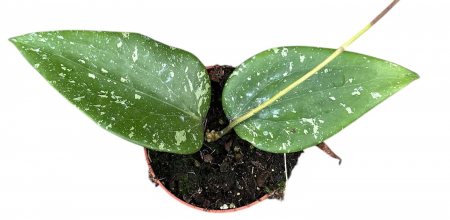
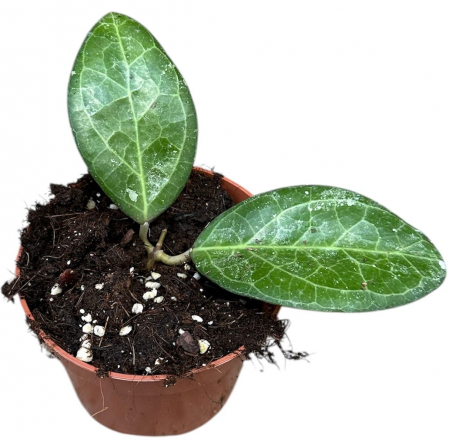
Hoya polyneura 'Vietnam' Ø10.5cm
![Hoya polyneura Vietnam [0]](https://gomagcdn.ro/domains2/eufloria.ro/files/product/medium/hoya-polyneura-vietnam-d10-5-940921.webp "Hoya polyneura Vietnam [0]")
![Hoya polyneura Vietnam [1]](https://gomagcdn.ro/domains2/eufloria.ro/files/product/medium/hoya-polyneura-vietnam-d10-5-670435.webp "Hoya polyneura Vietnam [1]")
![Hoya polyneura Vietnam [2]](https://gomagcdn.ro/domains2/eufloria.ro/files/product/medium/hoya-polyneura-vietnam-d10-5-552767.webp "Hoya polyneura Vietnam [2]")
![Hoya polyneura Vietnam [3]](https://gomagcdn.ro/domains2/eufloria.ro/files/product/medium/hoya-polyneura-vietnam-d10-5-952861.webp "Hoya polyneura Vietnam [3]")
![Hoya polyneura Vietnam [1]](https://gomagcdn.ro/domains2/eufloria.ro/files/product/original/hoya-polyneura-vietnam-d10-5-940921.webp "Hoya polyneura Vietnam [1]")
![Hoya polyneura Vietnam [2]](https://gomagcdn.ro/domains2/eufloria.ro/files/product/original/hoya-polyneura-vietnam-d10-5-670435.webp "Hoya polyneura Vietnam [2]")
![Hoya polyneura Vietnam [3]](https://gomagcdn.ro/domains2/eufloria.ro/files/product/original/hoya-polyneura-vietnam-d10-5-552767.webp "Hoya polyneura Vietnam [3]")
![Hoya polyneura Vietnam [4]](https://gomagcdn.ro/domains2/eufloria.ro/files/product/original/hoya-polyneura-vietnam-d10-5-952861.webp "Hoya polyneura Vietnam [4]")
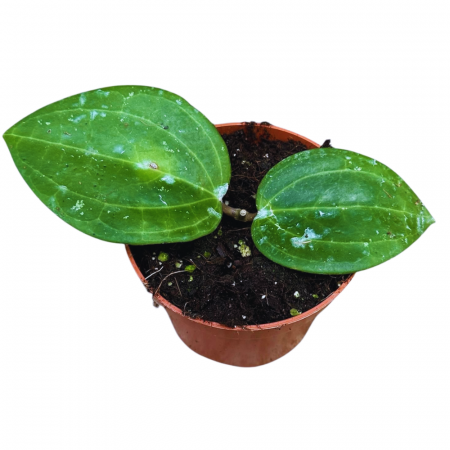
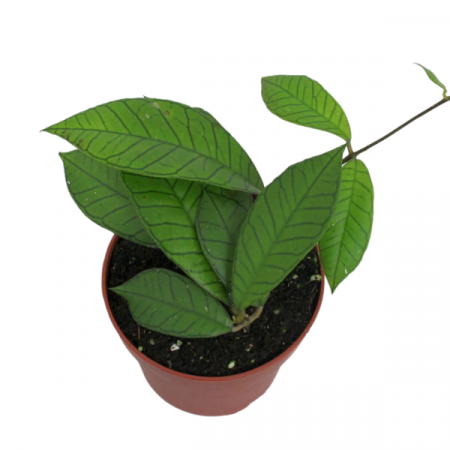
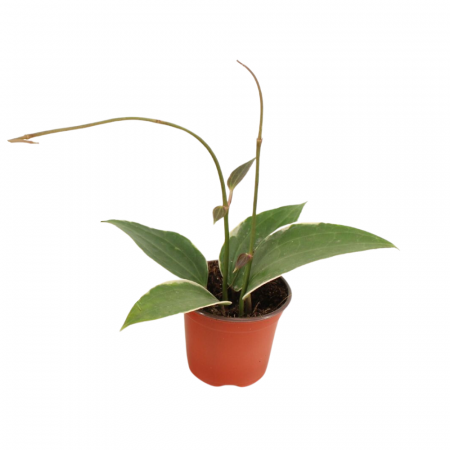
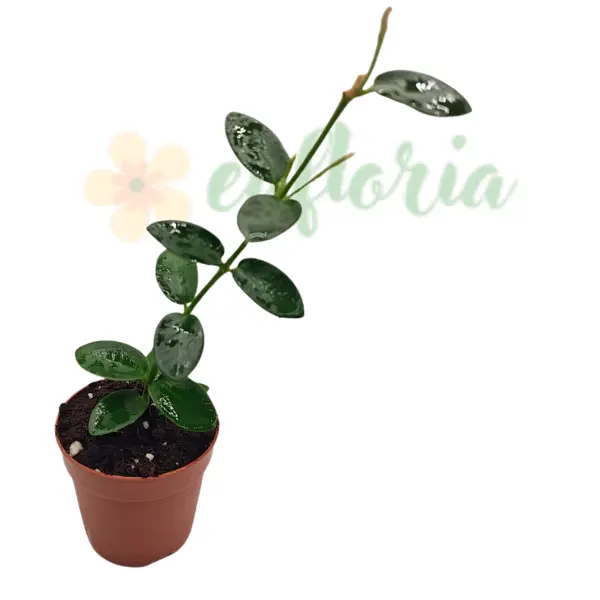
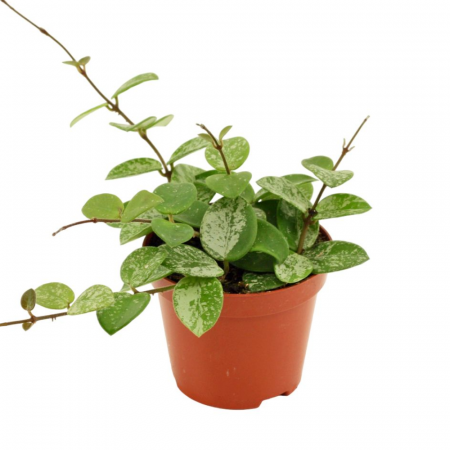
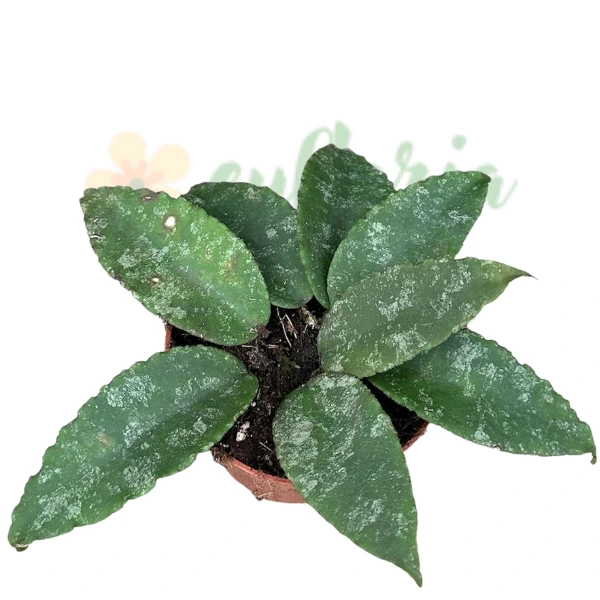
Hoya polyneura 'Vietnam' – iconic species with lanceolate leaves and spectacular fishtail vein pattern. White flowers with red centers. Regional form from Vietnam. Semi-bushy growth. Prefers indirect light and well-drained substrate. Non-toxic plant.
Approx height (including pot): 15 cm
Flowering state: No flowers
Country of origin: Netherlands
Pot diameter: 10.5 cm
- Description
- Characteristics
- Reviews (0)
- FAQ
🌿 Hoya polyneura 'Vietnam' – Spectacular Fishtail-Veined Leaves
Hoya polyneura 'Vietnam' is a distinct regional form of Hoya polyneura, one of the most recognizable and appreciated Hoyas thanks to its unique veins arranged in a pattern resembling a fish skeleton. This epiphytic plant from the Apocynaceae family is native to the montane forests of Vietnam and brings an extraordinary graphic accent to any collection.
🌍 Origins and Botanical History
Hoya polyneura is found across montane forests in South and Southeast Asia, from the Himalayas to Indochina. The 'Vietnam' form originates from Vietnam's montane forests and may differ slightly from other populations in leaf size and shape. The name "polyneura" means "many nerves," referring to the complex vein pattern that makes this species so distinctive and easily identifiable.
🌿 Leaves – Natural Art with Fishtail Pattern
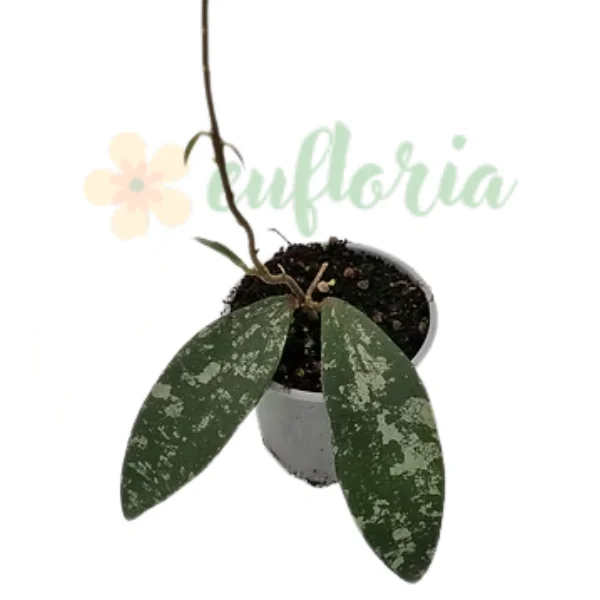
The leaves are the star feature of this plant. Lanceolate, thin, and elegant, they display an exceptional pattern of parallel veins arranged symmetrically along the central midrib, creating the iconic "fishtail" or "fish skeleton" appearance. The coloring is medium to dark green, with slightly lighter veins accentuating the graphic pattern. The leaves have a thin, semi-succulent texture, different from many other Hoyas.
🌸 Flowers – White Stars with Red Centers
The flowers are grouped in flat umbels, composed of small star-shaped blooms in white or cream with red or deep pink centers. The color contrast is particularly attractive. The fragrance is subtle but pleasant. Flowering occurs on peduncles that should be kept intact for repeated blooming.
🌱 Growth Habit and Care
Hoya polyneura 'Vietnam' has a somewhat more bushy growth habit than many other Hoyas, with branches tending to grow horizontally or slightly pendulous. It prefers medium to bright indirect light, a very well-drained substrate based on bark and perlite, and regular but moderate watering – it is more sensitive to dehydration than many other Hoyas due to its thinner leaves. Medium to high humidity (50-70%) and temperatures between 15-28°C (59-82°F). Tolerates lower temperatures than many tropical Hoyas.
Lungime: 10 cm
Greutate (kg): 0.25 Kg
Denumire: Hoya
Diametru: 10.5 cm
Cerințe lumină: Partial umbra
Tip plantă: Decorative
Utilizare: Interior
Tip suport: Ghiveci
Material Suport: Plastic
What differentiates Hoya polyneura Vietnam from the classic form?
The leaves are often firmer, with more pronounced veins and somewhat more vigorous growth.
Does it have fragrant flowers?
Yes, the creamy-yellow flowers have a delicate, sweet fragrance.
Is it a difficult species?
No, it is moderately easy to care for if it has good light and humidity above 60%.
Is it suitable for indoors?
Yes, it is excellent for indoors, especially in bright spaces.
How do I care for a Hoya plant?
Hoya plants prefer bright indirect light, moderate watering (allow the soil to dry between waterings) and temperatures between 18-27°C (65-80°F). Provide well-draining substrate and higher humidity for optimal growth.
When does Hoya bloom?
Hoya typically blooms in spring and summer, producing waxy, fragrant flowers. Do not cut the peduncles after flowering, as the plant will bloom again from the same stalks.
How often should I water my Hoya?
Water your Hoya when the top layer of soil (2-3 cm) has dried completely. In summer, this usually means once a week, and in winter every 2-3 weeks. Avoid overwatering.
Is Hoya toxic to pets?
Hoya is generally considered non-toxic to dogs and cats. However, ingestion of any plant may cause mild gastric discomfort, so it is recommended to keep the plant away from pets.
How do I propagate Hoya?
Hoya can be propagated through stem cuttings with 2-3 nodes. Place the cuttings in water or moist substrate and wait 2-6 weeks for rooting. Higher humidity helps the process.
Recommendations
Ai nevoie și de un ghiveci decorativ?