EN/
EN/ Romana
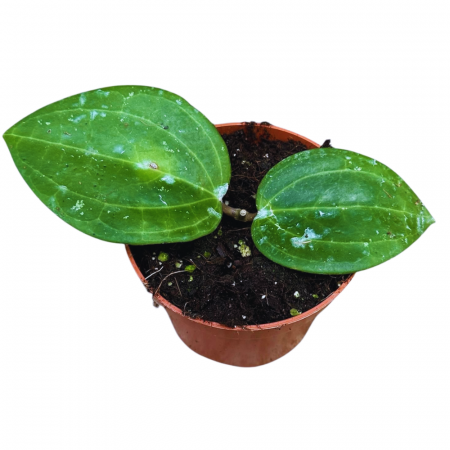
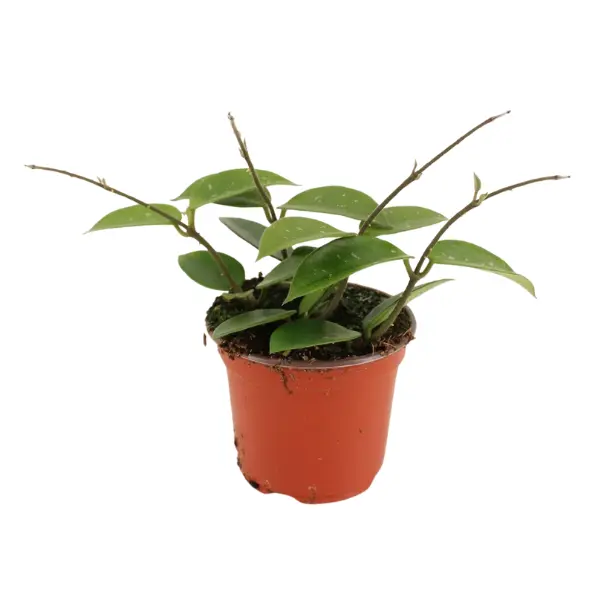
Hoya latifolia 'Green' Ø10,5cm
![Hoya latifolia 'Green' Ø10,5cm [0]](https://gomagcdn.ro/domains2/eufloria.ro/files/product/medium/hoya-latifolia-green-d10-5-655135.webp "Hoya latifolia 'Green' Ø10,5cm [0]")
![Hoya latifolia 'Green' Ø10,5cm [1]](https://gomagcdn.ro/domains2/eufloria.ro/files/product/medium/hoya-latifolia-green-d10-5-489336.webp "Hoya latifolia 'Green' Ø10,5cm [1]")
![Hoya latifolia 'Green' Ø10,5cm [2]](https://gomagcdn.ro/domains2/eufloria.ro/files/product/medium/hoya-latifolia-green-d10-5-132837.webp "Hoya latifolia 'Green' Ø10,5cm [2]")
![Hoya latifolia 'Green' Ø10,5cm [1]](https://gomagcdn.ro/domains2/eufloria.ro/files/product/original/hoya-latifolia-green-d10-5-655135.webp "Hoya latifolia 'Green' Ø10,5cm [1]")
![Hoya latifolia 'Green' Ø10,5cm [2]](https://gomagcdn.ro/domains2/eufloria.ro/files/product/original/hoya-latifolia-green-d10-5-489336.webp "Hoya latifolia 'Green' Ø10,5cm [2]")
![Hoya latifolia 'Green' Ø10,5cm [3]](https://gomagcdn.ro/domains2/eufloria.ro/files/product/original/hoya-latifolia-green-d10-5-132837.webp "Hoya latifolia 'Green' Ø10,5cm [3]")
Approx height (including pot): 15 cm
Flowering state: No flowers
Country of origin: Netherlands
Pot diameter: 10.5 cm
- Description
- Characteristics
- Reviews (0)
- FAQ
Hoya latifolia 'Green' – classic elegance of the elongated leaves
About names and identification
Hoya latifolia 'Green' is the classic, standard form of the species Hoya latifolia in the family Apocynaceae, formerly known as Hoya macrophylla before botanical reclassification in recent years. This plant represents the "type" form of the species, as opposed to geographical subspecies such as Sarawak. The name "latifolia" comes from the Latin "latus" (wide) and folium (leaf), referring to the large leaves characteristic of this species.
In international trade, this plant may appear under several names: Hoya latifolia, Hoya latifolia green, Hoya macrophylla (an obsolete name), or simply Hoya latifolia standard form. It is important to distinguish it from Hoya latifolia sp. Sarawak which, although belonging to the same species, has distinct visual characteristics – While the Sarawak has rounded, heart-shaped leaves, the classic form 'latifolia green' has elongated, narrow leaves with a more elegant and refined appearance.
Botanical description and distinguishing characteristics
Hoya latifolia 'Green' is a spectacular epiphytic tropical plant native to Southeast Asia, particularly the Philippines, Thailand, Malaysia and Singapore, where it grows on the trunks and branches of trees in humid tropical forests. This plant is appreciated for its impressive large foliage and its fragrant light pink flowers that form spectacular displays.
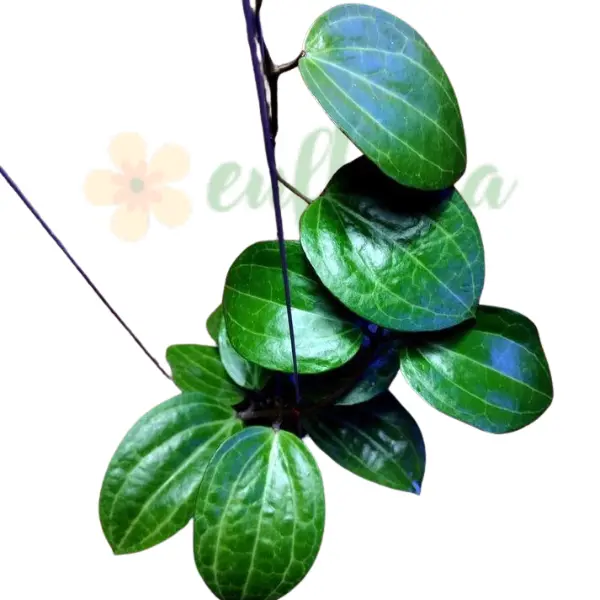
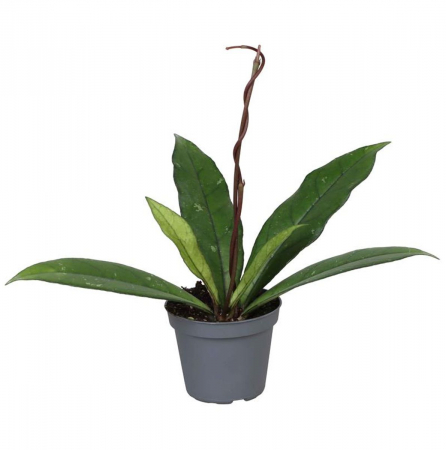
The leaves are the main attraction: they have an narrow, elliptical shape, with sharp and elegant tips, creating a refined and sophisticated appearance. The leaves can reach 12-20 cm long and 5-8 cm wide, having a deep emerald green, glossy color, with a thick, waxy texture, characteristic of Hoyas. The surface of the leaves is perfectly smooth, glossy, reflecting light and giving the plant a permanently healthy appearance.
The veining is distinctive: the midrib is prominent and well defined, while the secondary veins descend almost parallel along the length of the leaf, creating an elegant, elongated pattern that emphasizes the streamlined shape of the foliage. Unlike Sarawak which has convex and rounded veins, latifolia green presents a narrower, more orderly, more geometric pattern. The leaves do not usually present silvery splashes, maintaining a uniform, intense green color.
Flowering – light pink fragrant spectacle
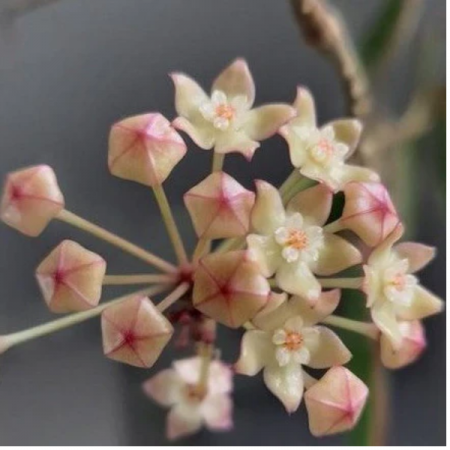
The flowers of Hoya latifolia 'Green' are a true visual and olfactory spectacle. The plant produces dense, spectacular spherical umbels, containing an impressive number of flowers - from 15-30 in young umbels to over 200-260 flowers on a single peduncle in very mature plants! The flowers are light pink to pearly white-pink, with a characteristic waxy texture and the appearance of polished porcelain.
Each individual flower is star-shaped with five elegantly reflexed petals and a distinctive center. The flowers emit a sweet, pleasant fragrance, with slightly spicy floral notes, more intense in the evening and at night. Flowering occurs in spring and summer (April-September) on mature plants of 2-4 years, transforming the plant into a spectacular spectacle that resembles delicate pink fireworks.
A remarkable feature of this Hoya is its ability to produce multiple flower stalks from the same node – a single leaf axil– can produce 2-4 stiff peduncles simultaneously, creating an impressive floral display as the plant reaches maturity. Similar to other broadleaf varieties, this plant is a producer of nectar - the flowers literally drip sweet nectar while blooming, thus protecting surrounding surfaces. The flower stalks are stiff, woody, persistent and will produce flowers repeatedly from the same points for years - do not cut them off.
Growth Habit & Decorative Use
Hoya latifolia 'Green' has semi-woody, robust stems that grow vigorously and can reach 2-4 meters in length under optimal conditions. The growth habit is creeping or hanging, making it versatile for multiple cultivation styles:
- On tall vertical supports – large trellises, 1.5-2 meter coconut pillars, where it can create impressive sculptural compositions
- Hanging baskets – long shoots form elegant cascades of spectacular elongated foliage
- Guided on walls – using discreet hooks or nets, it can decorate entire walls creating a lush green wall
- Free forms on shelves – letting the stems and descends naturally for a dramatic tropical effect
In its natural habitat, this plant climbs high into the treetops, seeking out bright spots - this behavior explains its need for abundant light for optimal growth.
Why choose Hoya latifolia 'Green'?
- Spectacled, abundant blooms – umbels of up to 260 light pink flowers on mature plants
- Elegantly elongated foliage – refined, sophisticated appearance, different from most Hoyas with round leaves
- Impressive floral production – multiple peduncles from each node, dramatic floral display
- Vigorous growth – once established, grows steadily and healthily in optimal conditions
- Classic plant– collection – standard form of the latifolia species, essential for collectors
- Charming sweet fragrance – intensely fragrant flowers, especially in the evening
- Exceptional longevity – perennial that becomes more spectacular every year
- Decorative versatility – suitable for multiple display styles
Care requirements – intermediate-advanced
Light: Requires bright to very bright indirect light for optimal growth and abundant flowering. This species naturally grows very high in the tree canopy where it receives intense filtered light. Place near large south, southwest or west facing windows, 1-2 meters away, or provide filtered light through sheer curtains. It can tolerate a few hours of direct sunlight in the morning (east), but avoid direct, intense midday sun which can burn the large leaves. Insufficient light results in poor growth, smaller leaves and lack of flowering. In optimal light conditions, the plant may develop slight tan tones on the leaves.
Watering: Water moderately, leaving the substrate to dry. dries out in the first 5-7 cm between waterings. Check the moisture by inserting a finger or stick into the substrate before each watering. During the growing season (spring-summer), water approximately every 7-10 days; in winter, reduce to 14-21 days depending on the conditions in the home. The thick, succulent leaves store water, so the plant tolerates better dry than overwatering. Overwatering and constantly wet substrate are the main cause of root rot - the number one cause of failure with this species. When watering, water thoroughly until water runs out of the drainage holes, then remove excess from the saucer.
Humidity: Prefers high humidity (60-80%) for vigorous growth. Perfectly polished foliage. In homes with dry air (60-50%), especially in winter when the air is dry due to heating, use a humidifier, spray the leaves regularly in the morning with demineralized water, or place the pot on a wide tray with pebbles.37; and water (without letting the base of the pot touch the water). Grouping with other tropical plants helps create a more humid microclimate. Low humidity can cause dry leaf tips and dull foliage.
Temperature: Prefers constant warm temperatures between 20-28°C for optimal growth. Tolerates 18-30°C, but performance is affected at extremes. Avoid temperatures below 15°C which causes severe stress, stunted growth, and potential leaf drop. Protect the plant from cold drafts, excessive heat from radiators, direct air conditioning, or sudden temperature fluctuations. Maintain stable temperatures, especially at night.
Substrate: Crucial for success! Use a very well-drained, aerated, chunky mix specifically for epiphytic plants. Recommended recipe: 40% bark pine bark (medium-large grain), 20% perlite or pumice, 20% coconut fiber or quality sphagnum peat, 10% activated horticultural charcoal, 10% bark or vermiculite. The substrate should allow air to circulate freely through the roots, drain excess water quickly, but retain light moisture. A slightly acidic pH (6.0-6.5) is ideal. Completely avoid universal soil or dense substrates that hold too much water. water.
Fertilization: Feed every 3-4 weeks during the active growing season (March-September) with a liquid fertilizer for flowering plants, diluted to half the recommended concentration. To encourage flowering, use a fertilizer with phosphorus (P) and potassium (K) higher than nitrogen (N) – for example NPK 7-9-5 or 10-15-10. Alternatively, use a specific orchid fertilizer which works great. Stop fertilizing completely during the dormant period (October-February). Over-fertilizing can cause salt buildup, root burn, and excessive vegetative growth. to the detriment of flowering.
Repotting: Repot in spring (March-April) every 2-3 years or when the roots completely fill the pot. Hoya latifolia green develops a robust root system but prefers to be slightly cramped in the pot for optimal flowering. Use a pot only 3-4 cm larger in diameter than the previous one. Ensure excellent drainage – pots with multiple large drainage holes or plastic/terracotta pots. Handle the roots carefully when repotting and do not water immediately after repotting - wait 3-5 days for the roots to heal.
Additional Features: This Hoya may develop a black powdery substance (soot) on the flower stalks - do not water. Don't worry, it's completely normal and doesn't affect the health of the plant. It's caused by saprophytic fungi that grow on the abundant nectar produced. Wipe gently with a damp towel if necessary.
Propagation
Propagation is done in spring or summer by stem cuttings with 2-3 nodes and at least 2 pairs of healthy leaves. Cut with scissors or a sterilized knife below a node, let the cutting form callus for 24 hours, then root in water (change the water every 2-3 days) or directly in moist, aerated substrate. Maintain high humidity (70-80%), constant temperature of 23-26°C and bright indirect light. Rooting takes 4-10 weeks. For maximum success, use rooting hormone and cover the cuttings with a clear container to create a screen effect.
Lungime: 15 cm
Greutate (kg): 0.5 Kg
Denumire: Hoya
Diametru: 10.5 cm
Cerințe lumină: Partial umbra
Tip plantă: Decorative
Utilizare: Interior
Tip suport: Ghiveci
Material Suport: Plastic
What is the main visual difference between Hoya latifolia 'Green' and Hoya latifolia sp. Sarawak?
Can Hoya latifolia 'Green' really produce over 200 flowers on a single peduncle?
How can I differentiate Hoya latifolia 'Green' from other Hoyas with large green leaves?
Is it normal for Hoya latifolia to produce so many stiff flower stalks on the stem?
How fast does Hoya latifolia 'Green' grow and when will it first bloom?
Can I grow Hoya latifolia 'Green' in medium light conditions or does it absolutely require bright light?
How can I stimulate Hoya latifolia 'Green' to produce more new shoots and become fuller?
Is Hoya latifolia 'Green' suitable for beginners or is it a difficult plant?
How do I care for a Hoya plant?
When does Hoya bloom?
How often should I water my Hoya?
Is Hoya toxic to pets?
How do I propagate Hoya?
What makes Hoya latifolia 'Green' special?
How do I care for Hoya latifolia 'Green'?
Does Hoya latifolia 'Green' bloom indoors?
What support is best for Hoya latifolia 'Green'?
Is Hoya latifolia 'Green' suitable for beginners?
Recommendations
Ai nevoie și de un ghiveci decorativ?